
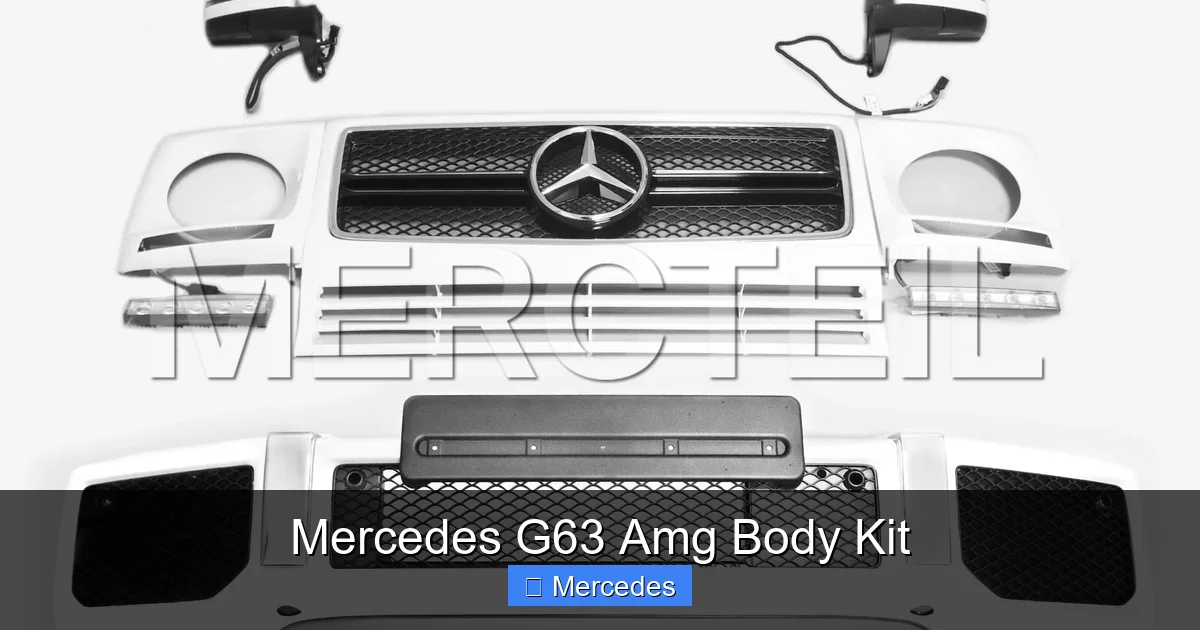
The Mercedes G63 AMG body kit transforms your iconic SUV into a head-turning machine. Whether you’re chasing style, aerodynamics, or both, a well-chosen kit delivers bold visual impact and real-world benefits. From carbon fiber accents to functional splitters, these upgrades are more than just cosmetic—they’re smart performance enhancements.
Key Takeaways
- Enhanced Aesthetics: A Mercedes G63 AMG body kit dramatically changes the look of your vehicle, giving it a more aggressive, sporty stance.
- Aerodynamic Benefits: Many kits include front splitters, side skirts, and rear diffusers that improve airflow and reduce lift at high speeds.
- Material Options: You can choose from OEM-style, fiberglass, polyurethane, or carbon fiber kits—each offering different durability, weight, and cost profiles.
- Improved Resale Value: Quality aftermarket kits can increase your vehicle’s appeal to collectors and enthusiasts.
- Installation Matters: Professional fitting ensures proper alignment, fitment, and longevity—DIY isn’t always recommended for complex kits.
- Brand Compatibility: Not all body kits fit every model year. Always verify compatibility with your specific G63 AMG generation (e.g., W463, X133).
Quick Answers to Common Questions
Is a Mercedes G63 AMG body kit worth the investment?
Yes, especially if you value aesthetics, aerodynamics, and personalization. High-quality kits improve both appearance and performance while preserving your vehicle’s iconic status.
Can I install a body kit myself?
It’s possible for simple kits like front lips or side skirts, but complex sets require professional installation to ensure proper fit, alignment, and durability.
Will a body kit void my warranty?
Aftermarket modifications can potentially affect warranty coverage, but under U.S. law, dealers must prove the mod caused the issue. Always consult your dealer first.
How do I choose between fiberglass, polyurethane, and carbon fiber?
Fiberglass is cheap but fragile; polyurethane offers the best balance of strength and flexibility; carbon fiber is lightweight and premium but expensive and delicate.
Do body kits improve gas mileage?
Subtle improvements may occur due to reduced drag, but significant gains aren’t expected. The primary benefit remains visual and aerodynamic refinement.
📑 Table of Contents
- Why Upgrade Your Mercedes G63 AMG with a Body Kit?
- Understanding Mercedes G63 AMG Body Kits
- Top Benefits of Installing a Mercedes G63 AMG Body Kit
- Choosing the Right Mercedes G63 AMG Body Kit
- Installation Tips and Best Practices
- Styling Your G63 AMG Beyond the Kit
- Cost Breakdown: How Much Does a Mercedes G63 AMG Body Kit Cost?
- Common Mistakes to Avoid
- Final Thoughts: Is a Mercedes G63 AMG Body Kit Worth It?
Why Upgrade Your Mercedes G63 AMG with a Body Kit?
Let’s face it—the Mercedes G63 AMG is already one of the most powerful and luxurious SUVs on the road. With its iconic boxy silhouette, thunderous V8 engine, and commanding presence, it turns heads wherever it goes. But even royalty wants to stand out. That’s where a Mercedes G63 AMG body kit comes in.
A body kit doesn’t just make your car look cooler—it’s a strategic upgrade that blends form and function. Whether you’re aiming for a subtle street-ready look or a full-blown off-road warrior aesthetic, the right kit can elevate your G63 AMG from “iconic” to “unmistakably yours.” From sharper lines to better airflow, these components do more than change how your SUV looks under the sun—they can actually help it perform better too.
In this guide, we’ll walk you through everything you need to know about Mercedes G63 AMG body kits: what they are, why they matter, which materials work best, and how to choose the perfect kit for your ride. Plus, we’ll share pro tips on installation, maintenance, and styling so you can make an informed decision without overspending or ending up with a mismatched mess.
Understanding Mercedes G63 AMG Body Kits
What Is a Body Kit?
A body kit is a collection of exterior parts designed to modify the shape and appearance of a vehicle. For the Mercedes G63 AMG, these typically include items like front bumpers, side skirts, rear bumpers, spoilers, and sometimes fender flares or hoods. Each piece works together to create a cohesive design language—whether sleek, aggressive, or rugged.
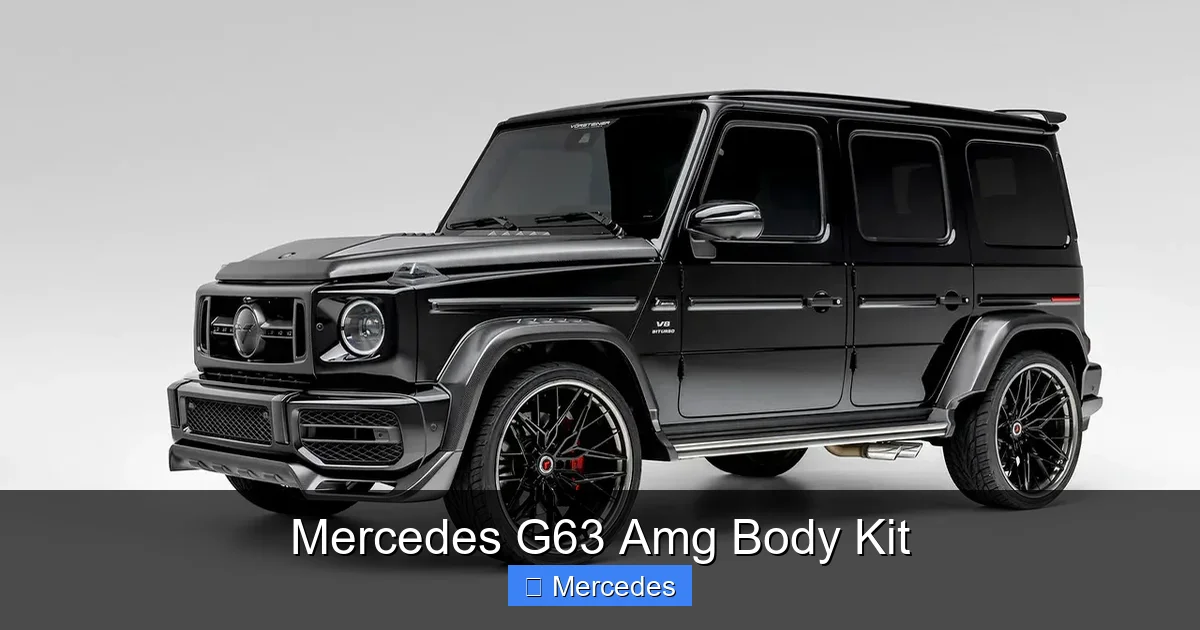
Visual guide about Mercedes G63 Amg Body Kit
Image source: royalbodykits.com
The beauty of a body kit lies in its modularity. You don’t have to install everything at once. Some owners start with just a front lip or side skirts, while others go full-on with a complete front and rear bumper set. This flexibility makes it easy to customize based on budget, taste, and even driving conditions.
Types of Body Kits Available
Not all body kits are created equal. Here’s a quick breakdown of the main types you’ll encounter:
- OEM-Style Kits: Designed to mimic factory options but made by third parties. These offer a clean, stock-like look with minor tweaks.
- Aftermarket Fiberglass Kits: Lightweight and affordable, but prone to cracking under stress. Great for show cars or occasional drivers.
- Polyurethane Kits: More flexible than fiberglass, making them ideal for climates with temperature swings. They absorb impacts better and resist warping.
- Carbon Fiber Kits: The premium choice—ultra-lightweight and extremely strong. Offers maximum performance gains and a futuristic look, though at a higher price point.
For most G63 AMG owners, polyurethane strikes the best balance between cost, durability, and aesthetics. Carbon fiber is reserved for those who prioritize performance and exclusivity above all else.
Top Benefits of Installing a Mercedes G63 AMG Body Kit
1. Aggressive Styling That Commands Attention
Let’s be honest—your G63 AMG already turns heads. But adding a body kit takes it to another level. A lowered stance, flared wheel arches, and sculpted bumpers create a menacing yet elegant profile that screams confidence. Whether you’re cruising downtown or parked at a luxury event, people will notice.
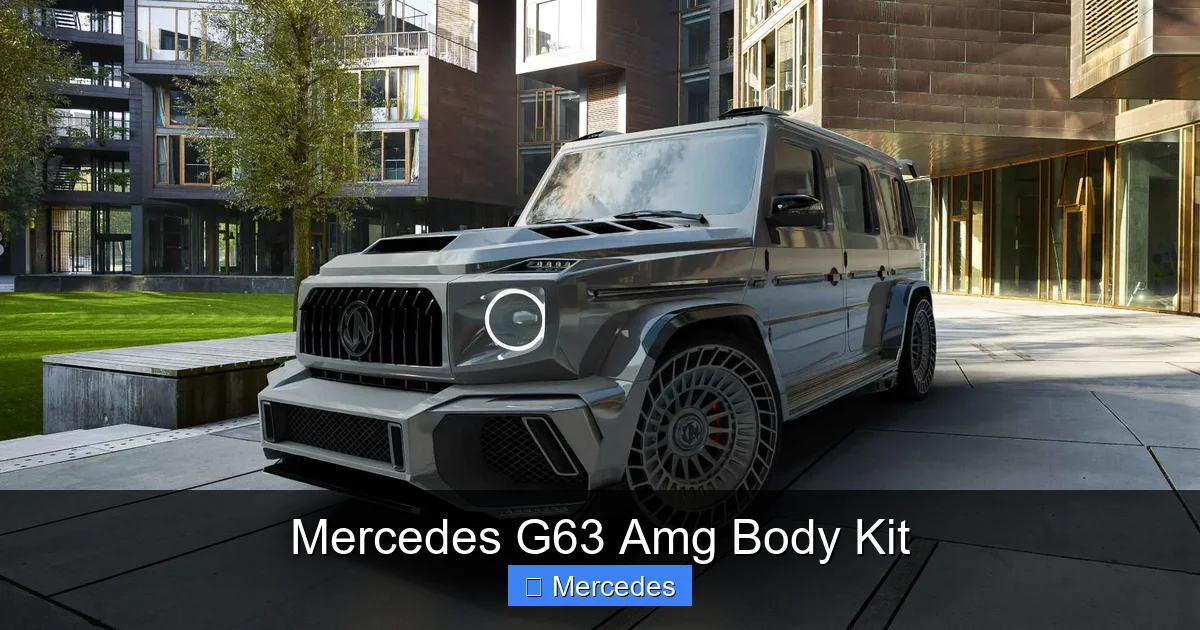
Visual guide about Mercedes G63 Amg Body Kit
Image source: files.hodoor.world
Popular trends include matte black finishes, smoked headlights, and integrated LED strips—all of which pair beautifully with a well-designed kit. And because the G63 has such a distinctive shape, even small changes like a wider rear diffuser can make a huge visual difference.
2. Improved Aerodynamics and Performance
This is where many underestimate the value of a body kit. Components like front air dams, side skirts, and rear spoilers aren’t just there for show—they redirect airflow around the vehicle. This reduces drag, minimizes turbulence, and can even lower lift during highway driving.
For example, a properly installed front splitter helps channel air beneath the bumper, creating downforce that improves tire grip. At higher speeds, this translates into better stability—especially important when navigating tight corners or sudden lane changes.
While the G63’s massive engine means it rarely needs aerodynamic tweaks, adding a kit can still yield subtle improvements in fuel efficiency and handling precision.
3. Customization Without Compromising Authenticity
One concern many G63 AMG owners have is altering their prized possession too much. After all, this car represents decades of engineering excellence. The good news? Modern body kits are engineered to preserve that integrity while enhancing it.
Many reputable brands design kits using CAD modeling and wind tunnel testing to ensure they complement the original design rather than clash with it. This means no awkward gaps, mismatched curves, or ugly overhangs—just seamless integration.
Plus, since the G63 has been in production for years, there are countless aftermarket options available. From subtle facelifts to radical transformations, you can find something that matches your personal vision without sacrificing quality.
Choosing the Right Mercedes G63 AMG Body Kit
Compatibility Is Key
Before you fall in love with a particular kit, check its compatibility with your specific model year. The G63 AMG has gone through several generations—W463 (pre-2019) and X133 (2020 onward)—and each requires different mounting points and dimensions.
Always double-check the product description or contact the seller directly if unsure. Some kits come with universal adapters, but these often result in less-than-perfect fitment. Nothing ruins a build faster than ill-fitting plastic that rattles or blocks airflow.
Material Considerations
As mentioned earlier, material affects not only appearance but also durability and cost. Here’s a simple comparison:
| Material | Pros | Cons |
|---|---|---|
| Fiberglass | Lightweight, inexpensive | Brittle, cracks easily |
| Polyurethane | Flexible, durable, good impact resistance | Slightly heavier than carbon fiber |
| Carbon Fiber | Ultra-light, premium look, high strength | Very expensive, scratches easily |
If you drive your G63 AMG daily, polyurethane is usually the sweet spot. If it’s mostly for weekends and shows, fiberglass might suffice. Only consider carbon fiber if you’re ready to invest significantly and protect it carefully.
Brand Reputation Matters
With so many brands flooding the market, it’s easy to get overwhelmed. Stick with established names known for quality craftsmanship. Brands like Mansory, Brabus, Liberty Walk, and Novitec have built reputations over decades for delivering reliable, well-fitted kits.
Read reviews, watch installation videos, and ask fellow enthusiasts in forums or social media groups. Real-world feedback trumps marketing hype every time.
Installation Tips and Best Practices
When to DIY vs. Hire a Pro
Installing a body kit sounds simple—just bolt it on, right? Wrong. Even basic kits require precision alignment, proper torque specs, and sometimes paint matching. A poorly installed kit can lead to water leaks, paint chipping, or worst-case scenario—damage to underlying panels.
For beginners, it’s strongly recommended to hire a professional installer with experience on luxury SUVs. Most reputable shops charge $500–$1,500 depending on complexity, but peace of mind is priceless.
If you’re still eager to try DIY, start small—maybe just a front lip or side skirts. Watch detailed tutorials, gather the right tools (torque wrench, panel clips, adhesive), and take your time. Rushing leads to mistakes.
Pre-Installation Checklist
- Inspect all pieces for shipping damage before unboxing.
- Test-fit components without adhesive to ensure proper alignment.
- Clean mounting surfaces thoroughly to remove dirt and grease.
- Use manufacturer-recommended adhesives or screws—don’t improvise.
- Allow adequate curing time before driving the vehicle.
Post-Installation Maintenance
Once installed, treat your new kit like any other part of your car. Avoid parking under trees (to prevent sap stains), wash gently with pH-neutral soap, and inspect regularly for loose fittings or cracks.
Polyurethane kits may develop fine cracks over time due to UV exposure—this is normal. Touch-up paint kits are available from most suppliers to keep them looking fresh.
Styling Your G63 AMG Beyond the Kit
Wheels and Tires Complement the Look
A body kit alone won’t deliver the full effect unless paired with the right wheels. Wide, low-profile tires fill out those flared arches perfectly and enhance the aggressive stance. Brands like AMG, HRE, and BBS offer custom options specifically designed for the G63 AMG.
Remember: bigger isn’t always better. Oversized rims can cause rubbing or affect ride comfort. Consult with a tire specialist to find the optimal size for your setup.
Lights and Grilles Add Finishing Touches
Swap out stock grilles for mesh inserts or smoked covers to match your kit’s tone. Integrated LED daytime running lights or sequential turn signals give your G63 AMG a tech-forward edge.
Just avoid going overboard—too many mods can dilute the original character of the vehicle.
Paint Protection Film (PPF)
If you’ve invested in a high-end kit, protect it! Apply PPF to high-impact areas like the front bumper, mirrors, and door edges. It prevents rock chips and keeps your kit looking pristine for years.
Cost Breakdown: How Much Does a Mercedes G63 AMG Body Kit Cost?
Prices vary widely based on brand, material, and completeness. Here’s a rough estimate:
- Entry-Level Polyurethane Kit: $800–$1,500
- Midsize Fiberglass Set: $1,200–$2,000
- Premium Carbon Fiber Kit: $3,000–$6,000+
- Professional Installation: $500–$1,500
Brands like Mansory and Brabus command premium pricing due to exclusivity and handcrafted quality. Generic knockoffs may seem cheaper but often lack fitment accuracy and longevity.
Always factor in shipping, taxes, and potential paint work if needed. A mismatched color or poor finish can negate savings quickly.
Common Mistakes to Avoid
- Ignoring Fitment Testing: Never assume a kit will fit without verifying.
- Skipping Paint Matching: Poor paint jobs ruin even the best designs.
- Overmodding: Adding unrelated accessories that clash visually.
- Neglecting Maintenance: Letting kits degrade without care.
- Buying Low-Quality Brands: Saving money now leads to headaches later.
Final Thoughts: Is a Mercedes G63 AMG Body Kit Worth It?
Absolutely—if you approach it thoughtfully. A quality body kit enhances both the look and function of your G63 AMG, turning an already impressive machine into something truly unique. Whether you’re building a daily driver, weekend cruiser, or concourse showpiece, the right kit adds value, personality, and performance.
Take your time researching, prioritize fitment and material quality, and don’t rush the installation. Your G63 AMG deserves nothing less than perfection.
And remember: this isn’t just about standing out—it’s about expressing your passion for automotive excellence. When done right, a Mercedes G63 AMG body kit becomes more than an accessory… it becomes part of your story.
Frequently Asked Questions
Which brands offer the best Mercedes G63 AMG body kits?
Top-tier brands include Mansory, Brabus, Liberty Walk, and Novitec. These companies specialize in high-quality, well-engineered kits designed specifically for the G63 AMG platform.
How long does it take to install a full body kit?
Most full kits require 8–16 hours when installed professionally, depending on complexity and paint work. Simple partial kits can be completed in 2–4 hours.
Can I return a body kit if it doesn’t fit?
Return policies vary by seller. Many reputable retailers offer returns within 30 days if unopened and undamaged, but modified or painted kits are usually non-refundable.
Will a body kit affect off-road capability?
Generally no—most kits are designed to maintain ground clearance. However, extreme modifications like lowering suspensions might reduce approach/departure angles slightly.
Are there legal restrictions on body kits in some areas?
Some regions restrict overly aggressive designs or non-OEM bumpers. Check local regulations before installing, especially for emissions-tested vehicles.
How often should I inspect my body kit?
Check every 6 months for loose fittings, cracks, or paint damage. Address issues immediately to prevent further deterioration or safety hazards.