

The Mercedes G63 AMG battery is a critical component that powers everything from ignition to advanced electronics in this iconic luxury SUV. Known for its powerful V8 engine and cutting-edge technology, the G63 AMG requires a robust, high-performance battery to match its demanding capabilities. Whether you’re navigating city streets or off-road trails, ensuring your battery is in top shape means reliable starts, smooth operation, and long-term vehicle health.
Key Takeaways
- Battery Type: The Mercedes G63 AMG uses a standard lead-acid (or optionally a lithium-ion upgrade) 12V battery designed for high cranking power and deep-cycle resilience.
- Capacity & Specs: Most models require a battery with 70–90 Ah capacity and 800+ cold-cranking amps (CCA) to handle the AMG’s performance demands.
- Maintenance Tips: Regular inspections, terminal cleaning, and avoiding parasitic drains can significantly extend battery life.
- Signs of Failure: Slow cranking, dashboard warnings, dim lights, or frequent jump-starts are common indicators of a weak or failing battery.
- Replacement Options: OEM batteries from Mercedes-Benz or high-quality aftermarket brands like Bosch, ACDelco, or Optima offer reliable alternatives.
- Climate Considerations: Extreme temperatures affect battery performance—cold weather reduces power, while heat accelerates degradation.
- Tech Integration: Modern G63 AMGs include start-stop systems and auxiliary electronics that increase electrical load on the battery.
If you’ve ever sat behind the wheel of a Mercedes G63 AMG, you know it’s more than just a car—it’s a statement. With its boxy silhouette, burly V8 engine, and aggressive AMG styling, the G63 commands attention on every road. But beneath that muscular exterior lies a complex machine powered by a sophisticated electrical system, and at the heart of that system? The Mercedes G63 AMG battery. Without a healthy, well-maintained battery, even the most powerful engine won’t turn over, and all those premium features—like heated seats, navigation, and adaptive suspension—will go dark.
The G63 AMG isn’t your average luxury SUV. It blends raw off-road capability with high-end technology, meaning its electrical demands are higher than many other vehicles on the market. From the moment you press the start button, the battery kicks into action, feeding power not only to the engine but also to an array of sensors, infotainment systems, and driver-assistance technologies. Over time, however, batteries degrade. Factors like age, usage patterns, climate conditions, and the sheer load they carry can wear out even the best power cells. That’s why understanding your G63 AMG battery—what it does, how it works, and how to care for it—is essential for keeping your ride running smoothly and safely.
In this comprehensive guide, we’ll walk through everything you need to know about the Mercedes G63 AMG battery. We’ll cover the different types used across model years, key specifications to watch for, signs of trouble, maintenance best practices, and even how to choose the right replacement. Whether you’re a proud owner looking to extend your battery’s life or preparing for a long trip, this article will give you the knowledge to make informed decisions and avoid costly surprises down the road.
Key Takeaways
- Understanding mercedes g63 amg battery: Provides essential knowledge
Quick Answers to Common Questions
How often should I replace my Mercedes G63 AMG battery?
Most experts recommend replacing the battery every 3–5 years, depending on usage and climate. Frequent short trips, extreme temperatures, or heavy accessory use can shorten its lifespan.
Can I use any battery brand in my G63 AMG?
No. While some aftermarket batteries work well, always match the CCA, Ah rating, and physical dimensions specified for your model year. Using incompatible batteries risks damage to electrical systems.
Does the G63 AMG have a dual battery system?
Not typically. Most models use a single 12V lead-acid or AGM battery. However, certain hybrid versions or aftermarket modifications may add secondary power sources for specific functions.
What happens if I drive my G63 AMG frequently without starting the engine?
The battery will slowly discharge due to parasitic loads from modules like the ECU, infotainment, or alarm system. Driving regularly helps recharge it, but prolonged inactivity may require a trickle charger.
Is it safe to jump-start my G63 AMG with a regular car?
Yes, but take precautions: connect red clamp to dead battery’s positive terminal, black to grounded metal (not the battery itself), and avoid touching both clamps together. Once started, let the donor vehicle idle for 10–15 minutes before disconnecting.
📑 Table of Contents
- Understanding the Mercedes G63 AMG Battery System
- Key Specifications and Performance Metrics
- Common Signs Your Mercedes G63 AMG Battery Needs Attention
- Maintaining Your Mercedes G63 AMG Battery
- Choosing the Right Replacement Battery
- Upgrading Beyond Standard Batteries
- Conclusion: Keeping Your G63 AMG Running Strong
Understanding the Mercedes G63 AMG Battery System
What Makes the G63 AMG Battery Unique?
Unlike standard passenger vehicles, the G63 AMG is built for performance and durability. Its electrical system must support not only basic functions but also high-draw accessories like turbochargers, infotainment screens, and advanced driver aids. As a result, the battery plays a dual role: starting the engine and supporting continuous electrical loads.
Most G63 AMG models come equipped with a standard 12-volt lead-acid battery. However, some high-end trims or optional packages may integrate mild-hybrid technology (like EQ Boost), which adds regenerative braking and assisted torque. In those cases, the battery system is slightly upgraded to handle energy recuperation and supplemental power delivery.
It’s important to note that while the physical size and terminal layout remain consistent across model years, the exact battery chemistry and internal construction can vary. Always consult your owner’s manual or a certified technician before making any assumptions.
Battery Types Used in the G63 AMG
Over the years, Mercedes-Benz has used several types of batteries in the G63 AMG, depending on the model year and trim level:
– Traditional Lead-Acid (Flooded): Found in most pre-2020 models, these are the standard batteries most owners are familiar with. They’re reliable, widely available, and cost-effective.
– Ambient-Compensated AGM (Absorbent Glass Mat): Introduced in later models (especially post-2015), AGM batteries are sealed, spill-proof, and better suited for vehicles with start-stop systems. They offer faster charging and deeper discharge cycles, making them ideal for the G63’s demanding electrical environment.
– Lithium-Ion Upgrades (Aftermarket): While not factory-installed, some enthusiasts opt for lithium-ion batteries due to their lighter weight, longer lifespan, and superior performance in extreme temperatures. These require additional voltage regulation modules (VRMs) to prevent damage to sensitive electronics.
Each type has its pros and cons. For most drivers, an AGM battery strikes the perfect balance between performance, reliability, and compatibility.
Key Specifications and Performance Metrics
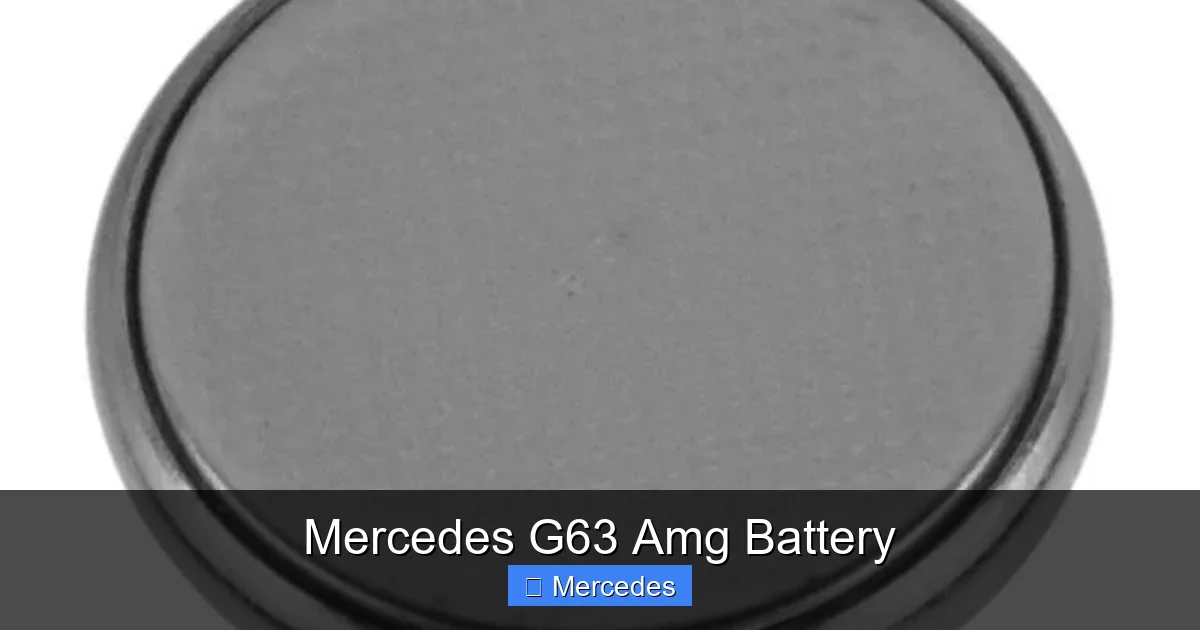
Visual guide about Mercedes G63 Amg Battery
Image source: partsgeek.com
Cold-Cranking Amps (CCA)
One of the most important specs for any automotive battery is Cold-Cranking Amps (CCA). This measures how much current the battery can deliver at 0°F (-18°C) for 30 seconds while maintaining a voltage above 7.2 volts. For the G63 AMG, you’ll typically see CCA ratings ranging from 800 to 1,000 amps. Higher CCA means better performance in cold climates or when the engine is under heavy load.
Why does this matter? Because the G63’s twin-turbo V8 requires a strong initial spark to ignite—especially in winter. If your battery can’t deliver enough power to the starter motor, you might experience slow cranking or no-start conditions.
Reserve Capacity (RC)
Reserve Capacity refers to how long the battery can run essential systems if the alternator fails. Most G63 AMG batteries have an RC of 120–160 minutes. This gives you a safety buffer during emergencies, allowing time to restart the engine using jumper cables or reach help.
For example, if your headlights suddenly flicker while driving, a healthy reserve capacity ensures they stay lit until you pull over safely.
Ampere-Hour (Ah) Rating
The Ampere-Hour rating tells you how much steady current the battery can supply over 20 hours before dropping below 10.5 volts. G63 AMG batteries usually range from 70 Ah to 90 Ah. Higher Ah values mean longer runtime for accessories like audio systems or climate control when the engine is off.
Keep in mind: higher Ah doesn’t always mean better. It must match your vehicle’s electrical profile. Installing a battery with too low an Ah rating could overload circuits; too high, and it might not fit properly or charge efficiently.
Common Signs Your Mercedes G63 AMG Battery Needs Attention
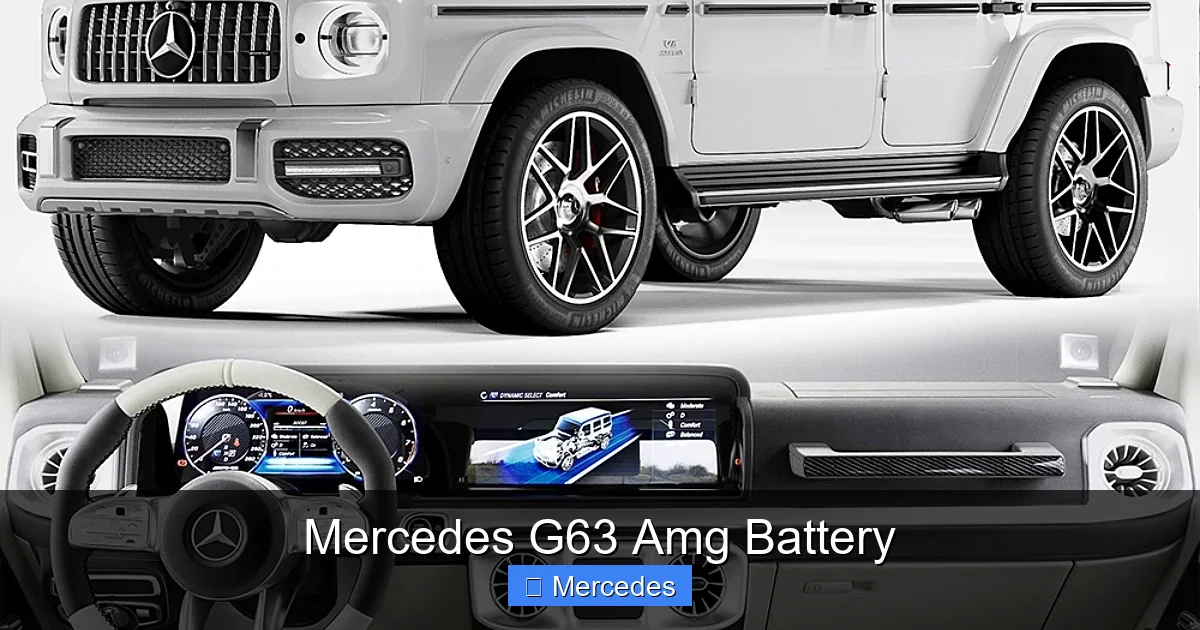
Visual guide about Mercedes G63 Amg Battery
Image source: 3dmaxter.com
Slow Engine Crank
When you turn the key, does the engine take an unusually long time to fire up? That’s often the first red flag. A healthy battery should produce a firm, quick cranking sound. If it’s slow or labored, especially in cold weather, your battery may be losing its ability to hold a charge.
Dashboard Warning Lights
Modern G63 AMGs feature a sophisticated instrument cluster that monitors battery health in real time. Keep an eye out for symbols like:
– A battery icon with an exclamation mark
– Low voltage alerts
– “Check Electrical System” messages
These warnings shouldn’t be ignored. They indicate that the battery or charging system isn’t performing as expected.
Dimming Headlights or Interior Lights
If your headlights seem noticeably dimmer than usual—or interior dome lights flicker—it could signal insufficient power from the battery. This is especially true when the engine is off or idling.
Frequent Jump Starts
Needing a jump start more than once every few months suggests your battery is nearing the end of its life. Even if it holds a charge initially, internal resistance increases over time, reducing usable capacity.
Corroded or Loose Terminals
Physical inspection reveals another clue. Check the battery terminals for white, green, or blue crust (corrosion). Also ensure connections are tight—loose terminals create resistance, leading to poor conductivity and premature failure.
Maintaining Your Mercedes G63 AMG Battery
Regular Inspections
Set aside time every three months to inspect your battery. Look for:
– Cracks or bulges in the casing
– Swollen tops
– Corrosion around terminals
– Loose mounting brackets
Even minor issues can escalate quickly, so address them early.
Cleaning Terminal Connections
Corrosion buildup acts like a resistor, slowing down current flow. To clean terminals:
1. Turn off the ignition and remove the negative cable first.
2. Use a wire brush or baking soda/water solution to scrub terminals.
3. Apply dielectric grease afterward to prevent future corrosion.
4. Reconnect cables securely.
This simple step can improve efficiency by up to 10%.
Avoid Parasitic Drains
Some electronic components continue drawing small amounts of power even when the car is off—this is called parasitic drain. Common culprits include:
– Aftermarket alarms or stereos
– Faulty relays
– Trunk light staying on
Use a multimeter to measure current draw with the engine off. Normal idle consumption should be under 50 milliamps. Anything higher warrants investigation.
Extreme Weather Preparedness
Cold winters sap battery power; hot summers accelerate chemical breakdown. Here’s how to protect your G63 AMG battery in both seasons:
– In Winter: Park in a garage if possible. Preheat the cabin briefly before driving to reduce strain on the battery during startup.
– In Summer: Avoid leaving windows open overnight—heat builds up inside the cabin and increases electrical load.
Choosing the Right Replacement Battery
OEM vs. Aftermarket Options
Original Equipment Manufacturer (OEM) batteries are made by Mercedes-Benz and guaranteed to meet factory specs. They’re pricier but offer peace of mind and full warranty coverage.
Aftermarket brands like Bosch, Exide, ACDelco, and Optima provide excellent alternatives at lower costs. Just verify compatibility using your VIN or chassis number. Many reputable sellers offer cross-reference tools online.
Top Brands for G63 AMG Batteries
Here are some trusted options favored by G63 owners:
– BOSCH S4: High CCA, durable AGM design
– ACDelco Gold: Reliable performance, good warranty
– Optima RedTop/YellowTop: Popular for racing and heavy use
– Varta Blue Dynamic: Excellent cold-weather performance
Always check reviews and ratings before purchasing.
Installation Tips
Replacing a battery yourself saves money, but proceed carefully:
1. Disconnect the negative terminal first, then positive.
2. Remove old battery and clean tray thoroughly.
3. Install new battery with correct orientation.
4. Torque clamps to manufacturer-recommended settings.
5. Reconnect terminals in reverse order (positive first).
Never force connections—if bolts don’t seat easily, double-check alignment.
Upgrading Beyond Standard Batteries
Lithium-Ion Alternatives
Advanced users sometimes swap to lithium-ion batteries for their superior power density and lighter weight. Models like the Battle Born LiFePO4 or Antigravity Lithium offer up to 3x the cycle life of lead-acid.
However, lithium batteries require:
– A compatible Voltage Regulator Module (VRM)
– Careful monitoring to avoid over-discharge
– Professional installation
Improper use can damage ECU systems or void warranties.
Smart Battery Monitors
Pair your new battery with a smart monitor like the Victron SmartShunt or Battery Tender Plus. These devices track state of charge, temperature, and health in real time via Bluetooth—ideal for long trips or storage periods.
Conclusion: Keeping Your G63 AMG Running Strong
Your Mercedes G63 AMG is a masterpiece of engineering, blending luxury, power, and rugged capability into one unforgettable package. But like any high-performance machine, it relies on meticulous care—and nowhere is that more true than with the Mercedes G63 AMG battery. From cold mornings in Chicago to scorching desert drives in Arizona, your battery is the unsung hero that makes every journey possible.
By understanding its role, recognizing warning signs, and following proper maintenance routines, you’ll ensure your G63 remains responsive, reliable, and ready for whatever adventure comes next. Remember: a healthy battery isn’t just about avoiding inconvenience—it’s about protecting your investment and preserving the driving experience that makes owning a G63 so special.
Whether you stick with OEM standards or explore modern upgrades, the key is consistency. Regular checks, timely replacements, and smart choices will keep your battery—and by extension, your vehicle—performing at its best for years to come.
Frequently Asked Questions
What type of battery does a Mercedes G63 AMG use?
The G63 AMG typically uses a 12-volt lead-acid or AGM (Absorbent Glass Mat) battery, depending on the model year and trim. These batteries are designed to handle high electrical loads from the V8 engine and advanced electronics.
How long does a Mercedes G63 AMG battery last?
Under normal conditions, expect 3–5 years of service. Factors like extreme temperatures, frequent short trips, and heavy accessory use can reduce longevity. Regular maintenance helps maximize lifespan.
Can I replace the battery myself in my G63 AMG?
Yes, but exercise caution. Always disconnect the negative terminal first, wear safety gear, and follow torque specifications. If unsure, consult a professional mechanic or Mercedes-certified technician.
Why is my G63 AMG having trouble starting in cold weather?
Cold temperatures reduce battery efficiency. If your battery has less than 800 CCA or is over three years old, it may struggle to deliver sufficient power to crank the engine. Consider upgrading to a high-CCA AGM model.
Are lithium-ion batteries compatible with the G63 AMG?
They can be used but require a Voltage Regulator Module (VRM) to prevent damage to sensitive electronics. Not all models support lithium chemistry, so research thoroughly before installing.
What should I do if my dashboard shows a battery warning light?
First, check for loose terminals or corrosion. If the issue persists, have the charging system tested—it could indicate a failing alternator or deeply discharged battery needing replacement.