

Featured image for Lincoln Aviator air suspension
Image source: i.ytimg.com
The typical Lincoln Aviator air suspension replacement cost falls between $1,200 and $2,800, depending on parts, labor, and whether you choose a dealership or an independent shop. Understanding the components, warning signs, and maintenance habits can help you budget wisely and avoid unexpected breakdowns.
If you own a Lincoln Aviator, you already appreciate the smooth, cloud‑like ride that its air suspension delivers. But when that system starts to sag, hiss, or throw a warning light, the first question that pops into most owners’ minds is: what is the Lincoln Aviator air suspension replacement cost? The answer isn’t a single number; it depends on parts, labor rates, and whether you go to a dealership or an independent shop. In this guide we break down every cost component, explain why prices vary, and give you practical tips to keep the bill as low as possible.
Think of the air suspension like a set of high‑tech balloons that hold your SUV at the perfect height. When one balloon leaks or the pump that inflates them wears out, the whole system struggles. Knowing the “who, what, where, when, and why” of the repair helps you make an informed decision before you’re stranded on the side of the road.
Key Takeaways
- Average cost range: Expect to pay roughly $1,200‑$2,800 for a full air suspension replacement on a Lincoln Aviator.
- Parts vs. labor: Air springs and compressors make up 60‑70 % of the bill; labor accounts for the rest.
- Dealership premium: Authorized Lincoln dealers typically charge 20‑30 % more than reputable independent shops.
- Warning signs: Sagging ride height, noisy compressor, and dashboard “Air Suspension” alerts signal imminent failure.
- DIY feasibility: Replacing a single air spring is doable for experienced DIYers, but full system work requires specialized tools and calibration.
- Preventive care: Regularly inspect air lines, keep the compressor filter clean, and avoid overloading the vehicle to extend component life.
- Warranty coverage: Factory warranty may cover early failures; extended warranties often include air suspension if purchased before 60,000 miles.
📑 Table of Contents
Understanding the Air Suspension System
Core Components
The Lincoln Aviator uses a four‑corner air suspension. Each corner has an air spring (sometimes called an air bag), a height sensor, and a solenoid valve that controls airflow. A central air compressor with a dryer and filter supplies pressurized air to all four corners through a network of air lines. The electronic control module (ECM) monitors ride height and adjusts pressure in real time.
How It Works – An Analogy
Imagine a bicycle tire that can automatically add or release air to keep the bike level whether you’re carrying a backpack or riding solo. The air springs are the tires, the compressor is the pump, and the ECM is the smart controller that decides when to pump or bleed air. When any part fails, the “bike” leans, rides harshly, or refuses to level at all.
Did You Know?
According to RepairPal data, the average air suspension repair for luxury midsize SUVs (including the Aviator) costs $1,450 – $2,300, with the compressor alone averaging $600 – $900. This statistic underscores why the Lincoln Aviator air suspension replacement cost can climb quickly if multiple parts fail together.
Typical Replacement Cost Breakdown
Parts Pricing
- Air springs (four corners): $250 – $450 each, total $1,000 – $1,800.
- Compressor assembly: $550 – $900.
- Height sensors & solenoids: $80 – $150 each; a full set adds $320 – $600.
- Air lines & fittings: $100 – $200 for a complete kit.
If you replace only the failed components, the parts bill can be as low as $600 for a single air spring plus a sensor. A full system overhaul (all four springs, compressor, sensors, lines) pushes the parts total toward $2,500.
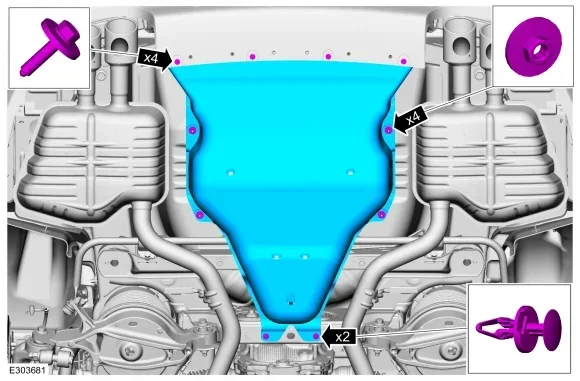
Visual guide about Lincoln Aviator air suspension
Image source: liaviator2.com
Labor Rates
Labor varies widely by region and shop type. Dealerships typically charge $130 – $180 per hour, while independent specialists range from $90 – $130 per hour. A full replacement takes 6‑9 hours, so labor alone can be $540 – $1,620. Adding diagnostic time (usually 1‑2 hours) brings the total labor to roughly $700 – $2,000.
Total Estimated Range
Combining parts and labor, the Lincoln Aviator air suspension replacement cost generally lands between $1,200 and $2,800. High‑end dealerships in metropolitan areas may quote $3,000+, while a well‑reviewed independent shop in a smaller market can come in near $1,200 for a partial repair.
Factors That Influence Price
Vehicle Mileage & Age
Higher mileage often means more than one component is worn. A 2020 Aviator with 80,000 miles might need only a compressor, while a 2016 model with 120,000 miles could require all four springs, sensors, and lines.
Geographic Location
Labor rates in California or New York can be 30‑40 % higher than in the Midwest. Parts shipping costs also vary; some shops stock OEM parts locally, others order from a central warehouse, adding a day or two and a small freight surcharge.
OEM vs. Aftermarket Parts
Original Equipment Manufacturer (OEM) parts carry a premium (≈ 15‑25 % more) but guarantee exact fit and warranty compliance. Quality aftermarket brands (e.g., Arnott, Continental) can save $200‑$500 on a full kit with comparable durability, provided you choose a reputable supplier.
Warranty & Extended Coverage
Factory warranty covers air suspension defects for 4 years/50,000 miles. Many owners purchase an extended service contract that includes the air system; if the contract is active, the out‑of‑pocket cost may drop to a deductible of $100‑$250.
Shop Reputation & Equipment
Shops with a dedicated “air suspension bay” and calibrated ride‑height tools can finish the job faster and more accurately, reducing labor hours. A shop lacking the proper scan tool may need extra time for manual calibration, inflating the bill.
DIY vs. Professional Installation
What a Confident DIYer Can Tackle
Replacing a single air spring is similar to swapping a strut on a conventional suspension. You’ll need a floor jack, jack stands, a spring compressor tool (or a sturdy C‑clamp), and a torque wrench. The procedure: raise the vehicle, remove the wheel, disconnect the air line, unbolt the spring, install the new unit, reconnect the line, and reset the ride‑height via the vehicle’s menu.
Why Full System Work Is Best Left to Pros
Replacing the compressor, all four springs, and recalibrating the ECM requires a professional‑grade scan tool (e.g., Ford IDS or equivalent) to bleed the system, program new sensor IDs, and verify pressure curves. Mistakes can cause the vehicle to sit too low (damaging tires) or too high (affecting handling). The risk of a costly re‑do often outweighs the labor savings.
Cost Comparison Example
Assume you buy a full OEM kit for $2,300. DIY labor is “free,” but you must purchase a scan tool rental ($150/day) and a spring compressor ($80). Total DIY outlay ≈ $2,530. A reputable independent shop might charge $2,200 (parts + labor) and include a 12‑month warranty on workmanship. In many cases, the professional route is cheaper when you factor tool rental and risk.
Maintenance Tips to Extend Air Suspension Life
Regular Visual Inspections
Every 5,000 miles (or at each oil change), crawl under the Aviator and look for cracked air lines, oil residue around the compressor, or uneven ride height. Early detection of a tiny leak can prevent a full‑system failure.
Keep the Compressor Filter Clean
The compressor’s intake filter traps dust and moisture. A clogged filter forces the pump to work harder, shortening its lifespan. Replace the filter annually or per the owner’s manual schedule (usually every 30,000 miles).
Avoid Overloading
The Aviator’s air suspension is calibrated for a maximum payload (≈ 1,500 lb). Consistently hauling near that limit stresses the springs and compressor. If you frequently tow or carry heavy loads, consider upgrading to heavy‑duty air springs rated for higher capacity.
Use the “Normal” Ride Mode When Possible
Sport or “Off‑Road” modes raise the vehicle and increase compressor cycles. For daily commuting, stay in “Normal” mode to reduce wear.
Schedule Professional System Checks
Once a year, have a shop run a full diagnostic (pressure test, leak check, sensor calibration). Many shops offer this as a $100‑$150 service, which is cheap insurance against a $2,000 surprise repair.
When to Replace vs. Repair
Repair‑Only Scenarios
- Single air spring leak: If only one corner is low and the compressor runs normally, replace that spring and the associated sensor.
- Faulty height sensor: A bad sensor can cause the ECM to over‑inflate or under‑inflate a corner. Swapping the sensor ($80‑$150) often restores proper ride height.
- Compressor relay or fuse: A $15 relay or $5 fuse can mimic a dead compressor. Always check the electrical basics first.
Full Replacement Indicators
- Multiple springs leaking: Two or more springs showing cracks or audible hissing usually mean the rubber has aged uniformly.
- Compressor failure with metal shavings: Internal wear contaminates the entire air circuit; cleaning lines is impractical.
- Recurring warning lights after partial repairs: If the “Air Suspension” message returns within weeks, the root cause is likely systemic.
Decision Checklist
Ask yourself: Is the vehicle still under warranty? Do I have a trusted independent shop nearby? Can I afford a potential second repair if I only patch one part? If the answer to any is “no,” a comprehensive replacement often saves money and headaches in the long run.
Conclusion
Understanding the Lincoln Aviator air suspension replacement cost gives you the power to plan, negotiate, and maintain your SUV’s signature ride quality. The typical bill sits between $1,200 and $2,800, but smart choices—like using quality aftermarket parts, choosing a reputable independent shop, and staying on top of preventive maintenance—can keep you near the lower end of that range. Remember, the air suspension is the heart of the Aviator’s comfort; treating it with regular care is the best investment you can make for smooth, confident miles ahead.
Frequently Asked Questions
What is the average Lincoln Aviator air suspension replacement cost?
The average cost ranges from $1,200 to $2,800, including parts and labor. Prices vary based on whether you replace a single component or the entire system and on the shop’s labor rates.
Can I replace just one air spring on my Aviator?
Yes, if only one corner is leaking, you can replace that single air spring and its sensor. However, if the vehicle has high mileage, other springs may fail soon after.
Does the factory warranty cover air suspension repairs?
The original Lincoln warranty covers air suspension defects for 4 years or 50,000 miles. Extended service contracts may also include coverage if purchased before the mileage limit.
Are aftermarket air suspension parts reliable for the Aviator?
Reputable aftermarket brands like Arnott and Continental offer parts that meet or exceed OEM specifications and can save $200‑$500 on a full kit.
How long does a professional air suspension replacement take?
A full system replacement typically requires 6‑9 hours of labor, plus 1‑2 hours for diagnostics and calibration.
What maintenance steps can prevent early air suspension failure?
Inspect air lines and springs every 5,000 miles, replace the compressor filter annually, avoid chronic overloading, and have a professional system check once a year.