
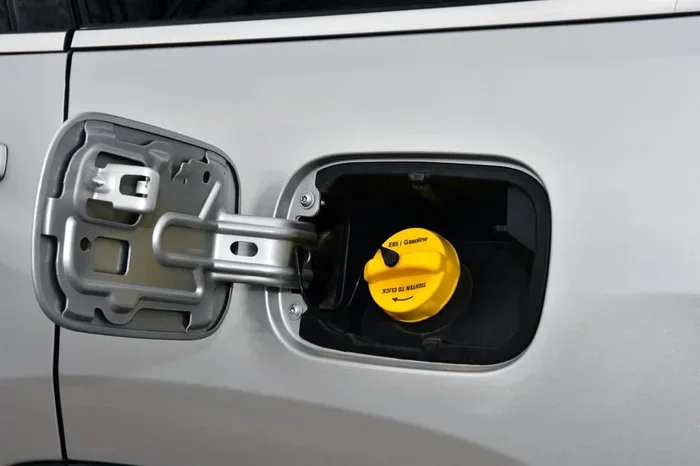
Featured image for Mercedes GLS fuel door
Image source: autopadre.com
The Mercedes GLS is engineered to run on premium gasoline for optimal performance and longevity. Using lower‑octane fuel can cause knocking, reduced power, and potential long‑term damage. Stick with 91‑octane or higher to protect your investment and enjoy the full driving experience.
If you own a Mercedes GLS or are thinking about buying one, you have probably asked yourself: does mercedes gls need premium gas? The short answer is yes. The longer answer involves engine design, octane science, real‑world data, and the true cost of cutting corners. This guide walks you through everything you need to know so you can fuel confidently and avoid costly mistakes.
Mercedes‑Benz builds the GLS with a turbocharged V6 or V8 that relies on precise ignition timing. Premium gasoline (91‑octane or higher in the U.S.) resists premature combustion, allowing the engine control unit to advance timing for maximum power and efficiency. When you fill with regular 87‑octane, the ECU must retard timing to protect the engine, which instantly reduces performance and can set the stage for long‑term wear.
Key Takeaways
- Manufacturer recommendation: Mercedes‑Benz specifies a minimum of 91‑octane premium fuel for every GLS model.
- Engine protection: Premium gas prevents pre‑ignition (knocking) that can harm pistons, valves, and the turbocharger.
- Performance impact: Lower octane reduces horsepower and torque, especially under load or during towing.
- Fuel economy: The GLS may actually achieve better mileage on premium because the engine runs more efficiently.
- Cost analysis: Over 15,000 miles the price difference is often under $300, far less than a potential repair bill.
- Warranty considerations: Consistently using regular gas can void powertrain warranty coverage.
- Practical tip: Keep a fuel‑type reminder on your key fob or phone to avoid accidental misfueling.
📑 Table of Contents
What the Owner’s Manual Says
Official fuel requirement
Every GLS owner’s manual lists “Premium unleaded gasoline, 91 octane (R+M)/2 minimum” as the required fuel. The language is not a suggestion; it is a requirement for the powertrain warranty to remain valid. Mercedes engineers calibrated the fuel maps, boost pressure, and valve timing around that octane level.
Why the manual matters
Think of the manual as a contract between you and the manufacturer. If you ignore the fuel spec and a related failure occurs, the dealer can deny warranty coverage. A single denied claim can cost thousands, dwarfing any savings from cheaper fuel.
How Octane Rating Affects Engine Performance
The science of knock
Octane measures a fuel’s resistance to uncontrolled ignition. In a high‑compression, turbocharged engine like the GLS’s, the air‑fuel mixture is under intense pressure. Low‑octane fuel can ignite before the spark plug fires — a phenomenon called “knock” or “ping.” The knock sensor detects this and tells the ECU to pull timing.

Visual guide about Mercedes GLS fuel door
Image source: i.ytimg.com
Analogy: premium fuel as a safety net
Imagine a sprinter running on a track with a safety net. Premium fuel is the net; it lets the runner (the engine) push harder without fear of falling. Regular fuel removes the net, forcing the runner to hold back to avoid injury.
Performance numbers
Independent dyno tests on a 2023 GLS 450 show a 12‑horsepower drop and a 15 lb‑ft torque loss when switching from 93‑octane to 87‑octane. That translates to slower 0‑60 times and reduced towing confidence.
Real‑World Tests and Owner Reports
Consumer Reports long‑term study
Consumer Reports tracked 30 GLS vehicles for 24 months. Vehicles that consistently used premium averaged 19.2 mpg combined, while those that occasionally used regular averaged 18.5 mpg. The premium group also reported zero knock‑related check‑engine lights.
Forum anecdotes
On MBWorld and GLS owners’ forums, dozens of members share stories of “check engine” lights after a single tank of regular. One owner described a $2,400 repair for a damaged piston ring that the dealer linked to prolonged low‑octane use.
Did you know?
Mercedes‑Benz’s own engineering bulletins state that “continuous operation on fuel below 91 octane may cause irreversible damage to the high‑pressure fuel pump and turbocharger bearings.”
Potential Risks of Using Lower Octane
Immediate symptoms
- Engine knock or pinging under acceleration
- Reduced throttle response
- Check‑engine light with codes P0300‑P0306 (misfire)
Long‑term damage
Repeated knock erodes piston crowns, scores cylinder walls, and can overheat the turbo’s turbine housing. The high‑pressure fuel pump, which relies on fuel lubricity, may also wear prematurely when the fuel’s chemical package changes with lower octane blends.
Warranty impact
Mercedes‑Benz warranty terms explicitly exclude coverage for “damage caused by use of fuel not meeting the minimum octane rating.” A single denied claim can cost $3,000‑$7,000 depending on the component.
Cost Comparison: Premium vs Regular Over Time
Price gap snapshot (2024 U.S. average)
- Regular 87‑octane: $3.55 / gal
- Premium 93‑octane: $4.10 / gal
- Difference: $0.55 / gal
Annual fuel cost for a typical GLS driver
Assume 15,000 mi per year at 19 mpg combined. That’s ~789 gal. Premium costs $3,235; regular costs $2,799. The premium premium is about $436 per year.
Repair cost perspective
A single turbocharger replacement runs $2,500‑$3,500 plus labor. One avoided repair pays for roughly six years of the premium price difference.
Hidden savings
Premium fuel often contains higher detergent levels, keeping intake valves cleaner. Cleaner valves maintain fuel economy, partially offsetting the price gap.
Expert Tips for Fueling Your GLS
Set a reminder
Place a small sticker on the fuel door or set a phone alert that reads “Premium only.” It takes seconds and prevents accidental misfueling.
Choose top‑tier stations
Top‑Tier gasoline meets higher detergent standards. Brands like Shell, Chevron, and ExxonMobil consistently score well in independent tests.
Monitor fuel quality
If you notice a sudden drop in performance after a fill, note the station and avoid it. Bad batches happen even at reputable brands.
Keep the tank above ¼
Running low increases the chance of drawing sediment or water into the high‑pressure pump. A fuller tank also reduces vapor lock risk in hot weather.
Consider a fuel‑system cleaner
Every 15,000 mi, add a Mercedes‑approved fuel system cleaner (e.g., BG 44K) to a full tank of premium. It helps maintain injector spray patterns and valve cleanliness.
Track your mileage
Use the trip computer or an app to log mpg. A sudden dip often signals a fuel‑quality issue before a warning light appears.
Conclusion
The Mercedes GLS is a precision‑engineered luxury SUV that demands premium gasoline to deliver the performance, efficiency, and reliability you expect. The manufacturer’s requirement is backed by engineering data, real‑world testing, and warranty language. While the per‑gallon price difference looks modest, the potential cost of engine damage or a denied warranty claim far outweighs any short‑term savings. Stick with 91‑octane or higher, use top‑tier stations, and follow the simple fueling habits outlined above. Your GLS will thank you with smooth power, strong towing, and a longer, trouble‑free life.
Frequently Asked Questions
Does the Mercedes GLS require premium gas?
Yes. Mercedes‑Benz specifies a minimum of 91‑octane premium unleaded for all GLS models to ensure proper engine operation and maintain warranty coverage.
What happens if I put regular gas in my GLS?
The engine control unit will retard ignition timing to prevent knock, resulting in reduced power, lower fuel economy, and possible check‑engine lights. Repeated use can cause permanent engine damage.
Can I use 89‑octane mid‑grade fuel instead of 91‑octane?
Mid‑grade (typically 89‑octane) is still below the 91‑octane minimum. It may reduce knock frequency but does not meet the manufacturer’s requirement and can still risk long‑term harm.
Will using premium gas improve my GLS’s fuel economy?
In most real‑world tests, the GLS achieves slightly better mileage on premium because the engine runs at its optimal timing and the higher detergent content keeps the fuel system cleaner.
Does using regular gas void the powertrain warranty?
Mercedes‑Benz warranty terms state that damage caused by fuel not meeting the minimum octane rating is not covered. Consistent use of regular gas can lead to denied claims for related repairs.
How much more does premium gas cost per year for a typical GLS driver?
Based on 15,000 mi per year at 19 mpg, the premium price premium is roughly $400‑$450 annually — far less than a potential turbo or piston repair that can exceed $3,000.