
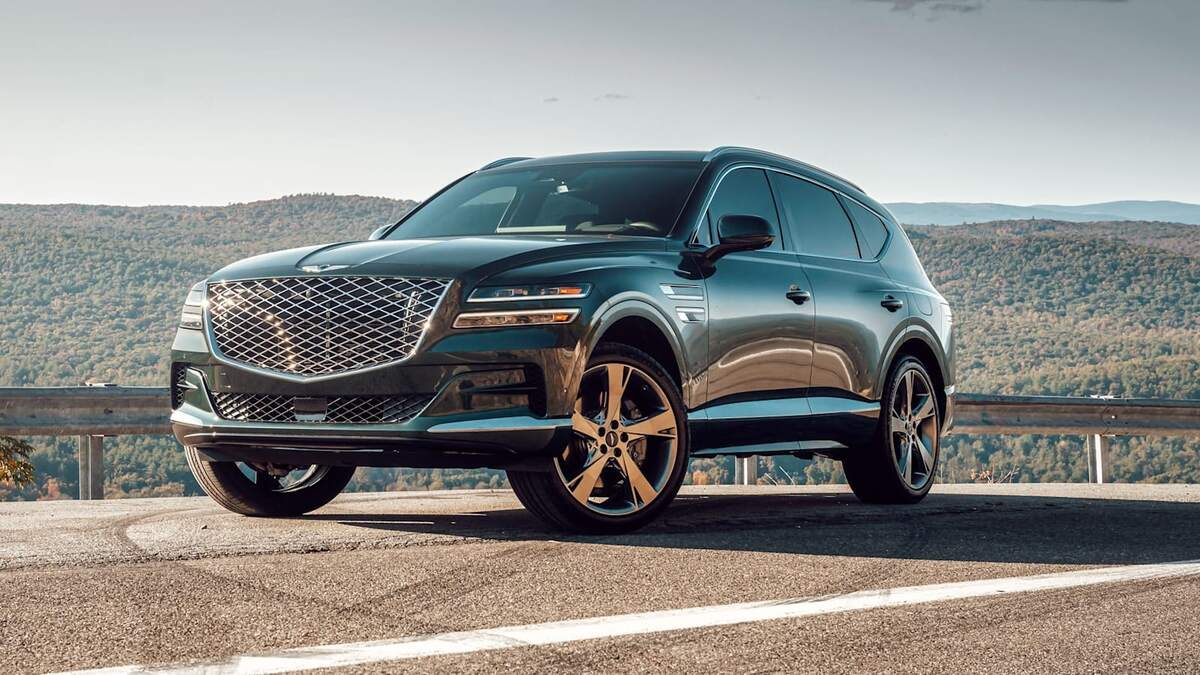
India’s premium‑SUV segment has matured rapidly. Buyers now expect a blend of opulent cabins, advanced driver‑assist tech, genuine off‑road capability, and a ownership experience that feels effortless. This guide walks you through the current market landscape, the criteria that matter most, detailed model profiles, real‑world ownership costs, and what’s coming next — so you can pick the SUV that truly fits your lifestyle.

Flagship premium SUVs on display at a Delhi showroom
Market Overview (2026)
The premium‑SUV bracket — roughly ₹70 lakh to ₹1.5 cr — is now populated by German stalwarts (Mercedes‑Benz GLE, BMW X5, Audi Q7), British icons (Land Rover Discovery, Range Rover Velar), Swedish safety leader Volvo XC90, and a growing electric contingent (BMW iX, Mercedes‑EQE SUV, Audi Q8 e‑tron). Sales data from the Society of Indian Automobile Manufacturers shows a 12 % year‑on‑year rise in this segment, driven by younger affluent buyers and a surge in corporate fleet orders. You can also read our guide on what is an suv.
Understanding the segment starts with knowing what an SUV really is; our primer on understanding SUV basics clarifies the body‑style fundamentals. For a historical perspective, the evolution of the segment traces how utility vehicles turned into luxury statements.
Key Buying Criteria
| Criterion | Why It Matters | What to Look For (2026) |
|---|---|---|
| Ride & Handling | Daily comfort vs. highway stability | Adaptive air suspension, selectable drive modes |
| Cabin Quality | Materials, noise isolation, seat ergonomics | Nappa leather, open‑pore wood, active noise cancellation |
| Tech Stack | Infotainment, connectivity, OTA updates | 12‑inch+ curved displays, wireless Android Auto/Apple CarPlay, 5G‑ready |
| Safety Suite | Autonomous emergency braking, lane‑keep, 360° camera | Euro NCAP 5‑star equivalent, Level 2+ ADAS |
| Powertrain Choice | Petrol, diesel, mild‑hybrid, plug‑in hybrid, full EV | 48 V mild‑hybrid for efficiency; PHEV for >50 km electric range |
| After‑Sales Network | Service reach, parts availability, warranty extensions | ≥ 120 service touchpoints nationwide, 5‑yr/1 lakh km warranty |
In practice, a common mistake is over‑indexing on badge prestige while ignoring service depth — especially in tier‑2 cities where a brand’s Toyota’s premium positioning can mean faster parts turnaround. You can also read our guide on invention of suv.
Top Contenders – Quick Comparison
| Model | Ex‑Showroom (₹) | Powertrain | Seats | Key Highlight |
|---|---|---|---|---|
| Mercedes‑Benz GLE 300d 4MATIC | 85 L – 1.05 Cr | 2.0 L diesel + 48 V mild‑hybrid | 5/7 | MBUX Hyperscreen, E‑Active Body Control |
| BMW X5 xDrive40i M Sport | 90 L – 1.12 Cr | 3.0 L turbo‑petrol + 48 V | 5/7 | Integral Active Steering, Laserlight |
| Audi Q7 55 TFSI quattro | 88 L – 1.08 Cr | 3.0 L turbo‑petrol + 48 V | 7 | Virtual Cockpit Plus, quattro ultra |
| Volvo XC90 B6 AWD Inscription | 82 L – 1.00 Cr | 2.0 L turbo‑petrol + 48 V | 7 | Pilot Assist, CleanZone air purification |
| Land Rover Discovery HSE | 95 L – 1.20 Cr | 3.0 L I6 diesel + 48 V | 7 | Terrain Response 2, configurable seating |
| BMW iX xDrive50 | 1.15 Cr – 1.35 Cr | Dual‑motor EV (516 hp) | 5 | 630 km WLTP, 200 kW DC fast charge |
| Mercedes‑EQE SUV 350 4MATIC | 1.10 Cr – 1.30 Cr | Dual‑motor EV (292 hp) | 5 | 550 km WLTP, MBUX Hyperscreen |
All prices are indicative ex‑showroom Delhi, 2026; on‑road adds 12‑15 %.

Price and spec snapshot for leading models
Detailed Model Profiles
Mercedes‑Benz GLE
The GLE’s Mercedes premium package breakdown includes the MBUX Hyperscreen spanning three displays, giving a cockpit feel that’s both futuristic and intuitive. The 2.0‑litre diesel with 48 V assist delivers 265 hp and 550 Nm, returning ~12 km/l in mixed driving. Air‑suspension with E‑Active Body Control reads the road ahead and pre‑emptively adjusts damping — a boon on India’s unpredictable highways.
BMW X5
BMW’s integral active steering tightens low‑speed maneuvers and sharpens high‑speed lane changes. The 3.0‑litre straight‑six produces 381 hp, paired with an 8‑speed Steptronic that shifts imperceptibly. In practice, the X5’s rear‑seat recline and panoramic glass roof make long family trips feel more like a lounge than a car. You can also read our guide on bmw x5 vs audi q7.
Audi Q7
Audi’s Virtual Cockpit Plus places navigation, media, and vehicle data directly in the driver’s line of sight. The quattro ultra system decouples the rear axle when grip isn’t needed, improving efficiency. The Q7’s third‑row access is class‑leading, thanks to a powered second‑row tumble function.
Volvo XC90
Volvo’s Pilot Assist handles stop‑and‑go traffic and maintains lane centring up to 130 km/h. The CleanZone system filters PM2.5 and allergens — valuable in metros with high AQI. The B6 mild‑hybrid adds 14 hp during acceleration, smoothing the 2.0‑litre’s torque curve. You can also read our guide on luxury suv comparisons.
Land Rover Discovery
Terrain Response 2 automatically selects the optimal traction mode for sand, mud, or rock. The configurable 5+2 seating folds flat for a 2,400‑litre load bay. Diesel’s low‑end torque (650 Nm) makes towing a 3,500 kg caravan effortless.
BMW iX & Mercedes‑EQE SUV (EV Contenders)
Both EVs use 800‑V architectures for 10‑80 % charges in ~30 minutes at 200 kW+ stations. The iX’s carbon‑cage chassis cuts weight, while the EQE SUV leverages Mercedes’ fuel requirements for Mercedes models knowledge to optimise thermal management, preserving range in extreme heat.
Ownership Costs – Maintenance, Insurance & Fuel
| Cost Head | Typical Annual Outlay (₹) | Notes |
|---|---|---|
| Scheduled Service (5‑yr plan) | 1.2 L – 2.0 L | Covers oil, filters, brake fluid; EV plans ~30 % cheaper |
| Extended Warranty (5 yr/1 L km) | 80 k – 1.5 L | Peace of mind for high‑tech components |
| Insurance (Comprehensive) | 1.5 L – 3.0 L | Varies by IDV, location, driver profile |
| Fuel / Electricity | 1.0 L – 2.5 L (petrol/diesel) 30 k – 60 k (EV) | Based on 15,000 km/yr; EV charging at ₹8/kWh home rate |
| Tyres (set of 4, 40k km) | 1.0 L – 1.8 L | Run‑flat options add ~15 % |
Tip: Negotiate a prepaid maintenance package at purchase — dealers often discount 10‑15 % versus pay‑as‑you‑go. For Mercedes owners, check the fuel requirements for Mercedes models guide to avoid unnecessary premium‑fuel spend.
Resale Value & Depreciation
Premium SUVs typically retain 55‑65 % of invoice after three years, outperforming mass‑market SUVs (45‑50 %). Factors that boost resale:
- Brand perception — German marques and Volvo command higher residuals.
- Service history — Complete authorized‑service records add 3‑5 % to trade‑in value.
- Low mileage — Under 30,000 km in three years is a sweet spot.
- Specification — Panoramic roof, advanced ADAS, and premium audio are sought after in the used market.
The 2024 price trend analysis suggests a modest softening in diesel residuals as EV adoption accelerates, but well‑maintained petrol/mild‑hybrid units remain strong.
Electric & Hybrid Future (2026‑2028)
| Brand | Upcoming Model | Battery / Range | Notable Tech |
|---|---|---|---|
| BMW | iX3 (facelift) | 80 kWh / 560 km | 5th‑gen eDrive, bidirectional charging |
| Mercedes | EQG | 100 kWh / 500 km | G‑class off‑road credentials, four‑motor torque vectoring |
| Audi | Q6 e‑tron | 100 kWh / 600 km | PPE platform, 800 V, AR heads‑up display |
| Volvo | EX90 | 111 kWh / 610 km | Core computing, LiDAR‑ready, 250 kW charge |
| Land Rover | Range Rover Electric | 100 kWh / 550 km | MLA‑Flex architecture, wading depth 850 mm |
Charging infrastructure is expanding: the National Highways Authority of India targets 1,500 fast chargers on major corridors by 2027. Home wall‑box installation (7.4 kW) costs ~₹70 k after state subsidies.

Concept preview of electric luxury SUVs coming to India
Buying Guide – Test Drive, Financing & Negotiation
- Shortlist 3‑4 models using the comparison table; prioritize the two criteria you value most (e.g., ride comfort + tech).
- Book back‑to‑back test drives on the same day — same road, same load — to feel subtle differences.
- Evaluate ergonomics: seat adjustment range, visibility, control layout, third‑row access.
- Ask for a full cost breakdown — ex‑showroom, RTO, insurance, handling, accessories, extended warranty.
- Financing options:
- Loan — 7‑9 % p.a., 5‑7 yr tenure; prefer banks with pre‑approved offers.
- Lease — 3‑4 yr, includes maintenance; ideal for corporate users.
- Cash — negotiate 2‑3 % discount on invoice.
- Trade‑in: Get independent valuation (e.g., CarDekho, Spinny) before dealer offer.
- Finalize only after reading the fine print on warranty exclusions and service‑plan transferability.
CTA: Schedule a test drive at your nearest authorised dealer this week to experience the shortlist first‑hand.
Frequently Asked Questions
What are the top premium SUVs in India for 2026?
The segment leaders are Mercedes‑Benz GLE, BMW X5, Audi Q7, Volvo XC90, Land Rover Discovery, plus the EV entrants BMW iX and Mercedes‑EQE SUV.
How much does a premium SUV cost on‑road in India?
Expect ₹80 lakh – ₹1.5 cr on‑road, depending on state taxes, registration, and optional packages.
Are premium SUVs fuel‑efficient?
Mild‑hybrid petrol/diesel models return 10‑13 km/l in mixed use. Plug‑in hybrids can cover 50‑60 km on electricity alone. Full EVs cost roughly ₹1.5‑₹2 per km to run at home‑charging rates.
Which features justify the premium price tag?
Adaptive air suspension, Level 2+ ADAS, multi‑zone climate with air‑quality filtration, premium audio (Burmester, Bowers & Wilkins), and over‑the‑air software updates are the differentiators.
How does resale value compare to mainstream SUVs?
Premium SUVs typically retain 55‑65 % after three years versus 45‑50 % for mass‑market models, provided service history is complete.
Conclusion
Choosing the best premium SUV in India boils down to matching your daily reality — city commutes, weekend getaways, family size, and charging access — with the strengths of each contender. German trio models excel in tech and driving dynamics; Volvo leads on safety and air quality; Land Rover offers unmatched terrain prowess; the new EV duo redefines running costs and silence. Arm yourself with the data above, test drive rigorously, and negotiate the total ownership package, not just the sticker price. Your ideal luxury chariot is waiting — make the decision count.