
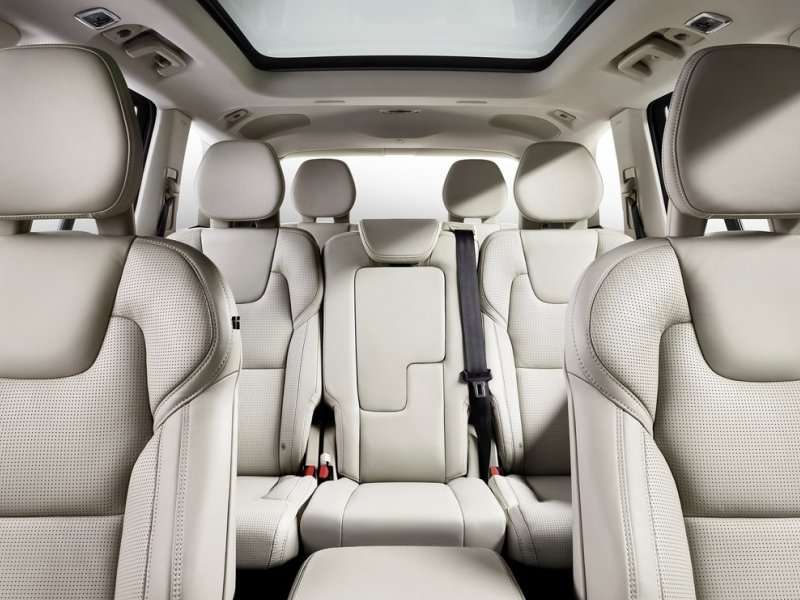
Premium three‑row SUVs have become the default family hauler for buyers who refuse to compromise on comfort, technology, or prestige. In 2026 the segment offers a wider powertrain palette — turbo‑charged V6s, efficient hybrids, and a growing roster of all‑electric models — while interior appointments rival dedicated luxury sedans. Understanding the trade‑offs among space, capability, and running costs is essential before you sign. For a quick primer on what defines an SUV, see SUV basics explained.

The Lincoln Navigator sets the benchmark for full‑size luxury SUVs.
Why Premium Three‑Row SUVs Matter in 2026
Today’s buyers expect a vehicle that can shuttle seven adults, swallow a weekend’s gear, and still deliver a serene highway cruise. Manufacturers have responded with adaptive air suspension, active noise cancellation, and semi‑autonomous driving suites that were unimaginable a few years ago. The segment’s growth also reflects a shift toward electrification; several brands now offer plug‑in hybrid or battery‑electric versions that qualify for federal incentives. Knowing the evolution of the SUV helps contextualize why today’s models blend utility with opulence.
Selection Criteria: How We Narrowed the Field
Our shortlist focuses on four measurable pillars: third‑row accessibility, cargo volume behind the third row, advanced driver‑assist coverage, and total cost of ownership over five years. We also weigh real‑world reliability data from owner surveys and dealer service records. The methodology mirrors how we assess SUV practicality and is updated annually to reflect new model releases.
Top Contenders for 2026
| Model | Starting MSRP* | Powertrain Options | Third‑Row Legroom (in) | Cargo Behind 3rd Row (cu ft) |
|---|---|---|---|---|
| Cadillac Escalade | Mid‑$80k | 6.2 L V8, 3.0 L turbodiesel, E‑Hybrid | 34.9 | 25.5 |
| Lincoln Navigator | Mid‑$80k | 3.5 L twin‑turbo V6, 3.5 L hybrid | 36.1 | 27.7 |
| BMW X7 | Low‑$80k | 3.0 L I6, 4.4 L V8, PHEV | 33.3 | 22.9 |
| Mercedes‑Benz GLS | Mid‑$80k | 3.0 L I6, 4.0 L V8, 48‑V mild hybrid | 34.6 | 24.0 |
| Lexus LX 600 | High‑$80k | 3.5 L twin‑turbo V6, hybrid | 33.0 | 23.5 |
| Rivian R1S (electric) | Mid‑$70k | Dual‑/Quad‑motor AWD | 34.0 | 27.0 |
*Figures reflect 2026 model‑year base trims; destination and options extra.
For a deeper dive into each model’s feature set, explore our latest luxury SUV roundup and compare luxury SUV specs.

Lexus GX blends off‑road cred with upscale cabin appointments.
Powertrain Landscape: Gas, Hybrid, and Electric
Traditional V6 and V8 engines still dominate the upper tier, delivering effortless torque for towing up to 9,000 lb. However, 48‑volt mild‑hybrid systems now appear on most German entries, smoothing stop‑start transitions and shaving 1–2 mpg off combined figures. Full hybrids — such as the Toyota Highlander Hybrid — provide electric‑only low‑speed driving and can cut fuel bills by 20 % in urban cycles; see Toyota Highlander hybrid details. Meanwhile, dedicated EVs like the Rivian R1S and upcoming Cadillac Escalade IQ promise zero‑emission motoring with 300‑plus‑mile ranges, though charging infrastructure remains a practical consideration for long‑distance families.
Third‑Row Access, Space, and Comfort
Entry to the rearmost seats is a frequent pain point. Power‑folding second‑row captain’s chairs with a “walk‑in” switch reduce the effort to a single button press — a feature standard on the Navigator and optional on the X7. Legroom figures above 33 in are now common, but headroom can shrink under panoramic roofs; verify clearance if you regularly carry taller teens. Heated and ventilated third‑row seats, once exclusive to the Escalade, are migrating downmarket, adding genuine comfort for multi‑hour trips.
Cargo Capacity Behind the Third Row
A true three‑row hauler must swallow luggage without folding seats. The segment average hovers around 24 cu ft; the Navigator leads with nearly 28 cu ft thanks to a low load floor. If you routinely transport strollers, golf bags, or bulk grocery runs, prioritize models with a power‑folding third row that drops flat at the push of a button. A common mistake is overlooking the cargo‑area height — some sloping rooflines limit vertical stacking even when volume looks adequate.
Infotainment, Connectivity, and Driver‑Assist Tech
All contenders now ship with 12‑inch‑plus touchscreens, wireless Apple CarPlay/Android Auto, and over‑the‑air update capability. The Mercedes MBUX system adds a “Hey Mercedes” voice assistant that controls climate, navigation, and even seat massage programs. Driver‑assist suites have converged on adaptive cruise with stop‑and‑go, lane‑centering, and automated lane changes on approved highways. However, hands‑free operation is still limited to specific geofenced corridors; verify coverage maps for your regular routes.
Safety Ratings and Real‑World Reliability
Every model listed earns a Top Safety Pick+ from IIHS and a five‑star overall rating from NHTSA safety ratings. Standard equipment includes automatic emergency braking with pedestrian detection, blind‑spot monitoring with rear cross‑traffic alert, and rear‑seat reminder alerts. Long‑term reliability data from Consumer Reports shows the Lexus LX and Cadillac Escalade trending above average, while early‑generation EV platforms are still building a track record. Factor in warranty length — most brands offer 4 yr/50,000 mi basic and 6 yr/70,000 mi powertrain coverage.
Ownership Costs: Depreciation, Insurance, Maintenance
Luxury SUVs typically lose 45‑55 % of value in the first three years, but strong residual values for the Navigator and GLS soften the blow. Insurance premiums run $2,200‑$3,000 annually for a clean‑record driver; bundling with home policies can shave 10 %. Maintenance plans covering the first 5 years/60,000 mi are available from most dealers and often pay for themselves if you keep the vehicle past the warranty window. For fuel‑cost projections, consult the EPA fuel‑economy data specific to your chosen powertrain.
Buying Tips and Negotiation Strategies
- Time your purchase — year‑end clearance and model‑year changeovers (typically August–October) yield the deepest incentives.
- Leverage competing quotes — obtain written offers from at least three franchised dealers; use them to negotiate a lower capitalized cost on a lease or a higher trade‑in allowance.
- Inspect the certified pre‑owned (CPO) channel — a 2‑year‑old CPO Escalade or X7 can deliver 90 % of the new‑car experience at a 20‑30 % discount, complete with extended warranty.
- Confirm equipment codes — options like rear‑seat entertainment or massaging seats are often bundled; verify the exact build sheet before signing.
For a broader view of the current market, review top three‑row picks for 2025.
Comparison Table
| Model | Powertrain Choices | 0‑60 mph (sec) | Tow Max (lb) | Key Safety Tech | Starting Price Band |
|---|---|---|---|---|---|
| Cadillac Escalade | V8, Diesel, PHEV | 5.9 (V8) | 8,200 | Super Cruise, Night Vision | Mid‑$80k |
| Lincoln Navigator | Twin‑Turbo V6, Hybrid | 5.8 (V6) | 8,700 | BlueCruise, 360‑Cam | Mid‑$80k |
| BMW X7 | I6, V8, PHEV | 5.2 (V8) | 7,500 | Driving Assist Pro | Low‑$80k |
| Mercedes‑Benz GLS | I6, V8, Mild‑Hybrid | 5.6 (V8) | 7,700 | Drive Pilot (L3) | Mid‑$80k |
| Lexus LX 600 | Twin‑Turbo V6, Hybrid | 6.0 (V6) | 8,000 | Safety System+ 3.0 | High‑$80k |
| Rivian R1S | Dual/Quad Motor | 3.0 (Quad) | 7,700 | Driver+ (hands‑free) | Mid‑$70k |
Performance figures are manufacturer estimates for 2026 trims; real‑world numbers vary with load and conditions.
For a head‑to‑head breakdown of two German flagships, see Audi Q7 vs BMW X7.
Owner Impressions and Expert Reviews
Drivers consistently praise the Navigator’s whisper‑quiet cabin and the X7’s surprisingly agile handling for a 5,500‑lb vehicle. Escalade owners highlight the available Super Cruise as a game‑changer on interstate slogs, while Rivian adopters love the instant torque and frunk utility. Critics note that third‑row climate controls remain a weak spot on several models — often limited to fan speed only.
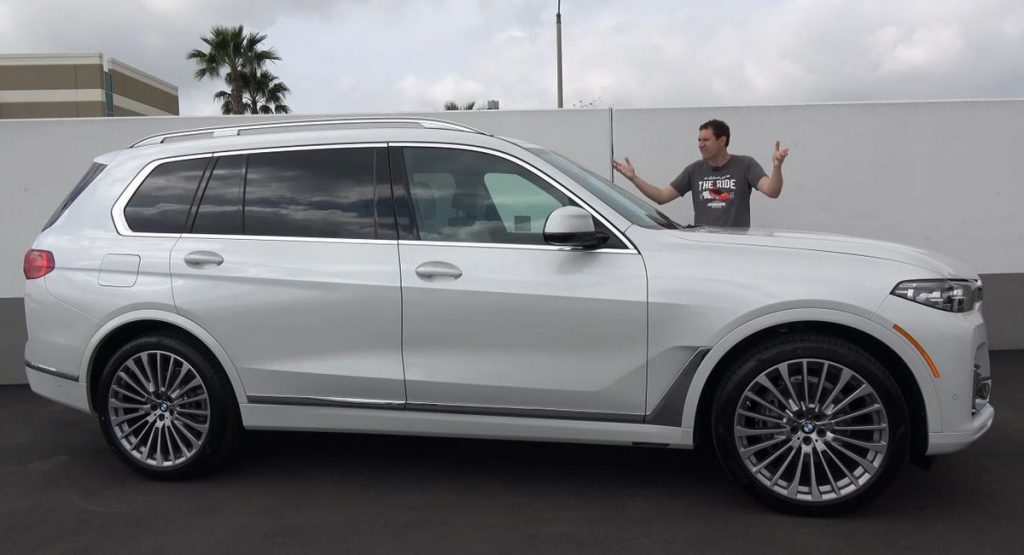
BMW X7 delivers sporty dynamics in a three‑row package.
Frequently Asked Questions
Which premium three‑row SUV offers the most third‑row legroom?
The Lincoln Navigator leads with 36.1 in, followed closely by the Cadillac Escalade at 34.9 in.
Are there any all‑electric premium three‑row options for 2026?
Yes — the Rivian R1S, Cadillac Escalade IQ, and upcoming Mercedes‑EQS SUV all provide three rows on a dedicated EV platform.
How does a plug‑in hybrid affect towing capacity?
Most PHEV variants retain 90‑95 % of the gas‑only tow rating, but verify the specific model’s spec sheet; battery weight can reduce payload.
What is the typical warranty on a luxury three‑row SUV?
Four‑year/50,000‑mile basic and six‑year/70,000‑mile powertrain warranties are standard; some brands extend corrosion coverage to 12 years.
Should I lease or finance a premium SUV?
Leasing shields you from steep depreciation and lets you rotate into newer tech every 36 months; financing makes sense if you plan to keep the vehicle beyond the warranty period.
Conclusion
Choosing the right premium three‑row SUV means balancing passenger comfort, cargo flexibility, powertrain preference, and total ownership cost. The 2026 lineup delivers more electrified choices and smarter driver‑assist features than ever before, but the fundamentals — easy third‑row access, usable cargo space, and proven reliability — remain the decisive factors. Test‑drive at least three contenders back‑to‑back, compare real‑world fuel or electricity costs, and negotiate with multiple dealers to secure the best value. Ready to narrow the field? Start with our detailed comparison tool and schedule test drives this weekend.