
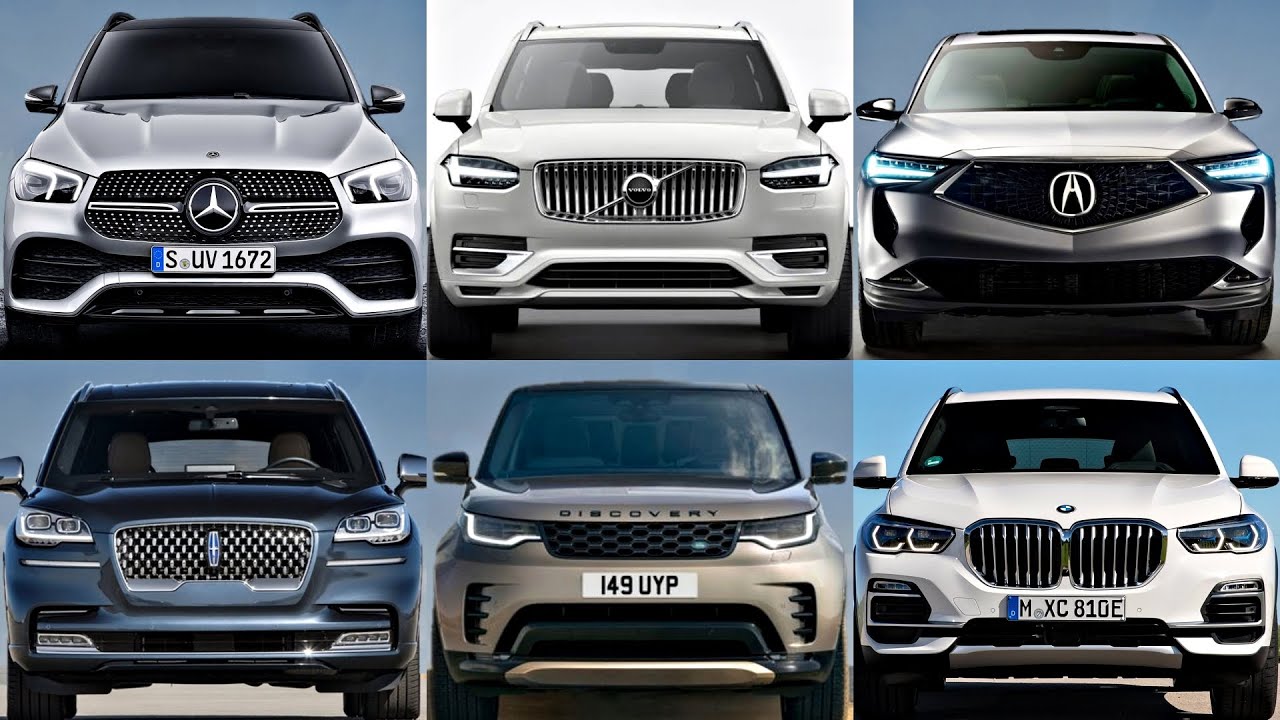
Three‑row premium SUVs remain the go‑to choice for families who refuse to compromise on space, refinement, or technology. In 2026 the segment has matured: every major luxury brand now offers a model that blends genuine third‑row room with high‑end materials, advanced driver‑assist suites, and powertrains that balance performance with respectable efficiency. Understanding the core strengths of each contender — and how they match your daily routine — makes the buying decision far less daunting. If you’re new to the segment, start by understanding SUV basics to frame the conversation.
 2021 Lincoln Navigator shown for reference
Why Choose a Three‑Row Premium SUV?
A premium three‑row delivers more than extra seats. You gain a quiet cabin trimmed in leather, open‑pore wood, or sustainably sourced textiles; a suspension tuned for composure on highways and broken city streets; and a tech stack that includes over‑the‑air updates, wireless smartphone mirroring, and multi‑zone climate control. The SUV heritage timeline shows how these vehicles evolved from utilitarian haulers to status‑defining family flagships. In practice, the real‑world payoff shows up on long road trips — kids stay entertained, adults stay relaxed, and cargo still fits behind the third row. You can also read our guide on invention of suv.
Key Buying Criteria for 2026
When cross‑shopping, weigh these five factors first:
- Third‑row accessibility & adult‑size space – sliding second‑row seats and low step‑in heights matter.
- Powertrain lineup – turbo‑charged V6, plug‑in hybrid, or full EV; each changes towing, range, and fuel cost.
- Safety suite depth – standard automatic emergency braking, adaptive cruise, and hands‑free highway assist.
- Infotainment responsiveness – screen size, software latency, and integration with your phone ecosystem.
- Total cost of ownership – depreciation, maintenance intervals, and insurance premiums.
A concise SUV buying criteria guide can help you score each model against your priorities.
Top 5 Premium Three‑Row SUVs for 2026
| Model | Starting MSRP* | Powertrain Options | Third‑Row Legroom (in) | Max Towing (lb) | Notable Standard Tech |
|---|---|---|---|---|---|
| Lincoln Navigator | $84,000 | 3.5 L twin‑turbo V6, 48‑V mild‑hybrid | 36.5 | 8,700 | 13.2″ touchscreen, Revel Ultima audio |
| Lexus LX 600 | $92,000 | 3.5 L twin‑turbo V6, 10‑speed auto | 34.8 | 8,000 | 12.3″ touch, Mark Levinson 25‑speaker |
| BMW X7 | $78,000 | 3.0 L I6 mild‑hybrid, 4.4 L V8 | 33.9 | 7,500 | iDrive 8, gesture control, Bowers & Wilkins |
| Mercedes‑Benz GLS | $81,000 | 3.0 L I6 mild‑hybrid, 4.0 L V8 | 34.2 | 7,700 | MBUX dual‑screen, Burmester 4D |
| Cadillac Escalade | $85,000 | 6.2 L V8, 3.0 L turbodiesel, 48‑V hybrid | 34.9 | 8,300 | 38″ OLED dash, AKG Studio Reference |
*MSRP excludes destination, options, and dealer fees. Prices reflect 2026 model‑year launches.
Quick take: The Navigator still leads on outright space and towing; the LX 600 adds off‑road credibility; the X7 sharpens driving dynamics; the GLS balances tech opulence; the Escalade makes a visual statement with its massive OLED dashboard.
Powertrain & Efficiency Overview
Turbocharged six‑cylinders dominate, but electrification is spreading fast. Lincoln’s 48‑V system smooths stop‑start and adds ~15 hp during acceleration. Lexus and Mercedes pair their V6s with 48‑V mild hybrids for similar gains. BMW’s inline‑six remains the benchmark for refinement, while the Escalade’s optional turbodiesel delivers 27 mpg combined — rare for a full‑size luxury hauler. For the latest EPA fuel‑economy data, consult the EPA fuel‑economy data portal before finalizing a powertrain choice. You can also read our guide on top luxury suvs of.
Advanced Safety & Driver‑Assist Features
Every model now ships with a comprehensive suite: forward‑collision warning, automatic emergency braking with pedestrian detection, lane‑centering assist, and blind‑spot monitoring with rear cross‑traffic alert. Hands‑free highway driving (Level 2+) is standard on the Navigator, GLS, and Escalade; BMW and Lexus offer it as an option. Independent crash‑test scores from the NHTSA safety ratings consistently place all five in the five‑star overall category, but dig into the sub‑category results — especially rear‑occupant protection — when third‑row safety is a priority.
Infotainment, Connectivity & Comfort Tech
Screen real estate has exploded. The Escalade’s 38″ curved OLED spans the instrument cluster and central display, while Lincoln and Mercedes use dual 12.3″ panels. All support wireless Apple CarPlay/Android Auto, 5G hotspot capability, and over‑the‑air updates. Rear‑seat entertainment systems with dual 12.6″ screens are standard on the Navigator and optional elsewhere. Ambient lighting with 64‑color palettes, massaging front seats, and four‑zone climate control round out the comfort package. You can also read our guide on exclusive first look the new range rover.
 Typical premium three‑row cabin layout
Interior Space, Seating Configurations & Materials
Second‑row captain’s chairs (standard on Navigator, GLS, Escalade) improve third‑row access and add a “lounge” feel; bench seats remain on the X7 and LX 600 for maximum occupancy (up to eight). Materials range from semi‑aniline leather (Lexus, Mercedes) to full‑grain “Bridge of Weir” hides (Lincoln) and sustainable eucalyptus‑based textiles (BMW). Cargo behind the third row varies from 17 cu ft (X7) to 22 cu ft (Navigator) — enough for a couple of carry‑ons or a folded stroller.
 2024 Lexus GX front fascia
Pricing, Value & Ownership Costs
Base prices cluster between $78 k and $92 k, but option packages can push any model past $110 k. Depreciation averages 45‑50 % over three years for the segment, though the Navigator and Escalade historically retain slightly more due to brand loyalty. Maintenance plans (typically 4 yr/50 k mi) are included on Lincoln, Cadillac, and Mercedes; BMW and Lexus offer prepaid packages. Insurance premiums run 15‑20 % higher than comparable non‑luxury three‑rows — factor this into total cost of ownership.
Buying Checklist & Next Steps
- Define non‑negotiables (third‑row adult space, towing, EV/PHEV availability).
- Shortlist three models using the comparison table above.
- Schedule back‑to‑back test drives on the same day — bring child seats and a typical cargo load.
- Request a full cost‑of‑ownership worksheet from each dealer (depreciation, fuel, insurance, maintenance).
- Negotiate on the out‑the‑door price, not just MSRP.
Ready to experience the difference? Book a test drive at your local dealer this week and feel the third‑row comfort firsthand.
Frequently Asked Questions
What are the benefits of a three‑row premium SUV?
Ample passenger and cargo volume, high‑grade materials, advanced safety tech, and a composed ride make them ideal for families who travel long distances or shuttle multiple passengers daily.
Which brands offer premium three‑row SUVs in 2026?
Lincoln, Lexus, BMW, Mercedes‑Benz, and Cadillac lead the segment. Emerging entries from Audi (Q9) and Genesis (GV90) are expected later this year.
How do I choose the best three‑row SUV for my family?
Match your must‑have criteria — third‑row legroom, towing, powertrain type, tech ecosystem — against the comparison table, then test‑drive the top two contenders.
What are the top features that differentiate premium three‑rows?
Standard hands‑free highway assist, massaging seats, multi‑zone climate, premium audio (Revel, Burmester, Mark Levinson, AKG, Bowers & Wilkins), and large OLED/dual‑screen infotainment.
Conclusion
The 2026 premium three‑row SUV field is tighter than ever — each contender delivers genuine luxury, credible utility, and a safety net that protects every occupant. Your ideal match hinges on which blend of space, performance, technology, and brand character aligns with daily life. Use the checklist, compare the numbers, and get behind the wheel. The right SUV turns every commute and cross‑country adventure into a first‑class experience.