
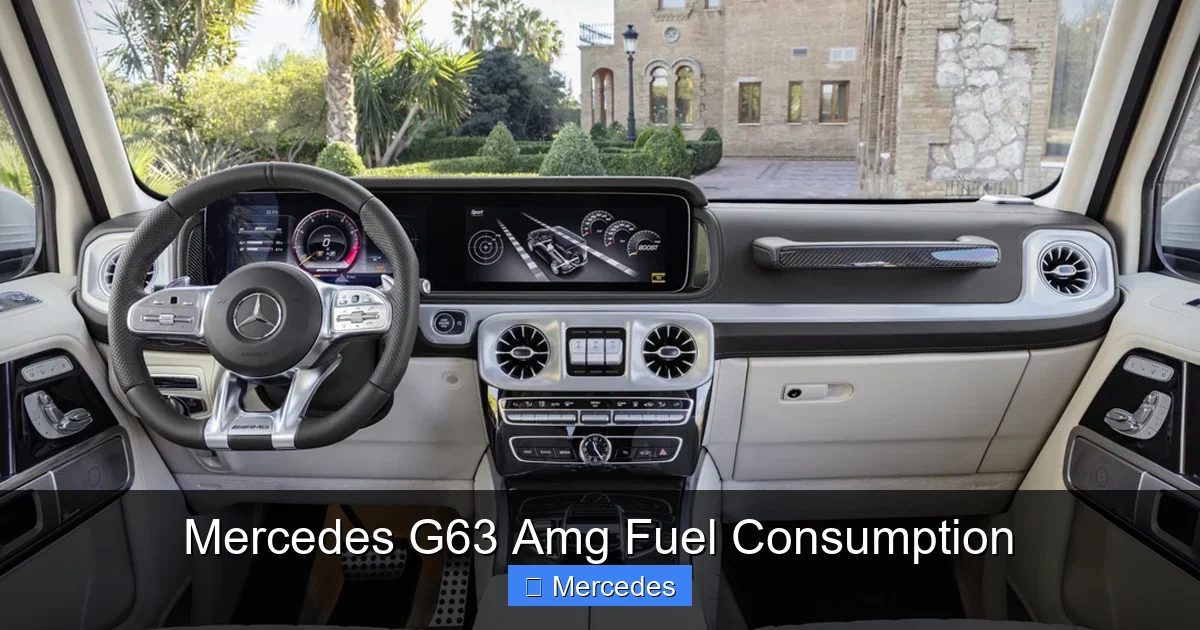
The Mercedes G63 AMG delivers unmatched luxury and performance, but its fuel consumption reflects its powerful V8 engine. While official estimates suggest around 15–20 mpg combined, real-world usage can vary widely depending on driving style and conditions. With proper maintenance and smart habits, you can optimize your G63’s efficiency without sacrificing power.
Key Takeaways
- Average Fuel Economy: The Mercedes G63 AMG typically achieves 12–16 mpg in city driving and 14–18 mpg on highways under normal conditions.
- Real-World vs. Official Figures: EPA ratings are idealized; actual consumption often exceeds expectations due to aggressive driving or off-road use.
- Engine Impact: The 4.0L twin-turbo V8 engine contributes significantly to high fuel burn, especially during acceleration or towing.
- Driving Style Matters: Smooth, steady driving improves fuel efficiency by up to 20% compared to frequent hard braking and rapid acceleration.
- Tire Pressure & Maintenance: Properly inflated tires and regular oil changes reduce drag and improve overall fuel economy.
- Optional Features: Off-road packages and heavy-duty suspension increase weight and rolling resistance, lowering mpg.
- Fuel Type Recommendation: Using premium unleaded gasoline is essential for optimal performance and engine longevity.
Quick Answers to Common Questions
What is the average fuel consumption of a Mercedes G63 AMG?
The Mercedes G63 AMG averages around 12–16 mpg depending on driving conditions, with EPA estimates of 12 mpg city and 16 mpg highway.
Does driving style affect G63 AMG fuel economy?
Yes, aggressive acceleration, hard braking, and speeding reduce fuel efficiency by up to 20–30%. Smooth, steady driving improves mpg significantly.
Can I improve my G63’s fuel efficiency?
Absolutely. Tips include maintaining proper tire pressure, reducing excess weight, using cruise control, and practicing eco-driving habits.
Is it worth buying a G63 AMG for fuel economy?
No—the G63 prioritizes performance and luxury over efficiency. It’s ideal for enthusiasts who value power and prestige, not fuel savings.
How much does fuel cost per year for a G63 AMG?
At 14 mpg and 15,000 miles driven annually, fuel costs approximately $4,284 per year based on $4/gallon gas.
📑 Table of Contents
- The Mercedes G63 AMG: Power Meets Prestige
- Official Fuel Economy Ratings Explained
- Factors Influencing Real-World Fuel Consumption
- Tips to Improve Mercedes G63 AMG Fuel Efficiency
- Long-Term Costs: Fuel Expense Over Time
- Environmental Impact of High Fuel Consumption
- Future Outlook: Will EVs Replace the G63?
The Mercedes G63 AMG: Power Meets Prestige
Few vehicles command attention like the Mercedes G63 AMG. Known as the “G-Wagen,” this legendary SUV combines rugged off-road capability with luxury sedan comfort. From its iconic boxy silhouette to its thunderous V8 engine, the G63 is built for both adventure and elegance. But beneath that imposing exterior lies a machine that demands attention—especially when it comes to fuel consumption.
With a reputation for raw power and commanding presence, the G63 AMG isn’t designed for frugality. Yet, understanding its fuel usage isn’t just about saving money—it’s about making smarter choices on every drive. Whether you’re navigating city streets or conquering mountain trails, knowing how much fuel your G63 consumes helps you plan trips, manage budgets, and reduce environmental impact.
In this article, we’ll break down everything you need to know about Mercedes G63 AMG fuel consumption, from official ratings to real-world experiences. You’ll learn how driving habits, vehicle setup, and even weather affect efficiency. Plus, we’ll share practical tips to help you get more miles per gallon without compromising performance.
Official Fuel Economy Ratings Explained
Visual guide about Mercedes G63 Amg Fuel Consumption
Image source: img-s-msn-com.akamaized.net
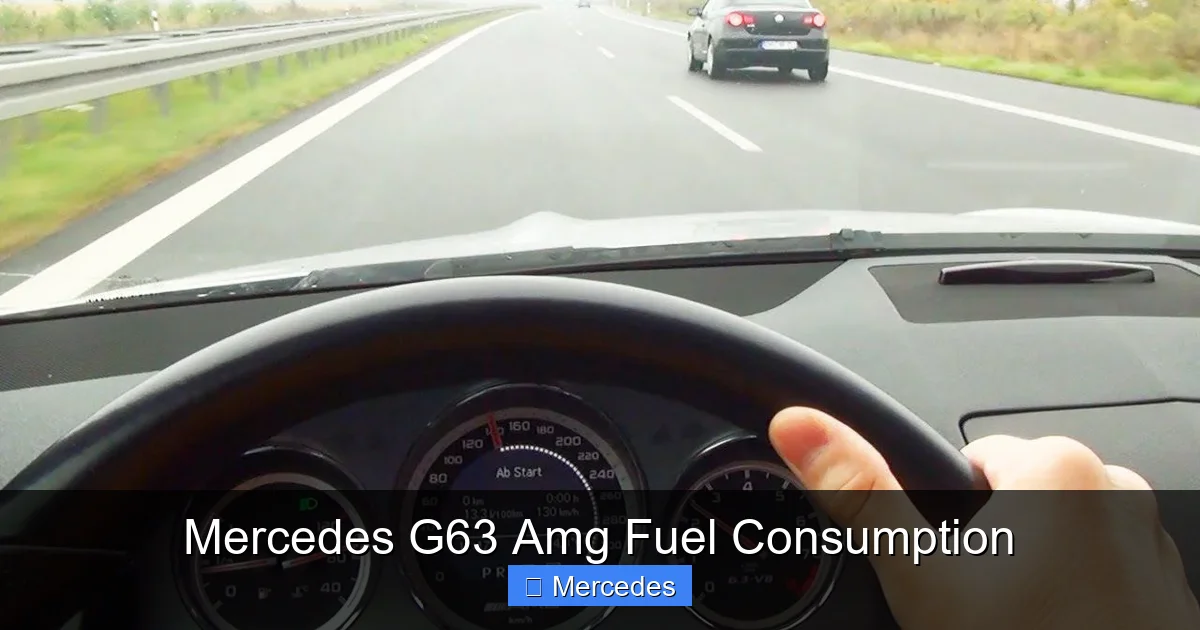
When shopping for any vehicle, one of the first things buyers check is fuel economy. For the Mercedes G63 AMG, the Environmental Protection Agency (EPA) provides standardized figures to give consumers an idea of expected performance. These numbers aren’t just pulled from thin air—they’re tested in controlled environments using specific driving cycles.
According to recent EPA data, the Mercedes G63 AMG achieves approximately 12 mpg in city driving and 16 mpg on the highway, resulting in a combined rating of around 13–14 mpg. That’s impressive for a vehicle weighing nearly three tons, but still places it among the less efficient luxury SUVs on the market.
It’s important to note that these numbers reflect ideal conditions: steady speeds, gentle acceleration, minimal use of accessories like air conditioning, and level terrain. In everyday life, achieving these results is rare—unless you’re a professional race car driver practicing eco-driving techniques!
How EPA Testing Works
The EPA uses two primary test cycles to evaluate fuel economy:
– City Cycle: Simulates urban driving with frequent stops, idling, and low-speed acceleration.
– Highway Cycle: Mimics highway cruising at steady speeds with minimal interruptions.
Each cycle runs for a set distance (about 19.6 miles total), and fuel consumption is measured precisely. However, real-world driving includes variables like traffic, hills, weather, and personal preferences—all of which can push actual mpg well below official estimates.
For example, if you live in a hilly area or frequently drive in stop-and-go traffic, expect your G63 to consume more fuel than the EPA average. Similarly, using heated seats, running the AC, or blasting music through high-powered speakers all draw extra energy from the battery and engine, indirectly increasing fuel use.
Comparison With Other Luxury SUVs
To put the G63’s fuel consumption into perspective, consider how it stacks up against rivals:
| Vehicle Model | City MPG | Highway MPG | Combined MPG |
|————————–|———-|————-|————–|
| Mercedes G63 AMG | 12 | 16 | ~13–14 |
| BMW X5 M | 14 | 19 | ~16 |
| Audi RS Q8 | 13 | 18 | ~15 |
| Porsche Cayenne Turbo GT | 12 | 17 | ~14 |
As shown above, the G63 sits near the bottom of the luxury SUV efficiency ladder. Its closest competitor, the BMW X5 M, offers better fuel economy thanks to more advanced hybrid assist systems and lighter construction. Still, few vehicles match the G63’s blend of power, heritage, and off-road prowess.
Factors Influencing Real-World Fuel Consumption
Visual guide about Mercedes G63 Amg Fuel Consumption
Image source: cdn.hiconsumption.com
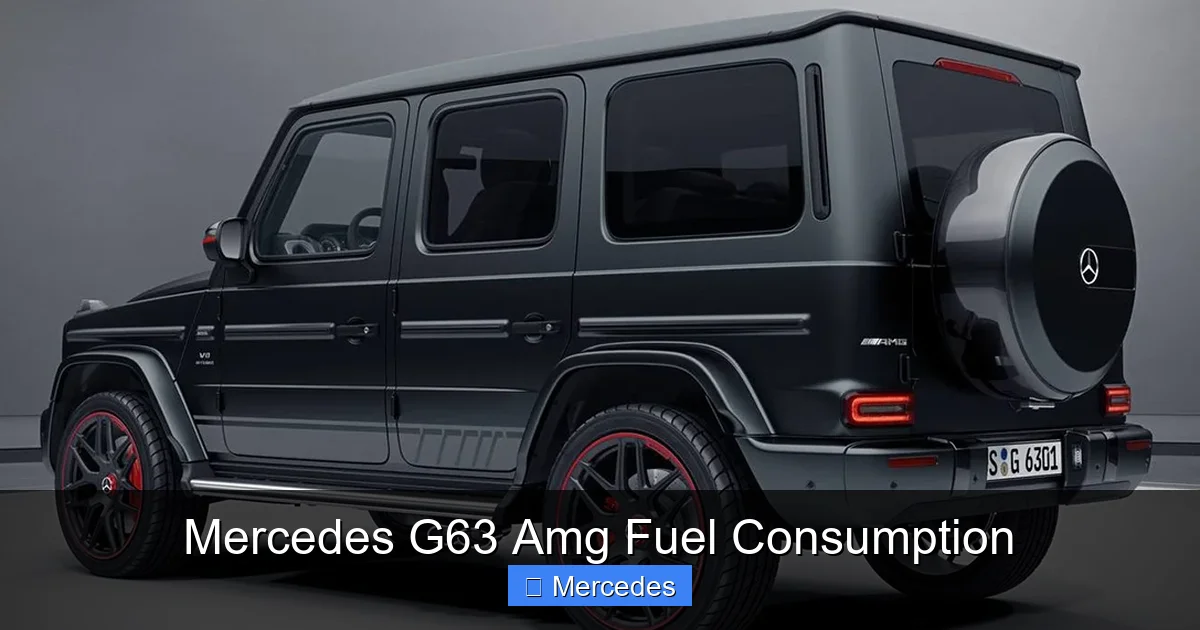
While official ratings offer a baseline, real-world fuel consumption depends heavily on several factors. Understanding these variables helps drivers anticipate how much gas their G63 will actually burn—and how they can adjust accordingly.
Driving Style and Habits
One of the biggest influences on fuel efficiency is how you drive. Aggressive behaviors like rapid acceleration, hard braking, and high-speed cornering force the engine to work harder, burning more fuel in the process.
Studies show that smooth, anticipatory driving can improve fuel economy by up to 20–30%. By easing off the throttle early and maintaining consistent speed, you allow the turbocharged engine to operate within its most efficient range.
Additionally, idling wastes fuel unnecessarily. If you’re stopped for more than 30 seconds (except in traffic), turn off the engine. Modern engines restart quickly and quietly thanks to start-stop technology found in many G63 models.
Terrain and Road Conditions
Flat, paved roads favor fuel efficiency. But if you enjoy weekend off-roading or drive in mountainous regions, expect higher consumption. Climbing steep grades forces the engine into lower gears, increasing RPM and fuel burn. Descending long hills may require regenerative braking (if equipped), but that only partially offsets the energy lost going uphill.
Similarly, gravel, sand, or mud surfaces create rolling resistance that drains power. Even light snow or rain increases aerodynamic drag slightly, reducing mpg.
Vehicle Weight and Load
The G63 AMG weighs over 5,500 pounds—more than double the curb weight of compact sedans. Every additional pound added to the load increases fuel consumption. Carrying heavy cargo, roof racks, or towing trailers dramatically impacts efficiency.
For instance, towing a boat or camper can reduce mpg by 30–50%. Roof-mounted gear adds drag, lowering top-end speed and increasing engine strain. If possible, remove unnecessary items before long trips.
Climate and Weather
Extreme temperatures affect fuel economy in two ways: heating and cooling demand, and reduced engine efficiency.
In cold weather, the engine takes longer to reach operating temperature, increasing fuel use during warm-up. Electric defoggers, seat heaters, and cabin warming also consume extra power. Conversely, hot climates mean constant use of air conditioning, which can lower mpg by 5–10%.
Humidity and wind direction play minor roles too. Headwinds increase aerodynamic drag, forcing the engine to compensate with more fuel injection.
Accessory Usage
Modern vehicles come packed with electronics—and each one draws power. Running the audio system at high volume, keeping headlights on full brightness, or using ambient lighting all contribute to increased electrical load. While not directly tied to combustion, these accessories rely on the alternator, which siphons energy from the engine.
Similarly, infotainment screens, navigation systems, and rear-seat entertainment units add standby drain. When parked, minimize accessory use or switch to eco mode if available.
Tips to Improve Mercedes G63 AMG Fuel Efficiency
Even though the G63 AMG isn’t built for economy, there are steps you can take to stretch your fuel budget and extend range between fill-ups. Small changes add up over time, especially during daily commutes or long road trips.
Practice Eco-Driving Techniques
Eco-driving focuses on smoothness, consistency, and anticipation. Here’s how to apply it to your G63:
– Accelerate gently from stops.
– Maintain steady speeds whenever possible.
– Use cruise control on highways to avoid speed fluctuations.
– Coast to red lights instead of braking hard.
– Shift into higher gears early (when safe).
These habits reduce stress on the transmission and engine, allowing them to operate closer to peak efficiency.
Maintain Optimal Tire Pressure
Underinflated tires increase rolling resistance, forcing the engine to work harder. Check tire pressure monthly using a reliable gauge—not the convenience store pump, which often overinflates.
The recommended PSI is usually listed on a sticker inside the driver’s door jamb or in the owner’s manual. Proper inflation improves handling, extends tire life, and boosts mpg by up to 3%.
Regular Maintenance Is Key
A well-maintained engine runs efficiently. Replace air filters, spark plugs, and fuel injectors as recommended. Use high-quality synthetic oil to reduce internal friction. Dirty components or worn parts cause the engine to consume more fuel to produce the same output.
Also, ensure the oxygen sensors and catalytic converter are functioning properly. Faulty emissions equipment triggers the engine computer to enrich the air-fuel mixture, wasting fuel.
Limit Idle Time
Idling burns fuel without moving the vehicle. Unless legally required (e.g., in traffic), shut off the engine after 30 seconds. Modern G63s have automatic start-stop systems that handle this seamlessly.
If you’re waiting for someone or sitting in line, turn off the ignition. You’ll save gallons of fuel annually—and reduce emissions.
Plan Routes Wisely
Route planning doesn’t just save time—it saves fuel. Avoid congested areas when possible, and choose smoother roads over bumpy alternatives. Apps like Google Maps or Waze provide real-time traffic updates and suggest faster, less stressful paths.
On cross-country trips, map out fuel stations in advance. Running on low fuel stresses the engine and reduces efficiency.
Reduce Excess Weight
Clear out unnecessary items from the trunk or back seat. A loaded-down G63 accelerates slower and consumes more fuel. Remove roof racks when not in use, and stow luggage securely to prevent wind noise and drag.
Remember: every pound counts. Lose 100 pounds of cargo, and you might gain half a mile per gallon.
Use Premium Fuel Wisensely
The G63 AMG requires premium unleaded gasoline (at least 91 octane) to prevent knocking and maintain performance. While cheaper fuels may seem tempting, they can damage the high-pressure direct injection system over time.
Stick to top-tier brands like Shell V-Power or Chevron Ultra. They contain detergents that keep fuel injectors clean, improving combustion efficiency.
Long-Term Costs: Fuel Expense Over Time
Owning a high-performance vehicle like the G63 AMG comes with financial considerations beyond the initial purchase price. Fuel expenses accumulate quickly, especially given its modest fuel economy.
Assume an average annual mileage of 15,000 miles and current gas prices at $4.00 per gallon. At 14 mpg, your G63 would consume roughly 1,071 gallons per year, costing about $4,284 annually in fuel alone.
Over five years, that adds up to over $21,000—more than the original MSRP of some base-model sedans! Of course, this assumes consistent driving patterns and no major route changes. But it highlights why fuel consumption matters, even for enthusiasts who prioritize performance.
To offset these costs, consider combining errands into single trips, carpooling, or using public transit occasionally. Even small adjustments can yield meaningful savings.
Environmental Impact of High Fuel Consumption
Beyond wallet concerns, fuel consumption has broader implications. Burning gasoline releases carbon dioxide (CO₂), a greenhouse gas linked to climate change. The average passenger vehicle emits about 4.6 metric tons of CO₂ per year—and the G63 AMG produces significantly more due to its larger size and engine output.
By adopting fuel-efficient practices, you reduce your carbon footprint. Simple actions like avoiding rapid acceleration, maintaining proper tire pressure, and minimizing idle time can cut emissions by 10–15%.
Moreover, supporting cleaner transportation alternatives—like hybrids or electric vehicles—can further lessen environmental harm. While the G63 AMG remains a combustion-powered icon, responsible ownership means balancing passion with planet-conscious choices.
Future Outlook: Will EVs Replace the G63?
As electric mobility advances, questions arise about the future of high-performance SUVs like the G63. Mercedes already offers the EQG concept—an all-electric version of the classic G-Wagen—but it won’t hit markets soon.
Until then, internal combustion engines remain dominant in the ultra-luxury segment. However, manufacturers are investing heavily in hybrid tech. Future iterations of the G63 may feature mild-hybrid systems or plug-in capabilities, improving efficiency without sacrificing torque.
For now, though, the traditional G63 AMG relies on brute-force engineering. Embracing its strengths while mitigating weaknesses—including fuel consumption—is the best way forward.
Frequently Asked Questions
How does the Mercedes G63 AMG compare to other luxury SUVs in fuel efficiency?
The G63 AMG ranks among the least fuel-efficient luxury SUVs, with a combined mpg of around 13–14, trailing rivals like the BMW X5 M (16 mpg combined).
Can I use regular gas in my G63 AMG?
No—using regular gasoline voids warranties and risks engine damage. Always use premium unleaded fuel (91 octane or higher) as specified in the owner’s manual.
Why is my G63 AMG consuming more fuel than advertised?
Real-world factors like traffic, hills, weather, and driving habits cause higher consumption. Official EPA numbers assume ideal conditions rarely met in daily use.
Does towing affect G63 AMG fuel economy?
Yes—towing reduces mpg by 30–50% due to added weight and engine strain. Plan routes carefully and monitor fuel levels closely when hauling.
Are there any modifications to improve G63 AMG fuel efficiency?
Aftermarket tuning usually reduces efficiency further. Instead, focus on maintenance, driving habits, and removing unnecessary weight for best results.
Will future G63 models be more fuel-efficient?
Upcoming hybrid or electric versions (like the rumored EQG) may offer better efficiency, but the current generation remains focused on performance over economy.