
[FEATURED_IMAGE_PLACEOLDER]
Winter driving in an SUV comes with unique challenges—snow, slush, salt, mud, and freezing temperatures can wreak havoc on your vehicle’s interior. One of the most effective ways to protect your investment is by installing high-quality winter floor mats. Unlike standard all-season mats, winter-specific floor mats are engineered to handle the harshest conditions, offering superior coverage, durability, and ease of cleaning. Whether you’re navigating icy mountain roads or city streets buried under snowplow debris, the right floor mats can make a significant difference in preserving your SUV’s resale value and interior comfort.
This comprehensive buying guide is designed to help you navigate the crowded market of SUV winter floor mats with confidence. We’ll walk you through everything you need to know—from material types and fitment precision to price ranges and brand reliability. You’ll learn how to evaluate key performance factors, avoid common purchasing pitfalls, and ultimately choose the best mats for your specific needs and budget. Whether you drive a compact crossover like a Honda CR-V or a full-size SUV like a Chevrolet Tahoe, this guide ensures you’re equipped with expert-level insights to make an informed decision.
The market for winter floor mats has evolved dramatically over the past decade. What once consisted of basic rubber mats has now expanded into a sophisticated ecosystem of custom-fit, multi-layered, and even smart-integrated solutions. Brands like WeatherTech, Husky Liners, and Maxliner have raised the bar with laser-measured precision, advanced channeling systems, and eco-friendly materials. At the same time, budget-friendly alternatives from AmazonBasics and Armor All offer decent protection for casual winter drivers. With so many options available, it’s easy to feel overwhelmed—but this guide cuts through the noise to deliver clarity, practicality, and actionable advice.

What to Look for When Buying Buying Guide
1. Material Composition
The material of your winter floor mats is arguably the most critical factor in determining their effectiveness and longevity. The three primary materials used in high-quality winter mats are thermoplastic elastomer (TPE), heavy-duty rubber, and vinyl. TPE is the gold standard—it’s flexible yet durable, resistant to cracking in extreme cold, and free from harmful chemicals like phthalates and BPA. Unlike cheaper vinyl mats that can become brittle and crack in sub-zero temperatures, TPE maintains its integrity year after year. Heavy-duty rubber offers excellent durability and is often used in OEM (original equipment manufacturer) mats, but it can retain odors and may not provide the same level of precise fit as custom-molded TPE options. When evaluating materials, look for mats that are odor-free, recyclable, and designed to withstand repeated exposure to salt, moisture, and temperature fluctuations. Avoid thin, flimsy plastics that warp or slide around—these not only fail to protect but can also interfere with pedal operation, creating a safety hazard.
2. Custom Fit vs. Universal Fit
A perfect fit isn’t just about aesthetics—it’s about safety and functionality. Custom-fit mats are laser-scanned and digitally engineered to match the exact contours of your SUV’s footwells, ensuring complete coverage from the front firewall to the rear seat area. This precision prevents gaps where water, snow, and dirt can seep through to the carpet beneath. Universal mats, while cheaper and widely available, often require trimming and rarely provide full coverage, especially in SUVs with complex floor designs, raised center consoles, or third-row seating. For example, a universal mat in a Toyota Highlander may leave exposed carpet near the driver’s side footrest or fail to cover the rear cargo area adequately. Custom-fit mats, on the other hand, hug every curve and include raised edges, anti-slip backing, and retention systems that lock them in place. Always verify compatibility with your specific make, model, and year before purchasing. Many top brands offer fitment tools on their websites to ensure accuracy.
3. Coverage Area and Design Features
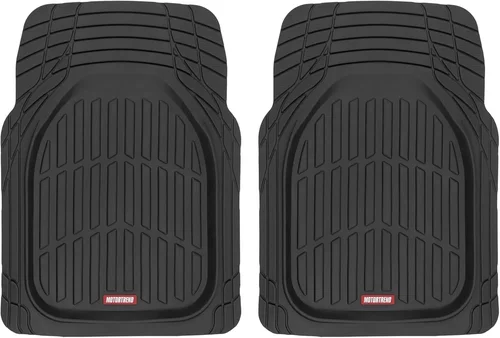
Not all winter mats are created equal when it comes to coverage. Look for mats that offer full-footwell protection, including the driver’s side accelerator and brake pedal zones, which are high-traffic areas prone to wear and moisture buildup. Extended rear mats that cover the entire second-row floor—and even the third row in larger SUVs—are essential for families or frequent passengers. Advanced designs include deep spill channels, raised sidewalls (often 3–5 inches high), and rear-hump coverage to contain slush and melting snow. Some premium mats feature a dual-layer system: a rigid base for structural support and a soft, textured top layer for traction and easy cleaning. Additionally, consider mats with integrated heel pads in the driver’s section—these reinforce high-wear zones and extend the mat’s lifespan. Avoid mats with flat surfaces or minimal lip height, as they allow liquids to pool and overflow onto your carpet.
4. Ease of Cleaning and Maintenance
Winter mats should be easy to clean—after all, their primary job is to collect grime so your carpet stays pristine. The best mats can be removed, hosed off, and dried quickly without retaining odors or warping. Look for non-porous surfaces that resist staining from salt, oil, and antifreeze. Mats with a textured or ribbed surface help trap dirt and prevent it from spreading, while smooth finishes may allow debris to slide around. Some brands include built-in drainage channels that direct liquid toward the edges, minimizing pooling. Avoid mats with fabric inserts or carpeted tops—these absorb moisture and are nearly impossible to fully dry, leading to mold and mildew. After cleaning, mats should snap back into place without shifting. For added convenience, consider models with a snap-in or hook-and-loop retention system that keeps them securely anchored during sudden stops or sharp turns.
5. Durability and Warranty
Winter conditions are brutal on floor mats, so durability is non-negotiable. High-quality mats should withstand years of use without cracking, curling, or losing their shape. Check the manufacturer’s warranty—most reputable brands offer limited lifetime warranties, which is a strong indicator of confidence in their product. For example, WeatherTech backs its mats with a “no-hassle” lifetime guarantee, while Husky Liners offers a similar promise. These warranties typically cover defects in materials and workmanship but may not include damage from misuse or extreme abuse. When comparing durability, consider the mat’s thickness (usually 4–8mm for premium options), flexibility in cold weather, and resistance to UV degradation if your SUV is parked outdoors. Real-world testing shows that mats from top-tier brands last 5–7 years or more with proper care, whereas budget options may degrade within 1–2 seasons.
6. Brand Reputation and Customer Support
Not all floor mat brands are created equal. Established names like WeatherTech, Husky Liners, Maxliner, and OEM manufacturers (e.g., Ford, Toyota, Subaru) have built reputations for quality, innovation, and customer service. These companies invest in research and development, use advanced manufacturing techniques, and often provide detailed installation guides and fitment support. In contrast, lesser-known brands or generic sellers on online marketplaces may offer attractive prices but lack transparency about materials, origin, or return policies. Before buying, research customer reviews on trusted platforms like Amazon, Reddit, or automotive forums. Look for consistent feedback about fit, durability, and ease of cleaning. Also, check if the brand offers responsive customer support—can you easily reach someone if the mats don’t fit or arrive damaged? A strong brand reputation often translates to a smoother ownership experience and better long-term value.
7. Price and Value Proposition
Price is always a consideration, but it shouldn’t be the sole deciding factor. Winter floor mats range from under $50 for basic universal sets to over $300 for premium custom-fit systems. The key is to assess the value proposition—what you’re getting for your money. A $70 set might save you upfront, but if it cracks after one winter or fails to protect your carpet, you’ll end up spending more in the long run on cleaning, repairs, or replacement. Mid-range mats ($100–$180) often offer the best balance of quality, fit, and features for most SUV owners. Premium options ($200+) typically include advanced materials, extended coverage, and lifetime warranties. When evaluating price, consider the cost per year of use. A $250 set that lasts six years costs about $42 per year—far more economical than replacing cheaper mats every two seasons. Always compare features, not just price tags.
8. Environmental and Health Considerations
Modern consumers are increasingly conscious of the environmental and health impacts of the products they buy. Many high-quality winter mats are now made from recyclable, eco-friendly materials that don’t off-gas harmful chemicals. Look for certifications like OEKO-TEX or GREENGUARD, which indicate low emissions of volatile organic compounds (VOCs). TPE mats are generally safer than PVC-based vinyl, which can release dioxins and other toxins when exposed to heat. Additionally, some brands use sustainable manufacturing processes and offer take-back programs for old mats. If you have allergies or sensitivities, avoid mats with strong chemical odors—opt for odor-free, hypoallergenic options. Your SUV’s interior should be a safe, healthy space, especially during long winter drives with windows closed and recirculated air.
Different Types of Buying Guide

Common Buying Mistakes to Avoid
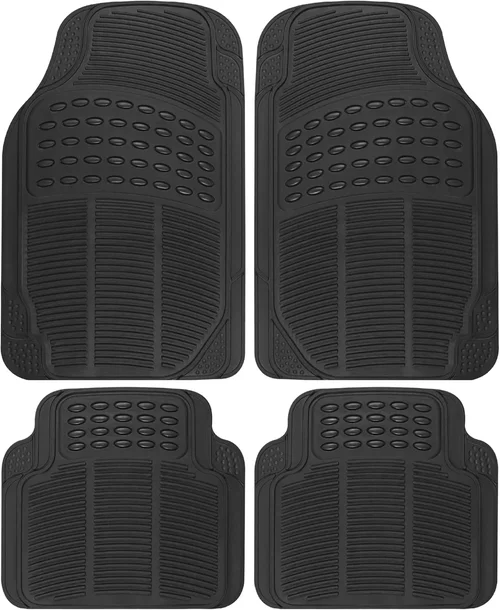
❌ Mistake: Choosing Universal Mats for Complex SUV Interiors
Why it’s bad: Universal mats are designed to fit a wide range of vehicles, which means they often leave gaps around the edges, under pedals, or near seat rails. In SUVs with raised floors, third-row seating, or integrated storage compartments, these gaps allow snow, salt, and water to seep through, damaging the underlying carpet and potentially causing mold or electrical issues. Additionally, ill-fitting mats can shift during driving, creating a tripping hazard or interfering with pedal operation.
What to do instead: Always opt for custom-fit mats designed specifically for your SUV’s make, model, and year. Use the manufacturer’s fitment tool to confirm compatibility. If custom mats aren’t available, consider heavy-duty rubber mats with high sidewalls that can be trimmed for a better fit—but never compromise on full coverage.
❌ Mistake: Prioritizing Price Over Quality
Why it’s bad: Cheap mats may seem like a smart short-term savings, but they often use low-grade vinyl or thin rubber that cracks, warps, or loses shape after one or two winters. They may also lack proper retention systems, leading to movement and reduced safety. Over time, the cost of replacing multiple sets can exceed the price of a single premium mat.
What to do instead: View floor mats as a long-term investment in your vehicle’s interior protection. Calculate the cost per year of use and prioritize mats with strong warranties, durable materials, and positive user reviews. Mid-range options often offer the best value for most buyers.
❌ Mistake: Ignoring Rear and Cargo Area Coverage
Why it’s bad: Many buyers focus only on the front driver and passenger mats, forgetting that rear passengers and cargo areas are equally exposed to dirt, snow, and spills. In SUVs, the rear footwells and cargo floor are frequently used for storing boots, gear, and groceries—making them prime targets for moisture damage.
What to do instead: Purchase a complete set that includes front, rear, and cargo mats. Look for rear mats that cover the entire second-row floor and extend into the third row if applicable. Cargo liners with raised edges are essential for protecting the trunk area from wet equipment or pet accidents.
❌ Mistake: Overlooking Retention Systems and Anti-Slip Backing
Why it’s bad: Mats that slide around can interfere with pedal operation, especially the accelerator and brake, creating a serious safety risk. Mats without proper anchoring may also bunch up underfoot, reducing traction and comfort.
What to do instead: Choose mats with factory-compatible retention hooks, snap-in systems, or heavy-duty anti-slip backing. Many custom-fit mats include built-in anchors that match your SUV’s original floor mat posts. Test the fit by pressing down on all corners and tugging gently to ensure they stay in place.
❌ Mistake: Buying Based Solely on Brand Name
Why it’s bad: While reputable brands often deliver quality, blindly trusting a name without verifying fit, material, or features can lead to disappointment. Some well-known brands offer budget lines that don’t meet the same standards as their premium products.
What to do instead: Research each product individually—read recent reviews, check material specifications, and compare features. Don’t assume all products from a trusted brand are equal. Look for third-party testing or certifications that validate performance claims.
❌ Mistake: Neglecting to Clean Mats Regularly
Why it’s bad: Even the best mats lose effectiveness if not maintained. Built-up salt, dirt, and moisture can degrade materials over time and lead to unpleasant odors or bacterial growth.
What to do instead: Make cleaning a seasonal habit—remove and hose down mats every few weeks during winter. Let them dry completely before reinstalling. Use mild soap and avoid harsh chemicals that can damage TPE or rubber.
❌ Mistake: Assuming All “All-Weather” Mats Are Suitable for Winter
Why it’s bad: Not all all-weather mats are designed for extreme winter conditions. Some lack the depth, material strength, or coverage needed to handle deep snow and slush.
What to do instead: Look for mats specifically labeled as “winter” or “heavy-duty winter” with deep channels, high sidewalls, and cold-weather-resistant materials. Check the temperature rating—premium mats should perform down to -40°F.
Budget Guidelines: How Much Should You Spend?
– Entry-Level ($30–$70): This tier includes universal vinyl or thin rubber mats. They’re suitable for mild winters or occasional use but often lack full coverage, durability, and safety features. Expect to replace them every 1–2 seasons. Best for budget-conscious buyers in warmer climates or those with older vehicles.
– Mid-Range ($80–$180): This is the sweet spot for most SUV owners. Mats in this range offer a balance of custom fit, durable materials (like TPE or heavy-duty rubber), and essential features like raised edges and anti-slip backing. Brands like Maxliner and Husky Liners dominate this category with reliable performance and solid warranties.
– Premium ($180–$280): Designed for serious winter drivers and luxury SUVs, these mats feature laser-precision fit, advanced channeling systems, and premium materials. WeatherTech and OEM manufacturers lead here, offering lifetime warranties and exceptional coverage. Ideal for those who prioritize protection, safety, and long-term value.
– Luxury ($280+): Top-tier options include multi-layer systems, integrated drainage, and eco-friendly certifications. These are often custom-ordered and may include additional accessories like rear-hump mats or pet liners. Best for enthusiasts, fleet managers, or those who want the absolute best protection available.
Expert Tips for Getting the Best Deal
– Buy in Early Fall: Retailers often discount winter mats in September and October to clear inventory before the holiday season. You’ll find the best selection and prices before demand peaks in December.
– Check Manufacturer Websites: Brands like WeatherTech and Husky Liners frequently run direct-to-consumer promotions, including free shipping, bundle deals, or rebates not available on third-party sites.
– Compare Full Sets: Many sellers offer discounts when you buy front, rear, and cargo mats together. A bundled set can save you 15–25% compared to purchasing individually.
– Read Recent Reviews: Product quality can change over time. Look for reviews from the past 6–12 months to ensure you’re getting the current version with updated materials or design improvements.
– Test Fit Before Finalizing: If possible, visit a local auto parts store to see the mats in person. Some retailers allow you to test fit in your vehicle or offer hassle-free returns.
– Consider Certified Pre-Owned or Open-Box: High-quality mats retain value well. Certified pre-owned sets from reputable sellers can offer significant savings with minimal wear.
– Register Your Warranty: Always register your purchase to activate the manufacturer’s warranty. Keep receipts and photos of the mats installed in your vehicle as proof of proper use.
– Don’t Forget the Cargo Area: Many buyers skip the cargo liner, but it’s one of the most vulnerable areas. A good liner protects against spills, pet accidents, and gear damage—especially in SUVs used for outdoor activities.

Frequently Asked Questions
Q: Can I use all-weather mats instead of winter-specific ones?
A: While all-weather mats offer decent protection, they’re not optimized for extreme winter conditions. Winter-specific mats have deeper channels, higher sidewalls, and materials that remain flexible in sub-zero temperatures. For heavy snow, ice, and salt exposure, dedicated winter mats provide superior coverage and durability.
Q: Do winter mats fit over carpeted floor mats?
A: It’s not recommended. Winter mats are designed to sit directly on the factory carpet or floor. Placing them over existing mats can create gaps, reduce retention effectiveness, and increase the risk of slippage. Remove old mats before installing new winter ones.
Q: How do I clean my winter floor mats?
A: Remove the mats and rinse them with a hose or pressure washer. Use a mild soap and soft brush for stubborn dirt. Avoid harsh chemicals or bleach, which can degrade materials. Let them air dry completely before reinstalling to prevent mold.
Q: Are custom-fit mats worth the extra cost?
A: Absolutely—if you drive in harsh winter conditions. Custom-fit mats provide complete coverage, better retention, and enhanced safety. They also preserve your SUV’s resale value by protecting the original carpet from damage.
Q: Can I leave winter mats in year-round?
A: Yes, many high-quality winter mats are designed for year-round use. However, in warmer months, you may prefer lighter, more breathable all-weather mats for comfort. Some owners switch seasonally to extend the life of both sets.
Q: Do winter mats reduce interior noise?
A: Indirectly, yes. By covering the factory carpet, winter mats can dampen road noise and vibrations, especially in older vehicles. However, they’re not a substitute for dedicated sound-deadening treatments.
Q: What if my mats don’t fit perfectly?
A: Contact the seller or manufacturer immediately. Most reputable brands offer fitment guarantees and will replace or refund mats that don’t fit as advertised. Never force a mat into place—this can damage both the mat and your vehicle.
Q: Are there eco-friendly winter mat options?
A: Yes. Look for mats made from recyclable TPE, certified low-emission materials, or brands with sustainable manufacturing practices. Some companies even offer recycling programs for old mats.
Q: Do I need a mat for the third row in my SUV?
A: If you regularly use the third row or transport passengers, yes. Third-row mats protect against spills, dirt, and wear. Many custom sets include optional third-row coverage.
Q: Can winter mats affect airbag deployment?
A: Properly installed, custom-fit mats should not interfere with airbags. However, avoid bulky or ill-fitting mats that could obstruct sensors or deployment zones. Always follow the manufacturer’s installation instructions.
Our Final Recommendations
– Best for Budget-Conscious Buyers: Maxliner Custom Fit All-Weather Floor Mats – Offers excellent value with TPE construction, precise fit, and full coverage at a mid-range price. Ideal for families and daily drivers.
– Best Overall Value: Husky Liners WeatherBeater Floor Mats – Combines rugged durability, deep channels, and a lifetime warranty. Perfect for SUVs used in snowy or off-road conditions.
– Best Premium Option: WeatherTech DigitalFit FloorLiner – The industry leader in custom-fit protection. Laser-measured precision, superior materials, and unmatched coverage make this the top choice for luxury and full-size SUVs.
– Best for Beginners: OEM Winter Mats from Your Vehicle Manufacturer – If you’re new to winter mats, OEM options ensure a perfect fit and seamless integration. Great for lease vehicles or brand loyalists.
– Best for Advanced Users: WeatherTech FloorLiner HP with Rear Hump Coverage – For those who demand maximum protection, this system includes front, rear, cargo, and hump mats for complete interior defense.
Conclusion: Making the Right Choice
Choosing the right winter floor mats for your SUV is about more than just keeping your car clean—it’s about safety, longevity, and peace of mind during the toughest driving conditions. By focusing on material quality, custom fit, coverage, and durability, you can protect your investment and enjoy a cleaner, safer interior all winter long. Avoid common pitfalls like universal fits and low-cost compromises, and instead prioritize value, reliability, and brand trust.
Remember, the best mats are the ones that match your specific needs, driving habits, and climate. Whether you’re navigating icy backroads or city streets, the right set of winter floor mats will stand up to the challenge season after season. Take the time to research, compare, and invest wisely—your SUV (and your future self) will thank you.
Now that you’re equipped with expert knowledge, it’s time to make your purchase. Use the tips, comparisons, and recommendations in this guide to find the perfect winter floor mats for your SUV. Protect your vehicle, enhance your driving experience, and drive with confidence—no matter what winter throws your way.