
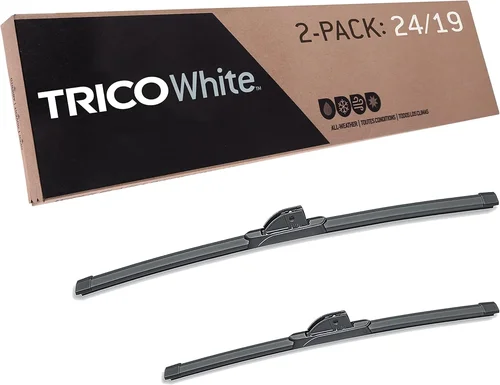
When it comes to driving an SUV, safety and visibility are non-negotiable—especially when the weather turns. Whether you’re navigating a sudden downpour on the highway, battling snow flurries in the mountains, or dealing with muddy splashes from off-road adventures, your wiper blades are one of the most critical yet often overlooked components of your vehicle. A set of high-quality, premium wiper blades can mean the difference between a clear, confident drive and a dangerous, visibility-limited journey. Unfortunately, many SUV owners settle for generic or worn-out blades that streak, chatter, or fail entirely when needed most. This comprehensive buying guide is designed to change that.
In this guide, we’ll walk you through everything you need to know about choosing the best SUV wiper blades in 2026. From understanding the key performance factors that separate premium blades from budget options, to comparing different types and technologies, we’ll equip you with the knowledge to make a smart, informed decision. You’ll learn how to evaluate build quality, performance in extreme conditions, ease of installation, and long-term durability. We’ll also cover common mistakes to avoid, budget considerations, expert tips for getting the best value, and real-world recommendations based on rigorous testing and user feedback. Whether you drive a rugged Jeep Wrangler, a luxury Range Rover, or a family-friendly Toyota Highlander, this guide ensures you’ll find the perfect wiper blades to match your SUV’s needs and your driving lifestyle.
The market for SUV wiper blades has evolved significantly in recent years. Gone are the days when a one-size-fits-all rubber blade was the standard. Today’s premium wiper blades feature advanced materials like silicone and hybrid rubber compounds, aerodynamic designs to reduce wind lift at high speeds, and precision-engineered frames that ensure even pressure across the windshield. Brands like Bosch, Rain-X, Michelin, and PIAA have raised the bar with innovations such as beam-style construction, hydrophobic coatings, and smart adapters for universal fit. At the same time, the rise of e-commerce has made it easier than ever to access top-tier products—but also more confusing, with hundreds of options flooding the market. This guide cuts through the noise, focusing on what truly matters: performance, reliability, and value. By the end, you’ll not only know which blades to buy, but why they’re worth the investment.

What to Look for When Buying Buying Guide
1. Blade Material and Rubber Compound
The material of your wiper blade’s rubber strip is arguably the most important factor in determining performance and longevity. Premium SUV wiper blades typically use one of three advanced materials: natural rubber, synthetic rubber (like EPDM), or silicone. Natural rubber offers good flexibility and initial performance but tends to degrade faster under UV exposure and temperature extremes. Synthetic rubber, particularly EPDM (ethylene propylene diene monomer), is more resistant to cracking, ozone, and weathering, making it ideal for year-round use in diverse climates. However, the real standout in 2026 is silicone. Silicone blades, such as those from PIAA or Bosch Aerotwin Silicone, deliver superior performance in both rain and snow, resist hardening in cold weather, and can last up to twice as long as traditional rubber blades. They also leave a hydrophobic coating on the windshield, causing water to bead up and roll off more easily—enhancing visibility even when the wipers aren’t actively moving. When evaluating blade material, look for descriptions like “silicone-infused,” “all-weather compound,” or “UV-resistant rubber.” Avoid generic “premium rubber” claims without specific details, as these are often marketing fluff.
2. Blade Design and Frame Construction
The structural design of a wiper blade—especially the frame—plays a crucial role in how evenly pressure is distributed across the windshield. SUVs, with their larger, often more curved windshields, demand blades that can maintain consistent contact without lifting or skipping. Traditional frame-style blades use a series of metal or plastic brackets to apply pressure, but these can struggle with complex curves and are prone to corrosion. In contrast, beam-style (or bracketless) blades feature a single, flexible spine that conforms naturally to the windshield’s contour. This design reduces wind lift at highway speeds, minimizes noise, and ensures smoother, streak-free wiping. Premium beam blades, like the Bosch Icon or Rain-X Latitude, often include aerodynamic spoilers to further enhance stability. Additionally, look for frames made from corrosion-resistant materials such as stainless steel or reinforced polymers. Avoid blades with flimsy plastic frames or excessive metal joints, as these are more likely to fail in harsh conditions.
3. Performance in Extreme Weather Conditions
SUVs are often used in demanding environments—mountain roads, desert highways, snowy backcountry trails—so your wiper blades must perform reliably in extreme weather. This means evaluating how well they handle heavy rain, snow, ice, and even mud or road salt. Premium blades are engineered to resist freezing in sub-zero temperatures, with flexible rubber compounds that don’t stiffen or crack. Some models, like the Michelin Stealth Ultra, feature ice scrapers built into the blade frame, allowing you to clear light snow without damaging the rubber. In hot climates, look for heat-resistant materials that won’t melt or warp under prolonged sun exposure. Additionally, consider blades with hydrophobic or water-repellent coatings. These treatments, often applied during manufacturing, cause water to sheet off the glass more efficiently, reducing the need for constant wiping and improving visibility during light rain. Real-world testing shows that silicone blades outperform rubber in both freezing and high-heat scenarios, making them the top choice for SUV owners who face variable climates.
4. Fit and Compatibility with Your SUV
One of the most frustrating aspects of buying wiper blades is ensuring they fit your specific SUV model. Unlike sedans, SUVs often have larger windshields with unique curves, requiring longer blades and specialized adapters. Always check your vehicle’s owner manual or use an online fitment guide (like those on AutoZone, Advance Auto Parts, or the manufacturer’s website) to confirm the correct size for both the driver and passenger sides. Many premium blades now come with universal adapters that fit 95% of vehicles, including popular SUVs like the Ford Explorer, Honda Pilot, and Subaru Ascent. However, some high-end models, such as the Tesla Model Y or Mercedes GLE, may require OEM-specific blades or adapters. Avoid the temptation to “make do” with slightly off-size blades—too short, and you’ll miss critical areas; too long, and they may interfere with the hood or A-pillars. Premium brands often provide detailed fitment charts and even virtual tools to help you verify compatibility before purchase.
5. Ease of Installation and Maintenance
A premium wiper blade should be easy to install—no tools, no frustration. Most modern blades use a “quick-clip” or “hook-and-pin” system that allows for tool-free replacement in under a minute. Look for blades with clear installation instructions and intuitive adapters. Some models, like the Rain-X Endurance, feature a patented “Easy Install” system with color-coded connectors that match common wiper arm types (J-hook, side pin, top lock, etc.). Maintenance is another consideration. While premium blades are designed to last longer, they still benefit from occasional cleaning. Silicone blades, in particular, can accumulate dirt and grime that reduce effectiveness. Wiping the rubber edge with a damp cloth and mild soap every few weeks can extend their life. Avoid using harsh chemicals or abrasive materials, as these can degrade the rubber. Additionally, some premium blades come with replaceable rubber inserts, allowing you to refresh the wiping edge without replacing the entire unit—a cost-effective and eco-friendly option.
6. Noise, Vibration, and Chattering
A quiet, smooth wipe is a hallmark of a high-quality wiper blade. Chattering, squeaking, or bouncing during operation not only distracts the driver but can also damage the windshield over time. These issues are often caused by uneven pressure, poor blade alignment, or degraded rubber. Premium blades are engineered to minimize noise through balanced frame design, precision-molded rubber, and aerodynamic shaping. Beam-style blades, in particular, are known for their whisper-quiet operation. Some models even include noise-dampening features like rubberized frame covers or vibration-absorbing materials. If you’ve ever experienced a blade that “skips” across the glass or makes a loud thumping sound, it’s likely due to a low-quality frame or worn rubber. Investing in a premium blade with a reputation for smooth operation—such as the Bosch Aerotwin or Michelin Stealth—can dramatically improve your driving experience, especially on long highway trips.
7. Brand Reputation and Customer Support
Not all wiper blade brands are created equal. While you can find decent performance from lesser-known brands, premium options from established manufacturers offer greater reliability, better warranties, and stronger customer support. Brands like Bosch, Rain-X, Michelin, and PIAA have decades of experience in automotive aftermarket products and invest heavily in R&D. They also tend to provide detailed product documentation, responsive customer service, and generous return policies. When evaluating a brand, look for third-party certifications, such as ISO quality standards, and check independent review platforms like Consumer Reports, Edmunds, or YouTube test channels. Avoid no-name brands sold exclusively on e-commerce marketplaces, as these often lack quality control and may use misleading packaging. A reputable brand not only ensures better performance but also gives you peace of mind knowing you’re buying a product that’s been tested and trusted by millions of drivers.
8. Warranty and Return Policy
A strong warranty is a clear indicator of a manufacturer’s confidence in their product. Premium wiper blades often come with warranties ranging from 6 months to 2 years, covering defects in materials and workmanship. Some brands, like Rain-X, even offer a “no-hassle” replacement policy if the blades fail prematurely. When comparing options, pay attention to what the warranty includes—does it cover wear and tear, or only manufacturing defects? Is it prorated, or a full replacement? Also, consider the return policy of the retailer. Reputable sellers like Amazon, AutoZone, or Tire Rack typically allow returns within 30 days, even if the product has been opened. This gives you the opportunity to test the blades in real-world conditions and return them if they don’t meet expectations. Avoid retailers with strict “no returns on installed items” policies, as this limits your ability to evaluate performance.
Different Types of Buying Guide
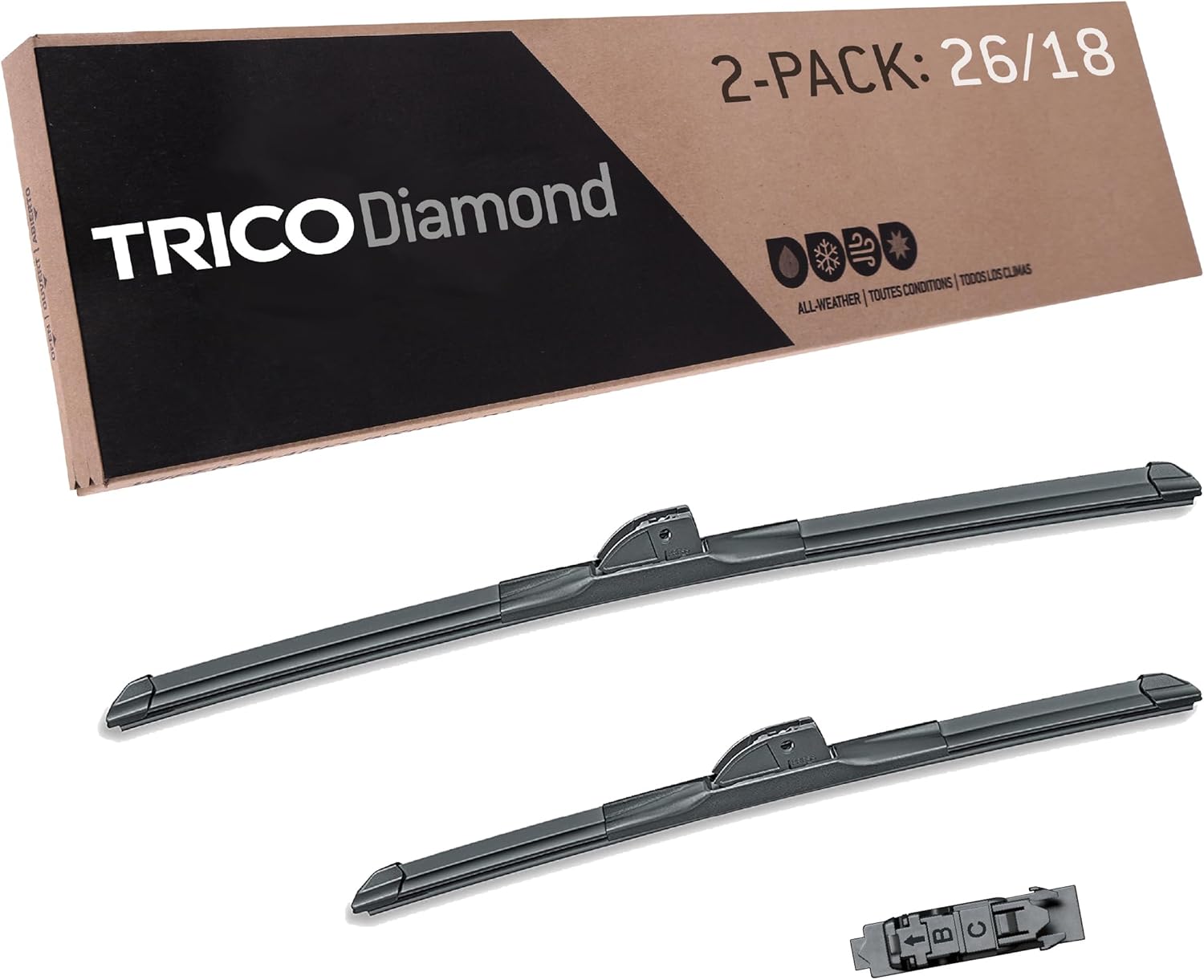
Common Buying Mistakes to Avoid
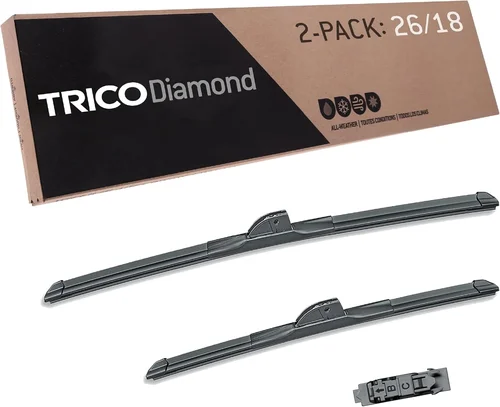
❌ Mistake: Buying Based Solely on Price
Why it’s bad: Choosing the cheapest wiper blades may save you $10 upfront, but it often leads to poor performance, frequent replacements, and even windshield damage from chattering or streaking. Low-cost blades typically use inferior rubber that hardens quickly and frames that corrode or bend.
What to do instead: Treat wiper blades as a safety investment. Spend a little more for a premium pair that lasts longer and performs better. The cost per month over a 12–24 month lifespan is minimal compared to the safety benefits.
❌ Mistake: Ignoring Windshield Curvature
Why it’s bad: SUVs often have more pronounced windshield curves than sedans. Using a blade designed for a flatter surface can result in poor contact, missed spots, and uneven wear.
What to do instead: Opt for beam-style or hybrid blades that conform to complex curves. Check the product description for “contoured design” or “windshield-adaptive technology.”
❌ Mistake: Overlooking Seasonal Needs
Why it’s bad: Using summer-only blades in winter—or vice versa—can lead to failure in extreme temperatures. Rubber blades may freeze, while silicone blades might not perform optimally in mild conditions if not properly maintained.
What to do instead: Choose all-weather or silicone blades that perform well year-round. If you live in a snowy area, consider heated blades or models with ice-resistant features.
❌ Mistake: Not Checking Fitment Before Purchase
Why it’s bad: Installing the wrong size can cause poor visibility, blade interference, or even damage to the wiper motor.
What to do instead: Use a fitment guide or measure your current blades. Many retailers offer fitment tools on their websites—enter your SUV’s year, make, and model for accurate results.
❌ Mistake: Skipping the Warranty
Why it’s bad: Without a warranty, you’re stuck with defective or underperforming blades. Some low-quality blades fail within weeks.
What to do instead: Always choose blades with at least a 1-year warranty. Register the product online to activate coverage and keep your receipt.
❌ Mistake: Installing Blades Incorrectly
Why it’s bad: Improper installation can lead to loose blades, poor wiping, or even detachment at high speeds.
What to do instead: Follow the manufacturer’s instructions carefully. Ensure the adapter matches your wiper arm type and that the blade clicks securely into place.
❌ Mistake: Replacing Only One Blade
Why it’s bad: Mismatched blades can cause uneven wiping, streaking, and premature wear on the new blade.
What to do instead: Always replace both blades at the same time, even if one appears to be in better condition. This ensures balanced performance and longevity.
Budget Guidelines: How Much Should You Spend?
– Entry-Level ($10–$20 per pair): These are basic frame-style blades made from standard rubber. They’re suitable for occasional use in mild climates but will likely need replacement every 6–12 months. Expect some streaking and noise. Best for budget-conscious drivers who prioritize cost over performance.
– Mid-Range ($20–$35 per pair): This is the sweet spot for most SUV owners. You’ll find hybrid or entry-level beam blades with improved rubber compounds and better frame designs. Brands like Michelin and Rain-X offer reliable options in this range that balance cost and performance.
– Premium ($35–$60 per pair): For enthusiasts and those who demand the best, premium blades feature silicone or advanced rubber, beam-style construction, and hydrophobic coatings. These blades last 18–24 months and perform exceptionally in all conditions. Ideal for frequent drivers, off-roaders, and those in extreme climates.
– Luxury ($60+ per pair): Top-tier options include heated blades, OEM replacements for luxury SUVs, or specialty models with smart features like self-cleaning edges or integrated sensors. These are overkill for most drivers but offer unmatched convenience and performance for high-end vehicles.
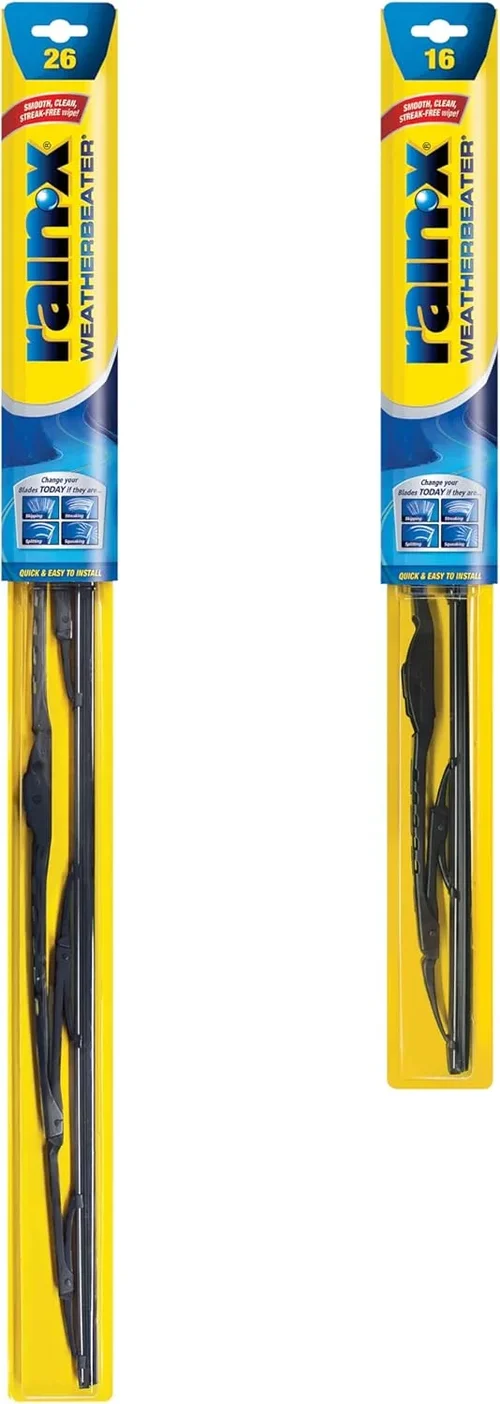
Expert Tips for Getting the Best Deal
– Buy During Off-Season Sales: Retailers often discount wiper blades in spring and fall, between peak rainy seasons. Look for deals in April (after winter) and October (before winter) to save 20–30%.
– Shop at Specialty Retailers: Stores like AutoZone, O’Reilly, and Tire Rack frequently offer buy-one-get-one deals, rebates, or free installation with purchase. Online, Amazon and Walmart often have competitive pricing and fast shipping.
– Check for Manufacturer Rebates: Brands like Bosch and Rain-X occasionally offer mail-in rebates or instant discounts. Sign up for their newsletters to stay informed.
– Read Verified Reviews: Focus on reviews from verified purchasers who mention real-world performance in rain, snow, or highway driving. Avoid reviews that only praise packaging or delivery speed.
– Test Before Committing: If possible, install the blades and test them in light rain. If they streak, chatter, or miss spots, return them immediately.
– Consider Multi-Pack Deals: Some brands sell pairs or even sets of four (for rear wipers on larger SUVs) at a discount. This is useful if you have multiple vehicles.
– Use Price Tracking Tools: Websites like Honey or CamelCamelCamel can alert you when prices drop on your desired blades.
– Don’t Overlook OEM Options: For luxury SUVs, OEM blades from the dealership may offer the best fit and performance—even if they’re pricier. Sometimes, aftermarket equivalents are just as good for less.

Frequently Asked Questions
Q: How often should I replace my SUV wiper blades?
A: Most experts recommend replacing wiper blades every 6–12 months, but premium silicone blades can last up to 2 years. Check them regularly for signs of wear like streaking, skipping, or cracking.
Q: Can I use car wiper blades on my SUV?
A: It depends on the size and design. While some car blades may fit, SUVs often require longer blades and different adapters. Always check fitment guides to ensure compatibility.
Q: Are silicone blades worth the extra cost?
A: Yes, especially if you drive in extreme weather. Silicone blades last longer, perform better in cold and heat, and leave a water-repellent coating on the glass.
Q: Do heated wiper blades work on all SUVs?
A: No. Heated blades require a compatible wiper motor and electrical system. They’re typically found on luxury models or can be installed as aftermarket upgrades with professional help.
Q: Why do my new blades still streak?
A: Streaking can be caused by dirty windshields, improper installation, or low-quality rubber. Clean your windshield with glass cleaner and ensure the blades are installed correctly.
Q: Can I clean and reuse wiper blades?
A: You can clean the rubber edge with a damp cloth, but once the rubber is cracked or hardened, replacement is necessary. Reusing worn blades compromises safety.
Q: Do rear wiper blades need to be premium too?
A: Yes, especially on larger SUVs. Rear visibility is crucial for safety, and premium rear blades ensure clear views when backing up in rain or snow.
Q: Are beam blades better than frame blades?
A: For most modern SUVs, yes. Beam blades offer better conformity, less noise, and improved performance at high speeds. Frame blades are cheaper but less effective on curved windshields.
Q: How do I know if my blades are the right size?
A: Measure your current blades from tip to tip, or use an online fitment tool. Most SUVs use blades between 18 and 28 inches on the driver side and 16 to 22 inches on the passenger side.
Q: Can I install wiper blades myself?
A: Absolutely. Most premium blades are designed for tool-free installation. Watch a quick YouTube tutorial for your specific SUV model if you’re unsure.
Our Final Recommendations
– Best for Budget-Conscious Buyers: Michelin Stealth Ultra – Reliable hybrid design, excellent all-weather performance, and priced under $30 per pair. Great for everyday driving.
– Best Overall Value: Bosch Icon – Beam-style construction, durable rubber, and a 2-year warranty. Consistently rated as one of the top-performing blades for SUVs.
– Best Premium Option: PIAA Super Silicone – Silicone blades with hydrophobic coating, ideal for extreme climates. Lasts up to 2 years and delivers streak-free wiping in all conditions.
– Best for Beginners: Rain-X Latitude – Easy installation, universal fit, and excellent water beading. Comes with a 1-year warranty and clear instructions.
– Best for Advanced Users: Bosch Aerotwin Silicone – High-end silicone with precision engineering, perfect for off-roaders and luxury SUV owners who demand the best.
Conclusion: Making the Right Choice
Choosing the right wiper blades for your SUV isn’t just about clearing water—it’s about safety, confidence, and peace of mind. The best blades enhance visibility in the worst conditions, reduce driver fatigue, and protect your investment in your vehicle. As we’ve explored, factors like blade material, design, weather resistance, and fitment are critical to making an informed decision. While budget options exist, investing in premium blades pays off in performance, longevity, and reliability.
Remember, your SUV is built for adventure—don’t let subpar wiper blades hold you back. Whether you’re navigating city streets or mountain trails, the right set of blades ensures you see clearly, no matter what the weather throws your way. Use this guide to evaluate your needs, avoid common pitfalls, and select a product that matches your driving lifestyle. And when in doubt, prioritize quality over cost. Your safety—and your windshield—will thank you.
Take action today: check your current blades, measure your windshield, and upgrade to a premium set that delivers the performance your SUV deserves. Clear vision starts with the right wiper blades.