
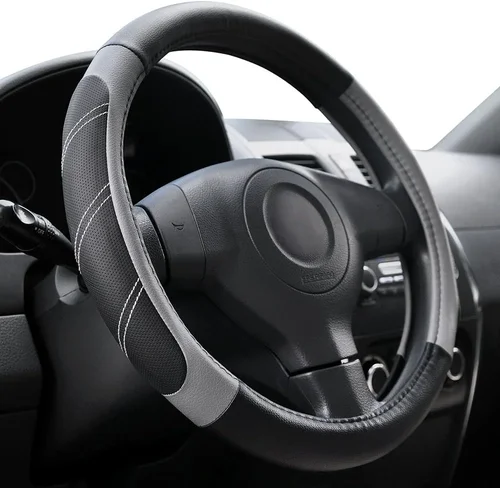
SUVs are more than just vehicles—they’re mobile command centers, family haulers, weekend adventure rigs, and daily drivers all rolled into one. With their larger frames, higher seating positions, and often more rugged handling, SUVs place unique demands on every component, including the steering wheel. Over time, constant gripping, exposure to sun, heat, cold, and general wear can degrade even the most durable factory-installed steering wheels. That’s where a high-quality steering wheel cover comes in—not just as a cosmetic upgrade, but as a functional enhancement that improves grip, comfort, and longevity.
This comprehensive buying guide is designed to help you navigate the crowded market of SUV steering wheel covers with confidence. Whether you drive a compact crossover like a Honda CR-V or a full-size beast like a Ford Expedition, choosing the right cover involves more than just picking something that “looks cool.” You’ll learn how to evaluate material quality, fit precision, ergonomic design, safety considerations, and value for money. We’ll break down the key factors that matter most, compare different types of covers, highlight common pitfalls, and offer expert-backed recommendations tailored to real-world driving conditions. By the end, you’ll have everything you need to make an informed decision that enhances both your driving experience and your vehicle’s interior.
The market for steering wheel covers has exploded in recent years, driven by rising SUV ownership and growing consumer awareness of interior protection and comfort. From basic neoprene sleeves to luxury leather wraps with memory foam padding, options abound—but not all are created equal. Many budget covers slip, fade, or degrade quickly, while premium models can cost nearly as much as a set of tires. This guide cuts through the noise, offering a detailed, no-nonsense evaluation framework based on years of automotive accessory testing and user feedback. Whether you’re looking for winter grip, summer cooling, or long-term durability, we’ve got you covered—literally.

What to Look for When Buying Buying Guide
1. Material Quality & Performance
The material of your steering wheel cover directly impacts comfort, durability, and safety. The most common materials include neoprene, leather (real or synthetic), silicone, and fabric blends. Neoprene is popular for its water resistance, flexibility, and ability to stay cool in summer and warm in winter—ideal for SUV drivers who face varying climates. However, low-grade neoprene can tear easily and may emit odors when new. Genuine leather offers a premium feel and excellent grip but requires regular conditioning to prevent cracking, especially under intense sunlight. Synthetic leather (often labeled as “PU leather”) is more affordable and resistant to UV damage but may lack breathability and start peeling over time.
Silicone covers are gaining traction due to their non-slip surface, ease of cleaning, and resistance to extreme temperatures. They’re particularly useful for drivers in hot climates where leather can become uncomfortably hot. Fabric-based covers, such as those made from microfiber or cotton blends, offer softness and breathability but may absorb spills and odors if not treated. Always check for certifications like OEKO-TEX or REACH compliance, which indicate low levels of harmful chemicals. For SUV owners who frequently transport gear, pets, or kids, a stain-resistant, easy-to-clean material is essential.
2. Fit & Compatibility
A steering wheel cover that doesn’t fit properly is worse than no cover at all. Ill-fitting covers can slip during turns, interfere with airbag deployment, or create uncomfortable bulges that reduce grip. SUVs come in a wide range of steering wheel sizes—typically between 14.5 and 16 inches in diameter—and shapes (round, D-shaped, flat-bottomed). Always measure your steering wheel’s diameter and cross-section before purchasing. Most reputable brands provide size charts based on vehicle make, model, and year, which is especially helpful for popular SUVs like the Toyota RAV4, Subaru Outback, or Chevrolet Tahoe.
Look for covers labeled as “universal fit” only if they include adjustable straps, elastic bands, or stretchable materials designed to accommodate slight variations. However, for optimal performance, a model-specific cover is always preferable. Some premium brands offer custom-molded covers that contour precisely to your SUV’s steering wheel, eliminating gaps and ensuring consistent contact. Additionally, check whether the cover accommodates integrated controls—many modern SUVs have buttons for audio, cruise control, and voice commands on the steering wheel. A poorly designed cover can block these controls or make them difficult to press.
3. Grip & Ergonomics
Your hands spend hours on the steering wheel every week, so grip and ergonomics are critical—not just for comfort, but for safety. A good cover should enhance traction without causing hand fatigue. Look for textured surfaces, such as diamond patterns, perforated sections, or raised grips, especially at the 10-and-2 or 9-and-3 hand positions. Memory foam padding is a game-changer for long drives, absorbing vibrations and reducing pressure points. Some high-end covers even feature gel inserts or contoured thumb rests for added support.
For SUV drivers who frequently navigate rough terrain or tow heavy loads, enhanced grip becomes even more important. Covers with silicone or rubberized coatings provide superior traction in wet or sweaty conditions. Avoid overly smooth or glossy finishes, which can cause hands to slide during sharp turns. Also consider the thickness of the cover: too thin, and it offers no cushioning; too thick, and it may alter your grip radius, affecting steering precision. Aim for a balance—typically between 2mm and 4mm of padding is ideal for most drivers.
4. Climate Adaptability
SUVs are often used in diverse environments—from snowy mountain passes to desert highways—so your steering wheel cover must perform well across seasons. In winter, metal-rimmed steering wheels can become painfully cold, while in summer, direct sunlight can heat leather or plastic to dangerous temperatures. Neoprene and silicone covers excel in both scenarios, staying relatively neutral in temperature. Some advanced models even incorporate phase-change materials (PCMs) that absorb and release heat to maintain a comfortable surface.
If you live in a rainy or humid climate, water resistance is crucial. Covers that trap moisture can lead to mold, mildew, or unpleasant odors. Look for breathable, quick-drying materials with sealed seams. Conversely, in arid regions, UV resistance is key to preventing fading and cracking. Check for UV stabilizers in the product description or packaging. For extreme climates, consider dual-layer designs—such as a breathable outer shell with a thermal inner lining—that offer year-round protection.
5. Installation & Maintenance
Ease of installation matters more than you might think. A cover that’s difficult to put on may discourage you from using it consistently, defeating its purpose. Most covers use elastic bands, drawstrings, or adhesive strips to secure in place. Elastic models are the easiest to install but may loosen over time. Drawstring covers offer a snugger fit but require careful tightening to avoid wrinkles. Adhesive-backed options provide the most secure hold but can leave residue and are harder to remove for cleaning.
Maintenance is equally important. A cover that’s hard to clean will accumulate dirt, oils, and bacteria, becoming a hygiene hazard. Choose machine-washable or wipe-clean materials whenever possible. Removable covers are ideal for deep cleaning, while sewn-in designs may require spot treatment. Avoid covers with excessive stitching or decorative elements that trap grime. For SUV owners who frequently eat, drink, or transport messy cargo, a stain-resistant, antimicrobial-treated cover is worth the extra cost.
6. Safety & Airbag Compatibility
Safety should never be compromised for style. The steering wheel houses the driver’s airbag, a critical safety component that must deploy unimpeded in a collision. Any cover that interferes with airbag deployment can be life-threatening. Never use a cover that wraps over the airbag module or uses heavy stitching, thick padding, or rigid materials across the center hub. Most modern covers are designed with a cutout or flexible panel over the airbag area, but always verify this before purchase.
Check for compliance with FMVSS 208 (Federal Motor Vehicle Safety Standard), which governs airbag performance. Reputable brands will explicitly state airbag compatibility in their product descriptions. If in doubt, consult your vehicle’s owner manual or contact the manufacturer. Additionally, avoid covers with loose parts, dangling straps, or reflective surfaces that could distract the driver or obstruct the view of instrument panels.
7. Aesthetic Appeal & Interior Harmony
While functionality is paramount, aesthetics shouldn’t be ignored. Your steering wheel is a focal point of your SUV’s interior, and a mismatched cover can look tacky or out of place. Choose colors and textures that complement your dashboard, seats, and trim. Black, gray, and brown are safe, versatile options that blend with most interiors. For a bolder look, consider two-tone designs or contrast stitching that matches your seat upholstery.
Customization options like embroidered logos, monograms, or color accents can personalize your ride, but avoid overly flashy designs that may clash with your SUV’s overall style. Luxury SUVs like the Lexus RX or BMW X5 benefit from premium leather or Alcantara covers, while rugged models like the Jeep Wrangler or Toyota 4Runner suit textured neoprene or carbon-fiber-look finishes. Remember: the best cover enhances your interior without dominating it.
8. Brand Reputation & Warranty
Not all steering wheel cover brands are created equal. Established names like Coverking, Wheelskins, and Dash Designs have built reputations for quality, fit, and customer service. They often invest in R&D to improve materials and ergonomics, and their products undergo rigorous testing. Lesser-known brands may offer lower prices, but they frequently cut corners on material quality, sizing accuracy, and durability.
Always check the warranty—most reputable brands offer at least a one-year guarantee against defects. Some premium covers come with lifetime warranties, reflecting confidence in their longevity. Read customer reviews on trusted platforms like Amazon, Consumer Reports, or automotive forums. Pay attention to comments about fit, fading, slipping, and customer support responsiveness. A brand that stands behind its product is more likely to deliver a satisfying long-term experience.
Different Types of Buying Guide

Common Buying Mistakes to Avoid
❌ Mistake: Ignoring Airbag Safety
Why it’s bad: Using a cover that obstructs the airbag module can prevent proper deployment in a crash, increasing injury risk. Many cheap covers use thick padding or rigid stitching over the hub, which is extremely dangerous.
What to do instead: Always choose a cover with a clear airbag cutout or flexible center panel. Verify compatibility with your SUV’s specific model and year.
❌ Mistake: Choosing Style Over Function
Why it’s bad: A flashy cover with poor grip or uncomfortable texture can distract you while driving and cause hand fatigue on long trips.
What to do instead: Prioritize ergonomics and material performance. Choose a design that complements your interior without sacrificing comfort or safety.
❌ Mistake: Buying “One-Size-Fits-All” Without Verification
Why it’s bad: Universal covers often slip, wrinkle, or fail to cover the entire wheel, especially on larger SUV steering wheels.
What to do instead: Measure your steering wheel and consult size charts. Opt for model-specific or adjustable covers with secure fastening systems.
❌ Mistake: Overlooking Climate Needs
Why it’s bad: A leather cover in a hot climate can become scorching, while a thin fabric cover offers no insulation in winter.
What to do instead: Select a material suited to your local weather—neoprene or silicone for extreme temps, breathable fabrics for mild climates.
❌ Mistake: Skipping Maintenance Requirements
Why it’s bad: Neglecting to clean your cover leads to buildup of oils, dirt, and bacteria, which can degrade the material and affect grip.
What to do instead: Choose easy-to-clean materials and establish a regular cleaning routine—wipe down weekly, deep clean monthly.
❌ Mistake: Ignoring User Reviews
Why it’s bad: Marketing claims don’t always reflect real-world performance. A cover may look great online but fail in practice.
What to do instead: Read verified purchase reviews focusing on fit, durability, and comfort. Look for photos from actual users.
❌ Mistake: Assuming All Leather Is Equal
Why it’s bad: Synthetic leather may peel or crack within months, while genuine leather requires maintenance to last.
What to do instead: Understand the difference: genuine leather offers longevity and feel; PU leather is low-maintenance but less durable. Choose based on your willingness to maintain it.
Budget Guidelines: How Much Should You Spend?
Entry-Level ($10–$25): These covers are typically made from basic neoprene or thin synthetic materials. They offer minimal padding and may lack precise sizing. Best for occasional use or as a temporary solution. Expect limited durability—many last only 6–12 months with regular use. Avoid if you drive daily or in extreme conditions.
Mid-Range ($25–$50): This is the sweet spot for most SUV owners. Covers in this range often feature higher-grade neoprene, better stitching, and improved ergonomics. Many include memory foam padding, UV protection, and model-specific fits. Brands like Dash Designs and Coverking offer reliable options here. You’ll get good value, decent longevity (2–3 years), and solid performance across seasons.
Premium ($50–$100): Ideal for drivers who prioritize comfort and aesthetics. These covers use genuine leather, advanced silicone blends, or custom-molded designs. They often include features like gel inserts, antimicrobial treatments, and hand-stitched finishes. Perfect for luxury SUVs or long-haul drivers. Expect 3–5 years of service with proper care.
Luxury ($100+): Reserved for enthusiasts and professionals, these covers offer bespoke craftsmanship, exotic materials (like Alcantara or Nappa leather), and precision engineering. Some are hand-wrapped by artisans and tailored to exact specifications. While expensive, they deliver unmatched comfort, durability, and interior enhancement. Justified for high-end SUVs like the Range Rover or Cadillac Escalade.
Expert Tips for Getting the Best Deal
- Buy During Off-Seasons: Steering wheel covers are often discounted in late winter (February–March) and early fall (September–October) when demand is lower. Avoid summer and holiday periods when prices peak.
- Shop Authorized Retailers: Purchase from trusted sources like Amazon (sold by the brand), AutoZone, or directly from manufacturer websites. Avoid third-party sellers with no reviews or return policies.
- Bundle with Other Accessories: Some brands offer discounts when you buy a cover with seat covers, floor mats, or sunshades. This can save 10–20% overall.
- Check Return Policies: Ensure the seller accepts returns if the cover doesn’t fit. Many reputable brands offer 30-day money-back guarantees.
- Test Before Committing: If possible, try the cover in-store or order one with free returns. Pay attention to how it feels after 15–20 minutes of driving.
- Look for Warranty Extensions: Some credit cards or retailers offer extended warranties on automotive accessories—use them to protect your investment.
- Subscribe for Alerts: Sign up for newsletters from brands like Wheelskins or Coverking to get early access to sales and exclusive discounts.
- Consider Refurbished or Open-Box: High-end covers sometimes appear as open-box items at 30–50% off. These are often as good as new and come with full warranties.

Frequently Asked Questions
Q: Will a steering wheel cover void my warranty?
A: No, installing a steering wheel cover does not void your vehicle’s warranty, as long as it doesn’t damage the original wheel or interfere with safety systems like the airbag. However, if a cover causes damage (e.g., adhesive residue or scratches), repairs may not be covered.
Q: Can I install a cover myself?
A: Yes, most covers are designed for DIY installation. Neoprene slip-ons take under 5 minutes. Leather wraps may require 15–30 minutes and basic tools like aawl or clips. Always follow the manufacturer’s instructions.
Q: Do steering wheel covers reduce grip?
A: A poorly designed cover can, but a quality one enhances grip. Look for textured surfaces, non-slip materials, and proper fit to ensure better control.
Q: Are heated steering wheel covers safe?
A: Aftermarket heated covers exist but are generally not recommended. They can overheat, damage the original wheel, or interfere with factory heating systems. Use OEM heated wheels instead.
Q: How often should I replace my cover?
A: Replace every 2–3 years for mid-range covers, or sooner if you notice slipping, cracking, or fading. Premium covers can last 5+ years with care.
Q: Can I wash my steering wheel cover?
A: It depends on the material. Neoprene and silicone can usually be machine-washed on gentle cycle. Leather should be wiped with a damp cloth and conditioned. Always check care instructions.
Q: Do covers work with adaptive cruise control or lane-keeping sensors?
A: Most modern covers are designed to avoid sensor interference. However, ensure the cover doesn’t obstruct the lower spokes where sensors may be located. Test functionality after installation.
Q: Are there eco-friendly options?
A: Yes. Some brands use recycled neoprene, organic cotton, or biodegradable materials. Look for certifications like Global Recycled Standard (GRS) or Cradle to Cradle.
Q: Can I use a cover in winter?
A: Absolutely. Neoprene and silicone covers stay flexible in cold weather and prevent your hands from sticking to cold metal. Avoid thin fabrics that offer no insulation.
Q: Will a protect against UV damage?
A: High-quality covers with UV inhibitors can significantly slow fading and cracking. For best results, pair with a windshield sunshade when parked.
Our Final Recommendations
Best for Budget-Conscious Buyers: Dash Designs Neoprene Cover – At under $25, it offers excellent fit, water resistance, and all-weather performance for popular SUVs. Great value for daily drivers.
Best Overall Value: Coverking Custom Fit Neoprene – Priced around $40, this cover combines precise sizing, memory foam padding, and durable construction. Ideal for most SUV owners seeking balance.
Best Premium Option: Wheelskins Leather Wrap – Hand-stitched genuine leather with customizable colors and stitching. Perfect for luxury SUVs and long-distance comfort. Expect to pay $80–$120.
Best for Beginners: AutoExec Silicone Grip Cover – Easy to install, non-slip, and machine-washable. Great for first-time buyers or those in hot climates.
Best for Advanced Users: Custom Molded Alcantara Cover by Rennline – Precision-engineered for exact fit, with premium materials and professional installation support. Ideal for performance SUVs and enthusiasts.
Conclusion: Making the Right Choice
Choosing the right steering wheel cover for your SUV isn’t just about aesthetics—it’s about enhancing safety, comfort, and longevity. From material selection and fit precision to climate adaptability and airbag safety, every detail matters. By prioritizing your specific needs—whether that’s all-weather durability, luxury feel, or budget-friendly protection—you can transform your driving experience without breaking the bank.
Remember, the best cover is one that you’ll actually use consistently. Don’t fall for flashy designs or rock-bottom prices if they compromise function. Invest in quality, read reviews, and take advantage of seasonal deals. Your hands—and your SUV—will thank you.
Now that you’re armed with expert knowledge, it’s time to make your choice. Measure your wheel, assess your climate, and pick a cover that fits your lifestyle. Whether you’re commuting through city traffic or exploring off-road trails, the right steering wheel cover will keep you in control, comfortable, and confident mile after mile.