
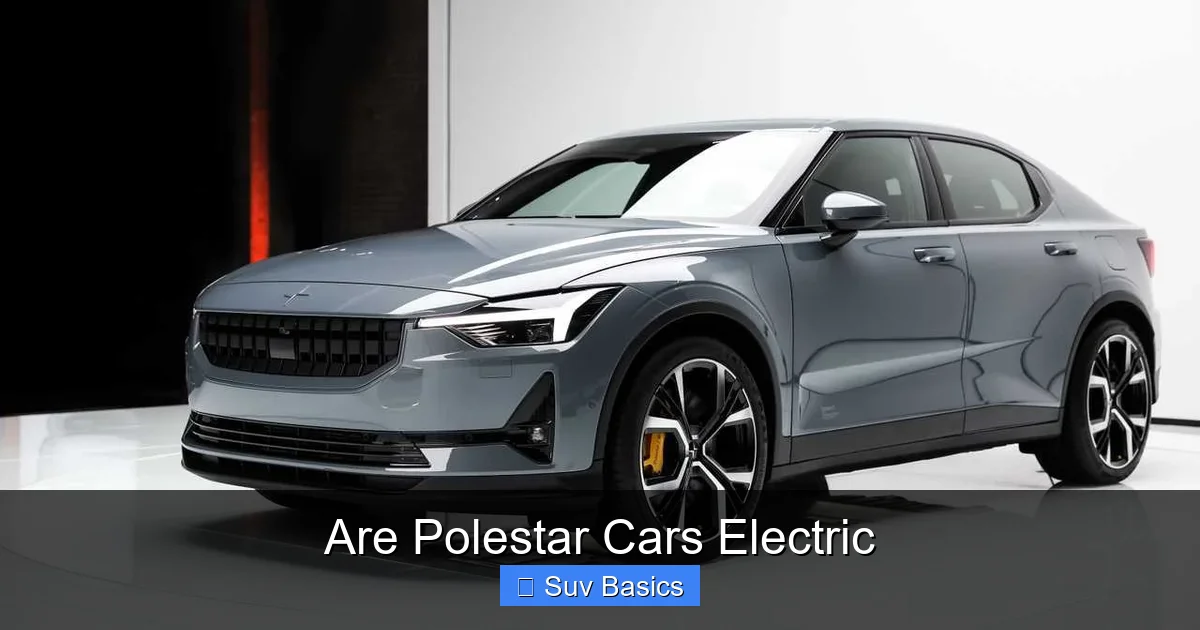
Yes, every Polestar vehicle is 100% electric. From the sleek Polestar 2 sedan to the upcoming Polestar 3 SUV, the brand is fully committed to sustainable, high-performance electric mobility without compromise.
Key Takeaways
- All Polestar models are fully electric: There are no gasoline or hybrid variants in the lineup.
- Polestar is a standalone EV brand: Born from Volvo’s performance division, it now operates independently with a focus on sustainability and innovation.
- Impressive range and performance: Models like the Polestar 2 offer up to 320 miles of EPA-estimated range and dual-motor all-wheel drive.
- Cutting-edge technology: Polestar vehicles feature Android Automotive OS, over-the-air updates, and advanced driver assistance systems.
- Commitment to sustainability: The company uses recycled materials and aims for a climate-neutral car by 2030.
- Expanding SUV lineup: The Polestar 3 and upcoming Polestar 4 and 5 are designed to compete in the premium electric SUV market.
- Fast charging capability: Most models support 150–250 kW DC fast charging, enabling 10–80% charge in under 30 minutes.
📑 Table of Contents
- Are Polestar Cars Electric? The Straight Answer
- Polestar’s Electric DNA: A Brief History
- Current Polestar Electric Models
- Why Choose a Polestar Electric SUV?
- Charging and Range: What to Expect
- The Future Is Electric—And Polestar Is Leading the Way
- Final Thoughts: Is a Polestar Right for You?
Are Polestar Cars Electric? The Straight Answer
If you’re considering stepping into the world of electric vehicles (EVs), you’ve probably come across the name Polestar. Sleek design, Scandinavian minimalism, and serious performance—these cars turn heads. But one question keeps popping up: Are Polestar cars electric?
The short answer? Yes, every single Polestar model is 100% electric. There are no gas-powered or hybrid versions in the lineup. Polestar is not just dipping its toes into the EV market—it’s diving in headfirst with a full commitment to zero-emission driving.
Unlike some automakers that offer both electric and internal combustion engine (ICE) variants of the same model, Polestar has built its entire identity around electric mobility. From the very beginning, the brand was designed to deliver high-performance, sustainable transportation without compromise. Whether you’re eyeing the sporty Polestar 2 or the rugged yet refined Polestar 3 SUV, you’re getting a pure electric vehicle (EV) every time.
Polestar’s Electric DNA: A Brief History
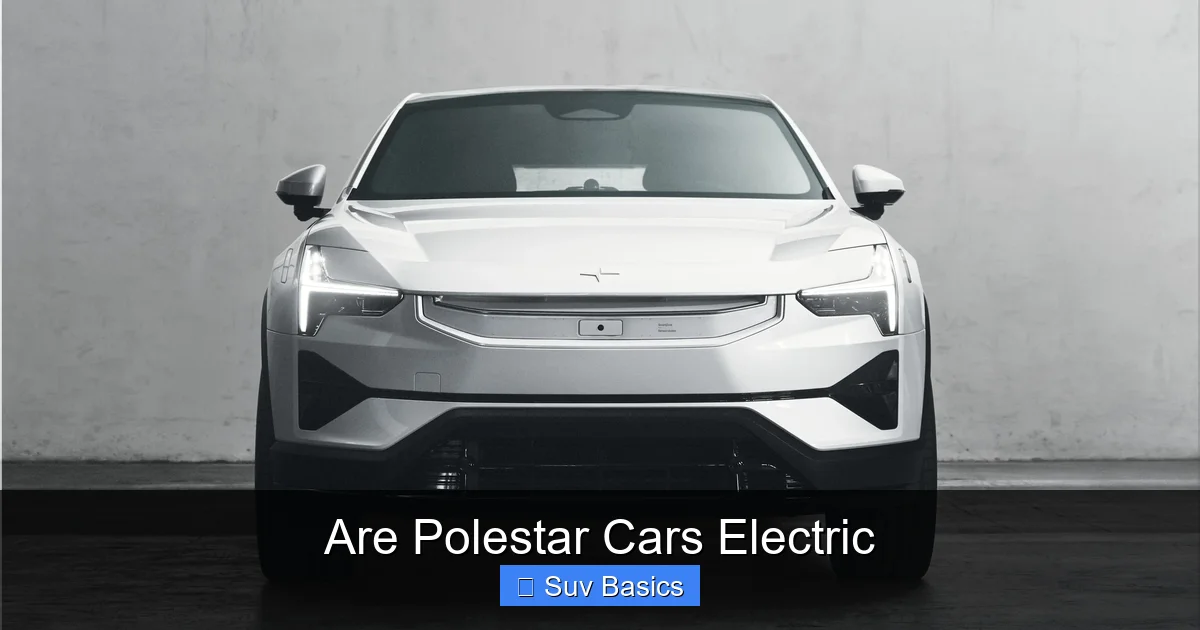
Visual guide about Are Polestar Cars Electric
Image source: electrichunter.com
To understand why Polestar cars are electric, it helps to know where the brand came from. Polestar started as the high-performance arm of Volvo Cars, known for tuning and racing Volvo models. Think of it like AMG for Mercedes or M for BMW—except Polestar evolved into something much bigger.
In 2017, Polestar became a standalone brand with a clear mission: to create electric performance cars that are both exciting to drive and kind to the planet. That same year, the Polestar 1—a plug-in hybrid grand tourer—was launched. While it had an electric motor, it still relied partly on gasoline. But that was the exception, not the rule.
By 2020, Polestar had fully pivoted to electric. The Polestar 2, a compact electric sedan, marked the brand’s true beginning as a pure EV manufacturer. Since then, every new model has been fully electric, and the company has publicly committed to a future without fossil fuels.
From Performance Tuning to Electric Leadership
Polestar’s roots in performance tuning gave it a unique advantage when transitioning to electric. Engineers who once optimized turbocharged engines now fine-tune electric motors for instant torque and razor-sharp handling. The result? EVs that don’t just save the planet—they also deliver a thrilling driving experience.
Today, Polestar operates independently from Volvo (though they still share technology and manufacturing), focusing exclusively on designing, building, and selling electric vehicles. This singular focus allows them to innovate faster and stay agile in the rapidly evolving EV market.
Current Polestar Electric Models
As of 2024, Polestar offers a growing lineup of electric vehicles, with a strong emphasis on SUVs and crossovers—perfect for families, adventurers, and urban commuters alike.
Polestar 2: The Electric Pioneer
The Polestar 2 was the brand’s first mass-market EV and remains its most popular model. It’s a sleek, five-door fastback that blends sporty handling with practicality. Available in several configurations, including a Long Range Dual Motor and a Performance Pack variant, the Polestar 2 delivers up to 320 miles of EPA-estimated range.
With dual electric motors producing up to 489 horsepower, the Polestar 2 can accelerate from 0 to 60 mph in just 4.1 seconds. That’s supercar territory—without a drop of gasoline. It also supports 150 kW DC fast charging, meaning you can recharge from 10% to 80% in about 27 minutes at a compatible station.
Inside, the Polestar 2 features a minimalist Scandinavian design with sustainable materials like vegan upholstery and recycled plastics. The infotainment system runs on Google’s Android Automotive OS, giving you built-in Google Maps, Google Assistant, and access to the Google Play Store—no phone required.
Polestar 3: The Electric SUV Arrives
The Polestar 3 is the brand’s first electric SUV, and it’s making waves in the premium segment. Designed for drivers who want space, versatility, and performance, the Polestar 3 offers up to 379 miles of range (WLTP) and dual-motor all-wheel drive.
With a bold, aerodynamic design and a high driving position, the Polestar 3 is perfect for both city driving and weekend getaways. It seats five comfortably and includes advanced safety features like adaptive cruise control, lane-keeping assist, and a 360-degree camera system.
One standout feature is the optional Performance Pack, which includes upgraded brakes, adjustable dampers, and a sportier suspension tune. Whether you’re cruising on the highway or tackling mountain roads, the Polestar 3 delivers a smooth, responsive ride.
Upcoming Models: Polestar 4 and Polestar 5
Polestar isn’t stopping here. The Polestar 4, a coupe-style electric SUV, is set to launch in 2024. It’s expected to offer even more range and performance, with a focus on sleek design and cutting-edge tech.
Meanwhile, the Polestar 5—a high-performance electric grand tourer—is in development and promises to rival the likes of the Porsche Taycan and Tesla Model S. With over 1,000 horsepower and a lightweight carbon fiber body, it’s shaping up to be a true electric sports car.
Why Choose a Polestar Electric SUV?
Sustainability Without Sacrifice
Polestar doesn’t just talk about sustainability—it builds it into every aspect of its vehicles. The company uses recycled materials throughout the cabin, including carpets made from reclaimed fishing nets and seat upholstery from recycled PET bottles.
Polestar is also transparent about its supply chain, publishing a “Life Cycle Assessment” (LCA) for each model. This report breaks down the carbon footprint from production to disposal, helping buyers make informed, eco-conscious choices.
The brand has set an ambitious goal: to create a truly climate-neutral car by 2030. That means eliminating emissions not just from driving, but from manufacturing, materials, and logistics.
Performance Meets Practicality
Let’s be honest—many electric SUVs prioritize range and efficiency over driving enjoyment. Not Polestar. Every model is engineered to deliver a dynamic, engaging driving experience.
Take the Polestar 3, for example. With its low center of gravity (thanks to the floor-mounted battery), precise steering, and adaptive air suspension, it handles corners with confidence. Whether you’re navigating tight city streets or open highways, it feels planted and responsive.
And with instant torque from the electric motors, acceleration is smooth and immediate—no waiting for a turbo to spool up.
Cutting-Edge Technology
Polestar vehicles are packed with tech that makes driving easier, safer, and more enjoyable. The Android Automotive OS infotainment system is one of the best in the business, offering seamless integration with Google services and over-the-air software updates.
You’ll also find advanced driver assistance systems (ADAS) like adaptive cruise control, blind-spot monitoring, and automatic emergency braking. The Polestar 3 even includes a LiDAR sensor (in some markets) for enhanced autonomous driving capabilities in the future.
Charging and Range: What to Expect
Real-World Range
The Polestar 2 offers up to 320 miles (EPA) on a single charge, while the Polestar 3 aims for over 370 miles (WLTP). Actual range depends on driving style, weather, and terrain, but both models are well-suited for daily commutes and long road trips.
For example, a Polestar 2 owner driving 40 miles round-trip to work could go a full week without charging—even in cold weather, thanks to the heat pump that improves efficiency.
Fast Charging Made Easy
Polestar supports DC fast charging up to 250 kW (on the Polestar 3), allowing you to add up to 180 miles of range in just 20 minutes. Most public charging networks, like Electrify America and Ionity, are compatible.
At home, you can charge using a Level 2 wallbox, which typically adds 25–30 miles of range per hour. Polestar also offers its own home charging solutions, including installation support.
The Future Is Electric—And Polestar Is Leading the Way
Polestar’s commitment to electric mobility isn’t just about selling cars—it’s about shaping the future of transportation. By focusing exclusively on EVs, the brand can innovate faster, reduce environmental impact, and deliver a more cohesive ownership experience.
From sustainable materials to cutting-edge tech and thrilling performance, Polestar proves that going electric doesn’t mean giving up on style, comfort, or excitement. Whether you’re looking for a compact sedan or a spacious SUV, there’s a Polestar model designed for you.
And as the lineup expands with the Polestar 4 and Polestar 5, the brand is poised to compete with the best in the premium EV market.
Final Thoughts: Is a Polestar Right for You?
If you’re ready to make the switch to electric, Polestar offers a compelling blend of performance, design, and sustainability. Every Polestar car is electric—no exceptions. That means you get zero emissions, lower running costs, and access to HOV lanes and tax incentives in many regions.
Whether you’re drawn to the Polestar 2’s sleek profile or the Polestar 3’s rugged versatility, you’re choosing a vehicle that’s built for the future. With impressive range, fast charging, and a focus on innovation, Polestar is more than just an EV brand—it’s a statement.
So, are Polestar cars electric? Absolutely. And they’re only getting better.
Frequently Asked Questions
Are all Polestar cars fully electric?
Yes, every current and planned Polestar model is 100% electric. The brand has no gasoline or hybrid vehicles in its lineup and is fully committed to zero-emission driving.
What is the range of a Polestar 2?
The Polestar 2 offers up to 320 miles of EPA-estimated range, depending on the configuration. Real-world range may vary based on driving conditions and climate.
Can I charge a Polestar at home?
Yes, Polestar vehicles can be charged at home using a Level 2 wallbox. Polestar also offers home charging solutions and installation support for convenience.
Does the Polestar 3 have all-wheel drive?
Yes, the Polestar 3 comes standard with dual-motor all-wheel drive, providing excellent traction and stability in all weather conditions.
What operating system does Polestar use?
Polestar vehicles use Google’s Android Automotive OS, which includes built-in Google Maps, Google Assistant, and access to the Google Play Store—no smartphone required.
Is Polestar owned by Volvo?
Polestar was originally part of Volvo but is now a standalone brand. While they share technology and manufacturing, Polestar operates independently with its own design and engineering teams.