
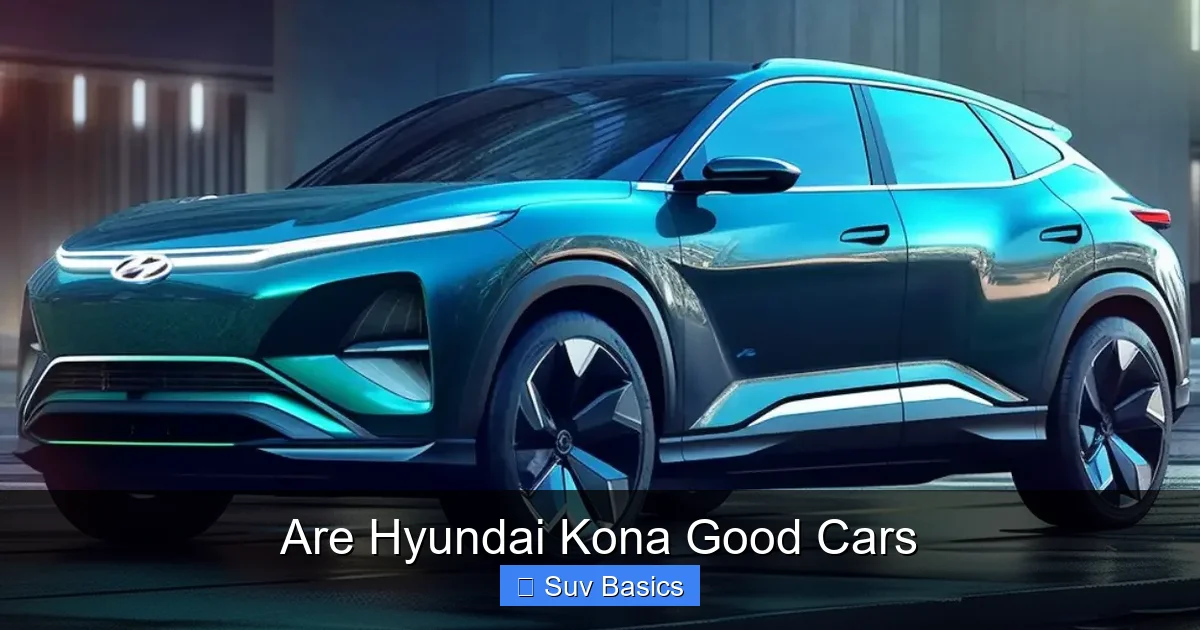
The Hyundai Kona is a stylish, fuel-efficient compact SUV that offers great value for money. With modern tech, a comfortable ride, and strong safety ratings, it’s a solid choice for city drivers and small families alike.
Key Takeaways
- Great Fuel Efficiency: The Kona delivers up to 32 mpg on the highway, making it one of the most efficient SUVs in its class.
- Modern Tech Features: Standard Apple CarPlay, Android Auto, and an intuitive infotainment system come even on base models.
- Strong Safety Ratings: Earned a 5-star overall safety rating from the NHTSA and high marks from IIHS for crash protection.
- Compact Yet Practical: Despite its small size, the Kona offers decent cargo space and a surprisingly roomy interior.
- Multiple Powertrain Options: Choose from gas, hybrid, or fully electric versions depending on your driving needs.
- Affordable Pricing: Starts under $25,000, offering excellent value compared to rivals like the Honda HR-V or Mazda CX-30.
- Smooth Ride Quality: Well-tuned suspension provides a comfortable drive on city streets and highways.
📑 Table of Contents
- Are Hyundai Kona Good Cars? A Complete Review
- Design and Styling: Bold Looks in a Small Package
- Performance and Fuel Economy: Efficient and Fun to Drive
- Technology and Infotainment: Smart Features for Everyday Use
- Reliability and Warranty: Peace of Mind Included
- Who Should Buy the Hyundai Kona?
- Potential Downsides to Consider
- Final Verdict: Are Hyundai Kona Good Cars?
Are Hyundai Kona Good Cars? A Complete Review
If you’re in the market for a compact SUV that blends style, efficiency, and modern tech without breaking the bank, the Hyundai Kona deserves a serious look. Since its debut in 2018, the Kona has carved out a strong reputation as one of the most appealing subcompact SUVs on the market. But are Hyundai Kona good cars, really? The short answer is yes—especially if you value affordability, fuel economy, and a youthful design.
Unlike some competitors that feel cramped or underpowered, the Kona strikes a smart balance between practicality and personality. Whether you’re navigating tight city streets, commuting daily, or taking weekend road trips, this little SUV holds its own. It’s not the largest or most powerful in its segment, but it makes up for that with smart engineering, a long list of standard features, and Hyundai’s industry-leading warranty.
Design and Styling: Bold Looks in a Small Package
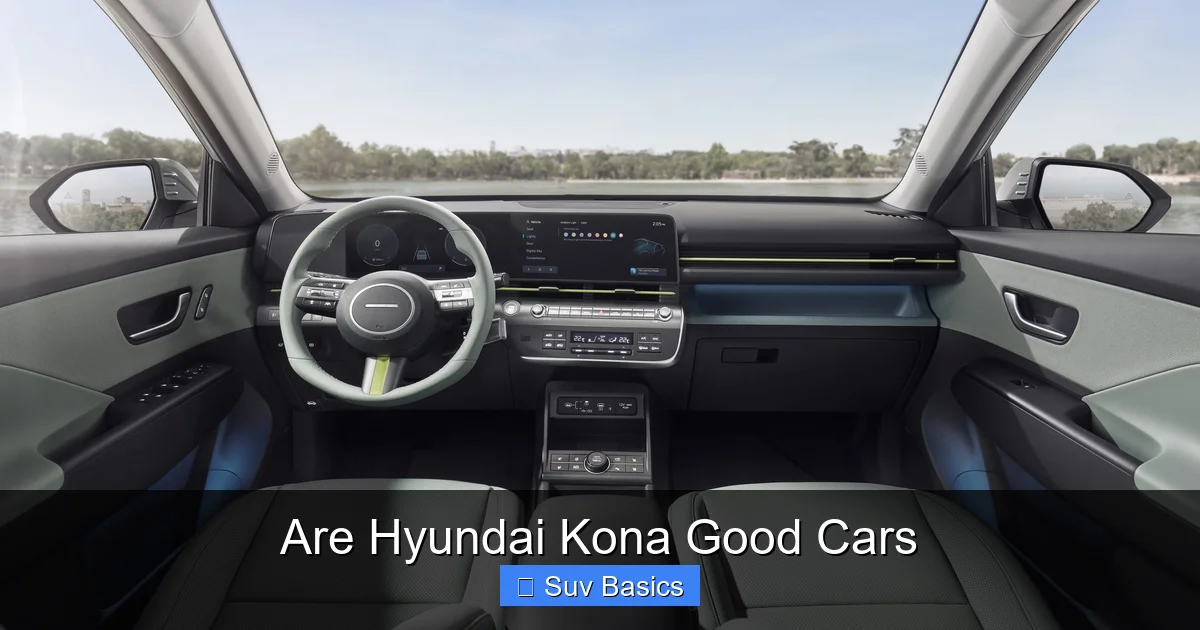
Visual guide about Are Hyundai Kona Good Cars
Image source: cdn.yournet.space
One of the first things people notice about the Hyundai Kona is its bold, modern design. With sharp lines, a cascading grille, and available two-tone paint options, the Kona stands out in a sea of bland SUVs. It looks more expensive than it is—a trick Hyundai has mastered across its lineup.
Exterior Appeal
The Kona’s exterior blends rugged SUV cues with sporty flair. LED headlights and daytime running lights are standard on most trims, giving it a high-tech appearance. The available 18-inch alloy wheels and roof rails add to its adventurous vibe, even if you’re just heading to the grocery store.
Interior Comfort and Materials
Inside, the Kona feels surprisingly upscale. Soft-touch materials, available leather upholstery, and a user-friendly layout make the cabin feel more premium than expected. The front seats are supportive, and even rear passengers get decent legroom—something not all subcompact SUVs can claim. Cargo space is limited compared to larger SUVs (about 19.2 cubic feet behind the rear seats), but it’s enough for weekend bags, groceries, or a small stroller.
Performance and Fuel Economy: Efficient and Fun to Drive
The Hyundai Kona offers a range of engines to suit different driving styles and needs. Whether you want maximum efficiency, a bit more power, or zero emissions, there’s a Kona for you.
Gas-Powered Options
The base engine is a 2.0-liter four-cylinder that produces 147 horsepower. It’s paired with a smooth continuously variable transmission (CVT) and delivers excellent fuel economy—up to 28 mpg in the city and 32 mpg on the highway. For drivers who want more pep, the turbocharged 1.6-liter four-cylinder engine bumps output to 195 horsepower and comes with a seven-speed dual-clutch automatic. This version is quicker off the line and more engaging on winding roads, though fuel economy drops slightly to around 25 mpg city and 30 mpg highway.
Hybrid and Electric Variants
For eco-conscious buyers, the Kona Hybrid combines a 1.6-liter engine with an electric motor for a total of 141 horsepower and even better fuel efficiency—up to 43 mpg combined. Then there’s the Kona Electric, which offers up to 258 miles of range on a full charge and delivers instant torque for zippy city driving. While the electric version is pricier, it qualifies for federal and state incentives that can significantly reduce the cost.
Technology and Infotainment: Smart Features for Everyday Use
Hyundai doesn’t skimp on tech, even in the base model. The Kona comes standard with an 8-inch touchscreen, Apple CarPlay, Android Auto, and Bluetooth connectivity. Higher trims add wireless charging, a premium Bose audio system, and a 10.25-inch digital instrument cluster.
Safety and Driver Assistance
Safety is a major strength for the Kona. All models come with Hyundai’s SmartSense suite, which includes forward collision warning, automatic emergency braking, lane-keeping assist, and driver attention monitoring. Available upgrades include blind-spot monitoring, rear cross-traffic alert, and adaptive cruise control. These features help the Kona earn top marks from safety organizations and give drivers peace of mind.
User-Friendly Interface
The infotainment system is intuitive and responsive. Physical buttons for climate and audio controls are a welcome touch, especially when driving. Voice commands work well for navigation and calling, and the system integrates seamlessly with smartphones.
Reliability and Warranty: Peace of Mind Included
One of the biggest reasons people ask, “Are Hyundai Kona good cars?” is because of Hyundai’s reputation for reliability and customer support. The Kona benefits from Hyundai’s industry-leading warranty: 5 years or 60,000 miles of basic coverage, and 10 years or 100,000 miles for the powertrain. That’s longer than most competitors offer.
Real-World Reliability
According to consumer reports and owner reviews, the Kona has held up well over time. Common issues are minor—like occasional infotainment glitches or tire wear—and are typically resolved quickly at dealerships. The electric version has also proven reliable, with battery degradation well within expected ranges after several years of use.
Resale Value
While not the highest in its class, the Kona’s resale value is respectable, especially for gas and hybrid models. The electric version may depreciate faster due to rapid advancements in EV technology, but it still holds value better than many other EVs.
Who Should Buy the Hyundai Kona?
The Hyundai Kona is ideal for a wide range of drivers. It’s perfect for urban commuters who need a nimble, fuel-efficient vehicle that’s easy to park. Young professionals, small families, and even retirees looking for a stylish, low-maintenance SUV will find a lot to like.
Best for City Living
Thanks to its compact size and tight turning radius, the Kona excels in crowded cities. It fits easily into small parking spaces and handles potholes and speed bumps with ease. The available all-wheel drive (AWD) adds confidence in rain or light snow, though it’s not meant for serious off-roading.
Great for First-Time Buyers
With its low starting price, strong warranty, and modern features, the Kona is an excellent choice for first-time car buyers. It’s also a smart pick for anyone upgrading from a sedan who wants a higher driving position and SUV versatility without sacrificing fuel economy.
Potential Downsides to Consider
No car is perfect, and the Kona has a few limitations. Rear cargo space is tight if you frequently haul large items. The ride can feel a bit firm on rough roads, especially with larger wheels. And while the turbo engine is fun, it’s not as refined as some rivals’ powertrains.
Still, these trade-offs are minor compared to the overall value the Kona delivers. For most drivers, the pros far outweigh the cons.
Final Verdict: Are Hyundai Kona Good Cars?
So, are Hyundai Kona good cars? Absolutely. They offer a compelling mix of style, efficiency, technology, and value. Whether you choose the gas, hybrid, or electric version, the Kona delivers a satisfying driving experience with few compromises.
It may not be the most powerful or spacious SUV in its class, but it makes up for that with smart design, strong safety features, and Hyundai’s excellent warranty. If you’re looking for a compact SUV that’s fun to drive, easy on gas, and packed with modern tech, the Hyundai Kona is one of the best choices available today.
Frequently Asked Questions
Is the Hyundai Kona reliable?
Yes, the Hyundai Kona is considered reliable. It benefits from Hyundai’s strong engineering and comes with a 10-year/100,000-mile powertrain warranty, which reflects the brand’s confidence in its durability.
How much does a Hyundai Kona cost?
The Hyundai Kona starts at around $24,000 for the base gas model. Prices increase with higher trims, AWD, and special editions. The Kona Electric starts closer to $35,000 before incentives.
What is the fuel economy of the Hyundai Kona?
The gas-powered Kona gets up to 28 mpg in the city and 32 mpg on the highway. The hybrid version achieves up to 43 mpg combined, while the electric model offers up to 258 miles of range.
Does the Hyundai Kona have all-wheel drive?
Yes, all-wheel drive is available on most gas and hybrid Kona trims. It’s not standard on the base model but can be added for better traction in wet or snowy conditions.
How safe is the Hyundai Kona?
The Kona earns top safety ratings, including a 5-star overall score from the NHTSA. It comes standard with advanced safety features like automatic emergency braking and lane-keeping assist.
Is the Hyundai Kona Electric worth it?
The Kona Electric is a great option if you have access to charging and drive mostly in the city. It offers smooth, quiet performance and low operating costs, though the upfront price is higher than gas models.