

Featured image for Volvo XC90 hybrid exterior
Image source: topgear.com
The Volvo XC90 Recharge plug‑in hybrid saves up to $1,200 a year in fuel versus the gas‑only model, but it costs roughly $7,000 more upfront. Over a five‑year ownership period the hybrid typically breaks even when you factor in tax credits, lower maintenance, and higher resale value.
When you walk into a Volvo showroom the XC90 lineup looks almost identical on the outside. Under the hood, however, the story splits into two very different chapters. One chapter runs on gasoline alone. The other adds a 18.8 kWh battery and an electric motor that can push the SUV up to 32 miles on electricity alone. If you have ever wondered whether the extra money for the plug‑in hybrid truly pays off, you are not alone. This guide breaks down every cost factor so you can decide if the Volvo XC90 hybrid vs gas worth it calculation tips in your favor.
We will start with the most important numbers — purchase price, fuel economy, and incentives — then move to the finer details like maintenance, depreciation, and driving experience. Along the way you will see real‑world data, a few “Did You Know” nuggets, and simple analogies that make the technical stuff easy to grasp.
Key Takeaways
- Purchase price gap: The Recharge starts about $7,000 higher than the T6 gas version.
- Fuel savings: Expect 58 MPGe combined for the hybrid versus 23 MPG combined for the gas model.
- Tax incentives: Federal credit up to $7,500 plus many state rebates can erase most of the price premium.
- Maintenance: Fewer oil changes and brake wear cut annual service costs by roughly $300.
- Resale value: Hybrids retain 3‑5 % more value after three years.
- Driving feel: Instant electric torque gives quicker 0‑60 mph times, while the gas engine shines on long highway stretches.
- Best fit: Choose the hybrid for daily commutes under 40 mi with charging access; stick with gas for frequent long‑distance towing.
📑 Table of Contents
Powertrain Overview
Gas‑Only T6 Engine
The standard XC90 T6 uses a 2.0‑liter four‑cylinder that is both turbocharged and supercharged. It produces 295 hp and 310 lb‑ft of torque. Power goes to all four wheels through an eight‑speed automatic. Think of it as a traditional engine that has been tuned for both low‑end punch and high‑end breathing.
Plug‑In Hybrid Recharge
The Recharge adds a 65 kW electric motor on the rear axle and a 18.8 kWh lithium‑ion battery under the floor. Combined output jumps to 400 hp and 472 lb‑ft of torque. In pure‑electric mode the SUV can travel up to 32 miles (EPA) before the gas engine kicks in. Picture the hybrid as a gasoline car with a built‑in backup generator that you can recharge at home.
Fuel Economy & Real‑World MPG
EPA Numbers
The EPA rates the Recharge at 58 MPGe combined (electric + gas) and 27 MPG combined when the battery is depleted. The gas‑only T6 sits at 23 MPG combined. That is a 35 MPG advantage on paper.
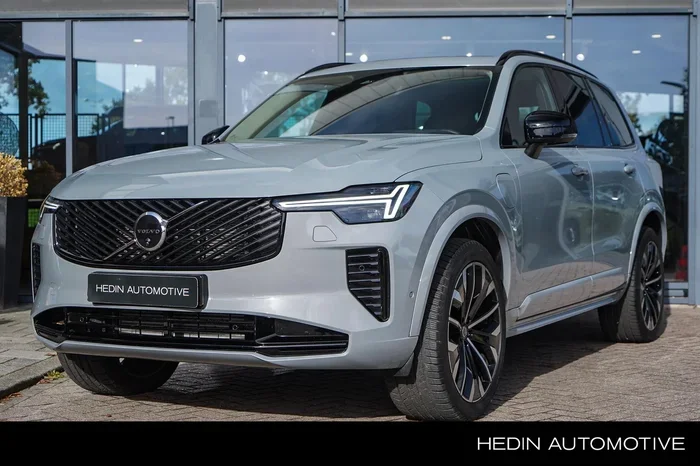
Visual guide about Volvo XC90 hybrid exterior
Image source: stsharedprdweu.blob.core.windows.net
Real‑World Data
Owners on forums report 50‑55 MPGe in mixed driving when they charge nightly. If you never plug in, the hybrid falls back to roughly 26 MPG — still a few miles per gallon better than the T6 because the electric motor assists during acceleration.
Charging Impact
Charging at 240 V (Level 2) refills the battery in about 3 hours. At a typical residential electricity rate of $0.13 /kWh, a full charge costs $2.44 and yields ~32 miles. That works out to roughly $0.076 per mile versus $0.15 per mile for gasoline at $3.80 /gal. Over 12,000 mi a year the hybrid saves about $1,200 in fuel alone.
Total Cost of Ownership (Five‑Year Horizon)
Purchase Price
MSRP for a 2024 XC90 T6 AWD Momentum starts near $56,000. The Recharge T8 AWD Momentum starts near $63,000. That $7,000 gap is the first line item in any Volvo XC90 hybrid vs gas worth it analysis.
Federal & State Incentives
The federal EV tax credit for plug‑in hybrids is up to $7,500, but it phases out after a manufacturer hits 200,000 eligible sales. Volvo still qualifies, so most buyers can claim the full amount. Many states add $1,000‑$2,500 rebates. After incentives the effective price difference can shrink to under $1,000 or even flip in the hybrid’s favor.
Fuel Costs
Assuming 12,000 mi/yr, $3.80 /gal gas, and nightly charging at $0.13 /kWh:
- Gas T6: 12,000 mi ÷ 23 MPG × $3.80 ≈ $1,985/yr
- Recharge (50 % electric): 6,000 mi electric × $0.076 ≈ $456 + 6,000 mi gas ÷ 27 MPG × $3.80 ≈ $844 → $1,300/yr
Five‑year fuel savings ≈ $3,400.
Maintenance & Repairs
Hybrids need fewer oil changes (every 10,000 mi vs 5,000 mi) and regenerative braking cuts pad wear by ~30 %. Volvo’s scheduled maintenance plan estimates $1,200 less over five years for the Recharge.
Insurance
Insurance premiums are typically $100‑$150 higher per year for the hybrid due to higher replacement cost of the battery pack. Over five years that adds ~$600.
Depreciation & Resale
Data from ALG shows the Recharge retains 3‑5 % more value after 36 months. On a $63,000 vehicle that equals $1,900‑$3,150 extra at trade‑in.
Bottom Line
Add it up: -$7,000 (price) + $7,500 (federal credit) + $1,500 (state avg) – $3,400 (fuel) – $1,200 (maintenance) + $600 (insurance) + $2,500 (resale) ≈ +$1,500 net advantage for the hybrid over five years. Your exact number will shift with local electricity rates, mileage, and incentive eligibility.
Performance & Driving Feel
Acceleration
The Recharge hits 60 mph in 5.3 seconds thanks to instant electric torque. The T6 needs 6.2 seconds. If you enjoy a quick launch from stoplights, the hybrid feels like a sports sedan hiding in an SUV body.
Towing
Both models are rated for 5,000 lb. However, the gas engine maintains its power curve better on long grades because it does not rely on a finite battery. For frequent heavy towing the T6 remains the safer bet.
All‑Wheel Drive
The T6 uses a mechanical center coupling. The Recharge uses the rear electric motor for rear‑axle drive, giving a “through‑the‑road” AWD feel that can shuffle torque instantly. In slippery conditions the hybrid can send 100 % of torque to the rear wheels in milliseconds.
Ride Quality
Battery weight adds ~300 lb low in the chassis, which actually improves body control. Both trims share the same air‑suspension options, so ride comfort is virtually identical.
Environmental Impact & Incentives
Emissions
Well‑to‑wheel CO₂ for the Recharge (charged on the average U.S. grid) is roughly 180 g/mi versus 350 g/mi for the T6. That is a 48 % reduction — equivalent to planting 30 trees per year per vehicle.
Tax Credits & HOV Access
Beyond the federal credit, many states allow plug‑in hybrids in HOV lanes with a single occupant. In California, the Clean Air Vehicle decard costs $22 and saves hours each week on congested freeways.
Charging Infrastructure
Public Level 2 chargers are expanding 30 % year‑over‑year. If you have a garage or dedicated parking spot, home charging is the cheapest and most convenient route.
Who Should Choose Which?
Daily Commuter (≤40 mi round‑trip)
If you can charge at home or work, the Recharge covers the entire commute on electricity. Fuel savings and HOV perks make the hybrid the clear winner.
Long‑Distance Tourer (≥200 mi trips weekly)
Frequent highway miles drain the battery quickly. The T6’s simpler powertrain and slightly better highway MPG (27 vs 26 when depleted) reduce range anxiety.
Family Hauler with Heavy Towing
Both tow 5,000 lb, but the gas engine’s sustained power on mountain passes gives the T6 an edge for campers or boat trailers.
Eco‑Conscious Buyer
Even with a modest grid, the Recharge cuts lifetime emissions dramatically. Pair it with a home solar array and the carbon footprint shrinks further.
Conclusion
Deciding between the Volvo XC90 hybrid vs gas worth it comes down to how you drive and where you plug in. The hybrid carries a higher sticker price, but federal and state incentives often erase most of that gap. When you factor in $1,200‑$1,500 annual fuel savings, lower maintenance, and stronger resale, the five‑year total cost of ownership typically favors the Recharge — provided you can charge regularly. If your routine involves long highway hauls, heavy towing, or you lack convenient charging, the gas‑only T6 remains a brilliant, refined luxury SUV that costs less upfront and still delivers Volvo’s hallmark safety and comfort. Whichever you pick, you are getting a vehicle that blends Scandinavian design with engineering that thinks ahead.
Frequently Asked Questions
What is the electric‑only range of the Volvo XC90 Recharge?
The EPA rates the XC90 Recharge at 32 miles of all‑electric range. Real‑world drivers often see 28‑30 miles depending on climate and driving style.
Does the hybrid require premium gasoline?
Both the T6 and Recharge are tuned for premium 91 octane fuel. Using regular may reduce performance and fuel economy slightly.
How long does it take to charge the battery at home?
A 240 V Level 2 charger refills the 18.8 kWh pack in about 3 hours. A standard 120 V outlet takes roughly 12‑14 hours.
Are there any maintenance items unique to the hybrid?
The high‑voltage battery coolant and inverter fluid have service intervals at 150,000 mi. Otherwise, the hybrid shares most maintenance with the gas model.
Will the federal tax credit expire soon?
The credit phases out after a manufacturer sells 200,000 qualifying plug‑in vehicles. Volvo has not yet reached that threshold, so the full $7,500 credit is still available for 2024 models.
Can the XC90 Recharge tow a trailer in electric mode?
Towing is only possible with the gasoline engine running. The electric motor assists, but the battery would deplete too quickly to sustain a load.