
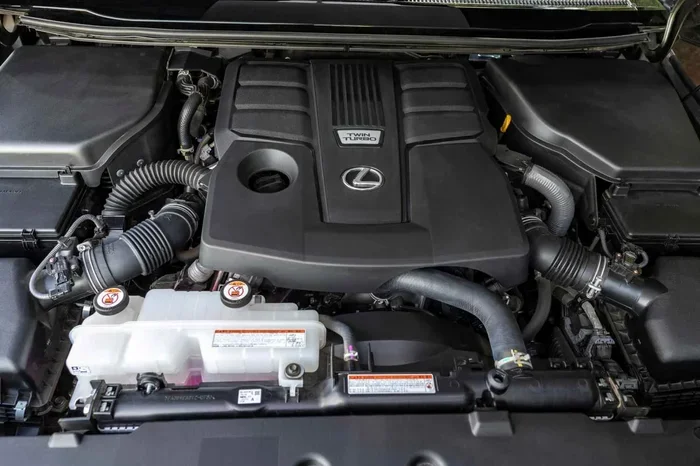
Featured image for Lexus GX engine repair
Image source: ozroamer.com.au
The Lexus GX is a legendary off-roader, but specific model years suffer from costly frame rust, dashboard cracking, and transmission issues that can run repair bills into the thousands. Knowing these weak spots before you buy or service your SUV can save you significant money and headaches down the road.
You have probably heard the legends. The Lexus GX is often called the “unkillable” SUV. It shares bones with the Toyota Land Cruiser Prado and the 4Runner. It has a body-on-frame construction. It has a low-range transfer case. It looks the part and plays the part. But if you are shopping for a used one, or if you already own one, you need to know the truth. Even legends have an Achilles’ heel.
We are talking about the kind of repairs that make your wallet weep. We are talking about frame rot that turns a structural component into lace. We are talking about dashboards that turn into a sticky, bubbling mess in the summer sun. We are talking about transmission shudders that feel like driving over a cattle guard at 40 miles per hour. This guide breaks down the Lexus Gx common expensive problems you absolutely need to know. We will cover the specific model years, the warning signs, the repair costs, and how to protect your investment.
Key Takeaways
- Frame Rust is the #1 Killer: 2003–2009 models (GX 470) are notorious for severe frame corrosion, often totaling the vehicle if not caught early.
- Dashboard Melting: 2010–2013 GX 460 models frequently develop sticky, melting, or cracking dashboards due to defective materials, costing $1,500+ to replace.
- Transmission Torque Converter Shudder: Many GX 460s (2010–2015) experience a distinct vibration at low speeds caused by torque converter lock-up failure.
- Water Pump & Timing Belt (GX 470): The 4.7L V8 requires a major service every 90k–100k miles; skipping it risks catastrophic engine damage.
- Rear Air Suspension Failure: The height-adjustable rear air bags on GX 460 models often leak, leading to a sagging rear end and expensive compressor replacement.
- Crawl Control & Multi-Terrain Select Glitches: Electronic off-road aids can fail due to sensor corrosion or software bugs, disabling 4LO functionality.
- Pre-Purchase Inspection is Non-Negotiable: Always verify frame condition, service records for the timing belt/water pump, and dashboard integrity before buying used.
📑 Table of Contents
- The Two Generations: Know Your Platform
- The “Total Loss” Threat: Frame Rust on the GX 470
- The “Sticky Dashboard” Epidemic: GX 460 (2010–2013)
- The “Cattle Guard” Vibration: Torque Converter Shudder (GX 460)
- The Major Maintenance Bill: Timing Belt vs. Timing Chain
- The Sagging Rear: Air Suspension Failure (GX 460)
- The Brains: KDSS, Crawl Control, and Sensor Gremlins
- Buying Guide: Years to Avoid and Years to Target
- Preventative Maintenance: The “Pay Me Now” Plan
- DIY vs. Pro: What You Can Actually Do
- Conclusion: The Cost of Capability
The Two Generations: Know Your Platform
Before we dive into the specific failures, you have to know which generation you are dealing with. The problems are vastly different because the engineering is vastly different. Think of it like two different animals wearing the same badge.
First Generation: GX 470 (2003–2009)
This is the classic. It rides on the Toyota 120-series platform (shared with the 4Runner and FJ Cruiser). It uses the legendary 2UZ-FE 4.7-liter V8. It uses a 5-speed automatic transmission. It uses a timing belt. It has a fully boxed ladder frame. It is simple, rugged, and heavy. The electronics are minimal. The weak points here are almost entirely mechanical and chemical (rust).
Second Generation: GX 460 (2010–Present)
This rides on the Toyota 150-series platform. It uses the 1UR-FE 4.6-liter V8. It uses a 6-speed automatic (later 8-speed). It uses a timing chain. It has a more open “C-channel” frame design in the rear. It is packed with complex electronics: Crawl Control, Multi-Terrain Select, Kinetic Dynamic Suspension System (KDSS), and a power rear hatch. The weak points here are a mix of electronics, materials science (dashboard), and design quirks.
The “Total Loss” Threat: Frame Rust on the GX 470
If you only read one section of this article, make it this one. This is the single most expensive problem plaguing the first generation. It is not a repair; it is often a death sentence for the vehicle.
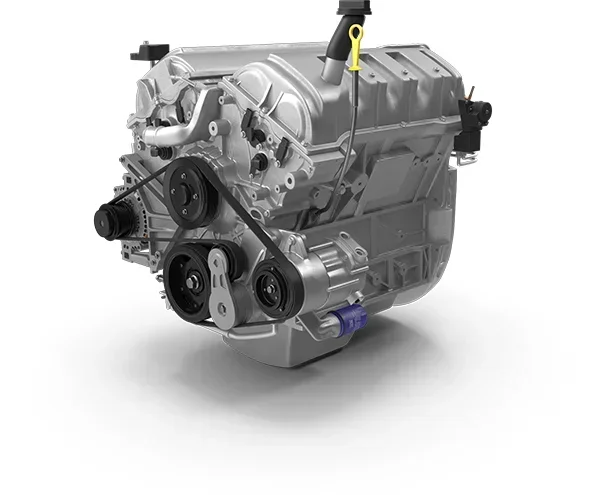
Visual guide about Lexus GX engine repair
Image source: resources.servicemycar.com
Why It Happens
The GX 470 uses a fully boxed frame. Think of a hollow steel rectangle running the length of the truck. It is incredibly strong. But it has a design flaw. The inner cavities trap moisture, road salt, and mud. There are drainage holes, but they are small and clog easily. Once water gets in, it sits. It stews. It eats the steel from the inside out.
Did You Know? Toyota issued a Limited Service Campaign (LSC Z0T) for 2003–2008 models in cold-weather states. They would inspect the frame and apply anti-corrosion compound. If the frame failed inspection, Toyota would replace the entire frame. That program expired years ago. You are on your own now.
Where to Look
Grab a flashlight and a screwdriver. Poke these spots:
- Rear Crossmember: Right behind the rear bumper, where the trailer hitch mounts. This is ground zero.
- Front Spring Perches: Where the front coil springs sit on the frame rails.
- Control Arm Mounts: The brackets welded to the frame for the lower control arms.
- Body Mounts: The rubber pucks where the body bolts to the frame. Rust here lets the body shift.
- Inside the Frame Rails: Tap the frame with a hammer. A healthy frame rings like a bell. A rotted frame sounds like a dull thud. If your screwdriver pokes through, walk away.
The Cost Reality
A professional frame replacement costs $8,000 to $15,000. That exceeds the value of most GX 470s on the market today. Shops often refuse the liability. If you buy a GX 470 with a rusty frame, you bought a parts truck. Always, always get a pre-purchase inspection (PPI) specifically focused on the frame if you live in the Rust Belt or near the coast.
The “Sticky Dashboard” Epidemic: GX 460 (2010–2013)
This is the most visible, annoying, and surprisingly expensive interior defect in the Lexus lineup. It affects the 2010 through 2013 model years specifically. Later years (2014+) received a revised material formulation.
The Science of the Melt
Lexus used a specific soft-touch coating on the dashboard substrate. The chemical composition was sensitive to high heat and humidity. Over time, the plasticizers in the coating migrate to the surface. The result? A dashboard that feels like melted crayon. It gets sticky. It attracts dust and lint. It reflects blinding glare off the windshield. Eventually, it cracks and peels like a bad sunburn.
It is not just cosmetic. A cracking dashboard can interfere with passenger airbag deployment. The sensor for the passenger airbag (OCS sensor) sits right under that melting plastic. If the dash warps, the sensor reads wrong. The airbag might not deploy for an adult, or might deploy for a child. That is a safety recall waiting to happen.
The Fix and The Bill
There is no “fix” other than replacement. You cannot clean it off. You cannot spray it. You have to replace the entire dashboard pad assembly. This requires removing the entire instrument panel, the steering column, the HVAC ducts, and the passenger airbag module. It is a 10-to-12-hour labor job.
- Parts: $800 – $1,200 (varies by color/trim).
- Labor: $1,000 – $1,800.
- Total: $1,800 – $3,000+.
Pro Tip: Check for a “Customer Support Program” (CSP). Lexus extended coverage for this to 10 years/unlimited mileage for a while. Call a dealer with your VIN. If you are outside that window, you pay. Dash covers (carpet or molded plastic) are a cheap band-aid ($50–$150) but they look like a band-aid.
The “Cattle Guard” Vibration: Torque Converter Shudder (GX 460)
You are cruising at 35–45 mph. Light throttle. The transmission locks up the torque converter for fuel economy. Suddenly, the whole truck shudders. It feels like you drove over rumble strips. You let off the gas, it stops. You give it gas, it downshifts and stops. This is the infamous torque converter lock-up shudder.
What Is Actually Happening
The torque converter has a clutch plate inside. It locks the engine directly to the transmission input shaft. The friction material on that clutch plate degrades. The transmission fluid (ATF) loses its friction modifiers. The clutch grabs, slips, grabs, slips. Shudder. Shudder. Shudder. It is most common on 2010–2015 models with the 6-speed AB60F transmission.
The “Flush” Gamble
Many owners try a “triple drain and fill” (drain, drive, drain, drive, drain, fill) with genuine Toyota WS (World Standard) fluid. Sometimes it works for 20k miles. Sometimes it does nothing. It is a $150–$300 gamble.
The Real Fix
If the flush fails, you need a new torque converter. That means pulling the transmission.
- Torque Converter: $400 – $700.
- Labor (R&R Trans): $800 – $1,500.
- Fresh Fluid: $150.
- Total: $1,350 – $2,350.
Ignore it long enough, and the shudder generates metal shavings. Those shavings clog the valve body. Then you need a valve body ($800+) or a full rebuild ($4,000+). Do not ignore the rumble strips.
The Major Maintenance Bill: Timing Belt vs. Timing Chain
This is where the generation split hits your wallet hardest. It is the difference between a scheduled $1,500 service and an “oops, I skipped it” $6,000 engine replacement.
GX 470: The Timing Belt (Interference Engine)
The 2UZ-FE 4.7L V8 is an interference engine. The pistons and valves occupy the same space at different times. The timing belt keeps them in sync. If the belt snaps, the pistons smash the valves. Engine destroyed.
Lexus says replace every 90,000 miles or 72 months. Smart mechanics say 75,000 miles. You do not just replace the belt. You do the “Kit.”
- Timing Belt.
- Water Pump (driven by the timing belt).
- Idler Pulleys (2).
- Tensioner.
- Camshaft Seals (2).
- Crankshaft Seal.
- Valve Cover Gaskets (since you are there).
- Thermostat (cheap insurance).
- Coolant.
Cost: $1,200 – $2,000 at an independent shop. $2,500+ at a dealer. If the water pump weeps coolant onto the belt, the belt slips. If the tensioner seizes, the belt snaps. Do it all at once. Do not cheap out on the water pump. A $60 pump saves a $6,000 engine.
GX 460: The Timing Chain (Mostly Maintenance Free)
The 1UR-FE 4.6L V8 uses a timing chain. It is designed to last the life of the engine. However. The chain tensioners rely on oil pressure. If you run low on oil, or use cheap oil, or go 15,000 miles between changes, the tensioners collapse. The chain rattles. It stretches. It jumps time. Then you have the same interference engine disaster.
Did You Know? The 1UR-FE has a known issue with the VVT (Variable Valve Timing) gears on the intake cams. The internal lock pins can fail, causing a loud rattle on cold startup. It is not catastrophic immediately, but it degrades performance and fuel economy. Replacement involves removing the valve covers and timing chain cover. Labor intensive.
The Sagging Rear: Air Suspension Failure (GX 460)
The GX 460 comes standard with a height-adjustable rear air suspension. It looks cool. It self-levels when you load the roof rack or tow a trailer. It has two air bags (air springs) in the rear and a compressor under the rear cargo floor on the passenger side.
The Leak Down
The rubber bladders in the air springs dry rot. They develop pinhole leaks. The compressor runs constantly to keep the truck level. You hear it buzzing in the garage at 2 AM. Eventually, the compressor burns out from overwork. Or the bag blows out completely. The rear end drops to the bump stops. The ride becomes brutal. The headlights point at the trees.
The Diagnostic Trap
Many owners replace the compressor first. It is easier to access. But if the bags are leaking, the new compressor will just burn out again in a month. You must soap-test the bags and lines first. Spray soapy water on the folds of the air spring. Bubbles = leak.
The Costs
- Rear Air Springs (Pair, OEM): $600 – $900.
- Compressor Assembly (OEM): $400 – $600.
- Height Sensors / Relay / Fuses: $100 – $200.
- Labor: 2–4 hours.
- Total System Refresh: $1,500 – $2,500.
The “Delete” Option
Many off-roaders delete the air suspension entirely. They install heavy-duty coil springs (like Old Man Emu, Dobinsons, or King) and passive shocks. You lose the auto-leveling and the “Height High” mode. You gain reliability, better articulation off-road, and zero compressor noise. Cost: $1,000 – $1,800 for a quality kit. It is often the smarter long-term play.
The Brains: KDSS, Crawl Control, and Sensor Gremlins
The GX 460 is a computer on wheels. The Kinetic Dynamic Suspension System (KDSS) is hydraulic magic. It disconnects the sway bars off-road for massive articulation. On road, it stiffens them for flat cornering. It uses a hydraulic pump, accumulators, and valves. It is brilliant. Until it leaks.
KDSS Leaks
The hydraulic lines run the length of the frame. They rub on frame brackets. They corrode. The accumulator spheres (nitrogen charged) lose pressure. Symptoms: Lean in corners. Clunking over bumps. “KDSS Malfunction Visit Dealer” light on the dash. Repairing a KDSS line is $300–$600. Replacing the pump or valve block is $1,500+. Deleting KDSS (installing standard sway bars) is a popular $500–$800 fix for serious off-roaders.
Crawl Control / Multi-Terrain Select Failures
These systems rely on wheel speed sensors, yaw sensors, steering angle sensors, and brake pressure sensors. A single faulty $80 wheel speed sensor (ABS sensor) can disable Crawl Control, Multi-Terrain Select, VSC, TRAC, and sometimes even 4LO. The dash lights up like a Christmas tree. The fix is often just cleaning the sensor tip or replacing the sensor. But diagnosing which sensor requires a high-end scanner (Techstream), not a $20 code reader.
The Power Rear Hatch Struts
A minor but annoying expense. The gas struts that hold the heavy power liftgate up fail around 80k–100k miles. The hatch falls on your head (or groceries). The motor strains. Replacement struts are $100–$150 for the pair. DIER friendly. Do it before the motor burns out ($400+).
Buying Guide: Years to Avoid and Years to Target
If you are shopping right now, use this cheat sheet. It saves you from the worst of the Lexus Gx common expensive problems.
The “Danger Zone” Years
- 2003–2004 GX 470: Early frame rust susceptibility. Early 5-speed transmission programming can be hunt-y. “Drive-by-wire” throttle pedal sensor failures (expensive pedal assembly).
- 2010–2013 GX 460: The Melting Dashboard years. Early 6-speed transmission torque converter shudder peak. Early KDSS valve body issues.
The “Sweet Spot” Years
- 2005–2009 GX 470: Updated frame coating (slightly better). 5-speed trans refined. V8 proven. Caveat: Frame rust still the #1 check. If you find a clean frame, this is the most bulletproof mechanical package.
- 2014–2019 GX 460: Revised dashboard material (mostly fixed melt). Updated torque converter friction material (less shudder). KDSS refined. 2016+ gets Lexus Safety System+ (radar cruise, pre-collision). 2018+ gets CarPlay/Android Auto.
- 2020–Present GX 460: Minor trim updates. Same solid 4.6L/6-speed/8-speed combo. Still has air suspension and KDSS complexity.
The New Kid: 2025+ GX 550
The all-new GX 550 (Tundra/Tacoma platform, twin-turbo V6, 10-speed auto) is too new for reliability data. Early reports mention transmission hunting and turbo wastegate rattle. Wait for 3 years of data if you are risk-averse.
Preventative Maintenance: The “Pay Me Now” Plan
You cannot stop rust entirely (unless you fluid film annually). You cannot stop the dash from melting if the chemistry is bad. But you can prevent 90% of the mechanical expensive problems with discipline.
Fluid Discipline
These trucks hold a lot of fluid. Change them on a severe schedule (every 30k miles):
- Engine Oil: 0W-20 Synthetic. 7.9 quarts (GX 460). 6.6 quarts (GX 470). Every 5k–7k miles. No 10k intervals.
- Transmission Fluid (WS): Drain and fill every 30k–40k miles. Do not “flush” with a machine. Drain pan, measure what came out, put that much back in. Repeat 3 times over 3 weeks for a near-total swap.
- Transfer Case & Diffs: 75W-90 GL-5. Every 30k miles. Front diff on GX 460 is ADD (Automatic Disconnecting Differential) – it sees more stress.
- Coolant: Toyota Super Long Life Coolant (Pink). Every 100k miles. Distilled water only for mixing.
- Brake Fluid: DOT 3 or 4. Every 2 years. Hygroscopic fluid boils = soft pedal.
- Power Steering (GX 470): Dexron III / ATF. Turkey baster the reservoir every oil change. Full flush every 60k.
The Annual “Underneath” Inspection
Put it on a lift (or ramps) once a year. Check:
- Frame rust progression (wire brush & POR-15 / Fluid Film any surface rust).
- Brake lines (copper nickel lines rust through).
- Fuel lines (same).
- Exhaust manifolds (GX 470 manifolds crack at the collector; ticking noise on cold start).
- Steering rack boots (tear = dirt in = rack replacement $1,200).
- Drive shaft U-joints & carrier bearing (clunk on takeoff).
Protect the Dashboard (GX 460)
If you have a 2010–2013, or even a later one in Arizona/Florida/Texas: Use a windshield sun shade every time you park. Crack the windows. UV and heat accelerate the plasticizer migration. A $20 shade saves a $2,500 dash.
DIY vs. Pro: What You Can Actually Do
You want to save money. Good. But know your limits.
Green Light (Easy DIY)
- Oil / Filter changes.
- Air / Cabin filters.
- Brake pads / Rotors (if you have a caliper tool).
- Rear Air Spring replacement (if you have spring compressors or buy pre-assembled struts).
- Wheel speed sensors.
- Power hatch struts.
- Battery (register new battery with Techstream/carly if start-stop equipped).
Yellow Light (Advanced DIY)
- Timing Belt / Water Pump (GX 470) – Needs torque wrench, harmonic balancer puller, cam holder tool, 8+ hours, patience.
- Transfer Case / Diff fluid – Needs pump, correct torque specs.
- Valve Cover Gaskets (GX 470) – Intake manifold removal required.
- KDSS Line replacement – Hydraulic fluid is messy; system needs bleeding.
Red Light (Pro Only)
- Frame Repair / Replacement.
- Dashboard Replacement (Airbag safety, sheer complexity).
- Torque Converter / Transmission R&R.
- Timing Chain / VVT Gears (GX 460) – Front cover removal, precise timing procedures.
- Steering Rack Replacement.
- Exhaust Manifold Replacement (GX 470) – Studs snap in head; high risk of pulling threads.
Conclusion: The Cost of Capability
The Lexus GX is a masterpiece of engineering. It will take you places a unibody crossover only dreams of. It will coddle you in leather and silence while doing it. It holds its value better than almost anything on four wheels. But that capability comes with a tax.
The tax is paid in vigilance. It is paid in fluid changes at 30,000 miles instead of 60,000. It is paid in crawling under the truck with a hammer and a can of Fluid Film every autumn. It is paid in researching the VIN history for frame recalls and dashboard campaigns. If you pay the tax, the GX gives you 300,000 miles of loyalty. If you ignore the tax, the GX becomes the most expensive lawn ornament you have ever owned.
Know the generation. Know the specific failure points. Budget for the timing belt (GX 470) or the air suspension delete (GX 460). Buy the cleanest frame you can find. And enjoy the view from the driver’s seat. You are piloting a legend. Just keep the legend structural.
Frequently Asked Questions
What is the most expensive repair on a Lexus GX 470?
Frame replacement due to rust is the most expensive repair, often costing $8,000 to $15,000, which usually exceeds the vehicle’s value. The second most costly is an engine replacement caused by a snapped timing belt, running $5,000 to $7,000.
Which Lexus GX years have the melting dashboard problem?
The melting, sticky dashboard issue primarily affects the 2010, 2011, 2012, and 2013 Lexus GX 460 models. Lexus revised the dashboard material composition for the 2014 model year, largely resolving the issue.
Is the Lexus GX 460 timing chain a maintenance item?
The timing chain on the GX 460’s 4.6L V8 is designed to be maintenance-free for the life of the engine. However, the VVT (Variable Valve Timing) intake gears are a known failure point that can cause cold-start rattles and require significant labor to replace.
Can I convert the GX 460 air suspension to regular coils?
Yes, converting to a passive coil spring suspension is a very popular and reliable modification. It eliminates the compressor, air bags, and height sensors, costing roughly $1,000–$1,800 for a quality kit, which is often cheaper than repairing the OEM air system.
How often should I change the transmission fluid in a Lexus GX?
For both the GX 470 (5-speed) and GX 460 (6-speed/8-speed), a drain-and-fill every 30,000 to 40,000 miles is recommended for longevity. Use only genuine Toyota WS (World Standard) fluid. Avoid machine power flushes.
Does the Lexus GX 470 have an interference engine?
Yes, the 2UZ-FE 4.7L V8 in the GX 470 is an interference engine. If the timing belt breaks, the pistons will collide with the valves, causing catastrophic engine damage. The timing belt and water pump must be replaced every 90,000 miles or 72 months.