

Featured image for Mercedes GLE air suspension
Image source: cdn-ds.com
The typical Mercedes GLE air suspension replacement cost ranges from $1,200 to $3,500 depending on model year, parts choice, and labor rates. Understanding the components, warranty coverage, and reputable repair shops can help you avoid surprise bills and keep your ride smooth.
If you own a Mercedes GLE, you already know the ride quality is a big part of the appeal. The air suspension system gives you that cloud‑like comfort and the ability to raise or lower the vehicle at the push of a button. But like any sophisticated system, it can wear out. When it does, the first question on most owners’ minds is the Mercedes GLE air suspension replacement cost. This guide breaks down every factor that influences the price, shows you where you can save, and helps you decide whether to go to a dealer, an independent shop, or attempt a DIY repair.
We’ll start with the basics — what the system does, why it fails, and who typically performs the work. Then we’ll dive into the numbers, compare OEM versus aftermarket parts, explore labor rates across the country, and finish with practical tips to keep your suspension healthy for years to come. By the end, you’ll have a clear picture of what to expect on the invoice and how to make the smartest financial decision for your SUV.
Key Takeaways
- Average cost: Expect to pay between $1,200 and $3,500 for a full air suspension replacement on a Mercedes GLE.
- Parts matter: OEM air springs and compressors cost more than quality aftermarket alternatives but often last longer.
- Labor varies: Dealership labor rates average $150‑$200 per hour; independent specialists may charge $100‑$130 per hour.
- Warranty coverage: Factory warranty or extended service plans can cover most or all of the expense if the vehicle is still within the coverage period.
- DIY risk: Replacing air suspension components yourself is possible but requires specialized tools and calibration software.
- Preventive maintenance: Regular inspection of air lines, compressor health, and ride height sensors can extend system life and reduce future costs.
- Shop selection: Choose a shop with Mercedes‑specific diagnostic equipment to avoid misdiagnosis and repeat repairs.
📑 Table of Contents
- What Is the Mercedes GLE Air Suspension System?
- Breaking Down the Mercedes GLE Air Suspension Replacement Cost
- When Should You Replace the Air Suspension?
- Choosing Between Dealer, Independent Shop, and DIY
- Warranty, Extended Service Plans, and Insurance
- Preventive Maintenance Tips to Extend Air Suspension Life
- Real‑World Example: Cost Breakdown for a 2022 GLE 450
- Conclusion
What Is the Mercedes GLE Air Suspension System?
Core Components
The air suspension on a GLE consists of four air springs (one at each corner), an air compressor, a reservoir tank, electronic ride‑height sensors, and a control module that talks to the vehicle’s CAN bus. Think of the air springs as heavy‑duty balloons that replace traditional coil springs. The compressor pumps air into the reservoir, and the control module tells each spring how much pressure it needs based on load, speed, and driver settings.
How It Differs From Conventional Springs
Conventional steel springs have a fixed rate — they compress the same amount every time. Air springs can change their stiffness on the fly. When you load the trunk with luggage, the system adds pressure to keep the ride height level. When you switch to “Sport” mode, it reduces pressure for a firmer feel. This adaptability is why many owners love the system, but it also adds more parts that can fail.
Common Failure Points
Did you know? According to a 2023 survey by a leading automotive reliability firm, air spring leaks account for roughly 55 % of all GLE suspension complaints, while compressor failures make up about 30 %. The remaining 15 % involve sensor or control‑module issues. Leaks usually start as a slow hiss that you might hear when the car is parked. Over time the compressor works overtime, leading to premature wear.
Breaking Down the Mercedes GLE Air Suspension Replacement Cost
Parts Pricing
OEM air springs for a 2020‑2024 GLE typically run $350‑$500 each. A full set of four can cost $1,400‑$2,000. The compressor assembly adds another $600‑$900. If you need a new control module, budget $400‑$700. Aftermarket kits from reputable brands (e.g., Arnott, Bilstein) often sell a complete four‑spring kit for $900‑$1,200, and a compressor for $350‑$500. While the upfront savings are attractive, OEM parts usually carry a 12‑month warranty versus 24‑month for many aftermarket suppliers.
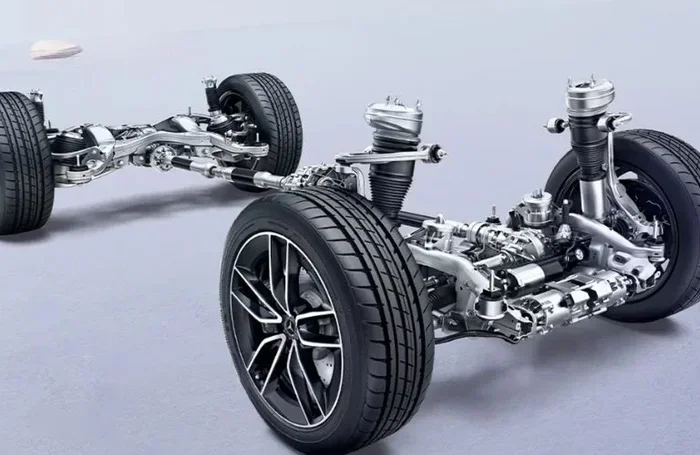
Visual guide about Mercedes GLE air suspension
Image source: cdn-ds.com
Labor Rates
Dealership labor rates in the United States average $150‑$200 per hour. A full replacement takes 6‑8 hours, so labor alone can be $900‑$1,600. Independent Mercedes specialists often charge $100‑$130 per hour, bringing labor to $600‑$1,040. Some shops offer a flat‑rate “air suspension package” that bundles parts and labor for $2,200‑$2,800, which can be a simpler way to budget.
Geographic Variation
Costs vary by region. In the Northeast and West Coast, expect the high end of the range. In the Midwest and South, you may find deals 10‑15 % lower. Always request a written estimate that separates parts, labor, and any diagnostic fees.
Total Cost Scenarios
- Dealer OEM full replacement: $3,200‑$3,500
- Independent shop OEM parts: $2,500‑$2,900
- Independent shop quality aftermarket: $1,800‑$2,200
- DIY with aftermarket kit (tools not included): $1,200‑$1,500
These numbers assume a 2021 GLE 350 with no additional damage. If the compressor has seized and contaminated the lines, you may need a full line flush, adding $200‑$400.
When Should You Replace the Air Suspension?
Warning Signs
Watch for these symptoms: the vehicle sits lower on one corner, the “Suspension Fault” message appears on the dashboard, the compressor runs continuously, or you hear a hissing noise near the wheel wells. A quick visual inspection can reveal cracked air springs or oil residue around the compressor.
Mileage and Age Guidelines
Most manufacturers design air springs to last 80,000‑100,000 miles under normal driving. However, harsh climates (extreme heat or road salt) can cut that life in half. If your GLE is approaching 70,000 miles and you notice any of the warning signs, it’s wise to schedule a diagnostic before a complete failure leaves you stranded.
Diagnostic Process
A proper scan tool reads live data from the ride‑height sensors and the control module. The technician will command the system to raise and lower each corner, checking for pressure hold. This step is crucial — replacing only the leaking spring while a faulty sensor remains will cause the new spring to fail prematurely.
Choosing Between Dealer, Independent Shop, and DIY
Dealer Advantages
Dealerships use factory‑trained technicians, genuine Mercedes parts, and the latest software updates. They also honor any remaining factory warranty or certified pre‑owned coverage. The downside is the highest price tag.
Independent Specialist Benefits
Many independent shops focus exclusively on German brands. They often have the same diagnostic computers (e.g., Xentry) as dealers but charge lower labor rates. Ask for references and verify they carry liability insurance.
DIY Considerations
Replacing air springs yourself is doable if you have a hydraulic jack, jack stands, a torque wrench, and a Mercedes‑compatible scan tool for system calibration. The biggest hurdle is the calibration step — without it, the vehicle may enter “limp mode” and refuse to adjust ride height. If you’re not comfortable with electronic diagnostics, the risk of a costly re‑repair outweighs the savings.
Hybrid Approach
Some owners buy the parts online (OEM or quality aftermarket) and pay a shop only for labor and calibration. This can shave $300‑$600 off the total bill while still ensuring professional installation.
Warranty, Extended Service Plans, and Insurance
Factory Warranty
The original new‑vehicle limited warranty covers air suspension defects for 4 years or 50,000 miles, whichever comes first. If you’re within that window, the repair is free — provided the failure isn’t due to accident damage or modifications.
Extended Warranty / Vehicle Service Contracts
Third‑party extended warranties often list “air suspension” as a covered component, but read the fine print. Some contracts exclude wear‑and‑tear items or require a deductible per visit. A typical deductible is $100‑$250.
Insurance Claims
If a road hazard (pothole, debris) caused the damage, comprehensive coverage may apply. You’ll need a police report or a shop’s damage assessment. Keep in mind that filing a claim can raise premiums.
Preventive Maintenance Tips to Extend Air Suspension Life
Regular Visual Checks
Every 10,000 miles, inspect the air springs for cracks, bulges, or oil leaks. Look at the compressor’s intake filter — a clogged filter forces the compressor to work harder.
Keep the System Clean
Road salt and grime accelerate corrosion on the air lines and compressor housing. A quick rinse of the undercarriage after winter driving helps.
Monitor Ride Height Settings
Frequent use of the “Off‑Road” or “Load” settings cycles the compressor more often. If you rarely need those modes, keep the system in “Comfort” or “Auto” to reduce wear.
Software Updates
Mercedes releases periodic control‑module updates that improve compressor management and leak detection. Ask your dealer or specialist to check for updates during routine service.
Use Quality Replacement Parts
If a single spring fails, replace it in pairs (both front or both rear) to maintain balanced damping. Mixing a new OEM spring with an old aftermarket one can cause uneven ride height and premature failure of the newer part.
Real‑World Example: Cost Breakdown for a 2022 GLE 450
John, a GLE 450 owner in Texas, noticed his rear passenger side sagging after a long road trip. He took the SUV to a local Mercedes‑focused independent shop. The diagnostic fee was $120 (waived if he proceeded). The shop found a torn rear air spring and a weak compressor. They quoted:
- Two rear OEM air springs: $950
- Remanufactured compressor: $650
- Labor (7 hours @ $115/hr): $805
- Calibration & software update: $150
- Shop supplies & disposal: $85
Total: $2,640. John opted for the remanufactured compressor (12‑month warranty) and saved about $300 versus a brand‑new unit. The shop completed the work in one day, and the ride height returned to factory specs.
Conclusion
Understanding the Mercedes GLE air suspension replacement cost puts you in control when that inevitable service visit arrives. The price range is wide because it hinges on parts choice, labor rates, and whether any warranty coverage applies. By knowing the typical failure points, recognizing early warning signs, and comparing dealer versus independent shop quotes, you can avoid overpaying and keep your GLE gliding smoothly for many more miles. Remember, a little preventive care — regular inspections, clean undercarriage, and timely software updates — goes a long way toward postponing that next big repair bill.
Frequently Asked Questions
What is the average Mercedes GLE air suspension replacement cost?
The average cost falls between $1,200 and $3,500, depending on whether you use OEM or aftermarket parts, dealer or independent labor, and your geographic location.
Can I replace just one air spring instead of all four?
It is possible, but most technicians recommend replacing springs in pairs (both front or both rear) to maintain balanced ride height and prevent premature wear on the new component.
Does the factory warranty cover air suspension repairs?
Yes, the original 4‑year/50,000‑mile limited warranty covers defects in the air suspension system, provided the failure isn’t caused by accident damage or unauthorized modifications.
Is it safe to drive with a leaking air spring?
Driving with a leak can cause the vehicle to sit unevenly, reduce handling stability, and overwork the compressor, leading to more expensive damage. It’s best to address the leak promptly.
What tools are needed for a DIY air suspension replacement?
You’ll need a hydraulic jack, jack stands, torque wrench, a Mercedes‑compatible scan tool for calibration, and basic hand tools. Specialized spring compressors are not required because the system uses air pressure.
How can I lower the Mercedes GLE air suspension replacement cost?
Shop around for independent Mercedes specialists, consider quality aftermarket kits, buy parts yourself and pay only for labor and calibration, and keep up with preventive maintenance to avoid premature failures.