
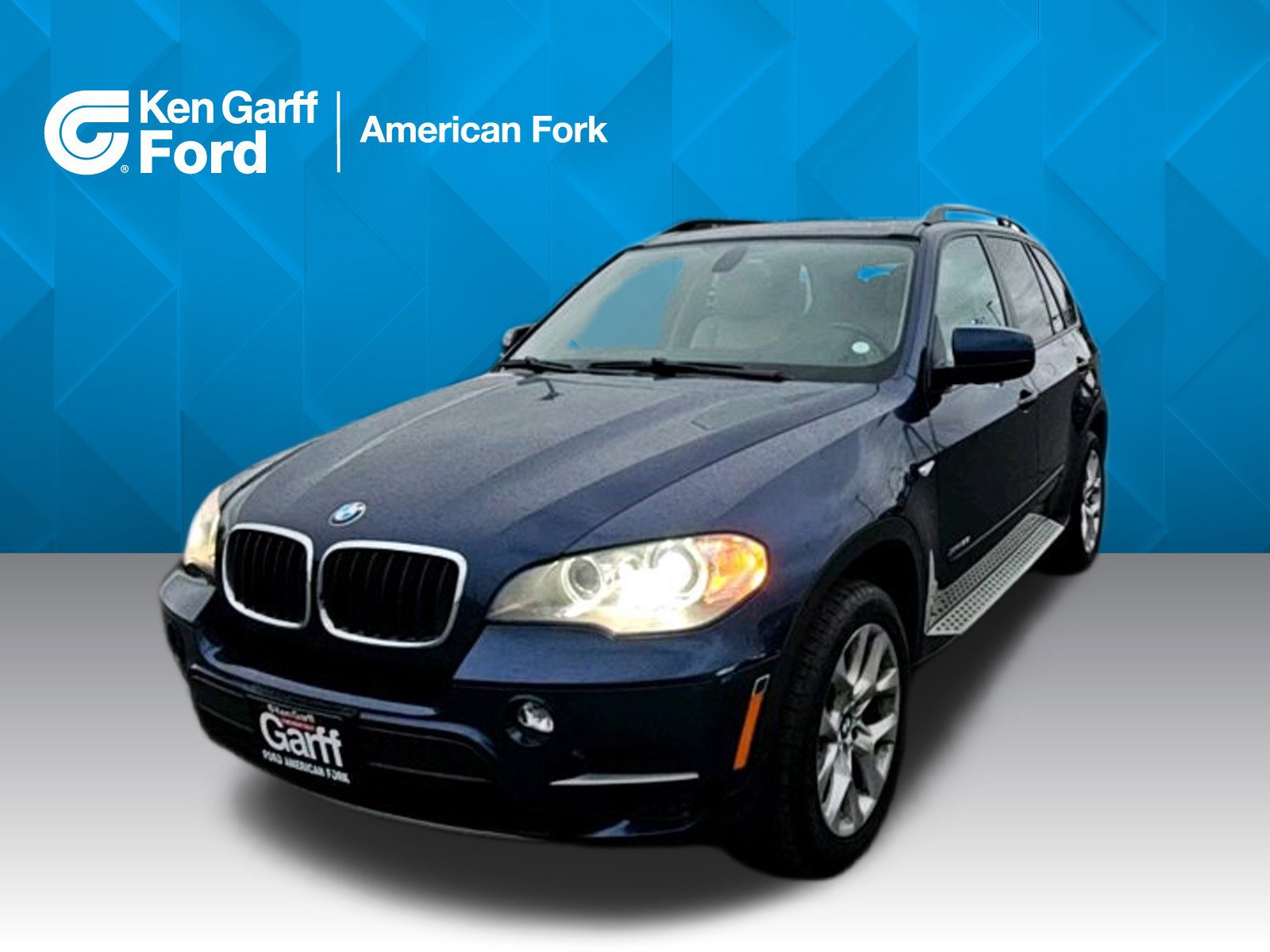
The 2013 BMW X5 xDrive35i remains a compelling used luxury SUV, but choosing between the Premium trim and the base model requires a clear understanding of what each actually delivers. Both share the same turbocharged inline‑six and all‑wheel‑drive system, yet the Premium package adds a bundle of comfort, technology, and aesthetic upgrades that can sway the ownership experience. This guide breaks down every meaningful difference — features, pricing, real‑world costs, and long‑term reliability — so you can decide which version fits your needs and budget.
Quick Specification Comparison
| Feature | xDrive35i (Base) | xDrive35i Premium |
|---|---|---|
| Engine | 3.0L N55 turbo I6 | 3.0L N55 turbo I6 |
| Horsepower / Torque | 300 hp / 300 lb‑ft | 300 hp / 300 lb‑ft |
| Transmission | 8‑speed automatic | 8‑speed automatic |
| Drivetrain | xDrive AWD | xDrive AWD |
| EPA Fuel Economy (city/hwy) | 18 / 25 mpg | 18 / 25 mpg |
| 0‑60 mph | ~6.1 seconds | ~6.1 seconds |
| Standard Leather | Leatherette | Dakota leather |
| Navigation | Optional | Standard |
| Audio System | 9‑speaker | 16‑speaker Harman Kardon |
| Sunroof | Optional panoramic | Standard panoramic |
| Original MSRP (approx.) | $56,000 | $59,000 |
Data sourced from BMW archives and EPA fuel economy ratings.
2013 BMW X5 xDrive35i Overview
The second‑generation X5 (E70 chassis) entered its final year in 2013 with a refined N55 single‑turbo inline‑six replacing the earlier twin‑turbo N54. This engine delivers linear power, smoother throttle response, and better fuel efficiency than its predecessor. All xDrive35i models come with BMW’s xDrive all‑wheel‑drive system, which defaults to a 40/60 front/rear torque split but can redirect up to 100% to either axle — useful for both wet pavement and light off‑road duty. You can also read our guide on what is an suv.
Inside, the cabin seats five with an optional third row (rare on xDrive35i). Cargo space measures 34.5 cubic feet behind the second row and expands to 76.7 cubic feet with seats folded. Build quality is high, with soft‑touch materials on most surfaces, though the base model uses leatherette on seating surfaces while the Premium trim upgrades to Dakota leather with contrast stitching.
For a broader look at how this generation fits into the segment’s evolution, see our coverage of SUV evolution. You can also read our guide on top luxury suvs of.
Premium vs Standard: Feature Breakdown
Exterior Differences
Visually, the two trims are nearly identical. Both wear the same 19‑inch alloy wheels (style 338 on base, style 339 on Premium), LED taillights, and chrome window surrounds. The Premium adds chrome roof rails, a chrome‑finished kidney grille slats, and body‑color lower bumpers with chrome inserts — subtle cues that signal the higher trim to trained eyes.
 2013 X5 xDrive35i showing standard 19‑inch wheels and chrome grille accents.
Interior & Comfort
The most tangible daily differences live inside. The Premium trim includes:
- Dakota leather on seats, door panels, and armrests (base gets leatherette).
- Heated front seats standard (optional on base).
- Four‑zone automatic climate control (base has dual‑zone).
- Power‑adjustable steering column with memory (base is manual tilt/telescope).
- Ambient lighting with selectable colors.
Rear passengers benefit from the same legroom (37.9 inches) in both trims, but the Premium’s standard panoramic sunroof adds an airy feel. If you frequently carry adults in the back, the four‑zone climate and rear sunshades (Premium only) are noticeable upgrades.
Technology & Infotainment
Both trims run BMW’s iDrive 6.0 on a 10.2‑inch center display with a rotary controller. The Premium makes navigation standard — a $2,150 option on the base — and upgrades the audio to a 16‑speaker Harman Kardon surround system (base gets a 9‑speaker setup). Bluetooth phone and audio streaming are standard across the board. Smartphone integration (Apple CarPlay/Android Auto) was not offered in 2013; aftermarket units are a common retrofit today.
For a deeper dive into how premium packages stack up across brands, our premium package breakdown offers useful context.
Safety Features
Every 2013 X5 includes six airbags, stability control, traction control, anti‑lock brakes, and active head restraints. Optional on both trims: adaptive cruise control with Stop & Go, lane‑departure warning, blind‑spot monitoring, and a rearview camera (standard on Premium, optional on base). The NHTSA safety ratings awarded the X5 a 5‑star overall score, with 4 stars in frontal crash and 5 stars in side impact.
Performance & Driving Dynamics
Because the powertrain is identical, acceleration, passing power, and towing capacity (6,000 lbs properly equipped) are the same. The 8‑speed ZF automatic shifts imperceptibly in normal driving and holds gears aggressively in Sport mode. Steering is hydraulic (not electric), delivering genuine feedback — a rarity in modern SUVs.
Ride quality differs slightly: the Premium often comes with the Adaptive Drive package (air suspension with active roll stabilization) as part of common option groups, while the base typically runs conventional steel springs with passive dampers. In practice, the air suspension improves composure over broken pavement and reduces body lean in corners, but it adds complexity and potential repair costs down the road.
Fuel Economy & Real‑World MPG
EPA estimates stand at 18 mpg city / 25 mpg highway / 21 mpg combined. Real‑world data from owners suggests 19–22 mpg combined is typical with mixed driving. Premium fuel (91 octane minimum) is required — a non‑negotiable for the N55’s high compression and turbocharging. For a broader look at why luxury engines demand higher octane, see our notes on premium fuel requirements.
Pricing, Depreciation & Used Market Value (2026)
Original MSRP spread was roughly $3,000. In 2026, that gap has largely evaporated on the used market. Clean examples with 80,000–110,000 miles typically list between $12,000 and $18,000, with Premium trims commanding a $1,000–$2,000 premium only when equipped with desirable options (Adaptive Drive, rear entertainment, 20‑inch wheels). High‑mileage units (130k+) dip below $10,000 but often defer maintenance.
Depreciation has bottomed out; well‑maintained X5s are now appreciating slightly as enthusiast interest grows for the last hydraulic‑steering, N55‑powered generation.
Ownership Costs: Maintenance, Repairs & Insurance
Common Maintenance Items
| Item | Interval | Typical Cost (Indie Shop) |
|---|---|---|
| Oil & filter (synthetic 0W‑30) | 10,000 mi / 12 mo | $180–$250 |
| Brake pads & rotors (front) | 50,000–70,000 mi | $600–$900 |
| Brake fluid flush | 2 years | $150–$200 |
| Coolant flush | 100,000 mi | $250–$350 |
| Transfer case & diff fluids | 60,000 mi | $300–$450 |
| Spark plugs | 60,000 mi | $300–$400 |
Known N55 Quirks
- Oil filter housing gasket leak — nearly universal by 80k miles; $350–$500 repair.
- Electric water pump & thermostat — fail without warning around 90k–110k miles; $600–$900.
- Valve cover gasket — seepage common at 100k+; $400–$600.
- VANOS solenoids — rough idle/codes; $300–$500 pair.
Air suspension (if equipped) adds potential compressor ($800) and air spring ($400 per corner) failures. Budget $1,500–$2,500 annually for repairs on a 13‑year‑old X5 with average mileage. Insurance averages $1,400–$1,800/year for full coverage, varying by location and driver profile.
Tire choice matters: the staggered 19‑inch setup (255/50R19 front, 285/45R19 rear) limits rotation. A quality all‑season set like the Continental PremiumContact 5 runs ~$1,200 mounted and balanced.
Which Trim Makes Sense for You?
| Choose Base xDrive35i if… | Choose Premium if… |
|---|---|
| You want the lowest purchase price. | You value leather, heated seats, and navigation daily. |
| You plan to add aftermarket tech (CarPlay, dash cam). | You prefer OEM integration and Harman Kardon audio. |
| You’ll DIY maintenance and avoid air‑suspension complexity. | You want the panoramic sunroof and four‑zone climate. |
| You’re okay with leatherette and manual steering column. | You’ll keep the vehicle long‑term and want higher resale appeal. |
In practice, the Premium’s standard navigation and leather age better than the base’s optional equivalents. If the price difference on a specific listing is under $1,500, the Premium is usually the smarter buy.
Buying a Used 2013 X5: Inspection Checklist
- Cold‑start video — listen for timing‑chain rattle (N55 chains are durable but tensioners can fail).
- Oil filter housing — check for fresh oil residue; a recent gasket replacement is a plus.
- Water pump/thermostat — ask for receipts; if not done, negotiate $800 off.
- Air suspension (if equipped) — cycle ride heights via iDrive; listen for compressor noise.
- Transmission fluid — ZF 8HP “lifetime” fluid should be changed every 60k; verify history.
- XDrive transfer case — ensure fluid changed at 60k intervals; binding on tight turns indicates wear.
- Brake rotors — check for lip wear; rear rotors often warp first.
- Electronics — test every iDrive function, parking sensors, camera, Bluetooth, all power seats/steering column.
- Tires — confirm matching brand/model on each axle; staggered sizes mean no rotation.
- Service records — a folder of indie‑shop invoices beats a clean Carfax with no paperwork.
Bring a BMW‑capable scan tool (or pay a specialist for a pre‑purchase inspection) to read shadow codes for VANOS, fuel trims, and transmission adaptations.
Frequently Asked Questions
What are the main differences between the 2013 X5 xDrive35i Premium and Standard?
The Premium trim adds Dakota leather, heated front seats, standard navigation, Harman Kardon audio, panoramic sunroof, four‑zone climate, power steering column with memory, ambient lighting, and chrome exterior accents. Mechanically they are identical.
Is the performance of both models the same?
Yes. Both use the 300‑hp N55 turbo inline‑six, 8‑speed automatic, and xDrive AWD. 0‑60 mph, towing, and fuel economy are indistinguishable.
Which model offers better interior features?
The Premium provides genuine leather, heated seats, upgraded audio, and standard navigation — features that cost over $4,000 as options on the base model.
Are there any notable safety differences?
Both share the same core safety structure and standard equipment. The Premium includes a rearview camera and parking sensors as standard; they were optional on the base.
Does the 2013 X5 require premium fuel?
Yes. BMW specifies 91 octane minimum for the N55 engine. Using regular risks knock, reduced power, and potential long‑term damage.
What are the most common repairs on a 2013 X5 xDrive35i?
Oil filter housing gasket, electric water pump/thermostat, valve cover gasket, VANOS solenoids, and (if equipped) air‑suspension components.
Is the 2013 X5 a reliable used SUV?
It is above average for its class if maintenance is current. The N55 engine is sturdy, but deferred cooling‑system and gasket work leads to expensive breakdowns.
How much should I budget for annual maintenance?
Plan $1,500–$2,500 per year for a 100k‑mile example, covering fluids, wear items, and the inevitable gasket/pump repairs.
Conclusion
The 2013 BMW X5 xDrive35i Premium and Standard share an excellent powertrain and chassis, but the Premium’s standard equipment — leather, navigation, panoramic roof, and upgraded audio — delivers a noticeably richer daily experience for a modest used‑market premium. If you find a well‑documented Premium with the cooling‑system refresh already done, it’s the lower‑risk purchase. Base models make sense only if the price gap exceeds $2,000 and you’re comfortable adding aftermarket tech or living without heated seats.
Before you commit, schedule a pre‑purchase inspection with a BMW‑focused independent shop. A thorough once‑over will reveal whether the next $2,000 in maintenance has already been spent — or is waiting for you. Ready to start your search? Filter listings by service history first, trim second.