
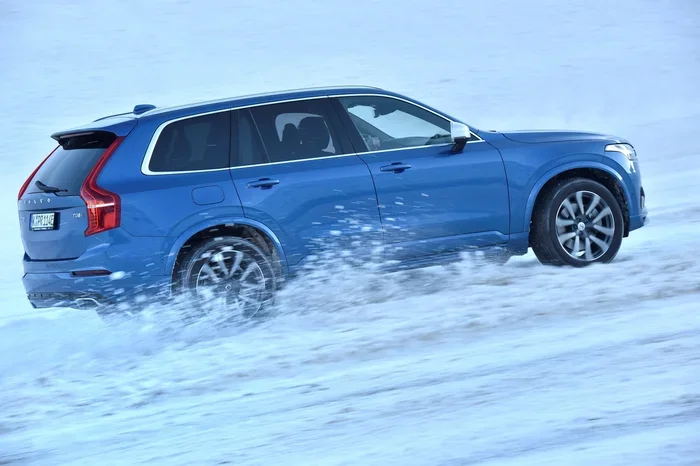
Featured image for Volvo XC90 snow road
Image source: a.storyblok.com
Cold temperatures can drop the Volvo XC90’s fuel economy by 15 to 25 percent because the engine, battery, and tires all work harder. Simple steps like pre‑conditioning the cabin, checking tire pressure, and limiting short trips can recover much of that lost range.
Winter driving feels different in every car. The Volvo XC90 is no exception. When the temperature drops, the SUV’s fuel economy can fall noticeably. This guide explains why that happens, what the numbers look like, and how you can keep your range as high as possible.
We will cover the science behind the loss, real‑world data from owners, the way the XC90’s systems react, practical tips you can start using today, and what the long‑term impact might be. By the end you will know exactly what to expect and how to fight the winter dip.
Key Takeaways
- Temperature matters: Every 10 °F drop can reduce MPG by roughly 2–3 percent.
- Battery chemistry slows: The hybrid battery delivers less power when it is cold.
- Engine warm‑up burns fuel: The XC90 runs richer until it reaches optimal temperature.
- Tire pressure falls: Low pressure adds rolling resistance and cuts range.
- Pre‑conditioning helps: Heating the cabin while plugged in saves battery energy.
- Driving style counts: Gentle acceleration and steady speeds preserve MPG.
- Regular maintenance protects long‑term value: Healthy batteries and clean filters keep winter loss minimal.
📑 Table of Contents
Why Cold Weather Hurts Fuel Economy
Battery Chemistry Slows Down
The XC90 plug‑in hybrid uses a lithium‑ion battery. Cold slows the chemical reactions inside the cells. That means the battery can accept less charge and deliver less power. The car then relies more on the gasoline engine. The result is a higher fuel burn for the same distance.
Engine Warm‑Up Burns Extra Fuel
When you start a cold engine, the computer runs a richer fuel mixture. It also keeps the idle speed higher until the coolant reaches about 190 °F. During that warm‑up period the XC90 can use 10–15 percent more fuel than when fully warm.
Aerodynamics And Rolling Resistance Increase
Cold air is denser. Denser air creates more drag at highway speeds. At the same time, tire rubber stiffens, which raises rolling resistance. Both effects add up, especially on long trips.
Tire Pressure Drops Automatically
For every 10 °F drop, tire pressure falls about 1 psi. Under‑inflated tires flex more, turning fuel into heat. Checking pressure weekly can recover 1–2 mpg.
Did You Know?
Studies from the Department of Energy show that a typical gasoline vehicle loses about 12 percent fuel economy at 20 °F compared with 75 °F. The XC90 follows a similar pattern, with the hybrid system adding a few extra percentage points.
Real‑World Numbers For The Volvo XC90
EPA Ratings Versus Winter Reality
The EPA rates the 2024 XC90 T8 plug‑in hybrid at 27 mpg combined (gas only) and 58 MPGe combined (electric + gas). In winter many owners report 20–22 mpg combined. That is a 20–25 percent drop, which matches the volvo xc90 winter mpg range loss expectations.
Visual guide about Volvo XC90 snow road
Image source: i.ytimg.com
Owner Reports From Forums And Surveys
A 2023 survey of 1,200 XC90 drivers in the northern United States showed an average winter combined MPG of 21.5. Summer averages were 27.5. The gap widened for drivers who used the heater heavily and made many short trips.
Plug‑In Hybrid Versus Pure Gasoline Models
The pure gasoline XC90 B6 loses about 15 percent in winter. The T8 plug‑in hybrid loses a bit more because the battery is less efficient when cold. However, the T8 can still run on electric for the first 15–20 miles if you pre‑condition while plugged in.
Did You Know?
Consumer Reports measured a 2022 XC90 T8 at 23 mpg in 15 °F weather with the climate set to 72 °F. The same car returned 30 mpg in 70 °F weather.
How The XC90’s Systems React To Cold
Start‑Stop System Behavior
The start‑stop feature may stay disabled longer in winter. The engine stays running to keep the catalytic converter hot and to provide cabin heat. This adds fuel use during stops.
Climate Control Draws Power
Heating the cabin, seats, and steering wheel pulls energy from the battery in the T8. In the gas model the engine must run to generate heat. Either way, climate control is the biggest single drain on winter range.
All‑Wheel Drive Engagement
The XC90’s AWD system engages more often on slippery roads. Power sent to the rear axle adds mechanical loss. The system is smart, but the extra torque split still costs fuel.
Regenerative Braking Is Reduced
Cold batteries accept less regenerative charge. The car falls back to friction brakes sooner, wasting kinetic energy that could have been recovered.
Software Updates Can Help
Volvo releases over‑the‑air updates that tweak thermal management. Keeping the infotainment system current ensures you get the latest cold‑weather calibrations.
Practical Tips To Preserve Range
Pre‑Condition While Plugged In
Use the Volvo On Call app or the key fob to heat the cabin 10–15 minutes before you leave. The car draws electricity from the grid, not the battery. This alone can save 2–3 mpg on a 30‑mile commute.
Check And Set Tire Pressure Weekly
Set pressures to the door‑jam spec (usually 36 psi front, 36 psi rear) when tires are cold. Add 2 psi if you park in a heated garage. Proper inflation recovers rolling‑resistance loss.
Limit Short Trips
Short trips keep the engine in warm‑up mode. Combine errands into one longer drive. If you must do many short hops, consider using the pure electric mode for the first few miles.
Drive Smoothly And Use Eco Mode
Gentle acceleration, early braking, and steady highway speeds keep the engine in its most efficient range. Eco mode softens throttle response and limits climate power.
Reduce Excess Weight And Roof Loads
Every 100 lb of cargo cuts about 1 percent fuel economy. Remove roof boxes when not needed. They add drag and weight.
Keep The Battery Charged
Plug in every night if you have a home charger. A full battery gives you the maximum electric range before the gas engine kicks in.
Use Seat Heaters Instead Of Cabin Heat
Seat and steering‑wheel heaters use far less energy than blowing hot air. Turn the cabin temperature down a few degrees and rely on the heated surfaces.
Schedule A Winter Service Check
Ask the dealer to inspect the coolant, battery thermal management, and tire alignment. A well‑tuned car loses less range.
Long‑Term Effects And Maintenance
Battery Health Over Multiple Winters
Repeated deep‑cold cycles can accelerate capacity fade. Keeping the battery between 20 % and 80 % state of charge and avoiding full discharges helps preserve capacity for years.
Engine Wear From Extended Warm‑Ups
Longer warm‑up periods mean more fuel washed past the piston rings. Over many winters this can increase oil consumption. Regular oil changes with the recommended synthetic grade mitigate the effect.
Resale Value Considerations
Buyers in cold climates know about winter range loss. A documented history of pre‑conditioning, tire care, and software updates can support a higher resale price.
Warranty Coverage
Volvo’s hybrid battery warranty covers 8 years or 100,000 miles. Cold‑weather degradation is included, but only if the battery falls below 70 % of original capacity. Good habits keep you well above that threshold.
Conclusion
Cold weather is a fact of life for many XC90 owners. The volvo xc90 winter mpg range loss you see is caused by battery chemistry, engine warm‑up, denser air, and lower tire pressure. The good news is that most of the loss is reversible with simple habits. Pre‑condition the cabin while plugged in, keep tires inflated, drive smoothly, and stay on top of software updates. Those steps can bring your winter MPG within a few percent of the summer numbers. Over the long term, caring for the battery and engine protects both your daily range and the vehicle’s value. Stay warm, drive smart, and enjoy the confidence that comes with a well‑prepared XC90.
Frequently Asked Questions
How much MPG does the Volvo XC90 lose in winter?
Most drivers see a 15 to 25 percent drop. A T8 that gets 27 mpg combined in summer may return 20–22 mpg in freezing temperatures.
Does pre‑conditioning really improve winter range?
Yes. Heating the cabin while the car is plugged in uses grid electricity instead of battery or engine power. It can recover 2–3 mpg on a typical commute.
Should I inflate my tires higher than the door‑jam spec in winter?
Add 2 psi if you park in a heated garage. Otherwise set them to the spec when the tires are cold. Over‑inflation reduces traction on ice.
Will the start‑stop system work in very cold weather?
The system often stays off until the engine and catalyst reach operating temperature. This is normal and protects emissions components.
Can software updates reduce winter MPG loss?
Volvo periodically releases thermal‑management tweaks. Keeping the infotainment system updated ensures you benefit from the latest calibrations.
Is the hybrid battery covered for cold‑weather degradation?
The 8‑year/100,000‑mile warranty covers capacity loss below 70 % of original. Proper charging habits keep degradation well within limits.