
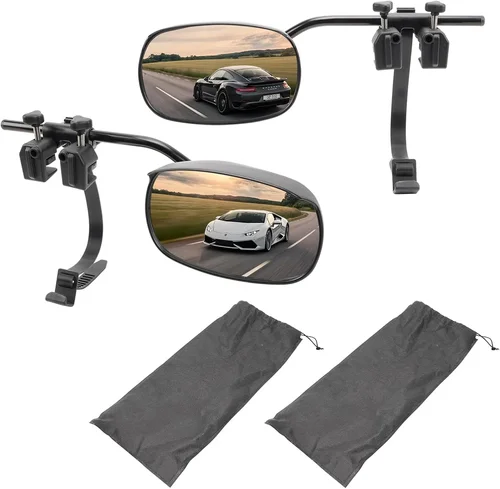
Towing a trailer, camper, or boat with your SUV can be an incredibly rewarding experience—whether you’re heading out for a weekend camping trip, hauling gear for a home improvement project, or transporting recreational vehicles. But as any seasoned tower knows, visibility is everything. Standard side mirrors on most SUVs simply aren’t designed to provide a clear view around wide or long trailers. That’s where SUV tow mirrors extensions come in: they’re essential accessories that dramatically improve rearward visibility, enhance safety, and reduce blind spots when towing.
This comprehensive buying guide is designed to help you navigate the often-confusing world of tow mirror extensions with confidence. Whether you’re a first-time buyer or a seasoned RVer looking to upgrade your setup, we’ll walk you through every critical factor—from compatibility and build quality to price ranges and installation tips. By the end of this guide, you’ll know exactly what to look for, which types suit your needs, how to avoid common pitfalls, and how to get the best value for your investment. The market in 2026 offers more options than ever, including advanced heated, power-folding, and even camera-integrated models—but not all are created equal.
We’ll break down the key considerations, compare different types side by side, highlight frequent buyer mistakes, and offer expert-backed recommendations based on real-world performance and reliability. Our goal isn’t just to list products—it’s to empower you with the knowledge to make a smart, informed decision that keeps you and others safe on the road. With towing accidents often linked to poor visibility, choosing the right tow mirrors isn’t just about convenience; it’s a crucial safety upgrade.
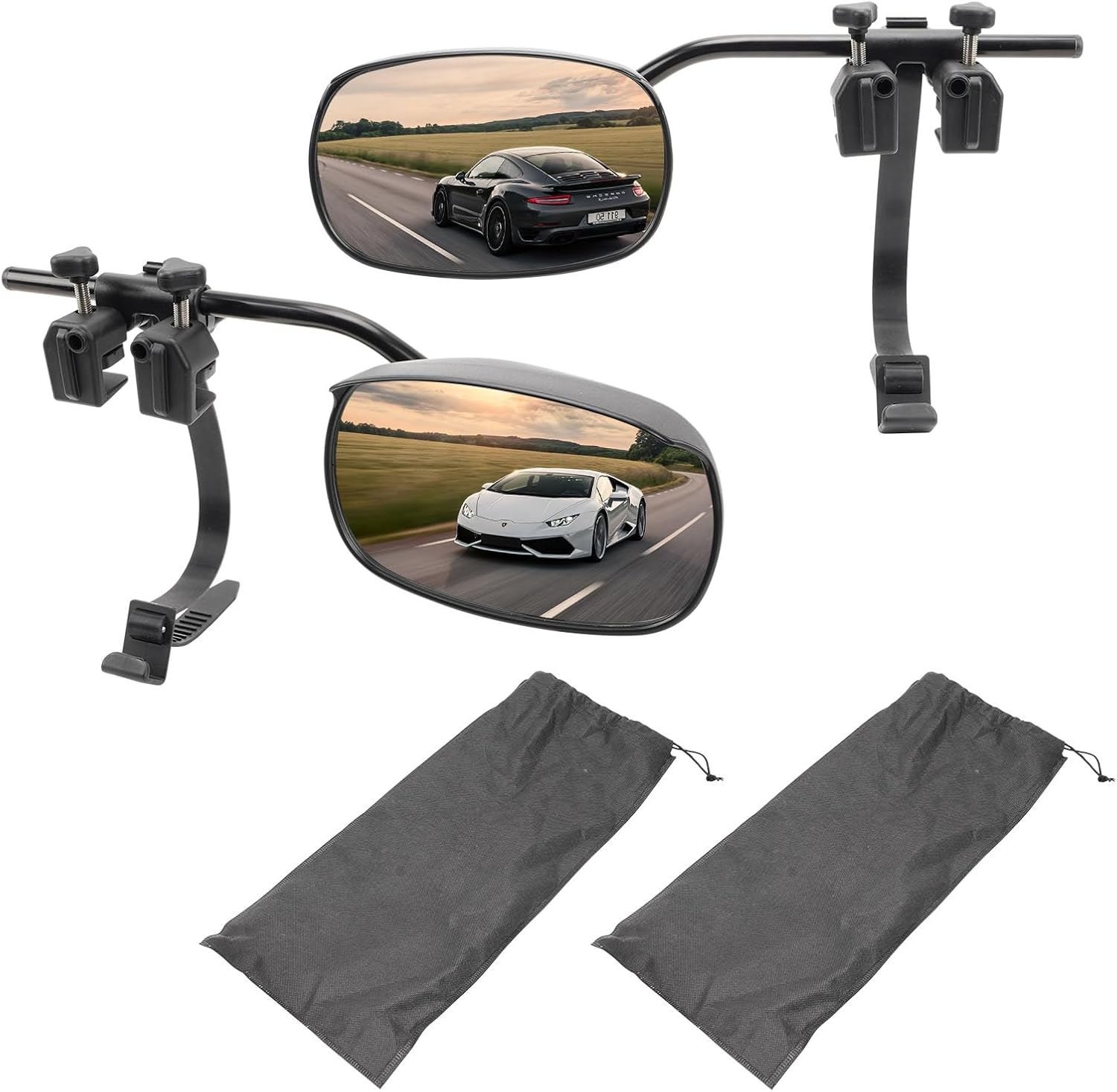
What to Look for When Buying Buying Guide
1. Compatibility with Your SUV Model
Before you even consider features or price, the single most important factor is compatibility. Not all tow mirrors fit all SUVs—even within the same brand. Manufacturers design mirror extensions to attach securely to specific mirror housings, so a universal claim doesn’t always mean “fits your vehicle.” Start by checking your SUV’s make, model, year, and trim level. Many reputable brands provide detailed fitment guides on their websites or product packaging. For example, a 2024 Ford Explorer may require a different extension than a 2024 Ford Expedition, despite both being SUVs.
Some systems use clip-on or strap-based mounts, while others bolt directly onto existing mirror hardware. Clip-on models are easier to install but may vibrate more at highway speeds. Bolt-on designs offer superior stability but often require minor disassembly of your factory mirror. Always verify whether your SUV has power-adjustable, heated, or auto-dimming mirrors, as some extensions can interfere with these functions if not designed properly.
2. Mirror Size and Field of View
The primary purpose of tow mirrors is to eliminate blind spots created by trailers. Therefore, mirror size directly impacts effectiveness. Look for extensions that add at least 6–8 inches of additional width per side. Larger mirrors (up to 10–12 inches wide) provide better coverage for wide loads like fifth-wheel campers or large enclosed trailers. However, excessively large mirrors can create wind resistance, increase fuel consumption, and may not be legal in all states due to protrusion limits.
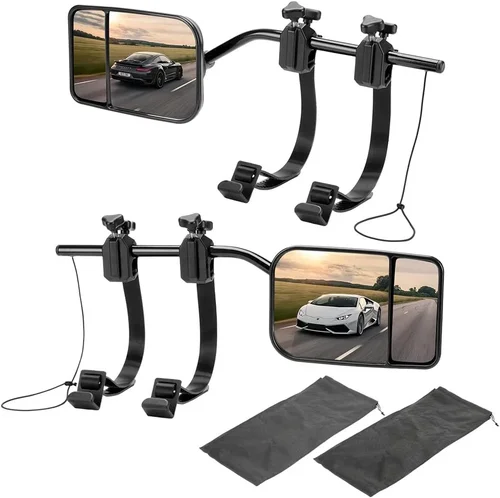
Beyond physical size, consider the shape and curvature. Flat mirrors offer true-to-life distance perception but narrower fields of view. Convex (curved) mirrors widen your sightlines but can distort depth perception—making it harder to judge distances during lane changes or backing up. Many high-end models now feature dual-element designs: a flat section for accurate distance judgment and a convex outer edge for expanded coverage. This hybrid approach strikes an ideal balance for most towing scenarios.
3. Build Quality & Durability
Tow mirrors endure harsh conditions—road salt, UV exposure, temperature extremes, and constant vibration. Cheap plastic housings may crack in winter or warp in summer heat, while thin glass can shatter from minor impacts. Opt for extensions made from high-impact ABS plastic, reinforced polymers, or aluminum frames. Glass should be tempered or laminated for shatter resistance. Check for weather sealing around electrical components if you’re buying powered mirrors.
Pay attention to moving parts too. If your extension includes adjustable arms or folding mechanisms, ensure they use stainless steel hinges and robust locking knobs. Flimsy joints loosen over time, causing mirrors to sag or vibrate excessively—defeating their purpose. Real-world testing shows that well-built mirrors maintain alignment even after thousands of miles, whereas budget options often require frequent readjustment.
4. Ease of Installation and Removal
Most buyers want tow mirrors that are quick to install when needed and easy to remove when not towing. However, “easy” means different things to different people. Strap-on or clamp-style mirrors can go on in under 5 minutes but may shift during driving. Bolt-on systems take 15–30 minutes initially but stay rock-solid once secured. Some premium models feature tool-free quick-release mechanisms—ideal for weekend towers who don’t want permanent modifications.
Consider your usage pattern. If you tow weekly, a semi-permanent bolt-on might be worth the effort. If you only tow a few times a year, a removable clip-on could save time and hassle. Also, think about storage: do the mirrors fold flat against your SUV when not in use? Can they be stored in your garage or trunk without taking up too much space? These practical details matter more than you’d expect.
5. Electrical Integration (Power, Heating, Turn Signals)
Modern SUVs often come with advanced mirror features like power adjustment, heating elements, blind-spot monitoring, and integrated turn signals. When adding extensions, you risk losing these functionalities unless the new mirrors are electrically compatible. High-quality powered tow mirrors include wiring harnesses that plug into your vehicle’s existing mirror connectors, preserving all OEM features.
Heated mirrors are especially valuable in cold climates, preventing ice and snow buildup that obscures your view. Turn signal integration ensures other drivers see your intentions even when your trailer blocks the factory signals. However, adding electrical components increases complexity and cost. If your SUV lacks these features, non-powered mirrors may suffice—but upgrading to powered ones future-proofs your setup if you ever trade vehicles.
6. Aerodynamics and Wind Noise
Extended mirrors create drag, which can affect fuel efficiency and generate wind noise at highway speeds. Poorly designed extensions act like sails, causing buffeting, whistling, or even mirror shake that blurs your view. Look for streamlined profiles with rounded edges and minimal frontal area. Some brands use computational fluid dynamics (CFD) testing to optimize airflow around their designs.
Wind noise isn’t just annoying—it can mask important auditory cues like emergency sirens or tire issues. Test drives with extensions installed are ideal, but if that’s not possible, read user reviews focusing on noise levels. Many owners report noticeable differences between brands; for instance, some cheaper models produce a constant hum above 55 mph, while premium units remain whisper-quiet.
7. Legal Compliance and Regulations
Mirror extensions must comply with federal and state regulations regarding size, reflectivity, and protrusion. In the U.S., the Department of Transportation (DOT) sets standards under FMVSS No. 111, which governs rear visibility. Most aftermarket mirrors meet these requirements, but it’s wise to verify—especially if you frequently cross state lines. Some states limit how far mirrors can extend beyond the vehicle’s width (typically 4–6 inches beyond the widest point).
Additionally, ensure the mirrors have DOT or SAE certification stamps, indicating they meet safety standards for reflectivity and durability. Non-certified mirrors may fail inspection or be deemed illegal in certain jurisdictions. If you’re towing commercially or across international borders (e.g., Canada or Mexico), check local laws, as regulations vary significantly.
8. Warranty and Customer Support
A good warranty reflects manufacturer confidence in their product. Look for at least a 1-year limited warranty covering defects in materials and workmanship. Premium brands often offer 2–3 years, sometimes with free replacement glass or hardware. Avoid companies that provide only 90-day coverage or vague “satisfaction guarantees” with no clear terms.
Customer support matters too. Can you reach a real person quickly if installation fails? Do they offer video guides or live chat? Brands with strong reputations—like Fit System, CIPA, or K Source—typically have responsive support teams and comprehensive online resources. Reading recent customer service reviews on forums or retailer sites can reveal red flags before you buy.
Different Types of Buying Guide

Common Buying Mistakes to Avoid
❌ Mistake: Assuming “Universal Fit” Means It Fits Your SUV
Why it’s bad: Many budget mirrors advertise as “universal,” but in reality, they only fit a narrow range of mirror shapes and sizes. Installing an incompatible mirror can damage your factory housing, cause poor alignment, or fail completely at speed—creating a serious hazard.
What to do instead: Always cross-reference your SUV’s exact model and year with the manufacturer’s fitment guide. When in doubt, contact customer service with photos of your current mirrors before purchasing.
❌ Mistake: Prioritizing Price Over Build Quality
Why it’s bad: Cheap mirrors often use thin glass, weak plastics, and loose fittings that degrade quickly. You’ll end up replacing them within a season, costing more in the long run—and compromising safety during critical moments.
What to do instead: Invest in mid-range or premium mirrors from reputable brands. The extra $50–$100 pays off in durability, stability, and peace of mind.
❌ Mistake: Ignoring Electrical Compatibility
Why it’s bad: If your SUV has power mirrors, heating, or turn signals, using non-powered extensions means losing these features. This isn’t just inconvenient—it reduces safety in adverse weather and traffic.
What to do instead: Choose extensions specifically designed to integrate with your vehicle’s electrical system. Look for plug-and-play harnesses and confirm compatibility with your trim level.
❌ Mistake: Overlooking Mirror Adjustment Range
Why it’s bad: Some extensions offer minimal tilt or swivel adjustment, making it impossible to achieve optimal viewing angles—especially with tall or oddly shaped trailers.
What to do instead: Test the range of motion before finalizing installation. Ensure you can tilt the mirror up/down and in/out sufficiently to see alongside and behind your specific trailer.
❌ Mistake: Not Checking Local Laws
Why it’s bad: Using oversized or non-compliant mirrors can result in fines, failed inspections, or even liability in an accident if deemed improperly equipped.
What to do instead: Research your state’s regulations on mirror protrusion, reflectivity, and certification. Stick to DOT/SAE-approved products.
❌ Mistake: Skipping the Test Drive
Why it’s bad: Vibration, wind noise, or poor alignment might not be obvious during static installation but become dangerous at highway speeds.
What to do instead: Always take a short drive—preferably on a highway—after installing new mirrors. Check for stability, clarity, and noise. Adjust as needed.
❌ Mistake: Buying Based Solely on Online Reviews
Why it’s bad: Reviews can be fake, outdated, or written by people with different SUV models or towing setups. What works for a Jeep Grand Cherokee may fail on a Toyota Highlander.
What to do instead: Read reviews critically—look for specifics about vehicle compatibility, real-world performance, and long-term durability. Cross-check multiple sources like forums, YouTube, and retailer sites.
Budget Guidelines: How Much Should You Spend?
SUV tow mirror extensions span a wide price spectrum, but understanding what you get at each tier helps align spending with needs.
Entry-Level ($40 – $120): These are typically clip-on or strap-on mirrors made from basic plastic and standard glass. They’re fine for occasional, light-duty towing (e.g., small utility trailers) but may vibrate, lack adjustability, and degrade quickly. Ideal for budget-conscious buyers who tow infrequently and don’t need advanced features.
Mid-Range ($120 – $300): This is the sweet spot for most SUV owners. Mirrors in this range often feature reinforced frames, better glass, improved mounting systems (some bolt-on), and sometimes basic electrical integration. Brands like CIPA and Fit System dominate here, offering reliable performance without luxury pricing. Perfect for weekend campers, boat towers, and DIYers.
Premium ($300 – $600): Designed for serious towers and full-time RVers, these mirrors boast OEM-quality construction, full electrical compatibility (power, heat, signals), and advanced adjustability. Many include extendable arms, dual-element glass, and weatherproof seals. Expect minimal vibration, excellent durability, and seamless integration with your SUV’s systems.
Luxury ($600+): Top-tier options include smart mirrors with integrated cameras, LCD displays, recording capabilities, and app connectivity. These eliminate blind spots entirely and provide 360-degree awareness. While overkill for casual users, they’re invaluable for commercial operators, large fifth-wheel owners, or those prioritizing cutting-edge safety tech.

Expert Tips for Getting the Best Deal
- Buy during off-season: Retailers often discount tow accessories in late fall and winter when towing demand drops. Look for Black Friday, Cyber Monday, or post-holiday sales.
- Check manufacturer rebates: Brands like K Source and Fit System occasionally offer mail-in rebates or bundle deals (e.g., free installation kit with purchase).
- Compare online vs. in-store: Online retailers (Amazon, AutoZone, etrailer) usually have lower prices and wider selection, but local shops let you inspect build quality firsthand.
- Read the fine print on warranties: Some warranties void if installed incorrectly—even by professionals. Ensure you understand coverage limits.
- Consider refurbished or open-box: Certified pre-owned mirrors from reputable sellers can save 20–30% with full warranty coverage.
- Bundle with other towing gear: Purchasing mirrors alongside hitch receivers, wiring harnesses, or brake controllers sometimes triggers multi-item discounts.
- Join owner forums: Communities like Ford Truck Enthusiasts or RV.net often share exclusive promo codes or group-buy opportunities.
- Test before committing: If possible, borrow or rent mirrors for a short trip to evaluate fit, function, and comfort before buying.
Frequently Asked Questions
Q: Do I really need tow mirrors if my SUV has blind-spot monitoring?
A: Yes—blind-spot systems don’t compensate for the physical obstruction caused by a trailer. They detect vehicles in adjacent lanes but can’t show you what’s directly behind or alongside a large trailer. Tow mirrors provide essential visual confirmation that sensors alone cannot.
Q: Can I use tow mirrors without a trailer?
A: Technically yes, but it’s not recommended. Extended mirrors create unnecessary drag, noise, and may violate local laws regarding protrusion. Most are designed to be removed when not towing.
Q: Will tow mirrors damage my factory mirrors?
A: Quality bolt-on systems are engineered to distribute stress evenly and shouldn’t damage OEM components. However, cheap clip-ons with sharp edges or excessive tension can scratch paint or crack housings. Always follow installation instructions carefully.
Q: How do I clean extended mirrors without scratching them?
A: Use a soft microfiber cloth and automotive glass cleaner. Avoid abrasive sponges or household cleaners with ammonia, which can degrade coatings. For heated mirrors, ensure they’re cool before cleaning.
Q: Are heated tow mirrors worth the extra cost?
A: Absolutely—if you live in a cold or snowy climate. Ice and fog can render standard mirrors useless within minutes. Heated elements keep your view clear, enhancing safety in winter conditions.
Q: Can I install tow mirrors myself?
A: Most clip-on and strap-on models are DIY-friendly. Bolt-on systems may require basic tools and patience, but detailed instructions are usually provided. If you’re uncomfortable with electrical connections, consult a professional.
Q: Do tow mirrors affect my SUV’s aerodynamics significantly?
A: Moderate extensions add minimal drag, but oversized or poorly designed mirrors can reduce fuel efficiency by 1–3%. Streamlined, low-profile designs minimize this impact.
Q: What’s the difference between convex and flat tow mirrors?
A: Flat mirrors provide accurate distance perception but narrower views. Convex mirrors offer wider fields of view but distort depth. Dual-element mirrors combine both for optimal safety.
Q: How often should I check my tow mirrors for tightness?
A: Inspect mounting hardware before every towing trip. Vibration can loosen bolts or straps over time. A quick visual and tactile check takes seconds and prevents failures.
Q: Are camera mirrors legal everywhere?
A: In the U.S., camera-based rearview systems are legal as supplements but cannot replace traditional mirrors in most states. Always carry compliant glass mirrors as backup.
Our Final Recommendations
Best for Budget-Conscious Buyers: CIPA Custom Towing Mirrors – Reliable clip-on design, excellent fitment for popular SUVs, and under $100. Great for occasional use without breaking the bank.
Best Overall Value: Fit System True Tow Custom Fit Towing Mirrors – Bolt-on installation, full electrical integration, durable construction, and priced around $250. Ideal for most mid-size to full-size SUV owners.
Best Premium Option: K Source Extendable Towing Mirrors with Power Heat and Turn Signals – Adjustable length, OEM-grade quality, and seamless integration with factory features. Perfect for frequent towers with large trailers.
Best for Beginners: Prime Line Universal Towing Mirror Set – Easy strap-on installation, clear instructions, and affordable price point. Low-risk entry into towing safety.
Best for Advanced Users: Garmin BC 40 Wireless Trailer Camera System + Compatible Mirrors – Combines high-quality extendable mirrors with a wireless camera for full rear visibility. Ideal for tech-savvy RVers and commercial users.
Conclusion: Making the Right Choice
Choosing the right SUV tow mirrors extension isn’t just about adding a piece of hardware—it’s about investing in safety, confidence, and peace of mind every time you hit the road with a trailer. Throughout this guide, we’ve covered the essentials: from ensuring compatibility and evaluating build quality to understanding legal requirements and maximizing value within your budget. The market in 2026 offers unprecedented choice, but that also means more opportunities to make a misstep if you’re not informed.
Remember, the best mirror for you depends on your specific SUV, your towing habits, and your personal priorities. Are you a weekend warrior who needs something quick and affordable? Or a full-time RVer who demands flawless integration and maximum visibility? There’s no one-size-fits-all answer—but there is a perfect match for your situation.
Don’t let cost, convenience, or confusion dictate your decision. Prioritize safety, do your research, and don’t hesitate to ask questions before buying. A well-chosen set of tow mirrors will serve you reliably for years, turning stressful towing experiences into smooth, confident journeys. So take the time to get it right—your safety, your passengers, and everyone else on the road will thank you.
Ready to upgrade your towing setup? Use this guide as your checklist, compare your top contenders, and make a purchase that aligns with your needs and values. Safe travels!