
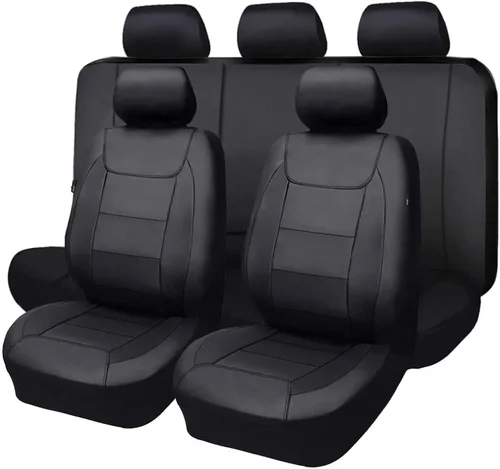
If you own an SUV, you know how quickly those plush leather seats can start to show signs of wear. Whether it’s muddy paw prints from your dog, spilled coffee during a road trip, or the gradual fading caused by sun exposure, your vehicle’s interior takes a beating—especially if you use it for family outings, outdoor adventures, or daily commuting. That’s where high-quality leather seat covers come in. They’re not just about aesthetics; they’re a smart investment in preserving your SUV’s resale value, enhancing comfort, and protecting one of the most frequently used surfaces in your vehicle.
In this comprehensive buying guide, we’ll walk you through everything you need to know before purchasing leather seat covers for your SUV in 2026. From understanding material differences and fitment nuances to comparing price tiers and avoiding common pitfalls, we’ve got you covered—literally. You’ll learn how to evaluate durability, style, ease of installation, and compatibility with advanced safety features like side airbags and seat heaters. By the end of this guide, you’ll be equipped with expert-level knowledge to make a confident, informed decision that matches your lifestyle, budget, and vehicle needs.
The market for SUV leather seat covers has evolved significantly over the past few years. What was once a niche aftermarket accessory is now a mainstream solution embraced by both casual drivers and automotive enthusiasts alike. With advancements in synthetic leather technology, improved stitching techniques, and better vehicle-specific designs, today’s seat covers offer near-OEM quality at a fraction of the cost of factory replacements. Whether you drive a rugged Jeep Grand Cherokee, a luxurious Lexus RX, or a family-friendly Honda Pilot, there’s a tailored leather seat cover option designed specifically for your model. This guide cuts through the noise to help you find the best fit—without overspending or compromising on quality.

What to Look for When Buying Buying Guide
1. Material Quality & Type of Leather
Not all “leather” seat covers are created equal. The term itself can be misleading—many products labeled as “leather” are actually made from bonded leather, faux leather (also known as PU or polyurethane), or a hybrid blend. Genuine top-grain or full-grain leather offers the highest durability, breathability, and luxurious feel, but it comes at a premium price. For most SUV owners, high-quality synthetic leather (PU or PVC) provides an excellent balance of affordability, stain resistance, and longevity. Look for covers that specify “premium PU leather” with reinforced backing and UV inhibitors to prevent cracking and fading. Avoid cheap vinyl or low-grade bonded leather, which tends to peel, crack, and emit unpleasant odors over time. Always check product descriptions for material composition and certifications like OEKO-TEX for non-toxic dyes.
2. Vehicle-Specific Fit & Compatibility
A universal seat cover might seem like a cost-effective option, but it often leads to poor fit, sagging fabric, and interference with critical safety systems. Modern SUVs come equipped with side-impact airbags, seatbelt pretensioners, heated/cooled seats, and even built-in sensors for occupant detection. High-quality leather seat covers are engineered with precise cutouts and stretch zones to accommodate these features without compromising functionality. Always verify that the product is listed as compatible with your exact make, model, year, and trim level. Reputable brands provide detailed fitment charts and even offer custom stitching patterns that mirror OEM contours. A snug, tailored fit not only looks professional but also ensures long-term durability by reducing friction and wear points.
3. Durability & Wear Resistance
Your SUV’s seats endure constant use—sliding in and out, shifting during turns, exposure to sunlight, and contact with various materials like denim, pet fur, and food spills. Therefore, durability should be a top priority. Look for seat covers with reinforced seams, double-stitched edges, and abrasion-resistant coatings. High-end options often feature multi-layer construction: a soft inner lining for comfort, a dense foam middle layer for cushioning, and a tough outer leather shell. Additionally, consider the thread count and stitch density—tighter stitching lasts longer and resists unraveling. Some premium brands even conduct lab tests simulating 5+ years of daily use to validate their claims. If you frequently transport kids, pets, or gear, prioritize covers rated for heavy-duty use.
4. Ease of Installation & Maintenance
Nobody wants to spend hours wrestling with complicated straps, clips, or Velcro closures. The best leather seat covers are designed for quick, tool-free installation—often taking less than 30 minutes per row. Look for features like elasticized edges, adjustable headrest straps, and anti-slip backing to keep the cover securely in place. Maintenance is equally important: opt for covers that are wipe-clean, water-resistant, and resistant to odors. Many modern PU leather covers can be cleaned with a simple damp cloth and mild soap, eliminating the need for specialized leather conditioners. Avoid products that require frequent conditioning or professional cleaning, as this adds ongoing cost and effort.
5. Style, Color & Aesthetic Appeal
While protection is key, your seat covers should also complement your SUV’s interior design. Leather seat covers come in a wide range of colors—from classic black and brown to bold red, gray, or even two-tone schemes. Consider how the color will coordinate with your dashboard, door panels, and existing upholstery. Matte finishes tend to hide scratches and fingerprints better than glossy ones, while perforated designs enhance breathability in warmer climates. Some brands offer customizable stitching colors or embossed logos for a personalized touch. Remember: a well-chosen cover can elevate the entire cabin ambiance, making your SUV feel more upscale and cohesive.
6. Safety Feature Integration
This cannot be overstated: never compromise on safety. Many SUVs have side airbags integrated into the seat bolsters. If a seat cover doesn’t have properly placed tear seams or designated airbag deployment zones, it can prevent the airbag from deploying correctly in a crash—potentially causing serious injury. Always choose covers explicitly labeled as “airbag compatible” or “side-airbag safe.” Similarly, if your seats have heating or cooling elements, ensure the cover material is thin enough to allow heat transfer and doesn’t trap moisture. Some premium covers include thermal insulation layers that enhance comfort without interfering with OEM functions.
7. Brand Reputation & Customer Support
With so many options flooding the market—from Amazon sellers to specialty automotive retailers—it’s crucial to choose a brand with a proven track record. Research customer reviews, check third-party ratings on sites like Trustpilot or the BBB, and look for brands that offer responsive customer service. Established companies like FH Group, CalTrend, Coverking, and Seat Covers Unlimited have decades of experience and often provide detailed installation videos, fitment guarantees, and hassle-free return policies. Be wary of unknown brands offering suspiciously low prices; they may cut corners on materials or safety compliance.
8. Warranty & Return Policy
A solid warranty is a strong indicator of product confidence. Most reputable manufacturers offer at least a 1-year warranty against defects in materials and workmanship, with some extending coverage up to 3 years. Pay attention to what’s covered—does it include fading, tearing, or seam failure? Also, check the return window: a 30-day money-back guarantee gives you time to test the fit and comfort in real-world conditions. Avoid sellers with restocking fees or restrictive return policies, especially if you’re ordering online without seeing the product in person.
Different Types of Buying Guide

Common Buying Mistakes to Avoid
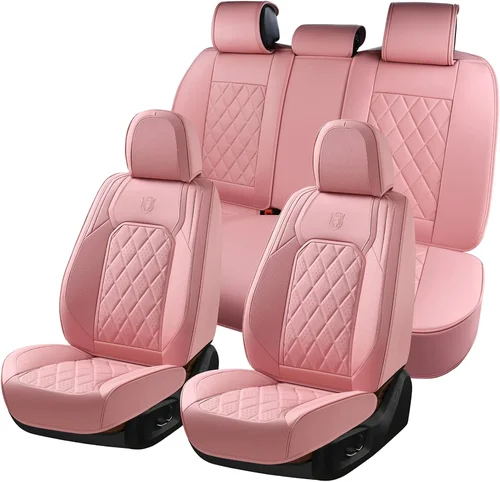
❌ Mistake: Choosing Universal Covers for Modern SUVs
Why it’s bad: Universal covers rarely account for side airbags, seat heaters, or contoured bucket seats found in today’s SUVs. This can lead to poor fit, safety hazards, and premature wear.
What to do instead: Always opt for vehicle-specific or semi-custom covers that list your exact model and year. Check compatibility charts carefully.
❌ Mistake: Ignoring Airbag Compatibility
Why it’s bad: Blocking or improperly reinforcing airbag deployment zones can render safety systems ineffective during a collision, putting occupants at serious risk.
What to do instead: Only buy covers explicitly labeled as “side-airbag compatible” with visible tear seams or designated deployment zones.
❌ Mistake: Prioritizing Price Over Quality
Why it’s bad: Cheap covers made from low-grade vinyl or bonded leather often peel, crack, or emit strong chemical odors within months—costing more in replacements than investing upfront.
What to do instead: Set a realistic budget ($150–$300 is typical for quality semi-custom covers) and prioritize reputable brands with verified reviews.
❌ Mistake: Overlooking Maintenance Requirements
Why it’s bad: Some “leather” covers require frequent conditioning, special cleaners, or professional upkeep—adding hidden costs and hassle.
What to do instead: Choose wipe-clean PU leather with stain-resistant coatings. Test cleaning ease during the return window if possible.
❌ Mistake: Buying Without Checking Return Policy
Why it’s bad: If the fit is off or the material feels cheap, you could be stuck with a non-returnable item—especially from overseas sellers.
What to do instead: Purchase from retailers with at least a 30-day return policy and free return shipping. Avoid marketplace sellers with vague terms.
❌ Mistake: Assuming All “Leather” Is Real Leather
Why it’s bad: Many budget covers use misleading terms like “genuine leather” (which can mean scraps bonded with glue) instead of full-grain or top-grain leather.
What to do instead: Read material specs carefully. For authentic leather, look for terms like “full-grain,” “aniline-dyed,” or “Italian leather.” For most, high-quality PU is sufficient and more practical.
❌ Mistake: Skipping User Reviews & Fitment Photos
Why it’s bad: Product images can be misleading. Real customer photos reveal fit issues, color accuracy, and long-term durability.
What to do instead: Scroll through verified purchase reviews and look for photos of the covers installed in the same SUV model as yours.
Budget Guidelines: How Much Should You Spend?
– Entry-Level ($50–$120): These are typically universal-fit PU leather covers. Best for older SUVs, temporary use, or buyers on a tight budget. Expect basic protection but limited durability, poor airbag integration, and potential fit issues. Ideal if you plan to upgrade within a year.
– Mid-Range ($120–$250): This is the sweet spot for most SUV owners. You’ll find semi-custom or trim-specific covers from trusted brands like FH Group or CalTrend. They offer excellent fit, airbag safety, easy cleaning, and 1–2 year warranties. Perfect for daily drivers, families, and pet owners.
– Premium ($250–$400): Designed for newer or luxury SUVs, these covers feature precise tailoring, premium PU or eco-leather, enhanced cushioning, and full compatibility with heated/cooled seats. Brands like Coverking and Seat Covers Unlimited dominate this tier. Ideal for those who want OEM-like quality without dealership prices.
– Luxury ($400+): Reserved for enthusiasts and collectors, these include genuine top-grain leather, hand-stitched details, custom embroidery, and multi-year warranties. Often sold through specialty automotive upholstery shops. Best if you’re restoring a classic SUV or prioritizing long-term value retention.
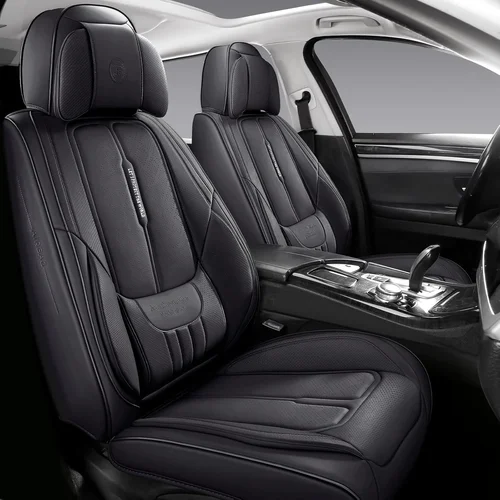
Expert Tips for Getting the Best Deal
– Shop During Seasonal Sales: Major retailers like Amazon, AutoZone, and Coverland offer deep discounts during Black Friday, Memorial Day, and end-of-year clearance events. Sign up for newsletters to get early access.
– Compare Retailers, Not Just Prices: A $200 cover on Amazon might cost $180 on the manufacturer’s site—but the latter often includes free shipping, extended warranty, and better customer support.
– Check for Bundle Deals: Some brands offer discounts when you buy front and rear seat covers together, or include free headrest covers or floor mats.
– Read the Fine Print on Warranties: A “lifetime warranty” may only cover manufacturing defects—not normal wear. Look for clear terms and avoid vague promises.
– Test Before Committing: If possible, visit a local auto accessory store to feel the material and see installation demos. Many shops allow returns if the product doesn’t meet expectations.
– Use Cashback & Rewards Programs: Sites like Rakuten or credit cards with cashback on automotive purchases can save you 3–10% extra—adding up over time.
– Beware of “Too Good to Be True” Deals: If a full leather seat cover set is listed for $79 with “free worldwide shipping,” it’s likely low-quality vinyl from an unverified seller. Stick to trusted platforms.
– Consider Refurbished or Open-Box Items: Some retailers sell returned-but-unused covers at 20–30% off. As long as they’re inspected and repackaged, these can be excellent value.

Frequently Asked Questions
Q: Will leather seat covers damage my original upholstery?
A: High-quality covers with soft, non-abrasive backing (like microfiber or suede-like lining) won’t harm your factory seats. Avoid rough or stiff materials that can cause friction over time. Always ensure a snug fit to prevent sliding.
Q: Can I install seat covers myself, or do I need a professional?
A: Most modern leather seat covers are designed for DIY installation and take 20–45 minutes per row. Follow the included instructions, and watch brand-provided videos for tricky areas like headrests or armrests. No special tools are needed.
Q: Are leather seat covers safe for car seats?
A: Yes—but only if they have proper LATCH strap access and don’t interfere with seatbelt routing. Look for covers with reinforced belt openings and avoid thick padding that could compress under a car seat, reducing stability.
Q: Do leather seat covers get hot in summer?
A: Traditional leather can become uncomfortably warm, but high-quality PU leather with breathable perforations or moisture-wicking liners stays cooler. For extreme climates, consider seat covers with built-in ventilation or pair them with cooling seat cushions.
Q: How do I clean and maintain leather seat covers?
A: For PU leather, wipe with a damp microfiber cloth and mild soap. Avoid harsh chemicals, ammonia, or alcohol-based cleaners. Conditioning isn’t usually needed, but occasional use of a leather protectant spray can extend life and prevent fading.
Q: Will seat covers void my vehicle’s warranty?
A: No—installing aftermarket seat covers does not void your manufacturer’s warranty, as long as they don’t damage the seats or interfere with safety systems. The Magnuson-Moss Warranty Act protects consumers in such cases.
Q: Can I use seat covers if my SUV has massage or memory seats?
A: It depends. Most standard covers work fine, but if your seats have complex electronics or moving parts, consult the manufacturer. Some premium brands offer specialized designs for luxury vehicles with advanced seat functions.
Q: How long do leather seat covers typically last?
A: With proper care, quality PU leather covers last 3–5 years. Genuine leather can last 7–10+ years, developing a desirable patina over time. Factors like sun exposure, usage frequency, and cleaning habits greatly influence lifespan.
Q: Are there eco-friendly leather alternatives?
A: Yes! Vegan leather made from recycled plastics, cork, or plant-based materials (like apple leather or mushroom leather) is gaining popularity. Brands like EcoLeather and Green Seat offer sustainable options with minimal environmental impact.
Q: What if my seat covers don’t fit perfectly?
A: Contact the seller immediately. Reputable brands will offer exchanges, refunds, or even send adjustment kits. Never force a cover onto a seat—it can tear or misalign safety features.
Our Final Recommendations
– Best for Budget-Conscious Buyers: FH Group Premium PU Leather Seat Covers – Excellent value at under $150, vehicle-specific fit, airbag-safe, and easy to clean. Great for families and commuters.
– Best Overall Value: CalTrend DuraPlus NeoSupreme Seat Covers – Combines durability, style, and precise fit for under $220. Offers perforated options for breathability and comes with a 2-year warranty.
– Best Premium Option: Coverking Neosupreme Custom Seat Covers – Tailored to your exact SUV specs, includes headrest covers, and features advanced moisture-wicking fabric. Ideal for luxury SUV owners who want OEM-quality protection.
– Best for Beginners: Seat Covers Unlimited Easy-Install PU Set – Comes with step-by-step video guides, anti-slip backing, and a 30-day trial period. Perfect for first-time buyers nervous about installation.
– Best for Advanced Users: Woolrich Genuine Leather Custom Covers – Handcrafted from top-grain leather with custom stitching and embossing. Designed for enthusiasts who appreciate craftsmanship and long-term investment.
Conclusion: Making the Right Choice
Choosing the right leather seat covers for your SUV isn’t just about slapping on some protective fabric—it’s about enhancing safety, preserving value, and elevating your driving experience. As we’ve explored, the best choice depends on your specific needs: whether you’re a budget-minded commuter, a family hauling kids and gear, or a luxury SUV owner seeking premium refinement. By focusing on material quality, vehicle-specific fit, safety compliance, and brand reliability, you’ll avoid common pitfalls and invest wisely.
Remember, the cheapest option isn’t always the most economical in the long run. A well-chosen set of leather seat covers can protect your investment for years, maintain your SUV’s interior appeal, and even boost its resale value. Take the time to research, read real customer reviews, and prioritize features that matter most to your lifestyle. And when in doubt, lean toward semi-custom or fully tailored options—they’re worth the slight premium for the peace of mind and professional look they deliver.
Now that you’re armed with expert knowledge, it’s time to make your purchase with confidence. Whether you’re shielding your seats from spills, pets, or the elements, the right leather seat covers will keep your SUV looking sharp and feeling comfortable mile after mile. Happy driving—and enjoy your newly protected interior!