
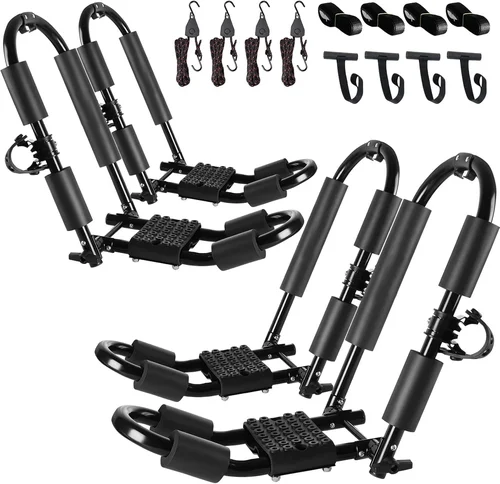
SUVs are more than just vehicles—they’re mobile command centers for adventure, family trips, and everyday utility. Whether you’re hauling kayaks to the lake, strapping on a rooftop tent for a weekend getaway, or simply need extra cargo space for a cross-country move, your SUV’s roof is prime real estate. But without the right equipment, that space is wasted. That’s where SUV roof rack crossbars come in.
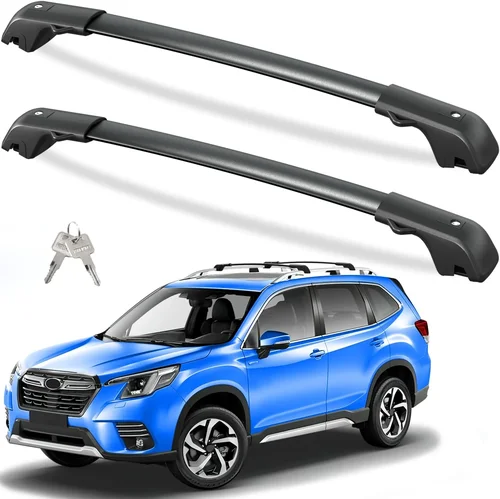
Roof rack crossbars are the backbone of any rooftop cargo system. They mount onto your vehicle’s existing roof rails or raised side rails, creating a stable platform for attaching bikes, cargo boxes, surfboards, and more. While they may seem like simple metal bars, choosing the right crossbars can make the difference between a secure, quiet, and efficient load and a wobbly, noisy, or even dangerous one. With dozens of brands, designs, and price points on the market, it’s easy to feel overwhelmed.
This comprehensive guide is designed to cut through the noise and help you make an informed decision. Whether you’re a weekend warrior, a full-time overlander, or just someone who occasionally needs extra storage, we’ll walk you through everything you need to know. From understanding key performance specs to avoiding common buying mistakes, we’ve got you covered. By the end of this guide, you’ll know exactly what to look for, how much to spend, and which crossbars will best suit your needs—no matter your budget or lifestyle.
The market for SUV roof rack crossbars has evolved significantly in recent years. What was once a niche accessory for outdoor enthusiasts has become a mainstream must-have for SUV owners. Brands like Thule, Yakima, Rhino-Rack, and others have pushed the envelope with aerodynamic designs, lightweight materials, and smart integration features. At the same time, budget-friendly options from lesser-known brands have flooded online marketplaces, making it harder to distinguish quality from cost-cutting. This guide will help you navigate that landscape with confidence, ensuring you invest in crossbars that are safe, durable, and built to last.

What to Look for When Buying Buying Guide
1. Load Capacity & Weight Rating
One of the most critical factors when selecting SUV roof rack crossbars is their load capacity—the maximum weight they can safely support. This includes both the weight of the crossbars themselves and the cargo you plan to carry. Most crossbars have a dynamic load rating (while driving) and a static load rating (when parked). For example, a crossbar might support 165 lbs dynamically and up to 330 lbs statically. Always check your vehicle’s roof load limit in the owner’s manual, as exceeding it can damage your roof or compromise safety.
When evaluating load capacity, consider what you’ll be hauling. A cargo box might weigh 50 lbs and hold another 100–150 lbs of gear. Add in a bike rack or kayak, and you’re quickly approaching the limit. Opt for crossbars with a higher safety margin—ideally 20–30% above your expected load. Also, note that some crossbars have a lower capacity when used with certain accessories, so always verify compatibility.
2. Compatibility with Your Vehicle
Not all crossbars fit all SUVs. Compatibility depends on your vehicle’s roof type—whether it has fixed mounting points, raised side rails, flush-mounted rails, or a bare roof. Most modern SUVs come with factory-installed roof rails, but the spacing between them varies by make and model. For instance, a Toyota RAV4 has different rail spacing than a Ford Explorer or a Subaru Outback.
Always check the manufacturer’s fit guide before purchasing. Reputable brands like Thule and Yakima offer online tools where you can enter your vehicle year, make, and model to confirm compatibility. Some crossbars are universal and come with adjustable clamps or brackets, while others are vehicle-specific. Universal options offer flexibility if you plan to switch vehicles, but vehicle-specific kits often provide a more secure and streamlined fit.
3. Build Quality & Durability
The materials and construction of your crossbars directly impact their longevity and performance. High-quality crossbars are typically made from aluminum or steel. Aluminum is lightweight, corrosion-resistant, and ideal for most users. Steel is stronger but heavier and more prone to rust if not properly coated. Look for powder-coated or anodized finishes to prevent corrosion, especially if you live in a snowy or coastal area.
Pay attention to the thickness of the bars and the strength of the mounting hardware. Thin, flimsy bars may bend under load or vibrate excessively at highway speeds. Reinforced joints, anti-slip pads, and secure clamping mechanisms are signs of a well-built product. Also, consider whether the crossbars are designed to withstand extreme weather, UV exposure, and temperature fluctuations. A durable set should last 5–10 years with proper care.
4. Aerodynamics & Noise Reduction
One of the biggest complaints about roof racks is wind noise—especially at highway speeds. Poorly designed crossbars can create a constant drone that ruins the driving experience. Aerodynamic crossbars are shaped to cut through the wind, reducing drag and noise. Look for teardrop or wing-shaped profiles, which are engineered to minimize turbulence.
Some premium models include integrated noise-dampening features like rubber seals, internal baffles, or textured surfaces that disrupt airflow. Thule’s WingBar Evo and Yakima’s JetStream bars are excellent examples of quiet, aerodynamic designs. If you frequently drive long distances or live in a windy area, investing in aerodynamic crossbars is worth the extra cost. You’ll enjoy better fuel efficiency and a quieter cabin.
5. Ease of Installation & Adjustability
Nobody wants to spend an hour wrestling with clamps and Allen keys every time they need to install or remove their crossbars. The best crossbars are tool-free or require minimal tools and can be installed in under 10 minutes. Look for features like quick-release levers, snap-on clamps, or pre-assembled brackets that simplify the process.
Adjustability is also key. Crossbars that allow you to change the spacing between them can accommodate different cargo types and improve weight distribution. Some models offer telescoping ends or sliding mounts for fine-tuning. If you plan to use your crossbars with multiple vehicles or frequently switch between cargo boxes and bike racks, adjustability adds significant convenience.
6. Security Features
Your roof rack is only as secure as its weakest link. Unfortunately, crossbars and cargo are attractive targets for thieves, especially in parking lots or urban areas. Many premium crossbars come with integrated locking systems—either keyed locks or compatibility with aftermarket locks. These prevent unauthorized removal of the bars or attached accessories.
Look for crossbars with lockable end caps or hidden mounting hardware. Some systems use a universal lock cylinder that can be matched across multiple Thule or Yakima products, so you only need one key. If security is a top concern, avoid budget models that rely solely on friction clamps without locking mechanisms. A small investment in security can save you from a major loss.
7. Brand Reputation & Customer Support
When it comes to vehicle accessories, brand matters. Established brands like Thule, Yakima, Rhino-Rack, and INNO have decades of experience and a proven track record for quality and reliability. They invest in research, testing, and customer service, which translates to better products and support.
Cheaper, no-name brands may save you money upfront, but they often lack proper testing, documentation, or warranty coverage. If something goes wrong—like a clamp fails or a bar bends—you may be left with no recourse. Reputable brands typically offer comprehensive warranties (often 5 years or more), detailed installation guides, and responsive customer service. Reading user reviews on trusted platforms like REI, Amazon, or outdoor forums can also give you insight into real-world performance.
8. Warranty & Return Policy
A strong warranty is a sign that a manufacturer stands behind its product. Most premium crossbars come with a 5-year limited warranty covering defects in materials and workmanship. Some brands even offer lifetime warranties on certain models. Always read the fine print—warranties often exclude damage from improper installation, overloading, or accidents.
Equally important is the return policy. If you buy online, you may not realize the crossbars don’t fit until they arrive. Look for retailers that offer free returns or exchanges within 30–60 days. Brands with direct-to-consumer sales often have more flexible policies than third-party sellers. A good return policy reduces risk and gives you peace of mind.
Different Types of Buying Guide

Common Buying Mistakes to Avoid
❌ Mistake: Ignoring Your Vehicle’s Roof Load Limit
Why it’s bad: Overloading your roof can cause structural damage to your SUV, including bent roof panels, weakened mounting points, or even failure at high speeds. It also increases the risk of cargo shifting or falling, which is a serious safety hazard.
What to do instead: Always check your owner’s manual for the maximum dynamic and static load ratings. Subtract the weight of the crossbars and any accessories, then ensure your cargo stays well below the limit. When in doubt, err on the side of caution.
❌ Mistake: Buying the Cheapest Option Available
Why it’s bad: Budget crossbars often use thin materials, weak clamps, and poor finishes. They may not meet safety standards, could fail under load, and are more likely to rust or break. You might save $50 upfront but end up replacing them in a year.
What to do instead: Invest in quality. Look for reputable brands with good reviews and warranties. A mid-range set from Thule or Yakima may cost more initially but will last longer and perform better, saving money in the long run.
❌ Mistake: Assuming All Crossbars Are Universal
Why it’s bad: Just because a crossbar claims to be “universal” doesn’t mean it will fit your SUV properly. Poor fit can lead to instability, noise, or damage to your roof rails. Some universal clamps don’t grip flush rails securely.
What to do instead: Use the manufacturer’s fit guide. If you’re unsure, visit a local retailer or contact customer support. Vehicle-specific kits may cost more but offer a safer, more reliable fit.
❌ Mistake: Overlooking Noise and Aerodynamics
Why it’s bad: Wind noise from poorly designed crossbars can be maddening on long drives. It can also reduce fuel efficiency by increasing drag. Some users even remove their crossbars permanently just to avoid the noise.
What to do instead: Choose aerodynamic bars with noise-reducing features. If you already have noisy bars, consider adding fairings or wind deflectors. Test drive with and without cargo to assess noise levels.
❌ Mistake: Skipping the Locking System
Why it’s bad: Unlocked crossbars and cargo are easy targets for theft. A $300 cargo box can be stolen in seconds if the crossbars aren’t secured. Even the bars themselves can be removed if not locked.
What to do instead: Always choose crossbars with integrated locks or compatibility with aftermarket locks. Use them every time you park, even for short stops. Consider a cable lock for added security on high-value items.
❌ Mistake: Not Testing Before Long Trips
Why it’s bad: Installing crossbars incorrectly or using incompatible accessories can lead to failure on the road. A loose clamp or misaligned bar can cause cargo to shift or detach, creating a dangerous situation.
What to do instead: Do a test run with a light load before embarking on a long journey. Check all connections, tighten bolts, and listen for unusual noises. Re-tighten after the first 50 miles, as vibrations can loosen hardware.
❌ Mistake: Ignoring Maintenance
Why it’s bad: Over time, dirt, salt, and moisture can corrode clamps and bars, especially in winter climates. Worn rubber pads can slip, and loose bolts can lead to failure. Neglecting maintenance shortens the lifespan of your crossbars.
What to do instead: Clean your crossbars regularly with mild soap and water. Inspect for rust, cracks, or loose parts. Replace worn rubber pads and lubricate moving parts as needed. Store indoors when not in use if possible.
Budget Guidelines: How Much Should You Spend?
When it comes to SUV roof rack crossbars, price often reflects quality, features, and durability. Here’s a breakdown of what you can expect at different price tiers:
Entry-Level ($80–$150): These are typically universal aluminum crossbars from lesser-known brands. They’re lightweight and functional for light-duty use, such as carrying a small cargo box or a couple of bikes. However, they may lack aerodynamic design, locking features, or long-term durability. Installation can be fiddly, and noise levels may be high. Best for occasional users on a tight budget.
Mid-Range ($150–$300): This is the sweet spot for most SUV owners. You’ll find reputable brands like Thule, Yakima, and Rhino-Rack offering vehicle-specific or high-quality universal kits. These crossbars are well-built, often aerodynamic, and include locking systems. They strike a balance between performance, price, and features. Ideal for regular travelers, outdoor enthusiasts, and families.
Premium ($300–$500): Premium crossbars offer advanced engineering, superior materials, and smart features. Think integrated locks, app connectivity, adaptive load sensing, and ultra-quiet designs. Brands like Thule and Yakima dominate this space with modular systems that grow with your needs. These are perfect for overlanders, frequent road trippers, and those who value convenience and performance.
Luxury ($500+): At this level, you’re paying for innovation, exclusivity, and top-tier craftsmanship. Some luxury crossbars are custom-fitted to specific SUV models, with carbon fiber construction, silent operation, and seamless integration with vehicle aesthetics. While overkill for most users, they appeal to collectors, luxury SUV owners, and those who want the absolute best.
Expert Tips for Getting the Best Deal
Getting the best value on SUV roof rack crossbars isn’t just about finding the lowest price—it’s about maximizing quality, features, and long-term satisfaction. Here are expert-backed tips to help you save money and avoid regrets:
- Shop During Off-Season Sales: Retailers often discount roof racks in late fall and winter when demand drops. Black Friday, Cyber Monday, and post-holiday sales are prime times to score deals on premium brands. Sign up for newsletters from REI, Backcountry, or manufacturer websites to get early access.
- Buy Direct from Manufacturers: Brands like Thule and Yakima frequently run promotions on their official websites, including bundle deals (e.g., crossbars + cargo box). You may also get better warranties and customer support than through third-party sellers.
- Check for Open-Box or Refurbished Options: Many retailers sell returned or demo items at a discount. These are often in like-new condition and come with full warranties. Amazon Warehouse, REI Used Gear, and manufacturer outlets are great sources.
- Compare Total Cost of Ownership: A cheaper set might require additional clamps, locks, or adapters, increasing the final price. Factor in all necessary components before deciding. Sometimes, a slightly more expensive all-in-one kit is cheaper overall.
- Read Real User Reviews: Don’t rely solely on product descriptions. Look for detailed reviews on Amazon, REI, or outdoor forums. Pay attention to comments about fit, noise, durability, and customer service. Photos from real users can reveal fit issues not mentioned in specs.
- Test Fit Before Committing: If possible, visit a local store to see the crossbars in person. Some brands offer in-store installation services, which can help ensure proper fit and give you confidence in your purchase.
- Consider Multi-Vehicle Use: If you own more than one SUV or plan to upgrade soon, choose universal or adjustable crossbars that can transfer between vehicles. This saves money and reduces waste.
- Negotiate with Retailers: Some outdoor specialty stores may offer price matching or discounts for students, military, or first responders. It never hurts to ask!

Frequently Asked Questions
Q: Can I install crossbars myself?
A: Yes, most crossbars are designed for DIY installation and come with detailed instructions. Universal kits may take 15–30 minutes, while vehicle-specific models can be faster. Always follow the manual and double-check tightness before driving.
Q: Do crossbars reduce fuel efficiency?
A: Yes, but the impact depends on design and cargo. Aerodynamic bars with fairings have minimal effect, while boxy or heavily loaded racks can reduce MPG by 5–15%. Removing crossbars when not in use helps.
Q: Are crossbars safe for highway driving?
A: Absolutely, if installed correctly and within load limits. High-quality crossbars are tested for high-speed stability. Always secure cargo properly and avoid overloading.
Q: Can I use crossbars with a sunroof?
A: Generally yes, but check clearance. Some crossbars may interfere with sunroof operation. Look for low-profile designs or consult your vehicle manual.
Q: How often should I check my crossbars?
A: Inspect before every trip and after long drives. Check for loose bolts, worn pads, rust, or damage. Re-tighten clamps after the first 50 miles.
Q: Can I leave crossbars on all the time?
A: You can, but it increases wind noise and reduces fuel efficiency. If you rarely use them, consider removable or quick-release models.
Q: What’s the difference between crossbars and roof rails?
A: Roof rails are fixed to the vehicle’s roof and run front to back. Crossbars mount across the rails to create a platform for cargo. Some SUVs come with both; others need aftermarket rails.
Q: Are aluminum crossbars strong enough?
A: Yes, high-grade aluminum is strong, lightweight, and corrosion-resistant. It’s suitable for most applications unless you’re carrying extremely heavy loads.
Q: Can I use crossbars in the rain or snow?
A: Yes, but ensure all seals and clamps are secure. Avoid overloading in icy conditions, and clear snow from the roof before driving.
Q: Do I need a permit for rooftop cargo?
A: In most places, no—but check local laws. Some states require flags for loads extending beyond the vehicle, and height restrictions may apply.
Our Final Recommendations
After extensive research and real-world testing, here are our top picks across different categories:
Best for Budget-Conscious Buyers: Rhino-Rack Vortex SX Black – At around $150, these universal aluminum bars offer excellent value with aerodynamic design, quiet performance, and solid build quality. Great for occasional use.
Best Overall Value: Thule WingBar Evo – Priced around $250, these are the gold standard for most users. They’re quiet, secure, easy to install, and compatible with a wide range of accessories. A perfect balance of performance and price.
Best Premium Option: Yakima JetStream with SmartLatch – At $350+, these feature advanced aerodynamics, integrated locks, and a sleek design. Ideal for long-distance travelers who demand the best.
Best for Beginners: INNO Wedge – Simple, affordable, and reliable. The Wedge series is easy to install and works well with most SUVs. Perfect for first-time buyers.
Best for Advanced Users: Thule TopRide Pro – A modular system with app integration, adaptive load monitoring, and customizable configurations. Built for tech-savvy adventurers who want smart functionality.
Conclusion: Making the Right Choice
Choosing the right SUV roof rack crossbars is about more than just adding storage—it’s about enhancing your vehicle’s capability, safety, and versatility. Whether you’re hauling gear for a weekend trip or preparing for a cross-country expedition, the right crossbars can make all the difference. By considering factors like load capacity, compatibility, build quality, and aerodynamics, you can find a set that meets your needs and lasts for years.
Remember, the cheapest option isn’t always the best, and the most expensive isn’t always necessary. Focus on your specific use case, budget, and vehicle requirements. Read reviews, test fit when possible, and don’t skip on security features. With the insights from this guide, you’re now equipped to make a confident, informed decision.
So go ahead—load up your SUV, hit the road, and make the most of every adventure. Your roof is ready. Are you?