
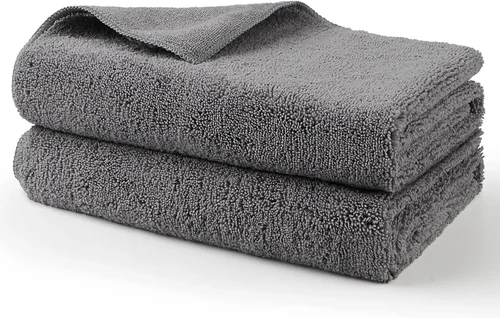
When it comes to maintaining your SUV’s showroom shine, the right tools make all the difference—and few are as essential as a high-quality microfiber towel. Whether you’re drying off after a wash, buffing wax, or removing dust from delicate surfaces, the towel you choose can mean the difference between a flawless finish and micro-scratches that dull your paint over time. With so many options flooding the market—ranging from bargain-bin packs to professional-grade cloths—it’s easy to feel overwhelmed. That’s why this comprehensive buying guide exists: to cut through the noise, clarify the jargon, and help you make a confident, informed decision tailored to your specific needs.
In this guide, you’ll learn everything you need to know about selecting the best microfiber towels for your SUV in 2026. We’ll break down the key factors that separate mediocre cloths from premium performers, compare different types based on use case and budget, highlight common pitfalls to avoid, and offer expert-backed tips to maximize value. Whether you’re a weekend detailer, a daily commuter who values cleanliness, or a car enthusiast with a garage full of ceramic coatings, this guide will equip you with the knowledge to choose towels that protect your vehicle’s finish while delivering consistent, reliable results. The market has evolved significantly in recent years, with advancements in fiber technology, weave patterns, and eco-friendly manufacturing—so it’s more important than ever to stay informed.

What to Look for When Buying Buying Guide
1. Microfiber Blend and GSM Weight
The foundation of any great microfiber towel lies in its material composition and density, measured in grams per square meter (GSM). Most high-performance towels use a blend of 70% polyester and 30% polyamide (nylon), which strikes the ideal balance between absorbency, softness, and durability. Lower-quality towels often skimp on polyamide, resulting in stiffer, less absorbent cloths that can scratch paint. GSM refers to how heavy and thick the towel is—higher GSM means more fibers packed into each square inch, which translates to better absorption and a plush feel. For SUVs, which have larger surface areas and often heavier water loads, we recommend towels with a GSM of 300–400 for drying and 250–300 for detailing or wax removal. Anything below 200 GSM is typically too thin and abrasive for safe use on automotive paint.
2. Weave Type and Texture
Not all microfiber towels are woven the same way, and the texture directly impacts performance. The three most common weaves are waffle, plush (or shaggy), and flat (or smooth). Waffle-weave towels feature a textured, grid-like pattern that creates pockets for water, making them excellent for drying large SUV bodies quickly. Their open structure allows for fast evaporation and reduces linting. Plush towels, on the other hand, have a longer, denser pile that feels luxurious and is ideal for applying or removing wax, sealants, or ceramic coatings—they provide gentle, even pressure without streaking. Flat-weave towels are thinner and smoother, best suited for quick dusting, interior cleaning, or final buffing. For SUV owners, a combination of waffle and plush towels is ideal: use waffle for drying and plush for finishing touches.
3. Size and Shape
Size matters—especially when you’re covering the expansive hood, roof, and doors of an SUV. Standard microfiber towels come in sizes ranging from 12″x12″ up to 24″x36″ or larger. For drying, a 24″x16″ or 24″x36″ waffle towel is highly efficient, allowing you to cover more surface area with fewer passes. Smaller 16″x16″ or 12″x16″ towels are better for tight spots, wheels, or interior use. Some brands offer contoured or ergonomic shapes designed to fit around mirrors, door handles, or bumpers—these can be game-changers for hard-to-reach areas. Avoid oversized towels if you have limited storage space or prefer lightweight options for quick touch-ups. Always consider how many towels you’ll realistically use per wash; a pack of four 16″x16″ towels may be more practical than one giant cloth.
4. Absorbency and Drying Speed
A towel’s ability to absorb water is critical—especially after washing a large SUV, which can hold several gallons of water. High-quality microfiber can absorb up to seven times its weight in liquid, but only if the fibers are properly constructed. Test absorbency by dipping a corner of the towel in water; it should soak up quickly without dripping excessively. Drying speed is equally important: towels that stay wet too long can breed bacteria or leave water spots if not stored properly. Look for towels with quick-dry properties, often indicated by breathable weaves or antimicrobial treatments. For SUVs, where drying time can stretch to 20–30 minutes, a highly absorbent towel reduces effort and minimizes the risk of water beading and spotting in direct sunlight.
5. Durability and Washability
Microfiber towels are an investment, and you want them to last through dozens—if not hundreds—of washes. Durability depends on fiber quality, stitching, and edge binding. Cheap towels often fray at the edges or shed fibers after just a few cycles. Look for towels with double-stitched or overlocked edges, which prevent unraveling. Always wash microfiber separately from cotton or fabric softener-laden laundry, as lint and chemicals can clog the fibers and reduce performance. Use cold or warm water (never hot) and mild detergent—avoid fabric softeners entirely, as they coat fibers and diminish absorbency. High-end towels can last 100+ washes with proper care, while budget options may degrade after 20–30. Check manufacturer guidelines for care instructions; some premium brands even offer lifetime warranties against defects.
6. Color Coding and Multi-Purpose Use
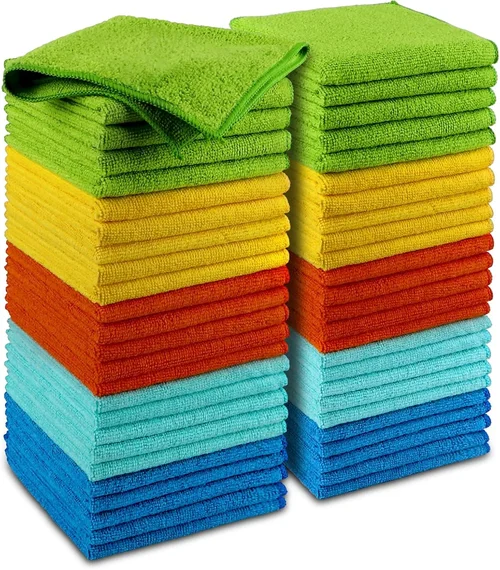
Using the same towel for your wheels, paint, and interior is a recipe for cross-contamination and scratches. That’s why color-coded towels are a smart choice for SUV owners. Assign specific colors to different tasks: blue for paint, green for wheels, gray for interior, and yellow for glass. This system prevents abrasive brake dust or grime from being transferred to your paintwork. Many professional detailers swear by this method, and it’s especially useful for larger vehicles with diverse surfaces. Additionally, consider multi-purpose towels that can handle both wet and dry tasks—some high-end microfiber cloths are designed to safely clean glass, leather, and paint without switching tools. Just ensure they’re labeled for such use and avoid using heavily soiled towels on sensitive areas.
7. Brand Reputation and Certifications
With countless brands flooding the market—from Amazon private labels to established detailing giants—it’s crucial to choose a reputable manufacturer. Trusted brands like The Rag Company, Chemical Guys, Gtechniq, and Zwipes have built their reputations on consistent quality, rigorous testing, and customer support. Look for certifications such as OEKO-TEX Standard 100, which ensures the towel is free from harmful substances, or ISO 9001 for quality management. Reading verified customer reviews on platforms like Amazon, DetailingWiki, or Reddit’s r/AutoDetailing can also reveal real-world performance insights. Beware of “too good to be true” deals—ultra-cheap towels often cut corners on materials and construction, leading to poor performance and potential damage.
8. Eco-Friendliness and Sustainability
As environmental awareness grows, so does demand for sustainable car care products. Many leading microfiber brands now use recycled polyester (rPET) derived from plastic bottles, reducing waste and carbon footprint. Some companies also offer biodegradable or compostable packaging and carbon-neutral shipping. While microfiber itself isn’t biodegradable and can shed microplastics during washing, using a Guppyfriend washing bag can trap these particles and prevent them from entering waterways. If sustainability is a priority, look for brands that are transparent about their sourcing, manufacturing processes, and end-of-life solutions. A few even offer towel recycling programs—return old cloths for proper disposal or repurposing.
Different Types of Buying Guide

Common Buying Mistakes to Avoid
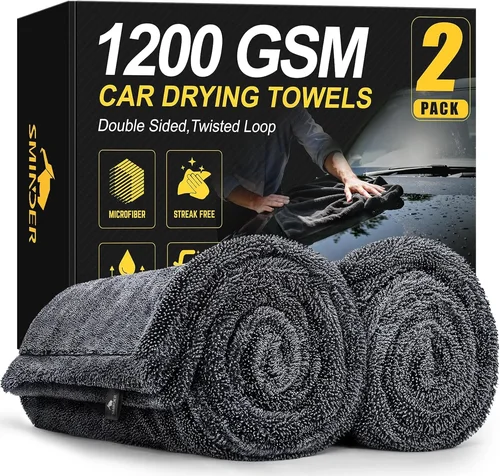
❌ Mistake: Choosing Towels Based Solely on Price
Why it’s bad: The cheapest microfiber towels often use low-grade fibers, poor stitching, and non-split construction, which can leave swirl marks, lint, or even scratch your SUV’s paint. Saving $5 upfront may cost you hundreds in detailing corrections later.
What to do instead: Focus on value, not just cost. A mid-range towel that lasts 100 washes is far more economical than a $3 towel that degrades after five uses. Invest in at least one high-quality drying towel and supplement with affordable all-purpose cloths.
❌ Mistake: Using the Same Towel for Everything
Why it’s bad: Using a wheel-cleaning towel on your paint transfers embedded brake dust and road grime, leading to micro-scratches and dulling. Similarly, using a paint towel on glass can leave oily residues.
What to do instead: Implement a color-coded system. Dedicate specific towels to paint, wheels, interior, and glass. Store them separately and label if needed.
❌ Mistake: Ignoring Care Instructions
Why it’s bad: Washing microfiber with fabric softener, bleach, or high heat destroys the fibers’ structure, reducing absorbency and increasing lint. Over time, this turns your towel into a scratching tool.
What to do instead: Wash in cold water with mild detergent, avoid softeners, and air-dry or tumble dry on low. Use a microfiber-specific laundry bag to reduce friction and shedding.
❌ Mistake: Buying Oversized Towels Without Considering Storage
Why it’s bad: A 24″x36″ towel may seem efficient, but if it doesn’t fold neatly or takes up too much space in your trunk or garage, you’re less likely to use it consistently.
What to do instead: Choose a size that balances coverage and convenience. A 20″x20″ or 24″x16″ towel offers excellent coverage for most SUVs while remaining manageable.
❌ Mistake: Overlooking Edge Construction
Why it’s bad: Poorly stitched or raw edges can snag on trim, paint, or rubber seals, causing scratches or tears. Edgeless towels eliminate this risk but are often overlooked.
What to do instead: Inspect the edges before buying. Look for overlocked, ultrasonic-sealed, or edgeless designs—especially for paint and finish work.
❌ Mistake: Assuming All Microfiber Is the Same
Why it’s bad: Not all microfiber is created equal. Differences in blend ratio, GSM, weave, and splitting dramatically affect performance. Treating all towels as interchangeable leads to inconsistent results.
What to do instead: Match the towel type to the task. Use waffle for drying, plush for waxing, and flat for interiors. Read product descriptions carefully.
❌ Mistake: Neglecting to Test Before Full Use
Why it’s bad: Some towels may look good online but feel rough, shed excessively, or leave streaks in person. Using them on your entire SUV without testing risks damage.
What to do instead: Test new towels on a small, inconspicuous area first—like a door jamb or lower fender. Check for lint, streaking, or abrasion before committing.
Budget Guidelines: How Much Should You Spend?
– Entry-Level ($5–$15 per towel): These are basic microfiber towels, often sold in multi-packs. They’re suitable for interior cleaning, glass, or occasional use but lack the density and softness needed for safe paint contact. Expect lower GSM (150–200), minimal polyamide content, and basic stitching. Best for budget-conscious buyers who prioritize function over finish.
– Mid-Range ($15–$30 per towel): This is the sweet spot for most SUV owners. Towels in this range typically feature 300+ GSM, split microfiber, and durable stitching. Brands like Zwipes, Chemical Guys, and Gtechniq offer excellent options here. You’ll get reliable drying, good absorbency, and safe paint contact—ideal for regular washes and light detailing.
– Premium ($30–$50 per towel): Designed for enthusiasts and semi-professionals, these towels use top-tier materials, edgeless construction, and advanced weaves. The Rag Company’s “Victus” line and Gtechniq’s “Ultra” series fall here. They offer superior softness, minimal lint, and long-term durability—perfect for ceramic-coated vehicles or show cars.
– Luxury ($50+ per towel): Reserved for professionals and obsessive detailers, luxury towels often include antimicrobial treatments, custom branding, and lifetime guarantees. While overkill for most, they deliver unparalleled performance and peace of mind for high-value vehicles.
Expert Tips for Getting the Best Deal
– Buy in Bundles: Many brands offer discounted multi-packs (e.g., 4 or 6 towels). These are cost-effective and ensure you have backups for different tasks. Look for bundles that include a mix of sizes and weaves.
– Shop During Seasonal Sales: Major discounts occur during Black Friday, Cyber Monday, and post-summer clearance events (August–September). Sign up for newsletters from detailing brands to get early access.
– Check Automotive Forums and Reddit: Communities like r/AutoDetailing often share exclusive promo codes, flash sales, or user reviews that highlight hidden gems.
– Prioritize Warranty and Return Policies: Reputable brands stand behind their products. Choose retailers (like Amazon, Detailed Image, or The Rag Company’s site) with hassle-free returns in case the towel doesn’t meet expectations.
– Test Before Committing to a Full Set: Buy one towel first to evaluate feel, absorbency, and durability. If it performs well, invest in a matching set.
– Consider Subscription Services: Some companies offer towel replacement programs where you receive fresh cloths every few months—great for maintaining hygiene and performance.
– Avoid “As Seen on TV” or Unverified Amazon Sellers: These often overpromise and underdeliver. Stick to well-reviewed, established sellers with transparent product info.
– Use a Guppyfriend Bag: This reduces microplastic shedding during washes, extending towel life and protecting the environment—worth the small investment.

Frequently Asked Questions
Q: Can I use regular bath towels to dry my SUV?
A: No. Bath towels are made of cotton, which is abrasive and can scratch paint, especially when wet. They also leave lint and don’t absorb as efficiently as microfiber. Always use purpose-built microfiber towels for automotive use.
Q: How often should I wash my microfiber towels?
A: After every use, especially if they’ve been used on wheels or heavily soiled areas. For paint-only towels, you can stretch to 2–3 uses if stored properly in a sealed bag, but regular washing maintains performance.
Q: Are colored microfiber towels safe for paint?
A: Yes, as long as the dye is colorfast and the towel is made from high-quality split microfiber. Avoid towels with glitter, metallic threads, or rough textures.
Q: Can I put microfiber towels in the dryer?
A: Yes, but only on low heat or air-dry setting. High heat can melt or damage the fibers. Always avoid dryer sheets.
Q: What’s the difference between 300 GSM and 400 GSM?
A: Higher GSM means thicker, more absorbent towels. 300 GSM is great for general use; 400 GSM is ideal for heavy-duty drying on large vehicles like SUVs.
Q: Do I really need edgeless towels?
A: Not necessarily, but they’re safer for high-gloss or ceramic-coated finishes. Traditional stitched towels are fine for most users if inspected for loose threads.
Q: Can microfiber towels be recycled?
A: Most cannot be recycled through curbside programs due to synthetic content. However, some brands offer take-back programs. Alternatively, repurpose old towels for shop rags or household cleaning.
Q: Why do my towels leave streaks on glass?
A: This is usually due to residue from detergent, fabric softener, or previous cleaning products. Wash towels thoroughly and use a dedicated glass-cleaning microfiber with a flat weave.
Q: How do I know if a towel is truly “automotive grade”?
A: Look for labels like “safe for paint,” “lint-free,” or “split microfiber.” Reputable brands will specify intended use and material composition.
Q: Can I use microfiber towels on matte finishes?
A: Yes, but only with extra caution. Use ultra-soft, edgeless towels and avoid aggressive rubbing. Test on a small area first.
Our Final Recommendations
– Best for Budget-Conscious Buyers: Zwipes 300 GSM Waffle Weave Towel ($18 for 2) – Excellent absorbency, durable stitching, and great value for regular SUV drying.
– Best Overall Value: The Rag Company Edgeless Waffle Weave Towel ($25 each) – Premium split microfiber, no scratching edges, and trusted by professionals.
– Best Premium Option: Gtechniq Ultra Soft Microfiber Towel ($35 each) – Ultra-plush, 400 GSM, ideal for waxing and finishing on high-end SUVs.
– Best for Beginners: Chemical Guys Microfiber Towel 4-Pack ($30) – Color-coded, versatile, and includes care instructions—perfect for learning proper detailing habits.
– Best for Advanced Users: The Rag Company Vivid Soft Plush Towel ($40 each) – Designed for ceramic coatings and show cars, with unmatched softness and precision.
Conclusion: Making the Right Choice
Choosing the right microfiber towel for your SUV isn’t just about picking the softest or cheapest option—it’s about understanding how material, construction, and use case intersect to protect your vehicle’s finish. From GSM weight and weave type to color coding and care routines, every detail matters when you’re aiming for a flawless, swirl-free shine. By prioritizing quality over cost, matching towels to tasks, and avoiding common pitfalls, you’ll not only extend the life of your cloths but also preserve the beauty of your SUV for years to come.
Remember, the best towel is the one you’ll actually use consistently. Whether you’re washing weekly or monthly, investing in a few high-performance microfiber towels is one of the smartest decisions you can make for your vehicle’s appearance and value. Take the time to assess your needs, read reviews, and test before you commit. With the insights from this guide, you’re now equipped to make a confident, informed choice—one that keeps your SUV looking its absolute best, wash after wash.