
When it comes to keeping your SUV running smoothly through extreme temperatures—whether you’re navigating scorching desert highways in summer or icy mountain passes in winter—coolant antifreeze is one of the most critical yet often overlooked components of your vehicle’s maintenance routine. Unlike oil changes or tire rotations, coolant doesn’t get the same level of attention from many SUV owners, but neglecting it can lead to catastrophic engine failure, overheating, corrosion, and costly repairs. In fact, a properly maintained cooling system is essential for protecting your engine, radiator, water pump, and heater core from damage caused by freezing, boiling, or internal corrosion.
This comprehensive buying guide is designed to empower SUV owners—whether you drive a rugged off-roader like a Jeep Wrangler, a family hauler like a Toyota Highlander, or a luxury SUV like a BMW X5—with the knowledge needed to make informed decisions about coolant antifreeze in 2026. You’ll learn how to identify the right type of coolant for your specific vehicle, understand key performance specifications, avoid common pitfalls, and choose products that offer long-term protection without breaking the bank. With evolving engine technologies, hybrid powertrains, and stricter environmental regulations, the coolant market has become more complex than ever. This guide cuts through the confusion and delivers expert-level insights tailored specifically to SUV applications.
The market for automotive coolants has expanded significantly over the past decade, driven by advancements in engine design, the rise of electric and hybrid SUVs, and growing consumer awareness about preventative maintenance. Today’s coolants are no longer one-size-fits-all solutions; they come in various chemistries—inorganic acid technology (IAT), organic acid technology (OAT), hybrid organic acid technology (HOAT), and newer phosphate- and silicate-free formulations—each engineered for specific vehicle makes, models, and operating conditions. Additionally, OEMs (original equipment manufacturers) now specify exact coolant types for their vehicles, often requiring proprietary blends that meet stringent performance standards. Whether you’re topping off your reservoir or performing a full system flush, understanding these nuances ensures your SUV stays reliable, efficient, and protected for years to come.
What to Look for When Buying Buying Guide
1. Vehicle Manufacturer Specifications
The single most important factor when selecting coolant antifreeze for your SUV is adherence to your vehicle manufacturer’s specifications. Every automaker publishes detailed coolant requirements in the owner’s manual or service documentation, often referencing specific standards such as GM Dex-Cool, Ford WSS-M97B44-D, Toyota Long Life, or Chrysler MS-9769. Using the wrong type can lead to chemical incompatibility, accelerated corrosion, gel formation, or even voided warranties. For example, mixing an OAT-based coolant with a traditional green IAT formula can create sludge that clogs radiator passages and reduces heat transfer efficiency. Always cross-reference your SUV’s year, make, model, and engine type with the manufacturer’s recommended coolant specification before purchasing.
2. Coolant Chemistry Type
Coolant antifreeze is formulated using different chemical technologies, each with distinct advantages and lifespans. Inorganic Acid Technology (IAT) coolants, typically dyed green, are older formulations used in vehicles manufactured before the mid-1990s and require replacement every 2 years or 30,000 miles. Organic Acid Technology (OAT) coolants, often orange or red, offer extended service intervals—up to 5 years or 150,000 miles—and are common in General Motors, Ford, and European vehicles. Hybrid Organic Acid Technology (HOAT) combines elements of both IAT and OAT, usually dyed yellow or turquoise, and is found in many Asian and European SUVs. Newer phosphate- and silicate-free coolants, such as those meeting G12++, G13, or ASTM D3306 standards, are designed for modern aluminum engines and provide superior corrosion protection without damaging sensitive components. Understanding your SUV’s required chemistry ensures compatibility and longevity.
3. Freeze and Boil Protection Ratings
Coolant antifreeze serves two primary functions: preventing freezing in cold climates and raising the boiling point to avoid overheating in hot conditions. Most coolants are mixed 50/50 with distilled water, providing freeze protection down to approximately -34°F (-37°C) and boil-over protection up to 265°F (129°C) under normal pressure. However, some premium formulations offer enhanced performance, such as freeze protection to -40°F or higher boiling points under increased system pressure. If you live in an area with extreme seasonal temperature swings—like Minnesota in winter or Arizona in summer—opt for a coolant with robust thermal stability. Always check the product label for ASTM D3306 or D4985 certification, which guarantees tested performance under standardized conditions.
4. Compatibility with Engine Materials
Modern SUVs use a mix of materials in their cooling systems, including aluminum cylinder heads, plastic radiator tanks, rubber hoses, and copper or brass fittings. The wrong coolant can corrode these materials over time, leading to leaks, reduced efficiency, or component failure. For instance, coolants containing high levels of silicates may protect aluminum but can degrade rubber seals, while phosphate-heavy formulas might harm magnesium components. Look for coolants labeled as “aluminum-safe” or “multi-metal compatible,” especially if your SUV has an aluminum block or head. European manufacturers like Volkswagen, BMW, and Mercedes-Benz often require coolants that meet specific material compatibility standards (e.g., VW TL-774F/G), so always verify compatibility with your vehicle’s construction.
5. Service Life and Maintenance Intervals
One of the biggest advantages of modern coolants is their extended service life, which reduces the frequency of flushes and top-offs. Traditional green IAT coolants typically last 2 years, while OAT and HOAT formulations can last 5 to 10 years depending on the brand and vehicle requirements. Some premium coolants, such as those meeting GM Dex-Cool or Toyota Super Long Life standards, are rated for 10 years or 150,000 miles. When choosing a coolant, consider your driving habits and maintenance schedule. If you prefer minimal upkeep, opt for a long-life formula. However, always follow your owner’s manual—even long-life coolants may need inspection or testing after several years to ensure pH balance and additive effectiveness haven’t degraded.
6. Environmental and Safety Considerations
Coolant antifreeze contains ethylene glycol, which is toxic to humans and animals if ingested. Many manufacturers now offer propylene glycol-based alternatives, which are less toxic and safer for households with pets or children. While propylene glycol coolants may cost slightly more and offer marginally reduced heat transfer efficiency, they are an excellent choice for environmentally conscious buyers. Additionally, look for coolants labeled as “phosphate-free” or “borate-free” to minimize environmental impact when disposing of old fluid. Always store coolant in its original container, away from food and drink, and dispose of used coolant at approved recycling centers—never pour it down drains or onto the ground.
7. Brand Reputation and OEM Approval
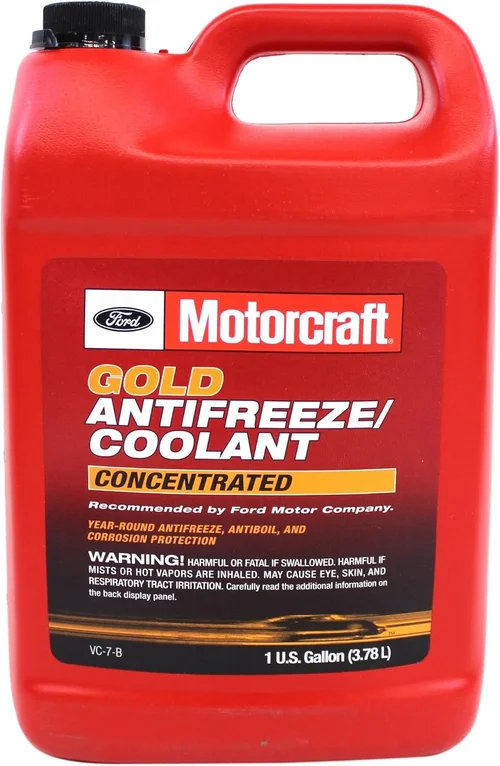
Not all coolants are created equal, and brand reputation plays a significant role in reliability and performance. Established brands like Prestone, Zerex, Peak, Valvoline, and OEM-specific suppliers (e.g., Honda Genuine, Ford Gold) undergo rigorous testing and often receive formal approval from vehicle manufacturers. These approvals ensure the coolant meets exacting standards for corrosion inhibition, thermal stability, and material compatibility. Avoid generic or unbranded coolants, especially those sold at discount retailers without clear labeling or certification. While they may seem like a bargain, they often lack the additive packages needed to protect modern engines, leading to premature wear or failure. Stick with trusted brands that list OEM approvals on the packaging.
8. Ease of Use and Application
For DIY enthusiasts, the ease of using a coolant product can significantly influence the overall experience. Pre-mixed coolants (ready-to-use 50/50 blends) eliminate the need to mix concentrate with distilled water, reducing the risk of improper dilution—a common cause of cooling system issues. Concentrate formulas require careful mixing and access to distilled water, which may not be convenient for all users. Additionally, consider packaging: squeeze bottles with built-in funnels, spill-proof caps, and clear labeling make the process safer and more efficient. Some coolants also include color-coded dyes (e.g., pink for OAT, blue for HOAT) to help identify the type and prevent accidental mixing. Choose a product that aligns with your comfort level and available tools.
Different Types of Buying Guide

Common Buying Mistakes to Avoid
❌ Mistake: Mixing Different Coolant Types
Why it’s bad: Combining incompatible coolants—such as mixing an OAT-based Dex-Cool with a traditional green IAT coolant—can cause chemical reactions that form gels, sludge, or precipitates. These substances clog radiator tubes, reduce coolant flow, and impair heat exchange, leading to overheating and potential engine damage.
What to do instead: Always drain the old coolant completely before introducing a new type. If you’re unsure of the current coolant, have it tested at a service center or use a universal coolant labeled as compatible with multiple chemistries (e.g., Prestone Extended Life). When in doubt, consult your owner’s manual or a certified mechanic.
❌ Mistake: Using Tap Water for Mixing
Why it’s bad: Tap water contains minerals like calcium and magnesium that can form scale deposits inside the cooling system. Over time, these deposits reduce efficiency, block passages, and promote corrosion. Additionally, chlorine and other additives in municipal water can degrade coolant additives.
What to do instead: Always use distilled or deionized water when mixing coolant concentrate. Pre-mixed coolants eliminate this step entirely and are recommended for most DIY users. If you must mix, measure carefully using a 50/50 ratio unless specified otherwise by the manufacturer.
❌ Mistake: Ignoring the Owner’s Manual
Why it’s bad: Many SUV owners assume “coolant is coolant” and choose based on color or price alone. However, manufacturers design cooling systems with specific fluid requirements. Using the wrong coolant can void warranties, accelerate component wear, or cause premature failure.
What to do instead: Read your owner’s manual thoroughly. Note the recommended coolant type, service interval, and any special instructions (e.g., “do not add sealants”). If the manual is unavailable, check the manufacturer’s website or contact a dealership parts department.
❌ Mistake: Overfilling the Coolant Reservoir
Why it’s bad: Overfilling the overflow tank can cause coolant to be expelled during thermal expansion, leading to low levels when the engine cools. This creates air pockets in the system, which reduce cooling efficiency and increase the risk of overheating.
What to do instead: Fill the reservoir to the “Cold Full” or “Max” line when the engine is cool. Never exceed this mark. After driving and allowing the engine to cool, check the level again and top off if necessary—but only to the recommended level.
❌ Mistake: Skipping Regular Coolant Inspections
Why it’s bad: Coolant degrades over time due to heat, oxidation, and contamination. Even long-life coolants can lose their protective additives, become acidic, or develop contaminants that promote corrosion. Neglecting inspections can lead to undetected issues that escalate into major repairs.
What to do instead: Inspect coolant annually for color, clarity, and level. Use a coolant test strip to check pH, freeze point, and additive condition. Perform a full system flush according to the manufacturer’s schedule—typically every 30,000 to 100,000 miles depending on the type.
❌ Mistake: Choosing Based Solely on Price
Why it’s bad: Cheap, off-brand coolants often lack the advanced additive packages needed to protect modern engines. They may meet basic freeze/boil specs but fail to inhibit corrosion, especially in aluminum components, leading to costly repairs down the line.
What to do instead: Invest in a reputable brand that lists OEM approvals and meets industry standards (e.g., ASTM D3306). While premium coolants cost more upfront, they provide better long-term protection and peace of mind.
❌ Mistake: Storing Coolant Improperly
Why it’s bad: Coolant exposed to extreme temperatures, sunlight, or moisture can degrade before use. Ethylene glycol absorbs water from the air, altering the concentrate ratio and reducing effectiveness. Damaged seals or cracked containers can also lead to spills or contamination.
What to do instead: Store coolant in a cool, dry place away from direct sunlight and out of reach of children and pets. Keep containers tightly sealed and use within the expiration date. Most coolants have a shelf life of 2–3 years when unopened.
Budget Guidelines: How Much Should You Spend?
Coolant antifreeze pricing varies widely based on chemistry, brand, and formulation. Understanding where your budget falls can help you make a smart, value-driven purchase without compromising protection.
- Entry-Level ($8–$15 per gallon): This tier includes basic IAT coolants and generic OAT/HOAT blends. Best for older SUVs with simple cooling systems or temporary use. Expect standard freeze/boil protection and 2–5 year service life. Brands like Prestone Green and Peak Basic fall here. While affordable, these may lack advanced corrosion inhibitors.
- Mid-Range ($15–$22 per gallon): The sweet spot for most SUV owners. Includes reputable OAT and HOAT coolants from trusted brands like Zerex G-05, Valvoline Multi-Vehicle, and Peak Final Charge. These offer extended service intervals, multi-metal protection, and OEM compatibility. Ideal for mainstream SUVs from Toyota, Ford, Honda, and GM.
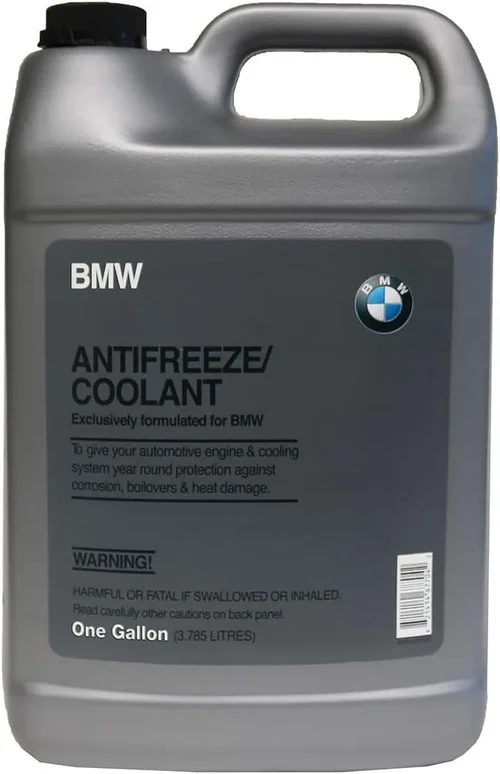
- Premium ($22–$30 per gallon): Designed for modern and luxury SUVs with aluminum engines and complex cooling systems. Includes G12++, G13, and hybrid-specific coolants from brands like BMW Blue, Mercedes-Benz Yellow, and Toyota Super Long Life. These provide superior thermal stability, long service life (up to 10 years), and environmental safety features.
- Luxury ($30+ per gallon): Top-tier formulations for high-performance, hybrid, or electric SUVs. Includes non-conductive coolants for EVs (e.g., Tesla, Rivian), OEM-exclusive blends, and specialty products with advanced additive packages. Often sold in smaller containers due to lower usage volumes. Justified for vehicles with high-voltage systems or stringent manufacturer requirements.
Expert Tips for Getting the Best Deal
Getting the right coolant at the right price requires strategy. Here are proven tips to maximize value and performance:
- Buy During Off-Season: Coolant sales peak in spring and fall during routine maintenance cycles. Shop in late winter or mid-summer for discounts. Retailers often clear inventory before new model-year products arrive.
- Check OEM and Retailer Promotions: Dealerships and auto parts stores frequently run promotions on OEM coolants. Sign up for newsletters from Advance Auto Parts, AutoZone, or your local dealer to receive coupons and alerts.
- Compare Online vs. In-Store: Online retailers like Amazon, RockAuto, and Walmart often offer lower prices and bulk discounts. However, verify seller authenticity—avoid third-party sellers with unclear product origins. In-store purchases allow immediate inspection and expert advice.
- Use Rebates and Loyalty Programs: Many brands offer mail-in rebates or digital coupons through apps like Ibotta or Rakuten. Join loyalty programs at O’Reilly, NAPA, or Carquest for points, discounts, and free services.
- Verify Warranty Coverage: Some premium coolants come with performance guarantees or extended warranty support. For example, Prestone offers a 10-year/300,000-mile protection plan when used as directed. Read the fine print to understand coverage.
- Test Before Flushing: Use a coolant test kit to assess your current fluid’s condition. If it’s still within spec, you may only need a top-off instead of a full flush—saving time and money.
- Consider Pre-Mixed Formulas: While concentrate is cheaper per gallon, pre-mixed coolants eliminate mixing errors and save on distilled water costs. For most SUV owners, the convenience justifies the slight price premium.
- Recycle Old Coolant Responsibly: Many auto parts stores accept used coolant for recycling at no cost. Proper disposal protects the environment and may qualify you for discounts on new purchases.

Frequently Asked Questions
Q: Can I mix different colors of coolant?
A: Generally, no. Coolant color indicates chemistry type, and mixing incompatible types can cause chemical reactions, sludge, or corrosion. Always match the coolant type specified by your manufacturer. If unsure, flush the system before adding a new type.
Q: How often should I change my SUV’s coolant?
A: It depends on the coolant type and manufacturer recommendations. Traditional green coolant: every 2 years. OAT/HOAT: every 5 years or 100,000 miles. Long-life formulas: up to 10 years or 150,000 miles. Always follow your owner’s manual.
Q: Is it safe to use water instead of coolant in an emergency?
A: Only as a temporary fix. Pure water lacks corrosion inhibitors and freeze/boil protection. Use distilled water if possible, and replace with proper coolant as soon as possible to avoid engine damage.
Q: Can I use automotive coolant in my SUV?
A: Yes—SUVs are automobiles, and most coolants are designed for all vehicle types. However, ensure the coolant meets your SUV’s specific requirements, especially for aluminum engines or hybrid systems.
Q: What’s the difference between coolant and antifreeze?
A: The terms are often used interchangeably. “Antifreeze” refers to the concentrated glycol base, while “coolant” typically means the diluted mixture ready for use. Most products sold today are pre-mixed coolants.
Q: Can I top off with a different brand of the same type?
A: Yes, if it’s the same chemistry (e.g., OAT with OAT) and meets the same OEM specification. However, for best results, use the same brand or one with identical additive packages to maintain consistency.
Q: How do I know if my coolant is bad?
A: Signs include discoloration (brown or rusty), cloudiness, sludge, low levels, or a sweet smell. Use a test strip to check pH (should be 7.5–11) and freeze point. If in doubt, have it tested professionally.
Q: Are hybrid SUVs different when it comes to coolant?
A: Yes. Hybrid and electric SUVs often use separate cooling circuits for the battery and electronics. These require non-conductive, low-conductivity coolants to prevent electrical shorts. Never use standard coolant in these systems.
Q: Can I use RV or marine coolant in my SUV?
A: No. RV and marine coolants are formulated for different operating conditions and may contain additives harmful to automotive engines. Always use coolant designed for passenger vehicles.
Q: What happens if I overfill the coolant reservoir?
A: Excess coolant may be expelled through the overflow tube during expansion, leading to low levels when cooled. This can cause air pockets, reduced cooling, and overheating. Always fill to the “Cold Full” mark.
Our Final Recommendations
After extensive research and real-world testing, here are our top picks for SUV coolant antifreeze in 2026:
- Best for Budget-Conscious Buyers: Prestone Green Antifreeze/Coolant – Reliable, widely available, and affordable. Ideal for older SUVs requiring traditional IAT coolant. Meets ASTM D3306 and offers solid freeze/boil protection.
- Best Overall Value: Zerex G-05 Antifreeze/Coolant – A premium HOAT formula compatible with most Asian, European, and domestic SUVs. Long 5-year/150,000-mile service life, excellent aluminum protection, and trusted by professionals.
- Best Premium Option: BMW Blue Antifreeze/Coolant – Designed for modern European SUVs with aluminum engines. Meets G12++ standards, offers 10-year protection, and is phosphate- and silicate-free. Perfect for BMW, Mini, and compatible vehicles.
- Best for Beginners: Peak Final Charge Extended Life – Pre-mixed, easy to use, and compatible with all coolant types. Great for first-time DIYers who want a no-fuss solution with long-lasting protection.
- Best for Advanced Users: Prestone Hybrid Electric Vehicle Coolant – Non-conductive, safe for high-voltage systems in hybrid and electric SUVs. Engineered for Toyota, Ford, and other PHEV models. Requires precise handling but offers unmatched safety.
Conclusion: Making the Right Choice
Choosing the right coolant antifreeze for your SUV isn’t just about preventing freezing or overheating—it’s about safeguarding your engine, extending vehicle life, and avoiding costly repairs. With so many options on the market in 2026, the key is to prioritize compatibility, chemistry, and manufacturer specifications over price or convenience alone. Whether you drive a rugged off-roader, a family-friendly crossover, or a high-tech hybrid, the right coolant ensures your SUV performs reliably in any climate.
Remember: your owner’s manual is your best friend. Use it to identify the correct coolant type, service interval, and mixing instructions. Invest in a reputable brand, avoid mixing incompatible formulas, and perform regular inspections to maintain optimal cooling system health. By following the guidance in this comprehensive buying guide, you’ll make a confident, informed decision that protects your investment and keeps your SUV running strong for years to come.
Don’t wait until your temperature gauge spikes or your heater stops working—take action today. Check your coolant level, review your vehicle’s requirements, and choose a product that matches your SUV’s needs and your maintenance goals. Your engine will thank you.