
Keeping your SUV sparkling clean isn’t just about vanity—it’s about preserving value, protecting your investment, and ensuring safety. SUVs, with their larger surface areas, higher ground clearance, and often more rugged usage, present unique cleaning challenges that standard car wash kits simply can’t handle. A muddy weekend adventure, salt-covered winter roads, or even daily grime buildup can quickly dull your vehicle’s finish if you’re not equipped with the right tools. That’s where a dedicated SUV car wash kit comes in. These specialized kits are designed to tackle the extra size, complex contours, and stubborn dirt that come with owning a larger vehicle.
This comprehensive buying guide is here to cut through the noise and help you make a smart, informed decision. Whether you’re a weekend warrior who takes your SUV off-road, a family hauler dealing with soccer cleats and snack spills, or a city driver navigating urban grime, we’ll walk you through everything you need to know. You’ll learn how to evaluate key features like brush reach, soap compatibility, water efficiency, and portability. We’ll compare different types of kits, highlight common pitfalls to avoid, and give you expert tips to get the best value for your money. By the end, you’ll have a clear roadmap to choose the perfect SUV car wash kit that fits your lifestyle, budget, and cleaning goals.
The market for SUV-specific car wash kits has exploded in recent years, driven by the rising popularity of crossovers and full-size SUVs. What was once a niche category now includes everything from compact, budget-friendly starter sets to professional-grade systems with telescopic poles, foam cannons, and eco-conscious formulations. Brands like Chemical Guys, Meguiar’s, Armor All, and Griot’s Garage have stepped up their game, while newer entrants focus on sustainability and smart design. With so many options available, it’s easy to feel overwhelmed—but don’t worry. This guide will help you navigate the landscape with confidence, ensuring you invest in a kit that delivers real results without breaking the bank.
What to Look for When Buying Buying Guide
1. Brush Reach and Adjustability
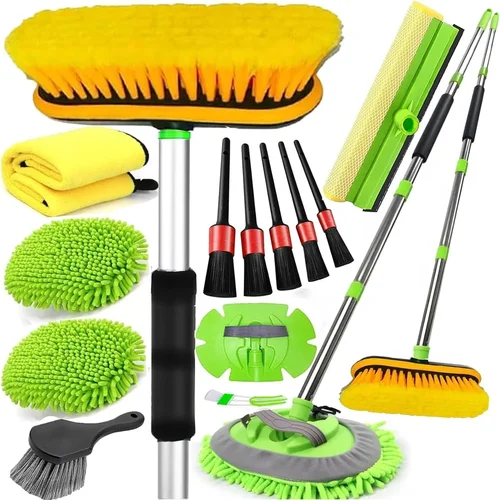
One of the biggest challenges when washing an SUV is reaching the roof, hood, and upper sections of the windshield—areas that are often out of arm’s reach on taller vehicles. A short-handled brush might work for sedans, but it’s practically useless for most SUVs. Look for kits that include a telescopic or extendable pole, ideally ranging from 4 to 8 feet when fully extended. This allows you to safely clean high surfaces without climbing on bumpers or using unstable step stools.
Adjustable brush heads are another critical feature. Soft, non-abrasive bristles made from materials like microfiber or synthetic nylon prevent scratches, especially on painted surfaces or glass. Some premium brushes offer rotating or pivoting heads that conform to curved panels, ensuring even coverage. If your SUV has a panoramic sunroof or large rear windshield, a flexible or contouring brush head becomes almost essential. Also consider the brush width—wider brushes (8–12 inches) cover more area quickly, but narrower ones offer better control in tight spots like around mirrors or door handles.
2. Soap Compatibility and Foam Delivery
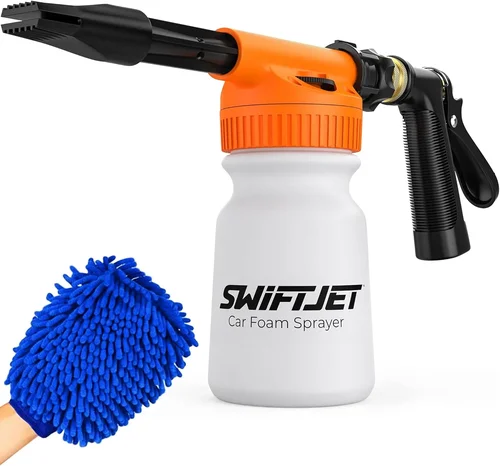
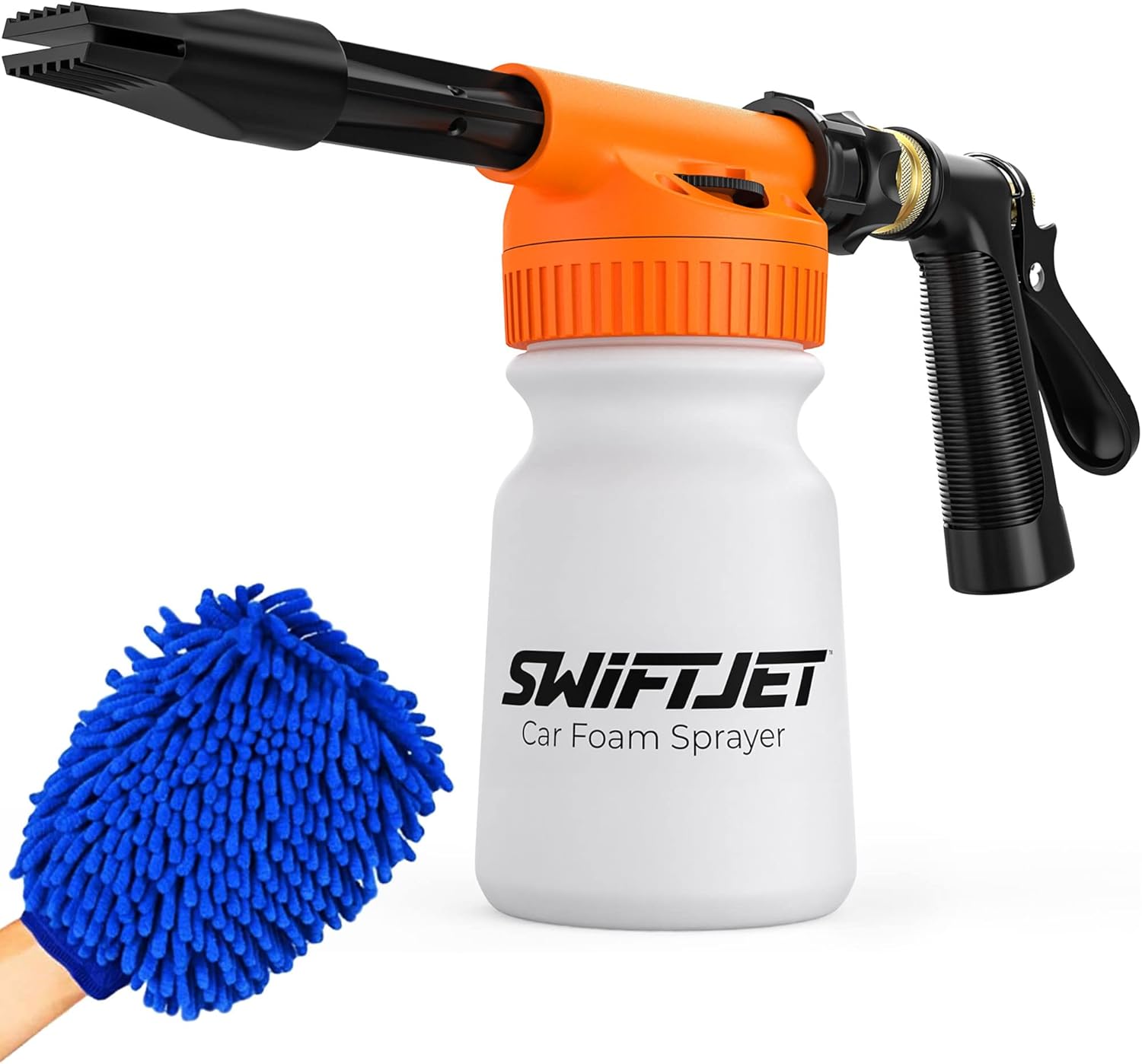
Not all car wash soaps are created equal—and not all work well with every washing method. SUVs require more soap volume due to their size, so efficiency matters. Many modern kits now include foam cannons or foam guns that attach to a standard garden hose. These devices mix soap with air and water to create a thick, clingy foam that lifts dirt before you even touch the surface, reducing the risk of swirl marks.
When evaluating soap compatibility, check whether the kit supports pH-balanced, wax-infused, or biodegradable formulas. Avoid harsh detergents like dish soap, which strip protective waxes and can damage seals or trim. Some high-end kits come with their own proprietary soaps optimized for foam delivery and paint-safe cleaning. If you prefer using your favorite brand of car shampoo, ensure the foam cannon or sprayer is compatible with concentrated formulas (most require dilution). Also consider whether the kit includes a dedicated soap bottle or reservoir—this eliminates guesswork and ensures consistent mixing ratios.
3. Water Efficiency and Hose Compatibility
SUVs use significantly more water during a wash than smaller cars—sometimes double or triple the amount. In regions with water restrictions or for eco-conscious buyers, this is a major concern. Look for kits that promote water-saving features such as low-flow nozzles, shut-off valves, or systems that minimize runoff. Some advanced kits integrate with pressure washers, which use less water overall by increasing cleaning power through pressure rather than volume.
Hose compatibility is equally important. Most kits assume you have a standard garden hose with a ¾-inch thread, but double-check the fittings. If you live in an area with hard water, consider a kit that includes a final rinse aid or spot-free water filter attachment to prevent water spots—a common issue on large SUV windshields and side windows. Additionally, if you plan to wash in winter or early morning when temperatures are low, ensure the hose and connectors are rated for cold weather to avoid cracking.
4. Build Quality and Durability
A car wash kit is an investment, and you don’t want it falling apart after two uses. Pay close attention to materials: aluminum or fiberglass poles resist rust and bending better than plastic. Brushes should have reinforced backs and securely attached bristles—loose bristles can scratch paint. Connectors and valves should be brass or high-grade polymer, not cheap plastic that cracks under pressure.
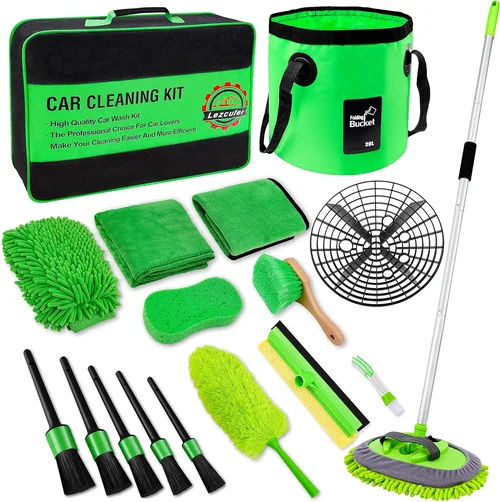
Durability also extends to storage. Kits with modular components that snap together or fit into a carrying case are easier to store and less likely to get damaged. If you have limited garage space, look for collapsible designs or wall-mountable organizers. For those who wash frequently, consider kits with replaceable parts (like brush heads or seals), which extend the product’s lifespan and reduce long-term costs.
5. Portability and Storage
Even the best kit is useless if it’s too cumbersome to use regularly. SUV owners often have busy schedules, so convenience is key. Lightweight poles (under 3 lbs when extended) reduce arm fatigue during long washes. Kits that pack down compactly—ideally under 3 feet when collapsed—are easier to store in a trunk, garage shelf, or even a large closet.
Some kits come with integrated storage bags or hard-shell cases, which protect components and keep everything organized. Others include quick-connect systems that let you switch between brush, sprayer, and rinse attachments in seconds. If you travel frequently or wash at public stations, portability becomes even more critical. Avoid kits with too many loose parts that can get lost; instead, opt for those with a unified design or labeled compartments.
6. Brand Reputation and Ecosystem
Established brands like Chemical Guys, Meguiar’s, and Griot’s Garage have built reputations for quality, consistency, and customer support. They often offer extensive product ecosystems—meaning you can buy matching waxes, sealants, interior cleaners, and detailing tools that work seamlessly together. This is especially valuable if you’re serious about maintaining your SUV’s appearance long-term.
Newer brands may offer innovative designs or lower prices, but research their track record. Check for third-party certifications (like EPA Safer Choice for eco-friendly products) and read user reviews on multiple platforms. A brand with strong customer service can save you headaches if a part breaks or you need advice on technique. Also consider whether the company offers educational resources—video tutorials, care guides, or live chat support can elevate your washing experience.
7. Warranty and Customer Support
A good warranty signals confidence in product quality. Look for at least a 1-year limited warranty on mechanical parts like poles and valves. Premium brands often offer 2–3 years or even lifetime guarantees on certain components. Read the fine print: some warranties cover only manufacturing defects, not wear and tear from regular use.
Customer support matters too. Can you easily reach a human being if something goes wrong? Do they offer replacement parts? Some companies provide free troubleshooting guides or video calls for setup help. Avoid kits from sellers with no return policy or vague contact information—these are red flags for poor post-purchase support.
8. User Reviews and Real-World Performance
Spec sheets tell part of the story, but real users tell the rest. Scour Amazon, Reddit (r/AutoDetailing), and YouTube for honest feedback. Pay attention to comments about ease of assembly, actual reach height, foam consistency, and how the kit handles heavy dirt like mud or salt. Look for reviews from other SUV owners—they’ll highlight issues specific to larger vehicles, like difficulty rinsing tall side panels or brush stiffness on textured surfaces.
Be wary of overly glowing reviews that sound scripted or focus only on packaging. Genuine users often mention quirks—like a pole that squeaks or a soap bottle that leaks—that aren’t obvious from marketing materials. If a kit has hundreds of reviews with an average of 4.5 stars or higher, and many mention “great for SUVs” or “reaches the roof easily,” that’s a strong indicator of reliability.
Different Types of Buying Guide

Common Buying Mistakes to Avoid
❌ Mistake: Ignoring Pole Length and Stability
Why it’s bad: A short or flimsy pole makes washing the roof and upper panels impossible without risky climbing. This leads to missed spots, uneven cleaning, and potential damage from using makeshift solutions like ladders or chairs.
What to do instead: Measure your SUV’s height from ground to roof (most are 6–7 feet tall). Choose a telescopic pole that extends at least 1–2 feet above that, with a secure twist-lock or clamp mechanism. Test it in-store if possible.
❌ Mistake: Using Household Detergents
Why it’s bad: Dish soap, laundry detergent, or all-purpose cleaners strip protective waxes, dry out rubber seals, and can leave hazy residues on glass and paint. Over time, this accelerates oxidation and dulls the finish.
What to do instead: Always use pH-neutral car wash shampoo formulated for automotive use. Look for labels like “safe for clear coat” or “contains lubricants.” Many kits include compatible soap—stick with those unless you have a trusted alternative.
❌ Mistake: Overlooking Water Spot Prevention
Why it’s bad: SUVs have large glass surfaces that show water spots dramatically, especially in hard water areas. Spots reduce visibility and require aggressive polishing to remove.
What to do instead: Rinse thoroughly with clean water and use a microfiber drying towel. Better yet, invest in a kit with a spot-free rinse attachment or use distilled water for the final rinse. Some foam cannons include rinse aids in their formula.
❌ Mistake: Buying Based Solely on Price
Why it’s bad: The cheapest kit often uses brittle plastic, weak bristles, and poor seals that leak or break quickly. You end up replacing it within months, costing more long-term.
What to do instead: View the kit as a long-term investment. Spend a little more for aluminum poles, reinforced brushes, and reputable brands. Mid-range kits ($80–$120) usually offer the best balance of quality and value.
❌ Mistake: Neglecting Interior Cleaning Tools
Why it’s bad: Many SUV kits focus only on exterior washing, but interiors take a beating—mud, pet hair, crumbs, and spills are common. A complete clean requires both.
What to do instead: Look for kits that include interior essentials like a vacuum adapter, interior spray cleaner, microfiber cloths, and a brush for vents and crevices. Some premium kits bundle these for a holistic approach.
❌ Mistake: Not Checking Hose Compatibility
Why it’s bad: Mismatched hose threads or incompatible pressure ratings can cause leaks, poor foam output, or even damage your garden hose valve.
What to do instead: Verify thread size (standard is ¾-inch GHT) and ensure your hose can handle the flow rate. If using a pressure washer, confirm PSI compatibility—most car wash kits are designed for 1,000–2,000 PSI.
❌ Mistake: Skipping the Drying Step
Why it’s bad: Air-drying leaves water spots, especially on dark-colored SUVs. It also misses the chance to apply protective wax or sealant.
What to do instead: Always include a high-quality microfiber drying towel or a dedicated drying kit. Some foam cannon systems include a “dry” setting or come with a blower attachment for spot-free results.
Budget Guidelines: How Much Should You Spend?
Entry-Level ($20–$50): These kits are ideal for occasional washers or those on a tight budget. Expect basic components: a fixed-length brush (3–4 feet), a simple spray nozzle, and a small bottle of generic soap. Materials are usually plastic, and there’s no foam cannon. While functional for light cleaning, they struggle with SUV-sized jobs and may lack durability. Best for city drivers with clean roads and minimal dirt exposure.
Mid-Range ($60–$120): This is the sweet spot for most SUV owners. Kits in this range typically include a telescopic aluminum pole (5–7 feet), a foam cannon or sprayer, pH-balanced soap, and a microfiber wash mitt. Build quality improves significantly—brass connectors, reinforced brushes, and better seals. Many offer modular designs and storage bags. You’ll get professional-level results without the premium price tag.
Premium ($130–$250): Designed for enthusiasts and frequent washers, these kits feature advanced foam cannons, dual-action brushes, spot-free rinse systems, and often integrate with pressure washers. Materials are top-tier: aircraft-grade aluminum, silicone seals, and scratch-free microfiber. Some include digital pressure gauges or smart nozzles that adjust flow. Ideal for off-roaders, families with messy kids, or anyone who takes pride in their vehicle’s appearance.
Luxury ($250+): These are professional detailing systems used by auto detailers and show car competitors. Expect full ecosystems: multiple brush heads, wax applicators, interior cleaning suites, wall-mounted storage, and even app-connected features for tracking wash cycles. Brands like Griot’s Garage and Chemical Guys dominate here. Only necessary if you treat car care as a hobby or run a detailing business.
Expert Tips for Getting the Best Deal
– Buy in Spring or Fall: Retailers often run promotions ahead of peak washing seasons (spring thaw and fall prep). Watch for sales around Memorial Day, Labor Day, or Black Friday. Avoid winter unless you’re in a warm climate—demand drops, but so do selection.
– Shop Online for Reviews, Buy In-Store for Testing: Use Amazon, Walmart, or AutoZone websites to compare specs and read reviews. Then visit a physical store (like O’Reilly or Advance Auto) to test pole weight, grip comfort, and hose connections. Some stores even let you try attachments on display models.
– Bundle with Other Detailing Products: Many brands offer discounts when you buy a wash kit plus wax, tire shine, or interior cleaner. A $100 bundle might cost $130 if bought separately—saving you $30 instantly.
– Check for Rebates or Loyalty Programs: Stores like Costco, Sam’s Club, or AAA sometimes offer member-exclusive rebates on car care products. Sign up for brand newsletters—Chemical Guys, for example, sends 15% off codes to subscribers.
– Prioritize Kits with Replaceable Parts: Instead of replacing the entire kit when a brush wears out, choose one where you can buy just the head or seal. This saves money and reduces waste.
– Read Return Policies Carefully: Some retailers won’t accept returns on opened car wash kits due to hygiene concerns. Look for stores with 30-day return windows and no restocking fees.
– Consider Refurbished or Open-Box Options: Certified refurbished kits from reputable sellers (like Amazon Renewed or brand outlets) can save 20–40% and often come with the same warranty as new.
– Ask About Professional Discounts: If you’re a mechanic, detailer, or fleet manager, some brands offer pro pricing with bulk discounts. Even individual enthusiasts can sometimes qualify by joining online communities or forums.

Frequently Asked Questions
Q: Can I use a regular car wash kit on my SUV?
A: Technically yes, but it’s inefficient and often ineffective. Standard kits lack the reach, foam volume, and durability needed for SUVs. You’ll spend more time, use more water, and risk missing high areas—leading to uneven cleaning and potential scratches from overreaching.
Q: Do I really need a foam cannon?
A: Not absolutely, but it’s highly recommended. Foam lifts dirt particles away from the paint, reducing friction during washing. This minimizes swirl marks and makes the process faster. For SUVs with large, flat surfaces (like hoods and roofs), foam is almost essential for safe, effective cleaning.
Q: How often should I wash my SUV?
A: It depends on usage. In general, wash every 2–4 weeks in normal conditions. After off-roading, snowy winters, or beach trips, wash immediately to remove corrosive salts, mud, or sand. Over-washing can wear down wax, so balance frequency with protection.
Q: Are waterless wash kits safe for SUVs?
A: Yes, if used correctly. Waterless formulas rely on lubricants to encapsulate dirt, allowing it to be wiped away without scratching. They’re perfect for quick touch-ups or areas with water restrictions. However, they’re not suitable for heavily soiled vehicles—always pre-rinse mud or caked-on grime first.
Q: Will a pressure washer damage my SUV’s paint?
A: Only if used improperly. Keep the nozzle at least 12–18 inches away, use a fan tip (not a pinpoint jet), and stay below 1,500 PSI. Never spray directly at seals, badges, or sensors. When paired with a foam cannon, pressure washers are safe and highly effective.
Q: Can I wash my SUV in direct sunlight?
A: Avoid it if possible. Sunlight causes soap and water to dry quickly, leaving streaks and spots. Wash in the shade or early morning/late evening. If you must wash in sun, work in small sections and rinse immediately.
Q: What’s the best way to dry a large SUV?
A: Use multiple high-quality microfiber drying towels (at least 2–3). Start from the top and work down, using a blotting motion instead of dragging. For extra efficiency, consider a leaf blower or dedicated car dryer to remove excess water before toweling.
Q: Do I need special tools for alloy wheels?
A: Yes. Alloy wheels collect brake dust and road grime that regular brushes can’t remove. Look for kits that include a soft-bristle wheel brush or a dedicated wheel cleaner. Avoid stiff brushes that can scratch polished surfaces.
Q: How do I store my car wash kit properly?
A: Rinse all components thoroughly after use to remove soap residue. Let poles and brushes air-dry completely before storing to prevent mold or rust. Keep in a cool, dry place—avoid leaving in hot garages where plastic can warp. Use the included bag or case to prevent tangling.
Q: Are eco-friendly soaps worth the extra cost?
A: Absolutely. Biodegradable, plant-based soaps are safer for the environment, your driveway, and your skin. They’re just as effective as traditional formulas and often gentler on paint and trim. Plus, many are concentrated, so a little goes a long way.
Our Final Recommendations
Best for Budget-Conscious Buyers: Chemical Guys Acc_118 Premium Microfiber Wash Mitt & Hose Kit ($35)
A no-frills starter set with a decent mitt, basic sprayer, and gentle soap. Great for occasional use if you already have a long-handled brush.
Best Overall Value: Meguiar’s Gold Class Foam Cannon Kit with Telescopic Pole ($99)
Includes a 6-foot aluminum pole, high-output foam cannon, and Gold Class Shampoo. Reliable, widely available, and trusted by professionals.
Best Premium Option: Griot’s Garage Deluxe Wash Kit ($189)
Comes with a 7-foot carbon fiber pole, dual-density brush, foam lance, spot-free rinse, and premium microfiber towels. Built to last decades.
Best for Beginners: Armor All Extreme Shine Wash & Wax Kit ($55)
Simple setup, includes wash, wax, and tire shine. The foam sprayer is easy to use, and the included instructions guide first-timers through the process.
Best for Advanced Users: Chemical Guys Master Blaster Foam Cannon System with Pressure Washer Adapter ($249)
Professional-grade foam control, interchangeable nozzles, and compatibility with most pressure washers. Perfect for detailers or serious enthusiasts.
Conclusion: Making the Right Choice
Choosing the right SUV car wash kit isn’t just about picking the shiniest package or the lowest price—it’s about matching your vehicle’s needs, your cleaning habits, and your long-term goals. A well-chosen kit saves time, protects your paint, and turns a chore into a satisfying ritual. Remember: prioritize reach, foam quality, build durability, and compatibility with your hose and soap preferences. Don’t fall for gimmicks, but don’t skimp on essentials either.
Think about how you use your SUV. Are you battling mud every weekend? Then a pressure washer combo is worth the investment. Do you live in a drought-prone area? An eco-friendly waterless kit might be your best friend. Are you a weekend detailer who loves that showroom gleam? Go premium with a full detailing system.
Ultimately, the best kit is the one you’ll actually use—consistently and correctly. With the insights from this guide, you’re now equipped to make a confident, informed decision. So grab your hose, mix that foam, and give your SUV the care it deserves. Your vehicle—and your driveway—will thank you.