
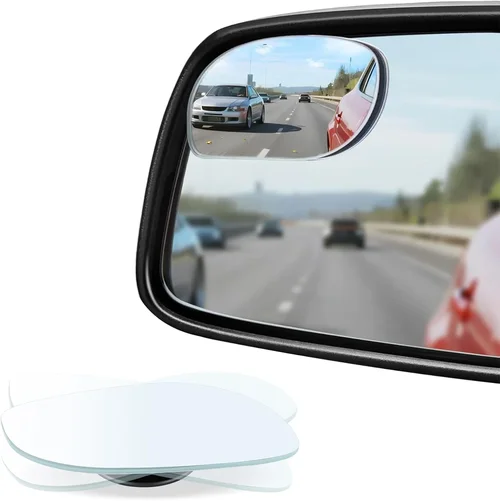
SUVs are known for their commanding road presence, spacious interiors, and rugged capability—but they also come with a well-known safety challenge: large blind spots. Unlike smaller sedans or hatchbacks, SUVs often have thicker A-pillars, elevated seating positions, and longer hoods that can obscure critical areas around the vehicle. These blind zones, especially on the sides and rear, increase the risk of collisions during lane changes, merging, or reversing. That’s where blind spot mirrors come in—a simple yet highly effective aftermarket solution that enhances visibility and driver confidence.
This comprehensive buying guide is designed to help you navigate the crowded market of SUV blind spot mirrors with confidence. Whether you’re driving a compact crossover like a Honda CR-V or a full-size SUV like a Ford Expedition, understanding how to choose the right blind spot mirror can significantly improve your safety and driving experience. In the following pages, you’ll learn how to evaluate key features, avoid common pitfalls, compare different types, and make a smart investment based on your budget and needs. We’ll also share expert tips, real-world insights, and actionable advice to ensure you get the best value for your money.
The market for blind spot mirrors has evolved dramatically over the past decade. What started as basic convex stick-on mirrors has expanded into a diverse ecosystem of products—ranging from adhesive mini-spot mirrors to advanced clip-on systems with anti-glare coatings, wide-angle views, and even integrated LED lighting. With so many options available, it’s easy to feel overwhelmed. But don’t worry: this guide cuts through the noise. By the end, you’ll know exactly what to look for, how to install your mirror correctly, and how to maintain it for long-term performance. Let’s dive in.

What to Look for When Buying Buying Guide
1. Mirror Size and Field of View
The size of the blind spot mirror directly impacts how much of your blind zone you can see. Larger mirrors offer a wider field of view, which is crucial for detecting fast-approaching vehicles, motorcycles, or cyclists. However, too large a mirror can distort the image or become obtrusive. Most effective blind spot mirrors range from 1.5 to 2.5 inches in diameter. Look for mirrors labeled as “wide-angle” or “panoramic,” as these are engineered to maximize visibility without excessive distortion.
For SUVs, which typically have larger blind spots than smaller vehicles, a mirror with at least a 120-degree field of view is ideal. Some premium models offer up to 180 degrees, giving you near-complete side coverage. Always check the product specifications for the viewing angle—don’t rely solely on marketing terms like “360° visibility,” which may be exaggerated. A good test is to compare side-by-side: if one mirror shows more of the adjacent lane and rear quarter, it’s likely the better choice.
2. Mounting Type and Installation Ease
How the mirror attaches to your existing side mirror is one of the most important factors. The three main types are adhesive (stick-on), clip-on, and suction cup. Adhesive mirrors are permanent and offer the most secure fit, but they can damage paint or leave residue if removed. Clip-on mirrors are removable and reusable, making them ideal for renters or those who switch vehicles frequently. Suction cup models are the easiest to install and remove but may lose grip in extreme heat or cold.
For SUV owners, clip-on systems are often the best balance of stability and convenience. They typically attach to the edge of your factory mirror without obstructing the original view. Look for models with adjustable arms or swivel joints so you can fine-tune the angle. Avoid cheap plastic clips that may break under vibration—opt for reinforced nylon or metal components. Installation should take under five minutes and require no tools.
3. Build Quality and Durability
Blind spot mirrors are exposed to the elements—sun, rain, snow, road salt, and UV rays—so durability is non-negotiable. Cheap mirrors often use thin glass or low-grade acrylic that can fog, crack, or yellow over time. High-quality mirrors use tempered glass or optical-grade acrylic with anti-scratch and anti-fog coatings. These materials resist shattering and maintain clarity even after years of use.
Check the housing material: ABS plastic is common and durable, but metal housings (like aluminum) offer superior longevity and a premium feel. Also, consider weather resistance. Look for IP-rated products (e.g., IPX4 or higher) that indicate protection against water splashes. If you live in a region with harsh winters or intense summer heat, invest in a mirror designed for extreme conditions. A well-built mirror should last at least 3–5 years with minimal maintenance.
4. Optical Clarity and Distortion Control
Not all convex mirrors are created equal. Poor-quality mirrors can create fish-eye distortion, making objects appear farther away than they are—a dangerous illusion when judging the speed of an approaching vehicle. High-end blind spot mirrors use precision-engineered curvature to minimize distortion while maximizing coverage. Some brands incorporate aspheric lens technology, which flattens the curve at the edges to reduce warping.
To test clarity, look for mirrors with a smooth, even reflection. Avoid those with visible seams, bubbles, or uneven tinting. Anti-glare coatings are also valuable, especially for night driving. These coatings reduce headlight glare from vehicles behind you, improving visibility without washing out colors. If possible, read user reviews that mention nighttime performance—this is where many budget mirrors fall short.
5. Compatibility with Your SUV’s Mirror Shape
SUVs come in all shapes and sizes, and so do their side mirrors. Some have rounded edges, others are angular or integrated with turn signals and cameras. A blind spot mirror that fits perfectly on a sedan might not work on your SUV. Before buying, measure your mirror’s dimensions and compare them to the product’s compatibility chart. Most reputable brands list compatible vehicle models or provide sizing guides.
Clip-on mirrors are generally more adaptable, but even they have limits. If your SUV has a very thick or uniquely shaped mirror housing, you may need a custom-fit model. Some manufacturers offer universal kits with multiple adapters. Alternatively, adhesive mirrors can be cut to size (if made of flexible acrylic), but this requires precision. When in doubt, contact the seller for confirmation—don’t assume it will fit.
6. Ease of Adjustment and Stability
A mirror that shifts or vibrates while driving is worse than no mirror at all—it creates a false sense of security. Look for models with secure locking mechanisms, such as ball-and-socket joints with tightening screws or ratcheting arms. These allow you to set the angle once and trust it will stay put, even on rough roads or at highway speeds.
Test the adjustment range: you should be able to tilt the mirror up, down, left, and right to cover your specific blind spot. Some mirrors offer 360-degree rotation, which is helpful for fine-tuning. Avoid models that rely solely on friction—they tend to loosen over time. Also, check for vibration dampening features, like rubber gaskets or silicone pads, which reduce shake and improve image stability.
7. Aesthetics and Discreet Design
While function is paramount, appearance matters too. A bulky, mismatched mirror can look tacky and distract from your SUV’s design. Modern blind spot mirrors come in sleek, low-profile designs that blend seamlessly with factory mirrors. Matte black or chrome finishes are common and tend to match most vehicle colors.
Some brands offer mirrors with beveled edges or frameless designs for a premium look. If you’re concerned about resale value or simply prefer a clean aesthetic, choose a model that doesn’t protrude excessively. That said, don’t sacrifice visibility for style—always prioritize performance. A well-designed mirror should enhance both safety and appearance.
8. Brand Reputation and Customer Support
With so many generic brands flooding online marketplaces, it’s wise to stick with established names known for quality and reliability. Brands like Fit System, CIPA, and ECCO have decades of experience in automotive accessories and often provide better customer service, warranties, and product documentation. Reading verified buyer reviews on platforms like Amazon, Walmart, or AutoZone can reveal patterns—consistent complaints about peeling adhesive or broken clips are red flags.
Also, check if the company offers a warranty (typically 1–3 years) and responsive support. A good brand will stand behind its product and assist with installation issues or defects. Avoid no-name sellers with vague return policies. Investing in a reputable brand may cost a bit more upfront, but it pays off in peace of mind and long-term performance.
Different Types of Buying Guide

Common Buying Mistakes to Avoid
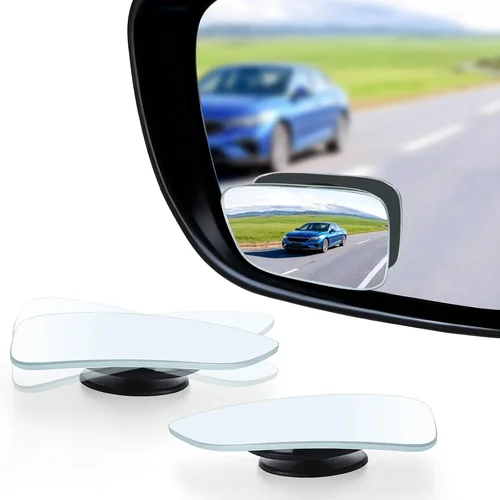
❌ Mistake: Choosing the Cheapest Option Without Checking Quality
Why it’s bad: Ultra-low-cost mirrors often use flimsy materials, poor adhesives, and distorted glass. They may fall off after a few weeks or provide misleading reflections that increase accident risk.
What to do instead: Set a minimum budget of $10–$15 and prioritize mirrors with tempered glass, strong mounting systems, and positive user reviews. Remember: this is a safety device—not a place to cut corners.
❌ Mistake: Ignoring Compatibility with Your SUV’s Mirror
Why it’s bad: A mirror that doesn’t fit properly will either not attach at all or obstruct your main mirror’s view, defeating its purpose.
What to do instead: Measure your side mirror’s width, height, and thickness before buying. Use the seller’s compatibility guide or contact customer service to confirm fitment.
❌ Mistake: Overlooking Adjustability
Why it’s bad: A fixed-angle mirror may not align with your seating position or blind spot, leaving you with partial or no coverage.
What to do instead: Choose a model with multi-axis adjustment (up/down, left/right, tilt). Test the range in the product images or videos before purchasing.
❌ Mistake: Installing Without Cleaning the Surface
Why it’s bad: Dust, wax, or grease on your mirror reduces adhesive strength and can cause the blind spot mirror to detach unexpectedly.
What to do instead: Clean the mounting area with isopropyl alcohol and let it dry completely before applying any adhesive or clip.
❌ Mistake: Assuming All Convex Mirrors Are the Same
Why it’s bad: Different curvature radii affect how objects appear. A mirror with too much curve makes cars seem farther away, leading to unsafe lane changes.
What to do instead: Look for mirrors labeled “low distortion” or “aspheric.” Read reviews that mention depth perception and real-world accuracy.
❌ Mistake: Neglecting Nighttime Performance
Why it’s bad: Many mirrors glare under headlights, making it harder to see vehicles in your blind spot at night.
What to do instead: Choose models with anti-reflective or blue-tinted coatings. Avoid clear glass without any glare reduction.
❌ Mistake: Not Testing After Installation
Why it’s bad: You might not realize the mirror is misaligned or too high/low until you’re on the road—potentially too late.
What to do instead: Sit in your normal driving position and adjust the mirror so you can just see the edge of your SUV and the lane beside you. Take a short test drive to confirm visibility.
Budget Guidelines: How Much Should You Spend?
- Entry-Level ($5 – $15): These are typically basic adhesive mirrors made of acrylic or thin glass. They work in a pinch but often lack durability, clarity, and secure mounting. Best for temporary use or older vehicles where perfection isn’t critical. Expect to replace them within 1–2 years.
- Mid-Range ($16 – $35): This is the sweet spot for most SUV owners. You’ll find clip-on models with tempered glass, adjustable arms, and decent weather resistance. Brands like Fit System and CIPA dominate this tier. These mirrors offer excellent value, lasting 3–5 years with proper care.
- Premium ($36 – $60): Designed for enthusiasts and frequent drivers, these mirrors feature aspheric lenses, metal housings, anti-fog coatings, and advanced mounting systems. Some include LED accents or integrated turn signals. Ideal for luxury SUVs or those who prioritize both safety and aesthetics.
- Luxury ($60+): Top-tier options include custom-fit replacements that integrate seamlessly with your SUV’s existing mirror assembly. These may require professional installation but offer OEM-level quality and often come with multi-year warranties. Perfect for high-end vehicles like Range Rovers or Cadillac Escalades.
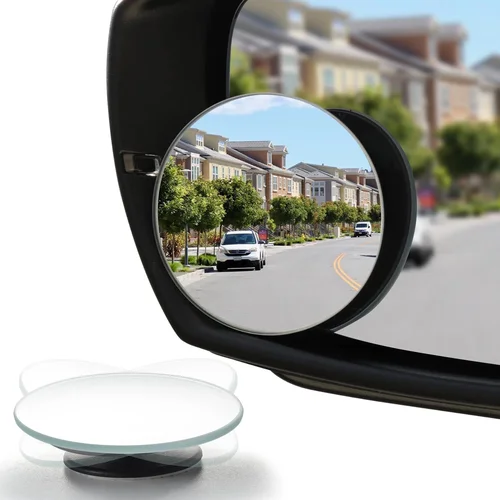
Expert Tips for Getting the Best Deal
- Buy During Seasonal Sales: Automotive accessories often go on sale during Black Friday, Cyber Monday, and end-of-summer clearance events. Sign up for newsletters from retailers like AutoZone, Advance Auto Parts, or Amazon to get alerts.
- Shop Online for Better Selection: Physical stores carry limited stock. Online platforms offer hundreds of options, detailed specs, and user reviews. Use filters to narrow by vehicle type, price, and features.
- Check Return Policies: Even the best mirror might not suit your SUV. Choose sellers with at least a 30-day return window and free return shipping. Avoid marketplace sellers with restrictive policies.
- Bundle with Other Accessories: Some retailers offer discounts when you buy multiple items (e.g., blind spot mirrors + backup camera). This can save you 10–20% overall.
- Read Recent Reviews: Product quality can change over time. Focus on reviews from the last 6–12 months to get an accurate picture of current performance.
- Test Before Committing: If possible, try a friend’s mirror or buy one from a local store where you can inspect it in person. Pay attention to weight, finish, and ease of adjustment.
- Consider Used or Refurbished: High-quality mirrors hold up well. Check certified refurbished listings on manufacturer websites or trusted resellers for savings of 20–40%.
- Install Correctly the First Time: Follow the instructions precisely. A poorly installed mirror is ineffective—and potentially dangerous. Watch installation videos if provided.

Frequently Asked Questions
Q: Do blind spot mirrors really work on SUVs?
A: Absolutely. When properly installed and adjusted, blind spot mirrors significantly reduce blind zones on SUVs. They won’t replace sensors or cameras, but they’re a low-cost, reliable supplement—especially for older models without advanced driver aids.
Q: Can I install a blind spot mirror myself?
A: Yes! Most clip-on and adhesive models require no tools and take under 10 minutes. Just clean the surface, attach the mirror, and adjust the angle. Suction cup versions are even easier.
Q: Will a blind spot mirror obstruct my main mirror?
A: Quality designs are engineered to minimize obstruction. Clip-on models typically attach to the outer edge, leaving the central view clear. Avoid oversized mirrors that block more than 10–15% of your main mirror.
Q: Are blind spot mirrors legal?
A: In most U.S. states and countries, yes—as long as they don’t impair the driver’s view or violate size regulations. Check local laws, but generally, small convex mirrors are permitted.
Q: How do I clean my blind spot mirror?
A: Use a microfiber cloth and mild glass cleaner. Avoid ammonia-based products on acrylic mirrors, as they can cause clouding. Clean regularly to maintain clarity.
Q: Can I use blind spot mirrors in winter?
A: Yes, but choose models with weather-resistant coatings. Some mirrors fog or ice over—look for anti-fog features or apply a hydrophobic spray for extra protection.
Q: Do I need one mirror or two?
A: Always install both left and right mirrors. Each covers a different blind spot, and using only one creates a false sense of security on the other side.
Q: Will adhesive mirrors damage my paint?
A: High-quality 3M adhesives are designed to be paint-safe, but improper removal can cause damage. Use a heat gun or hair dryer to soften the glue, then gently peel. Test on a small area first.
Q: How often should I replace my blind spot mirror?
A: Inspect annually for cracks, clouding, or loose mounting. Replace if visibility is compromised—typically every 3–5 years for quality models.
Q: Are there alternatives to blind spot mirrors?
A: Yes—blind spot monitoring systems (BSM) with sensors and alerts are more advanced but cost $200+. For most drivers, mirrors offer the best balance of cost, simplicity, and effectiveness.
Our Final Recommendations
- Best for Budget-Conscious Buyers: Fit System Universal Clip-On Blind Spot Mirror – At under $20, it offers tempered glass, easy clip-on installation, and solid adjustability. Great for daily drivers who want reliable performance without overspending.
- Best Overall Value: CIPA 11950 Convex Clip-On Mirror – Priced around $25, this mirror features a wide 2.5-inch aspheric lens, durable ABS housing, and a secure ratcheting arm. Highly rated for clarity and longevity.
- Best Premium Option: ECCO E-View Aspheric LED Blind Spot Mirror – At $55, it includes integrated LED lighting for night visibility, anti-fog coating, and a sleek aluminum frame. Ideal for luxury SUV owners who want top-tier performance.
- Best for Beginners: OxGord Universal Suction Cup Mirror – Simple to install and remove, this $12 mirror is perfect for testing the concept before committing to a permanent solution.
- Best for Advanced Users: Custom-Fit OEM Replacement Mirror (vehicle-specific) – For those willing to invest $80–$120, these mirrors replace your entire side mirror with a built-in blind spot lens, offering seamless integration and maximum coverage.
Conclusion: Making the Right Choice
Choosing the right blind spot mirror for your SUV isn’t just about adding another gadget—it’s about enhancing your safety, confidence, and awareness on the road. With the information in this guide, you now have the tools to evaluate options critically, avoid common mistakes, and select a product that fits your vehicle, budget, and driving habits. Remember, the best mirror is one that’s properly installed, regularly maintained, and used consistently.
Don’t let the simplicity of these devices fool you. A well-chosen blind spot mirror can prevent accidents, reduce stress during lane changes, and even save lives—especially in larger vehicles where blind spots are more pronounced. Whether you’re navigating city traffic, highway merges, or tight parking lots, that extra visibility makes all the difference.
Take the time to assess your needs, compare features, and invest in quality. Your safety—and the safety of others on the road—is worth it. And once you’ve made your choice, share your experience. Help other SUV drivers make informed decisions by leaving honest reviews and recommending products that truly deliver. Drive smart, stay aware, and see everything around you.