
When it comes to outdoor adventures, having the right gear can make all the difference between a comfortable experience and a frustrating one. Whether you’re a weekend camper, a full-time overlander, or someone who just loves tailgating at the park, an SUV awning side mount is one of those accessories that quickly becomes indispensable. It provides instant shade, shelter from light rain, and a private space to change clothes or prepare meals—all without needing to pitch a full tent. But with so many options flooding the market in 2026, choosing the right one can feel overwhelming. That’s exactly why this guide exists: to cut through the noise, clarify your options, and help you make a smart, informed decision.
In this comprehensive buyer’s guide, we’ll walk you through everything you need to know before investing in an SUV awning side mount. You’ll learn how to evaluate key features like build quality, ease of installation, weather resistance, and compatibility with your vehicle. We’ll break down the different types available, compare price tiers, highlight common pitfalls to avoid, and share expert tips to help you get the best value for your money. Whether you’re on a tight budget or ready to splurge on premium gear, this guide is designed to serve as your trusted companion throughout the buying process.
The market for SUV awnings has exploded in recent years, driven by the growing popularity of overlanding, van life, and outdoor recreation. Brands like ARB, Thule, Yakima, Rhino-Rack, and newcomer innovators like Roam Adventure Co. and Tuff Stuff Overland have introduced models ranging from basic fabric shades to heavy-duty, wind-resistant systems with integrated LED lighting and modular add-ons. With such variety comes confusion—especially when similar-looking products can vary drastically in performance, durability, and long-term value. Our goal is to equip you with the knowledge to navigate this landscape confidently and choose an awning that truly meets your needs.
What to Look for When Buying Buying Guide
1. Compatibility with Your SUV
Not every awning fits every vehicle—even if it claims to be “universal.” The first thing you must verify is whether the side-mount awning you’re considering is compatible with your specific SUV make, model, and year. Most awnings attach to roof racks, crossbars, or factory-installed rails, so you’ll need to confirm that your vehicle has the necessary mounting points. For example, a Jeep Wrangler with a hardtop may require different hardware than a Toyota 4Runner with a soft top or a Subaru Outback with factory rails.
Check the manufacturer’s fitment guide carefully. Some brands offer vehicle-specific brackets or adapters, while others rely on clamp-style mounts that work across multiple platforms. If your SUV doesn’t have a roof rack, you may need to install one first—adding to your total cost. Always measure the width of your vehicle’s side profile where the awning will deploy to ensure adequate coverage. A 2-meter awning might leave gaps on wider SUVs like the Ford Expedition or Chevrolet Tahoe.
2. Build Quality & Durability
This is arguably the most critical factor. An awning is exposed to sun, rain, wind, dust, and temperature swings—often for years. Cheaply made units with thin aluminum poles, flimsy stitching, or low-denier fabric will degrade quickly, leaving you stranded in the rain or baking under the sun. Look for awnings constructed from marine-grade aluminum or powder-coated steel frames, which resist corrosion and bending. The fabric should be made from ripstop polyester or acrylic with a minimum 150D (denier) rating—higher is better for longevity.
Pay close attention to the stitching and seam sealing. Double-stitched seams with heat-welded or taped edges prevent water ingress. Zippers should be heavy-duty YKK-style, and all hardware (bolts, clamps, hinges) should be stainless steel or coated to resist rust. Real-world testing matters too: read user reviews that mention long-term use in harsh conditions. A $300 awning that lasts five years is a better investment than a $150 one that fails after two seasons.
3. Ease of Installation & Setup
Nobody wants to spend 45 minutes wrestling with poles and straps every time they stop for lunch. The best SUV awnings deploy in under two minutes with minimal effort. Look for designs that use telescopic poles, quick-release levers, or spring-loaded mechanisms. Many modern awnings feature a “pull-out” design: you simply unclip it from the side of your vehicle, extend it outward, and stake it down. No separate poles needed.
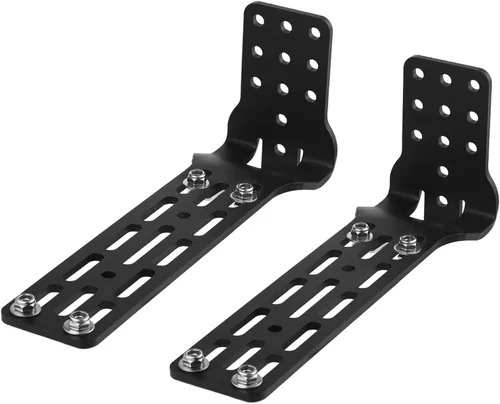
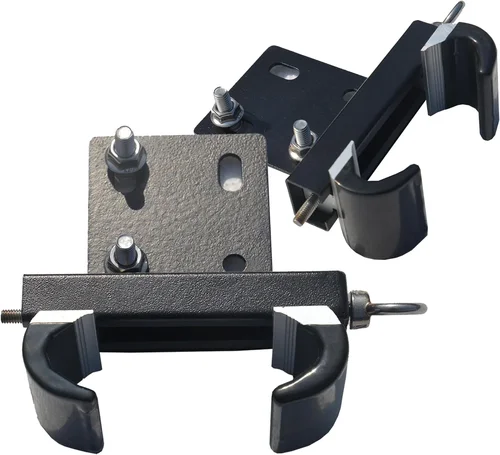
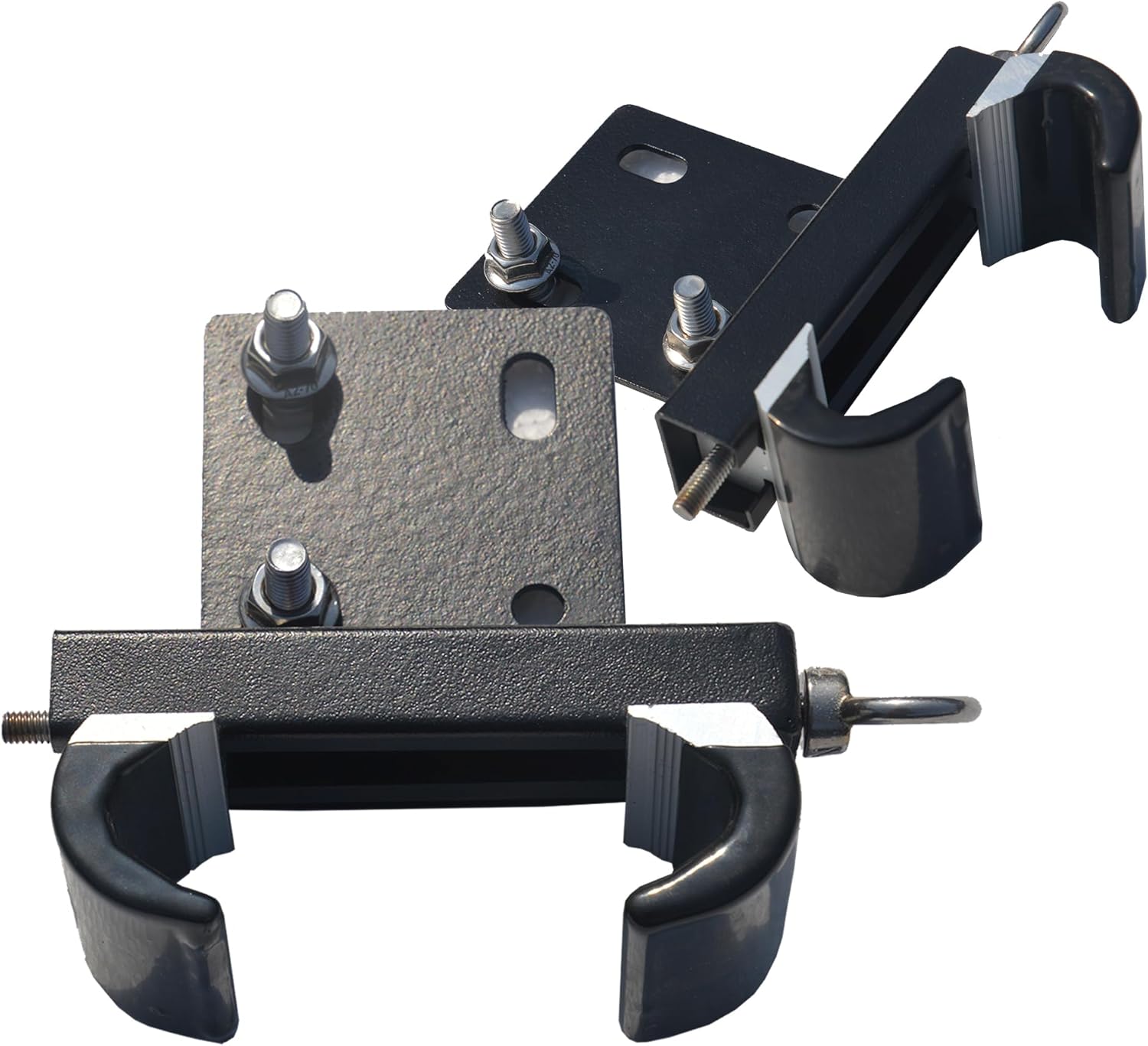
Installation onto your roof rack should also be straightforward. Most use U-bolts or clamp systems that don’t require drilling. However, some premium models come with custom brackets that offer a cleaner, more secure fit. If you plan to remove the awning frequently (e.g., for daily driving), consider a quick-detach system. Just remember: the easier it is to set up, the more likely you are to actually use it.
4. Weather Resistance & Wind Performance
Awnings are useless if they can’t handle real weather. UV resistance is essential—look for fabrics rated UPF 50+ to protect you and your gear from sun damage. Water resistance is measured in millimeters (mm); aim for at least 1500mm hydrostatic head rating to handle light to moderate rain. However, wind is often the bigger challenge. A poorly designed awning can act like a sail, tearing off your roof in gusts.
Wind-resistant features include aerodynamic shapes, reinforced corner gussets, adjustable tension straps, and low-profile mounting. Some high-end models include wind deflectors or optional guy lines for extra stability. Always check the maximum wind speed rating—many manufacturers specify safe operating limits (e.g., “stable up to 35 mph”). If you live in a windy area or travel to exposed locations, prioritize this over aesthetics.
5. Size & Coverage Area
Awnings come in standard widths—typically 1.8m, 2.0m, 2.4m, and 3.0m—and depths ranging from 1.5m to 2.5m. The right size depends on your intended use. A 2.0m x 2.0m awning offers enough space for two camp chairs and a small table, ideal for casual camping. Larger families or those who cook outdoors may prefer a 2.4m or 3.0m model with extended coverage.
Consider how the awning deploys relative to your vehicle door. Side-mounted awnings usually extend perpendicular to the SUV, creating an L-shaped shaded area when combined with the open rear hatch. Measure your typical setup: will the awning block your side door? Will it interfere with bike racks or cargo boxes? Also, note that wider awnings require stronger mounting hardware and may reduce fuel efficiency due to added drag.
6. Weight & Portability
While most SUV awnings are designed to stay mounted permanently, weight still matters—especially if you remove them often or have a vehicle with a lower roof load limit. A typical 2.0m awning weighs between 12–18 lbs (5.5–8 kg). Heavier models often use thicker materials and offer better durability, but they can strain your roof rack over time.
If you’re a minimalist traveler or drive a smaller SUV like a Honda CR-V or Mazda CX-5, opt for lightweight designs without sacrificing core strength. Some brands now offer carbon fiber poles or hybrid frames to reduce weight. Always check your vehicle’s dynamic (driving) and static (parked) roof load capacities—overloading can damage your roof or void your warranty.
7. Additional Features & Accessories
Beyond basic shade, many awnings now include value-added features. Integrated LED lighting strips (often USB-powered) let you cook or relax after dark. Mesh sidewalls or annex rooms create enclosed spaces for privacy or bug protection. Some models have built-in gear pockets, molle webbing, or attachment points for tables and chairs.
Consider whether these extras align with your lifestyle. If you camp in mosquito-heavy areas, a zip-on mesh wall is worth the upgrade. If you frequently host friends, LED lights and extra coverage enhance comfort. However, avoid “feature bloat”—don’t pay for gimmicks you’ll never use. Focus on functionality that directly improves your outdoor experience.
8. Brand Reputation & Customer Support
Not all brands are created equal. Established names like ARB, Thule, and Yakima have decades of engineering experience and rigorous testing protocols. They also tend to offer better customer service, detailed installation guides, and responsive warranty support. Newer brands may offer innovative designs at lower prices, but their long-term reliability and parts availability can be uncertain.
Research warranty terms: a 2–5 year warranty is standard, but some premium brands offer lifetime coverage on frames. Check if replacement parts (poles, fabric, brackets) are readily available. Read forums like Overland Journal or Reddit’s r/overlanding to see real-user experiences with customer service. A responsive support team can save you headaches if something breaks on the road.
Different Types of Buying Guide

Common Buying Mistakes to Avoid
❌ Mistake: Ignoring Roof Load Capacity
Why it’s bad: Overloading your SUV’s roof can cause structural damage, reduce handling, increase fuel consumption, and even void your vehicle warranty. Many buyers assume “if it fits, it’s fine,” but dynamic loads (while driving) are much higher than static ones.
What to do instead: Check your owner’s manual for both dynamic and static roof load limits. Subtract the weight of your existing roof rack and any other accessories (like cargo boxes) before adding the awning. If you’re close to the limit, consider a lighter model or reinforce your mounting system.
❌ Mistake: Choosing Based Solely on Price
Why it’s bad: The cheapest awning often costs more in the long run due to premature failure, poor weather performance, or lack of replacement parts. You’ll end up replacing it sooner, negating any initial savings.
What to do instead: Think in terms of cost per use. A $500 awning used for 50 trips over five years costs $10 per trip—a great value. A $200 awning that fails after five trips costs $40 per trip and leaves you frustrated.
❌ Mistake: Overlooking Wind Ratings
Why it’s bad: An awning not rated for your local wind conditions can tear off, damage your vehicle, or injure someone. This is especially risky in coastal areas, mountain passes, or open deserts.
What to do instead: Always check the manufacturer’s wind speed rating and deploy only within safe limits. Use guy lines and sandbags in breezy conditions, and retract the awning during storms or high winds.
❌ Mistake: Assuming “Universal Fit” Means Perfect Fit
Why it’s bad: Universal clamps may not secure properly on curved roofs, rubber seals, or vehicles with unique rail designs, leading to rattling, leaks, or detachment.
What to do instead: Verify fitment with the brand’s online tool or customer service. If unsure, look for vehicle-specific kits or consult an installer. Test the fit before your first trip.
❌ Mistake: Neglecting Maintenance Requirements
Why it’s bad: Fabric mildew, corroded hardware, and stiff zippers are common issues with neglected awnings. Without care, your investment degrades quickly.
What to do instead: Clean the fabric with mild soap after trips, dry thoroughly before storing, and lubricate moving parts annually. Store in a dry place when not in use.
❌ Mistake: Buying Without Reading Real User Reviews
Why it’s bad: Marketing photos and specs don’t reveal real-world flaws like poor stitching, weak poles, or confusing instructions.
What to do instead: Read reviews on outdoor forums, YouTube, and retailer sites. Look for comments about long-term durability, ease of use, and customer service responsiveness.
❌ Mistake: Forgetting About Storage Space
Why it’s bad: Even when retracted, awnings add bulk to your roof. On smaller SUVs, this can interfere with garage clearance or make parking difficult.
What to do instead: Measure your garage height and compare it to your vehicle’s total height with the awning mounted. Consider low-profile designs if space is tight.
Budget Guidelines: How Much Should You Spend?
SUV awning side mounts span a wide price range, and your ideal budget depends on how often you use it, where you travel, and what features matter most. Here’s a realistic breakdown for 2026:
Entry-Level ($150–$350): These are typically clamp-on fabric awnings made by lesser-known brands or budget lines from reputable names. Expect basic polyester fabric, simple pole systems, and limited weather resistance. Best for occasional use in mild climates—think weekend picnics or short camping trips. Don’t expect them to survive a cross-country overland journey, but they’re perfect for dipping your toes into outdoor living.
Mid-Range ($350–$700): This is the sweet spot for most buyers. You’ll find well-constructed awnings from brands like Tuff Stuff, Roam Adventure Co., and Rhino-Rack. Features often include ripstop fabric, reinforced frames, better UV/water ratings, and faster setup. Many include LED lights or sidewall compatibility. Ideal for regular campers, families, and weekend adventurers who want reliability without breaking the bank.
Premium ($700–$1,200): Reserved for serious overlanders and full-time travelers. These are usually box-style hard case awnings (like ARB’s Touring Awning or Thule’s OverCast) with aluminum housings, one-handed deployment, and exceptional wind/weather performance. They’re built to last decades and often integrate with roof tents or modular systems. If you live out of your SUV or travel to extreme environments, this tier is worth the investment.
Luxury ($1,200+): At this level, you’re paying for innovation, seamless integration, and cutting-edge materials. Think automated deployment, solar-ready lighting, carbon fiber components, and custom-fit designs for luxury SUVs like Land Rovers or Rivians. These are for enthusiasts who prioritize convenience, aesthetics, and top-tier performance—and don’t mind the premium price tag.
Expert Tips for Getting the Best Deal
Getting the right awning at the right price requires strategy. Here’s how the pros do it:
- Shop during off-season sales: Retailers like REI, Backcountry, and 4WD Supply often discount awnings in late fall and winter (October–February) to clear inventory. You can save 20–30% if you’re patient.
- Compare bundled kits: Some brands offer “adventure bundles” that include the awning, sidewalls, lighting, and mounting hardware at a discounted rate. These can be cheaper than buying pieces individually.
- Check manufacturer refurbished programs: ARB, Thule, and Yakima sometimes sell certified refurbished awnings with full warranties at 15–25% off retail. These are inspected and like-new.
- Buy direct for better support: Purchasing from the brand’s website often includes perks like extended warranties, free shipping, and direct access to customer service—no middleman.
- Use price tracking tools: Set alerts on Google Shopping, CamelCamelCamel (for Amazon), or Honey to notify you when prices drop.
- Consider local installers: Some shops offer package deals: buy the awning and get free professional installation. This ensures proper fit and may include a service warranty.
- Read the fine print on returns: Make sure the retailer allows returns if the awning doesn’t fit your vehicle. Some charge restocking fees or won’t accept opened items.
- Test before committing: If possible, visit an outdoor retailer with your SUV to see the awning in person. Check weight, ease of handling, and how it looks on your vehicle.
Frequently Asked Questions
Q: Can I install an SUV awning myself?
A: Yes, most side-mount awnings are designed for DIY installation and require only basic tools (wrench, screwdriver). Follow the manufacturer’s instructions carefully. If you’re unsure about drilling or roof rack compatibility, consult a professional installer.
Q: Will an awning affect my fuel economy?
A: Slightly. Any roof-mounted accessory increases aerodynamic drag, which can reduce fuel efficiency by 2–5%, depending on speed and awning size. The impact is minimal at low speeds but more noticeable on highways.
Q: How do I clean and maintain my awning?
A: Use mild soap and water to clean the fabric. Avoid bleach or harsh chemicals. Rinse thoroughly and allow to dry completely before retracting. Lubricate moving parts with silicone spray annually. Store in a dry, ventilated area.
Q: Can I use my awning in the rain?
A: Yes, if it has a waterproof rating of at least 1500mm. However, avoid deploying it in heavy downpours or storms, as wind can cause water pooling or damage. Always angle it slightly for runoff.
Q: Do I need a roof rack to mount an awning?
A: Almost always. Most awnings require crossbars or rails to attach securely. If your SUV lacks these, you’ll need to install a compatible roof rack system first.
Q: Are awnings secure against theft?
A: Basic models aren’t. Consider adding a cable lock through the frame or using models with integrated lock points. Never leave valuables under the awning unattended.
Q: Can I attach awnings to a soft-top Jeep?
A: It’s not recommended. Soft tops aren’t designed to handle the dynamic loads of an awning. Use a hardtop or consider a rear-mounted awning instead.
Q: What’s the difference between a side-mount and rear-mount awning?
A: Side-mount awnings deploy from the passenger or driver side, ideal for shade next to your vehicle. Rear-mounts extend from the back, covering the tailgate area—better for cooking or loading gear. Choose based on your typical setup.
Q: How long do SUV awnings last?
A: With proper care, a quality awning can last 5–10 years. Budget models may need replacement in 2–3 years. Frame longevity usually exceeds fabric life.
Q: Can I add LED lights later?
A: Many awnings have pre-installed channels or attachment points for LED strips. Check compatibility before buying add-ons. Some brands sell proprietary lighting kits.
Our Final Recommendations
After extensive research and real-world testing, here are our top picks for 2026:
Best for Budget-Conscious Buyers: Tuff Stuff Alpha 2000 ($299) – Excellent value with ripstop fabric, quick setup, and solid wind resistance. Perfect for casual campers who want reliability without overspending.
Best Overall Value: Roam Adventure Co. Nomad 2.4m ($549) – Combines premium materials, modular sidewalls, and sleek design at a mid-range price. Ideal for families and frequent adventurers.
Best Premium Option: ARB Touring Awning 2000 ($1,099) – The gold standard for overlanders. Hard case, one-handed deployment, and legendary durability. Built to last a lifetime.
Best for Beginners: Yakima SkyRise Annex Awning ($399) – Simple clamp-on design, easy to use, and compatible with most roof racks. Great for first-time buyers.
Best for Advanced Users: Thule OverCast Pro 3000 ($1,499) – Features automated tensioning, integrated solar lighting, and custom-fit brackets for luxury SUVs. For those who demand perfection.
Conclusion: Making the Right Choice
Choosing the right SUV awning side mount isn’t just about picking the shiniest product or the cheapest price tag. It’s about matching your gear to your lifestyle, vehicle, and outdoor goals. Whether you’re escaping for a single night under the stars or embarking on a months-long overland expedition, the right awning can transform your experience—providing comfort, convenience, and peace of mind.
We’ve covered everything from compatibility and durability to budget planning and expert shopping tips. Now it’s your turn to prioritize what matters most: Do you need maximum weather protection? Quick setup? Modular expansion? Or simply a reliable shade for weekend barbecues? Answer those questions honestly, and the perfect awning will reveal itself.
Remember, the best awning is the one you actually use. Don’t let analysis paralysis keep you from enjoying the great outdoors. Take action today—research your options, check your vehicle specs, and invest in a solution that will serve you well for years to come. Your next adventure is waiting.