
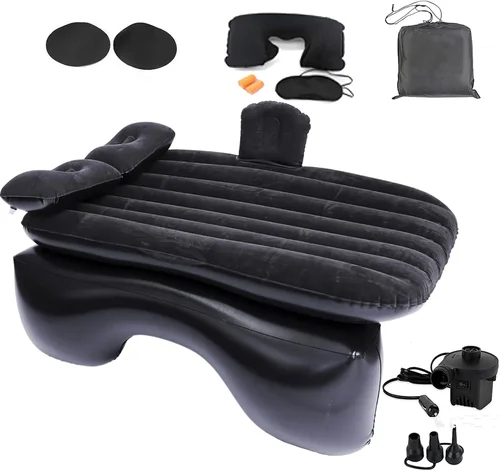
When it comes to road trips, camping adventures, or even impromptu sleepovers in your vehicle, few things enhance comfort like a reliable SUV air mattress designed specifically for the back seat. Whether you’re a weekend warrior hauling gear to the mountains, a parent turning your SUV into a mobile nap zone for tired kids, or someone who simply values flexibility and comfort on long drives, an air mattress can transform your vehicle from a utilitarian space into a cozy resting spot. But with so many options flooding the market—ranging from flimsy, single-use inflatables to high-end, multi-chamber systems—it’s easy to feel overwhelmed. That’s exactly why this comprehensive buying guide exists: to cut through the noise, clarify your options, and help you make a smart, informed decision that aligns with your lifestyle, budget, and comfort needs.
In this detailed 2026 guide, you’ll learn everything you need to know before purchasing an SUV air mattress for your back seat. We’ll walk you through the most critical factors to consider—from size compatibility and inflation methods to material durability and safety features. You’ll discover the different types of air mattresses available, understand common pitfalls to avoid, and get expert-backed tips on how to stretch your dollar without sacrificing quality. Whether you’re shopping for your first air mattress or upgrading from a disappointing previous model, this guide will equip you with the knowledge to choose a product that delivers real value, lasting performance, and peace of mind. By the end, you won’t just know what to buy—you’ll know why it’s the right choice for you.
The market for SUV air mattresses has evolved significantly over the past few years. What once consisted mostly of generic, one-size-fits-all inflatables now includes specialized designs tailored to specific vehicle models, advanced materials that resist punctures and leaks, and smart features like built-in pumps, adjustable firmness, and even heating elements. Brands have responded to consumer demand for better comfort, easier setup, and improved safety, especially as more people embrace van life, overlanding, and family road travel. However, this innovation also means more complexity—and more potential for confusion. With prices ranging from under $30 to over $200, and features varying wildly between models, it’s essential to approach your purchase with a clear strategy. This guide is designed to be your roadmap through that process, ensuring you invest in a mattress that truly enhances your travel experience.

What to Look for When Buying Buying Guide
1. Size & Vehicle Compatibility
One of the most overlooked—but absolutely crucial—factors when buying an SUV air mattress is ensuring it fits your specific vehicle’s back seat dimensions. SUVs vary widely in interior space: a compact crossover like a Honda CR-V has significantly less room than a full-size SUV such as a Chevrolet Suburban or Toyota Sequoia. A mattress that works perfectly in one model may hang over the edges, fail to inflate fully, or even block access to seat belts and doors in another. Always check the manufacturer’s listed dimensions and compare them to your vehicle’s rear seat measurements, including width, length, and headroom clearance. Some premium models come with adjustable side flaps or modular sections that conform to uneven surfaces, which is especially helpful if your SUV has contoured seats or center consoles.
Additionally, consider whether you need a mattress that spans just the bench seat or one that extends into the footwell or cargo area. For families with young children, a full-length design can provide extra legroom and prevent kids from sliding off during sleep. For solo travelers or couples, a shorter mattress that leaves cargo space accessible might be more practical. Look for products that explicitly state compatibility with your SUV make and model—many reputable brands offer fit guides or even custom-cut designs for popular vehicles like the Ford Explorer, Jeep Grand Cherokee, or Subaru Outback.
2. Inflation Method & Pump Quality
How your air mattress inflates—and how quickly—can make or break your experience, especially after a long day of driving or hiking. The two primary inflation methods are built-in electric pumps and external (manual or separate electric) pumps. Built-in pumps are incredibly convenient because they eliminate the need to carry extra equipment, and many modern models feature quiet, fast-inflating motors that can fully inflate a mattress in under three minutes. However, they rely on your vehicle’s 12V power outlet (cigarette lighter), so you’ll need to ensure your SUV has an accessible port near the back seat. Some advanced models even include USB-powered or battery-operated pumps for off-grid use.
External pumps offer more flexibility—you can use them at home, on camping trips, or with other inflatables—but they add bulk and require setup time. Manual foot or hand pumps are budget-friendly but labor-intensive and slow. If you prioritize speed and ease, opt for a mattress with a high-quality built-in pump that includes auto-shutoff to prevent overinflation. Also, check the noise level: a loud pump can be disruptive if you’re trying to let kids sleep while inflating. Look for decibel ratings (ideally under 60 dB) and user reviews mentioning pump performance in real-world conditions.
3. Material & Durability
The material your air mattress is made from directly impacts its longevity, comfort, and resistance to wear and tear. Most budget models use thin PVC (polyvinyl chloride), which is lightweight and inexpensive but prone to punctures, leaks, and degradation from UV exposure or temperature extremes. Mid-range and premium mattresses often feature reinforced PVC with added layers of TPU (thermoplastic polyurethane) or nylon fabric coatings, which enhance puncture resistance, reduce noise (no crinkling sounds), and improve thermal insulation. Some top-tier models even use eco-friendly, phthalate-free materials that are safer for children and better for the environment.
Thickness matters too—look for mattresses with a minimum of 3–4 mm wall thickness for durability. Pay attention to seam construction: welded seams are far superior to glued ones, as they’re less likely to split under pressure. If you plan to use your mattress frequently or in rugged conditions (like overlanding or beach camping), invest in a model with reinforced corners and anti-slip bottoms to prevent shifting during sleep. Also, consider whether the top surface is flocked or smooth—flocked surfaces feel softer and warmer, while smooth surfaces are easier to clean.
4. Comfort & Support Features
An air mattress is only as good as how well it helps you sleep. Comfort isn’t just about softness—it’s about spinal alignment, pressure relief, and temperature regulation. Look for mattresses with multiple air chambers (dual or triple-zone systems), which allow for customizable firmness on each side—ideal for couples with different preferences. Some models include built-in pillow bolsters or contoured headrests that prevent you from rolling off the edge, a common issue in narrow SUV seats.
Support is especially important for side sleepers or people with back pain. A mattress that sags in the middle or loses air overnight won’t provide adequate lumbar support. Check for features like internal support beams or honeycomb structures that maintain shape and distribute weight evenly. Temperature control is another often-overlooked aspect: some mattresses come with reflective liners or breathable fabrics that prevent overheating, while others offer optional heating pads (powered via USB or 12V) for cold-weather comfort. If you’re using the mattress for extended periods (e.g., multi-day trips), prioritize models with ergonomic designs tested for overnight use.
5. Ease of Setup & Portability
Nobody wants to spend 20 minutes wrestling with a tangled mattress after a long drive. The best SUV air mattresses are designed for quick, hassle-free setup—often requiring just one person to unfold, position, and inflate in under five minutes. Look for models that come with clear instructions, intuitive valve systems, and minimal parts. Some include storage bags with compression straps, making them easy to stow in your trunk without taking up excessive space.
Portability is key if you plan to use the mattress outside the vehicle—for example, at a campsite or guest room. Lightweight designs (under 5 lbs) with compact packed sizes are ideal for travelers. However, don’t sacrifice stability for portability: a mattress that’s too light may shift or tip during use. Check the packed dimensions and weight, and read user reviews about real-world portability. Bonus points if the mattress includes carry handles or rolls up neatly like a yoga mat.
6. Safety & Certifications
Safety should never be an afterthought, especially when children or elderly passengers will be using the mattress. Ensure the product meets relevant safety standards, such as CPSIA (Consumer Product Safety Improvement Act) compliance for lead and phthalates, or ISO certifications for material quality. Avoid mattresses with sharp edges, loose valves, or flammable materials. If the mattress includes electrical components (like a pump or heater), verify that it’s UL-listed or ETL-certified for safe operation in vehicles.
Another safety consideration is airflow: never fully seal yourself inside an SUV with a running engine and an air mattress, as this can lead to carbon monoxide buildup. Always crack a window or use the vehicle’s ventilation system. Additionally, ensure the mattress doesn’t obstruct seat belts, airbags, or door operation. Some models are designed with cutouts or flexible edges to accommodate seat belt anchors and LATCH systems, which is vital for child safety.
7. Brand Reputation & Customer Support
With so many generic brands flooding online marketplaces, it’s wise to stick with manufacturers known for quality and reliability. Established brands like SoundAsleep, AeroBed, Therm-a-Rest, and Camping Comfort have built reputations for durable, well-designed products and responsive customer service. Research brand history, read professional reviews, and check how they handle warranty claims or defective products. A company that offers a hassle-free return policy or free replacements for leaks within the first year demonstrates confidence in its product.
Customer support matters beyond the sale. If your pump fails mid-trip or you lose a valve cap, can you easily get a replacement? Do they offer live chat, phone support, or detailed FAQs? Look for brands that provide clear contact information and positive feedback regarding post-purchase assistance. Avoid no-name sellers with vague descriptions and no verifiable contact details—these are red flags for poor quality and nonexistent support.
8. Warranty & Return Policy
A solid warranty is a strong indicator of a manufacturer’s faith in their product. Most reputable air mattress brands offer at least a 1-year limited warranty covering defects in materials and workmanship. Premium models may include 2–3 year warranties or even lifetime guarantees against leaks. Read the fine print: some warranties exclude normal wear and tear, punctures from sharp objects, or damage caused by overinflation. Also, check whether the warranty is voided if you use the mattress outside the vehicle—some brands restrict usage to automotive environments only.
Return policies are equally important, especially when buying online. Look for retailers (like Amazon, REI, or Walmart) that offer 30-day returns with free return shipping. This gives you time to test the mattress in your actual SUV and ensure it fits and functions as expected. Avoid sellers with restocking fees or short return windows (under 14 days), as you may not have enough time to evaluate performance.
Different Types of Buying Guide

Common Buying Mistakes to Avoid
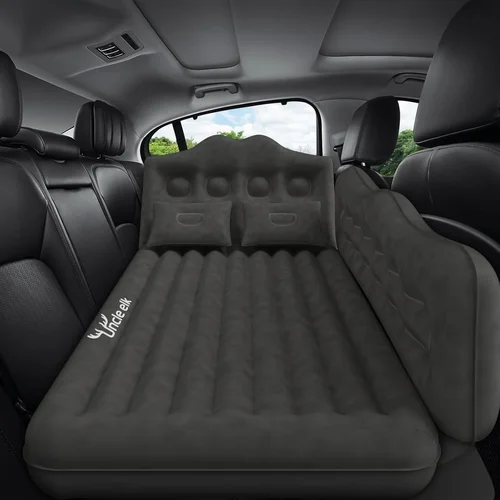
❌ Mistake: Ignoring Vehicle-Specific Fit
Why it’s bad: Buying a “universal” mattress without verifying dimensions often leads to poor fit, wasted money, and frustration. A mattress that doesn’t align with your seat contours can cause discomfort, air leaks, or even safety hazards if it blocks seat belts.
What to do instead: Always measure your back seat (width, length, and any obstructions like armrests or consoles) and cross-reference with the product specs. Use manufacturer fit guides or contact customer service before purchasing.
❌ Mistake: Prioritizing Price Over Quality
Why it’s bad: Ultra-cheap mattresses often use thin PVC that punctures easily, have weak seams, and come with unreliable pumps. You may end up replacing them within months, costing more in the long run.
What to do instead: Set a realistic budget based on usage frequency. For occasional use, a $50–$70 mid-range model offers great value. For regular use, invest $100+ in a durable, well-reviewed product.
❌ Mistake: Overlooking Pump Type and Power Source
Why it’s bad: A mattress with a weak or missing pump can turn a 2-minute setup into a 15-minute ordeal. Relying solely on manual pumping is exhausting and impractical on the road.
What to do instead: Choose a model with a built-in 12V electric pump for speed and convenience. Ensure your SUV has an accessible power outlet, or carry a portable power bank for USB-powered models.
❌ Mistake: Neglecting Safety Features
Why it’s bad: Using a mattress that obstructs airbags, seat belts, or door operation can compromise passenger safety in an accident. Flammable materials or uncertified electronics pose fire risks.
What to do instead: Select a mattress designed with safety in mind—look for cutouts for seat belt anchors, non-flammable materials, and certifications like UL or CPSIA. Never block airbag deployment zones.
❌ Mistake: Skipping User Reviews and Real-World Testing
Why it’s bad: Product descriptions can be misleading. A mattress advertised as “luxury” might feel like a pool float in reality. Without real user feedback, you risk disappointment.
What to do instead: Read verified purchase reviews on trusted platforms like Amazon, REI, or Walmart. Pay attention to comments about durability, pump performance, and actual fit in specific SUV models.
❌ Mistake: Assuming All Air Mattresses Are Created Equal
Why it’s bad: Treating an SUV air mattress like a standard bed mattress leads to unrealistic expectations. They serve different purposes and have unique design constraints.
What to do instead: Understand that SUV mattresses prioritize portability, quick setup, and vehicle compatibility over plush comfort. Focus on features that matter for automotive use—like compact storage and secure fit—rather than home-bed standards.
❌ Mistake: Not Checking Return and Warranty Policies
Why it’s bad: If your mattress arrives defective or doesn’t fit, a restrictive return policy can leave you stuck with a useless product. Some sellers charge restocking fees or refuse returns after minimal use.
What to do instead: Buy from retailers with generous return windows (30+ days) and free return shipping. Verify warranty coverage before purchase and keep all receipts and packaging.
Budget Guidelines: How Much Should You Spend?
– Entry-Level ($20 – $50): Ideal for occasional use, such as kids’ sleepovers or short weekend trips. Expect basic PVC construction, single-chamber design, and manual or low-power pumps. These mattresses are lightweight and easy to store but may lack durability and comfort for adults. Best for buyers who prioritize affordability and minimal usage.
– Mid-Range ($60 – $120): The sweet spot for most buyers. These mattresses typically feature dual air chambers, reinforced materials, built-in electric pumps, and better seam welding. They offer a balance of comfort, durability, and price, making them perfect for families, frequent travelers, and weekend campers. Look for flocked tops, anti-slip bases, and compatibility with popular SUV models.
– Premium ($130 – $200): Designed for serious adventurers and those who value long-term comfort. Expect high-density TPU/PVC blends, multi-zone support, quiet pumps, and vehicle-specific designs. Many include extras like storage bags, repair kits, and enhanced safety features. These are built to last years with regular use.
– Luxury ($200+): Top-tier options with advanced features such as heated surfaces, climate control, modular configurations, or integration with smart vehicle systems. Often used by full-time travelers, overlanders, or luxury SUV owners who demand hotel-like comfort on the road. These represent the pinnacle of innovation but come at a premium price.
Expert Tips for Getting the Best Deal
– Shop During Off-Season Sales: Air mattresses see peak demand in spring and summer. Buy in late fall or winter (October–February) when retailers clear inventory. Black Friday, Cyber Monday, and post-holiday sales often feature deep discounts on camping and travel gear.
– Compare Prices Across Retailers: Use price-tracking tools like Honey, CamelCamelCamel (for Amazon), or Google Shopping to monitor fluctuations. Sometimes smaller outdoor retailers (like Moosejaw or Backcountry) offer exclusive bundles or loyalty discounts.
– Look for Bundled Deals: Some brands sell mattress + pump + storage bag + repair kit as a package, saving you 15–25% versus buying separately. Check manufacturer websites for seasonal promotions.
– Read the Fine Print on “Free Shipping”: Some sellers offer free shipping but inflate the product price. Calculate total cost including taxes and potential return fees before committing.
– Test Before Long Trips: Inflate the mattress at home before your first big adventure. Check for leaks, pump reliability, and comfort. This ensures you’re not stuck with a defective product miles from help.
– Join Loyalty Programs: Retailers like REI, Bass Pro Shops, or Cabela’s offer member discounts, early access to sales, and reward points. Even Amazon Prime can save you on shipping and returns.
– Consider Refurbished or Open-Box Items: Certified refurbished mattresses from reputable sellers often come with full warranties at 20–40% off retail. These are rigorously tested and ideal for budget-conscious buyers.
– Check for Manufacturer Rebates: Some brands offer mail-in rebates or instant discounts during product launches. Sign up for newsletters to stay informed.

Frequently Asked Questions
Q: Will an air mattress fit in my specific SUV model?
A: It depends on the mattress design and your vehicle’s interior dimensions. Always check the product’s compatibility list or measure your back seat (including headrest clearance and console obstructions). Many brands provide fit guides for popular models like the Toyota RAV4, Ford Expedition, or Nissan Pathfinder.
Q: Can I use an SUV air mattress with the engine off?
A: Yes, but only if you have an alternative power source. Built-in pumps require 12V power, so you’ll need to run the engine briefly or use a portable power station. Never sleep in a closed vehicle with the engine running due to carbon monoxide risk.
Q: How do I prevent the mattress from sliding around?
A: Look for models with non-slip bottoms or included straps that anchor to seat bolts or headrest posts. Placing a rubberized mat or towel underneath can also improve grip.
Q: Are air mattresses safe for children?
A: Yes, provided they meet safety standards (CPSIA-compliant, non-toxic materials) and don’t obstruct seat belts or airbags. Always supervise young children and ensure the mattress is securely positioned.
Q: How long do SUV air mattresses typically last?
A: With proper care, a quality mattress can last 3–5 years or more. Avoid sharp objects, overinflation, and extreme temperatures. Store in a cool, dry place when not in use.
Q: Can I patch a leak if it develops?
A: Most PVC and TPU mattresses can be repaired with patch kits (often included). Clean the area, apply adhesive, and let it cure fully before reinflating. For large tears, contact the manufacturer for warranty support.
Q: Do I need to deflate the mattress completely after each use?
A: Yes—storing it partially inflated can weaken seams and valves over time. Deflate fully, fold neatly, and store in the provided bag to maintain shape and longevity.
Q: Are there eco-friendly options available?
A: Yes. Some brands now offer mattresses made from recycled materials, phthalate-free PVC, or biodegradable TPU. Look for certifications like OEKO-TEX or GREENGUARD.
Q: Can I use the mattress outside the vehicle?
A: Many SUV air mattresses are dual-purpose and work well on the ground, in tents, or as guest beds. Check the product description—some are designed exclusively for automotive use.
Q: What’s the difference between single and dual-chamber mattresses?
A: Single-chamber mattresses inflate as one unit, offering uniform firmness. Dual-chamber designs allow independent adjustment on each side, ideal for couples with different preferences or for creating a firmer center support.
Our Final Recommendations
– Best for Budget-Conscious Buyers: SoundAsleep Dream Series SUV Mattress – At around $70, it offers dual chambers, a quiet built-in pump, and excellent user ratings for fit and comfort in mid-size SUVs. Great value for occasional use.
– Best Overall Value: AeroBed Raised SUV Air Mattress – Priced around $110, it features reinforced construction, rapid inflation, and a flocked sleep surface. Consistently praised for durability and ease of use.
– Best Premium Option: Therm-a-Rest SUV Luxury Air Mattress – At $180, it includes TPU material, climate-regulating fabric, and a whisper-quiet pump. Perfect for long trips and cold weather.
– Best for Beginners: Camping Comfort EasyInflate SUV Mattress – Simple setup, clear instructions, and a helpful fit guide make this ideal for first-time buyers. Includes a carrying bag and repair kit.
– Best for Advanced Users: Exped MegaMat SUV Edition – A high-end, modular system with self-inflating technology and exceptional cushioning. Designed for overlanders and full-time travelers who refuse to compromise on comfort.
Conclusion: Making the Right Choice
Choosing the right SUV air mattress isn’t just about finding the cheapest or flashiest option—it’s about matching your specific needs, vehicle, and lifestyle to a product that delivers reliable comfort, safety, and durability. Throughout this guide, we’ve covered the essential factors: from precise sizing and pump quality to material strength and safety certifications. We’ve compared different types, highlighted common pitfalls, and provided actionable tips to help you navigate the market with confidence.
Remember, the best mattress for you is the one that fits your SUV perfectly, supports your body comfortably, and stands up to your travel habits—whether that’s a quick overnight stop or a months-long cross-country journey. Don’t rush the decision. Take time to measure your space, read real user reviews, and consider how often you’ll use the mattress. A little research now can save you from buyer’s remorse later.
Ultimately, investing in a quality SUV air mattress transforms your vehicle from a mere mode of transport into a mobile sanctuary—a place where rest comes easily, no matter how far you roam. So gear up wisely, prioritize your comfort, and hit the road knowing you’ve made a smart, informed choice. Your next adventure deserves nothing less.