
Replacing your SUV’s air filter might seem like a small, routine maintenance task—but it’s one of the most impactful things you can do to keep your vehicle running efficiently, reliably, and safely. A clean air filter ensures your engine breathes properly, which directly affects fuel economy, horsepower, emissions, and long-term engine health. Yet, despite its importance, many SUV owners either ignore air filter changes or make poor purchasing decisions that compromise performance or durability. Whether you drive a rugged off-roader like a Toyota 4Runner, a family hauler like a Honda Pilot, or a luxury SUV like a BMW X5, choosing the right air filter matters.
This comprehensive 2026 buying guide is designed to cut through the confusion and help you make an informed decision. You’ll learn how to evaluate air filters based on real-world performance, understand the differences between OEM, aftermarket, and high-performance options, avoid common pitfalls, and find the best value for your specific needs and budget. We’ll cover everything from filtration efficiency and material quality to compatibility, installation ease, and long-term cost savings. By the end of this guide, you won’t just know what to buy—you’ll know why it matters and how to get the most out of your investment.
The market for SUV air filters has evolved significantly in recent years. With rising fuel costs, stricter emissions standards, and increasing consumer demand for eco-friendly and high-performance parts, manufacturers now offer a wider range of options than ever before. From basic paper filters to reusable cotton gauze and synthetic performance filters, there’s something for every driver and driving style. However, this abundance of choice can be overwhelming. Some filters promise “50% more airflow” but deliver poor filtration. Others claim to last 100,000 miles but degrade quickly under real-world conditions. This guide will help you navigate those claims, compare products objectively, and choose a filter that aligns with your SUV’s requirements and your personal priorities.
What to Look for When Buying Buying Guide
1. Filtration Efficiency
Filtration efficiency refers to how effectively an air filter captures dust, dirt, pollen, and other contaminants before they enter your engine. This is arguably the most critical factor because a filter that lets too many particles through can cause premature engine wear, reduce performance, and increase oil contamination. Most modern air filters are rated using the MERV (Minimum Efficiency Reporting Value) scale or similar industry standards. For SUVs, look for filters with a MERV rating between 7 and 11—this range offers excellent protection without overly restricting airflow.
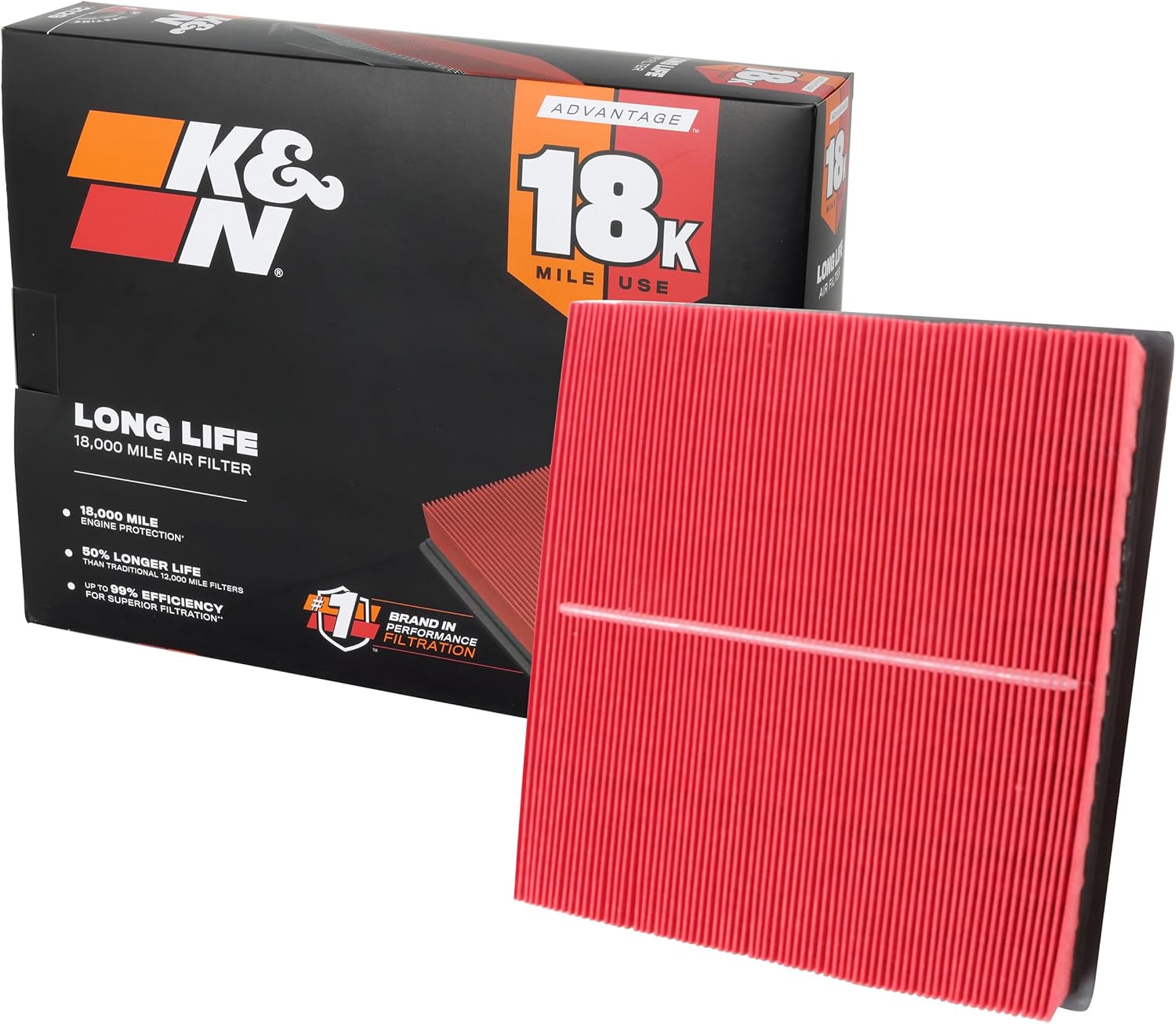
High-efficiency filters use multi-layered media, such as pleated cellulose, synthetic fibers, or nanofiber coatings, to trap microscopic particles. For example, K&N’s high-flow filters use oiled cotton gauze that captures 99% of airborne contaminants while allowing increased airflow. However, not all high-efficiency filters are created equal. Some aftermarket brands may exaggerate their filtration claims. Always check independent test results or look for certifications from organizations like ISO or SAE. If you frequently drive in dusty environments—like rural roads, construction zones, or desert areas—prioritize filters with superior dirt-holding capacity and fine-particle capture.
2. Airflow & Engine Performance
While filtration is essential, airflow is equally important. Your engine needs a steady supply of clean air to maintain optimal combustion. A clogged or overly restrictive filter can reduce horsepower, throttle response, and fuel efficiency. This is why some drivers opt for “performance” air filters that prioritize airflow. However, there’s a trade-off: filters that allow maximum airflow often sacrifice some filtration efficiency.
The key is balance. Look for filters that offer improved airflow over stock without compromising protection. For instance, a high-quality aftermarket filter like the AEM DryFlow or Spectre Performance filter can increase airflow by 10–15% compared to a standard paper filter, resulting in smoother acceleration and better fuel economy—especially in turbocharged or high-displacement SUV engines. That said, don’t fall for marketing hype. Claims like “unleash 30 HP” are usually exaggerated. Real-world gains are typically modest—1–3 HP in most cases—but the improvement in drivability and responsiveness is often noticeable.
3. Build Quality & Durability
The materials and construction of an air filter determine how long it lasts and how well it performs under stress. Cheap filters often use thin, poorly pleated paper that collapses under suction or tears during installation. They may also have flimsy rubber seals that degrade over time, allowing unfiltered air to bypass the media.
High-quality filters use reinforced frames, precision-molded gaskets, and durable media that maintain shape and integrity. For example, OEM filters from manufacturers like Toyota, Ford, or BMW are engineered to exact specifications and undergo rigorous testing. Aftermarket brands like Mann-Filter, Bosch, and Fram also offer premium construction with robust materials. If you’re considering a reusable filter (like those from K&N or Green Filters), ensure the frame is made from corrosion-resistant aluminum or high-grade plastic and that the sealing surfaces are tight and even.
Durability also depends on your driving conditions. If you drive frequently in stop-and-go traffic, dusty areas, or extreme temperatures, choose a filter designed for harsh environments. Some filters come with anti-microbial treatments or water-resistant coatings to prevent mold and degradation.
4. Compatibility & Fitment
Even the best air filter is useless if it doesn’t fit your SUV properly. A loose or ill-fitting filter can allow unfiltered air to enter the engine, defeating the entire purpose of the filter. Conversely, a filter that’s too tight can warp the housing or damage the sealing surfaces.
Always verify compatibility before purchasing. Use your SUV’s year, make, model, and engine size to cross-reference fitment. Most reputable brands provide detailed fitment guides on their websites. For example, if you drive a 2022 Ford Explorer with a 2.3L EcoBoost engine, you’ll need a specific filter size and shape that matches the OEM housing. Some filters are universal, but these often require adapters or modifications and are not recommended for most SUV owners.
When in doubt, consult your owner’s manual or contact the manufacturer. OEM filters are guaranteed to fit, but high-quality aftermarket options from trusted brands should also offer precise fitment. Avoid generic or “fits most” filters unless you’ve confirmed compatibility.
5. Maintenance Requirements
Air filters fall into two main categories: disposable and reusable. Disposable filters (typically made of paper or cellulose) are designed to be replaced every 12,000 to 15,000 miles, depending on driving conditions. They’re affordable, easy to install, and require no maintenance beyond replacement.
Reusable filters, often made of cotton gauze or synthetic materials, can be cleaned and re-oiled (if required) and last for 50,000 to 100,000 miles. While they have a higher upfront cost, they can save money over time and reduce waste. However, they require regular maintenance. For example, K&N filters must be cleaned every 50,000 miles using a specialized cleaning kit. If you’re not comfortable performing this maintenance, a reusable filter may not be the best choice.
Consider your lifestyle and willingness to maintain the filter. If you prefer a “set it and forget it” approach, a high-quality disposable filter is ideal. If you’re mechanically inclined and want long-term savings, a reusable filter could be worth the effort.
6. Brand Reputation & Reliability
Not all air filter brands are created equal. Some have decades of engineering experience and a proven track record, while others are low-cost imitations with questionable quality. Stick to reputable brands known for consistency, innovation, and customer support.
Top-tier brands include:
– Mann-Filter: German engineering, OEM supplier for many European vehicles.
– Bosch: Known for precision and durability, widely used in domestic and import SUVs.
– K&N: Leader in high-performance reusable filters, popular among enthusiasts.
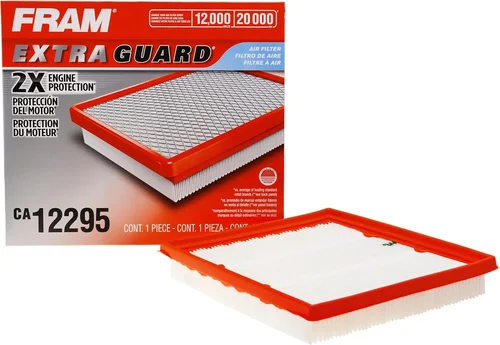
– Fram: Affordable and reliable, a trusted name in filtration for over 90 years.
– AEM: Offers dry-flow filters that don’t require oiling, ideal for dusty environments.
Avoid unknown brands sold on third-party marketplaces with no reviews or certifications. These filters may look similar to name brands but often use inferior materials and fail prematurely.
7. Warranty & Support
A good warranty is a sign of confidence in a product’s quality. Most reputable air filter manufacturers offer a limited warranty covering defects in materials and workmanship. For example, K&N offers a 10-year/1,000,000-mile warranty on their filters, which is one of the best in the industry.
Check the warranty terms before buying. Some warranties require proof of purchase, regular maintenance (for reusable filters), or installation by a certified technician. Also, consider customer support. Can you easily contact the manufacturer if you have questions? Do they offer fitment assistance or troubleshooting guides?
A strong warranty and responsive support can save you time and money if something goes wrong. It also indicates that the company stands behind its products.
8. Environmental Impact
With growing awareness of sustainability, many SUV owners are considering the environmental impact of their maintenance choices. Disposable filters contribute to landfill waste, with millions discarded each year. Reusable filters, while more expensive upfront, reduce waste and can be a greener option over time.
Some brands are also adopting eco-friendly practices. For example, AEM’s DryFlow filters use synthetic media that doesn’t require oil, reducing chemical use and mess. Others use recyclable packaging or partner with environmental initiatives.
If sustainability is a priority, look for filters made from recyclable materials, those with long service lives, and brands committed to reducing their carbon footprint. Even small choices—like choosing a filter that lasts longer—can make a difference.
Different Types of Buying Guide
Common Buying Mistakes to Avoid
❌ Mistake: Choosing the Cheapest Filter Available
Why it’s bad: The lowest-priced filters often use thin, low-quality media that clogs quickly or allows contaminants to pass through. This can lead to reduced engine life, poor fuel economy, and increased emissions. In extreme cases, a failed filter can cause engine damage.
What to do instead: Invest in a mid-range filter from a reputable brand. The extra $10–$20 can save you hundreds in repairs and improve performance.
❌ Mistake: Ignoring Replacement Intervals
Why it’s bad: Many SUV owners forget to replace their air filter or wait too long. A clogged filter restricts airflow, reduces power, and increases fuel consumption. In turbocharged engines, it can even cause turbo lag or overheating.
What to do instead: Check your filter every 12,000 miles or once a year—whichever comes first. If you drive in dusty or polluted areas, inspect it more frequently.
❌ Mistake: Buying a “Universal Fit” Filter Without Verification
Why it’s bad: Universal filters may not seal properly, allowing unfiltered air to enter the engine. This defeats the purpose of the filter and can cause long-term damage.
What to do instead: Always confirm fitment using your VIN or owner’s manual. When in doubt, choose an OEM or direct-fit aftermarket filter.
❌ Mistake: Over-Oiling Reusable Filters
Why it’s bad: Applying too much oil to a reusable filter can clog the media, restrict airflow, and even damage mass airflow (MAF) sensors. This is a common issue with K&N-style filters.
What to do instead: Follow the manufacturer’s instructions precisely. Use only the recommended amount of oil and allow it to dry before reinstalling.
❌ Mistake: Assuming All “Performance” Filters Are Better
Why it’s bad: Some performance filters prioritize airflow over filtration, which can expose your engine to harmful particles. This is especially risky in dirty or off-road environments.
What to do instead: Choose a performance filter with proven filtration efficiency. Look for independent test data or certifications.
❌ Mistake: Neglecting to Clean the Air Box
Why it’s bad: When replacing the filter, dirt and debris in the air box can contaminate the new filter immediately. This shortens its lifespan and reduces effectiveness.
What to do instead: Always clean the air box with a vacuum or compressed air before installing a new filter.
❌ Mistake: Buying Based on Marketing Claims Alone
Why it’s bad: Phrases like “50% more power” or “lasts forever” are often exaggerated. Without real-world testing, these claims are meaningless.
What to do instead: Rely on expert reviews, user feedback, and technical specifications. Look for filters with proven track records.
Budget Guidelines: How Much Should You Spend?
– Entry-Level ($10 – $25): Ideal for budget-conscious drivers who prioritize affordability. These filters are typically disposable paper types from brands like Fram or Purolator. While they offer basic protection, they may not last as long or perform as well as higher-tier options. Best for city driving with moderate mileage.
– Mid-Range ($25 – $50): The sweet spot for most SUV owners. Filters in this range—such as those from Bosch, Mann-Filter, or AEM—offer excellent balance between cost, performance, and durability. They often feature improved media, better fitment, and longer service life. Recommended for daily drivers and families.
– Premium ($50 – $80): Designed for enthusiasts, off-roaders, and performance-oriented drivers. These include high-flow reusable filters (K&N, Green Filters) and advanced synthetic options. They deliver noticeable improvements in airflow and longevity but require maintenance. Best for those who want maximum performance and are willing to invest time and money.
– Luxury ($80+): Top-tier filters with cutting-edge technology, such as nanofiber media or custom-engineered designs. Often used in high-end SUVs like Range Rover or Mercedes-Benz. These filters offer the best filtration and airflow but come at a premium. Justified for luxury vehicles or extreme driving conditions.
Expert Tips for Getting the Best Deal
– Buy During Seasonal Sales: Many auto parts retailers offer discounts in spring and fall—peak times for maintenance. Look for promotions at AutoZone, Advance Auto Parts, or online at RockAuto and Amazon.
– Compare Online vs. In-Store: Online retailers often have lower prices and wider selections. However, in-store purchases allow you to inspect the filter and get immediate help with fitment.
– Check for Rebates and Loyalty Programs: Some brands offer mail-in rebates or points through loyalty programs. For example, O’Reilly Auto Parts has a rewards program that gives you credit for future purchases.
– Read Verified Customer Reviews: Look for reviews from SUV owners with similar vehicles. Pay attention to comments about fit, performance, and longevity.
– Buy in Bulk (If Applicable): If you maintain multiple vehicles or plan to keep your SUV for many years, consider buying a multi-pack of disposable filters at a discount.
– Inspect Before Installing: Even new filters can be damaged in shipping. Check for tears, warping, or missing gaskets before installation.
– Keep Records: Note the date and mileage of each filter change. This helps you track performance and maintain your vehicle’s resale value.
– Consider Bundling: Some retailers offer discounts when you buy air filters with oil filters, cabin air filters, or other maintenance items.

Frequently Asked Questions
Q: How often should I replace my SUV’s air filter?
A: Most manufacturers recommend replacing the air filter every 12,000 to 15,000 miles. However, if you frequently drive in dusty, polluted, or off-road conditions, inspect it every 6,000 miles and replace it as needed. A visual inspection is the best way to determine if it’s time for a change.
Q: Can a dirty air filter cause my check engine light to come on?
A: Yes, indirectly. A severely clogged air filter can cause the engine to run rich (too much fuel, not enough air), triggering the MAF sensor or oxygen sensor to detect a problem. This may illuminate the check engine light and set a diagnostic trouble code (DTC).
Q: Are reusable air filters worth the extra cost?
A: For most drivers, yes—if you’re willing to maintain them. Reusable filters last longer and can save money over time. However, they require regular cleaning and (if oiled) re-oiling. If you prefer low maintenance, a high-quality disposable filter is a better choice.
Q: Will a high-performance air filter void my warranty?
A: Generally, no—unless the filter causes damage to the engine. The Magnuson-Moss Warranty Act protects consumers from warranty voidance due to aftermarket parts, as long as the part doesn’t cause the failure. Stick to reputable brands and proper installation.
Q: Can I clean a disposable air filter?
A: No. Disposable paper filters are not designed to be cleaned. Attempting to blow them out with compressed air can damage the media and reduce effectiveness. Always replace them with a new filter.
Q: Do air filters affect fuel economy?
A: Yes. A clean air filter ensures optimal air-fuel mixture, which improves combustion efficiency. A clogged filter can reduce fuel economy by up to 10%, especially in older or less efficient engines.
Q: What’s the difference between a cabin air filter and an engine air filter?
A: The engine air filter cleans air entering the engine for combustion. The cabin air filter cleans air entering the HVAC system for passenger comfort. They serve different purposes and are located in different parts of the vehicle.
Q: Can I install an air filter myself?
A: Absolutely. Most SUVs have easily accessible air filter housings under the hood. The process typically takes 5–10 minutes and requires no special tools. Refer to your owner’s manual for location and instructions.
Q: Are there air filters that help with allergies?
A: Yes—cabin air filters with activated carbon or HEPA-like filtration can reduce pollen, dust, and odors inside the cabin. For engine air filters, nanofiber or high-efficiency options offer better particle capture, though they primarily protect the engine, not passengers.
Our Final Recommendations
– Best for Budget-Conscious Buyers: Fram Extra Guard CA10754 – Reliable, affordable, and widely available. Offers solid protection for everyday driving at a great price.
– Best Overall Value: Bosch High Performance Air Filter – Excellent balance of filtration, airflow, and durability. Fits a wide range of SUVs and outperforms many OEM filters.
– Best Premium Option: K&N High-Flow Air Filter (e.g., 33-2307) – Ideal for performance enthusiasts. Reusable, increases airflow, and comes with a 10-year warranty. Requires regular maintenance.
– Best for Beginners: Mann-Filter C 27 004 – Easy to install, precise fit, and trusted by European automakers. Great for first-time DIYers.
– Best for Advanced Users: AEM DryFlow Air Filter – No oiling required, excellent for dusty environments, and offers high airflow with superior filtration. Perfect for off-roaders and tech-savvy drivers.
Conclusion: Making the Right Choice
Choosing the right air filter for your SUV isn’t just about swapping out a part—it’s about protecting your engine, improving performance, and ensuring long-term reliability. With so many options available in 2026, the key is to focus on what matters most: filtration efficiency, airflow, build quality, and compatibility. Avoid the temptation to cut corners with cheap filters or fall for exaggerated performance claims. Instead, invest in a product that aligns with your driving habits, budget, and vehicle needs.
Remember, a clean air filter is one of the simplest and most effective ways to keep your SUV running smoothly. Whether you’re commuting to work, hauling the family on vacation, or exploring off the beaten path, the right filter makes a difference. Use the insights from this guide to make a confident, informed decision. Check your filter regularly, replace it on schedule, and enjoy the benefits of a healthier, more efficient engine.
Don’t wait until your SUV starts to struggle—take action today. Your engine will thank you.