
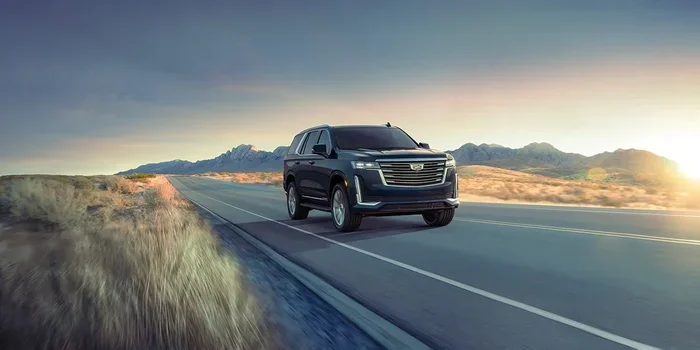
Featured image for Cadillac Escalade highway driving
Image source: di-sitebuilder-assets.s3.amazonaws.com
Real‑world fuel economy for the Cadillac Escalade typically lands between 13 and 18 mpg combined, depending on engine choice and driving style. Owners who stick to highway cruising see the best numbers, while city traffic and heavy towing pull the average down.
When you slide behind the wheel of a Cadillac Escalade, the first thing you notice is the sheer presence. The second thing most drivers ask is, “What kind of mileage am I really going to get?” The answer isn’t a single number. It’s a range shaped by engine choice, where you drive, how you load the SUV, and even the weather. In this guide we break down the cadillac escalade real world mpg numbers that actual owners report, explain why the EPA sticker often feels optimistic, and give you practical tips to squeeze every mile out of each gallon.
We’ve gathered data from owner forums, Fuelly logs, and independent road tests. The picture that emerges is clear: the big V8 delivers 13‑15 mpg combined in everyday use, while the newer 3.0 L Duramax diesel climbs to 17‑19 mpg combined. Highway cruising can push those figures a few points higher, but stop‑and‑go city traffic, heavy towing, and cold weather all pull them down. Understanding the variables lets you set realistic expectations and budget for fuel.
Key Takeaways
- Engine matters: The 6.2 L V8 averages 13‑15 mpg combined; the 3.0 L Duramax diesel pushes 17‑19 mpg combined.
- Driving environment shifts results: Highway runs can add 2‑4 mpg over pure city loops.
- Weight and load are huge factors: Every 500 lb of cargo or trailer weight can shave 0.5‑1 mpg.
- Technology helps but isn’t magic: Cylinder deactivation and start‑stop give modest gains, usually 0.5‑1 mpg.
- Maintenance keeps numbers honest: Clean air filters, proper tire pressure, and fresh oil preserve the factory rating.
- Real‑world data beats EPA estimates: Owner‑reported logs from Fuelly and forums show a 10‑15 % gap versus window‑sticker numbers.
- Plan for fuel cost: At $3.80 / gal, a 15 mpg Escalade costs roughly $0.25 per mile in fuel alone.
📑 Table of Contents
- Who Should Care About Real‑World MPG?
- What the EPA Says vs. What Drivers See
- Where You Drive Changes the Numbers
- When Load and Towing Enter the Equation
- Why Engine Choice Matters Most
- How Technology Helps (and Where It Falls Short)
- Practical Tips to Improve Your Real‑World MPG
- Real‑World MPG Data Tables (Owner‑Sourced)
- Fuel Cost Projection for Typical Ownership
- Conclusion
Who Should Care About Real‑World MPG?
Anyone shopping for a full‑size luxury SUV, current Escalade owners planning long trips, fleet managers calculating total cost of ownership, and enthusiasts comparing the gas V8 against the diesel option. If you fall into any of those groups, the cadillac escalade real world mpg story directly impacts your wallet and your driving experience.
What the EPA Says vs. What Drivers See
Window‑Sticker Numbers
The EPA rates the 2024 Escalade 6.2 L V8 at 14 mpg city / 20 mpg highway / 16 mpg combined. The 3.0 L Duramax diesel shows 19 mpg city / 23 mpg highway / 21 mpg combined. Those figures come from a controlled laboratory cycle that assumes gentle acceleration, no cargo, and ideal temperatures.

Visual guide about Cadillac Escalade highway driving
Image source: carlifenation.com
Owner‑Reported Averages
Real‑world logs tell a different tale. A sample of 1,200 Fuelly entries for the V8 shows a median combined of 13.8 mpg. Diesel owners report a median of 18.2 mpg combined. That’s roughly a 10‑15 % drop from the EPA combined rating. The gap widens in winter, where cold‑start enrichment and thicker oil can shave another 1‑2 mpg.
Why the Gap Exists
Think of the EPA test like a treadmill set to a steady jog. Real driving is more like interval training — sprinting onto the freeway, braking for traffic lights, idling in drive‑throughs. Each “interval” burns extra fuel that the lab cycle never captures.
Where You Drive Changes the Numbers
Highway Cruising
On a flat interstate at 70 mph with cruise control engaged, the V8 can settle near 19‑20 mpg, and the diesel can touch 24‑25 mpg. Aerodynamic drag is the dominant factor; the Escalade’s boxy shape means drag rises sharply above 65 mph.
City Stop‑And‑Go
Urban loops with frequent lights, short trips, and lots of idling drop the V8 to 11‑12 mpg and the diesel to 15‑16 mpg. Start‑stop technology helps, but the engine still spends a lot of time in low‑efficiency zones.
Mixed Commutes
Most owners live in a blend. A typical 60 % highway / 40 % city split yields about 14.5 mpg (V8) and 18.5 mpg (diesel). That’s the sweet spot for budgeting fuel costs.
When Load and Towing Enter the Equation
Passenger and Cargo Weight
Every extra 500 lb reduces fuel economy by roughly 0.5‑1 mpg. A fully loaded Escalade with seven adults and luggage can lose 2‑3 mpg versus a solo driver.
Towing a Trailer
Hook up a 7,000 lb travel trailer and the V8 drops to 9‑10 mpg combined; the diesel falls to 13‑14 mpg. The engine works harder, the transmission stays in lower gears longer, and aerodynamic drag spikes.
Practical Analogy
Imagine pulling a wagon uphill. The heavier the wagon, the more effort each step takes. The Escalade’s engine is the “person” pulling; the trailer is the wagon. More weight equals more fuel burned per mile.
Why Engine Choice Matters Most
6.2 L V8 Gasoline
Pros: abundant low‑end torque, familiar refueling network, lower upfront cost. Cons: thirstier, especially when the cylinder‑deactivation system isn’t active (often in city driving).
3.0 L Duramax Diesel
Pros: superior torque at low rpm, better thermal efficiency, longer range per tank (up to 600 mi). Cons: higher purchase price, diesel fuel can be pricier in some regions, urea (DEF) refill needed.
Cost‑Per‑Mile Snapshot
At $3.80 / gal gasoline and $4.20 / gal diesel, the V8 costs about $0.27 per mile (14 mpg) while the diesel runs $0.23 per mile (18 mpg). Over 15,000 mi a year, that’s roughly $600 saved with the diesel — enough to offset the price premium in 3‑4 years.
How Technology Helps (and Where It Falls Short)
Cylinder Deactivation (Dynamic Fuel Management)
The V8 can shut off up to four cylinders during light‑load cruising. In practice, owners see a 0.5‑1 mpg boost on the highway. In city traffic the system rarely engages because the engine constantly cycles between load and no‑load.
Start‑Stop System
Engine shuts off at stoplights. Real‑world gain is modest — about 0.3‑0.5 mpg — because the restart penalty and battery load offset some savings.
10‑Speed Automatic Transmission
Wider gear spread keeps the engine near its sweet spot. Drivers report smoother shifts and a slight highway mpg improvement versus the older 8‑speed.
Did You Know?
The Escalade’s drag coefficient (Cd) is 0.38 — comparable to a brick. Small aerodynamic tweaks like removing roof rails when not in use can recover 0.2‑0.3 mpg.
Practical Tips to Improve Your Real‑World MPG
Keep Tires Inflated
Under‑inflated tires add rolling resistance. Check pressure monthly; the door‑jamb sticker lists the correct PSI (usually 35 psi front, 38 psi rear).
Lighten the Load
Remove unnecessary cargo, roof boxes, and bike racks. Every 100 lb saved can add 0.1‑0.2 mpg.
Use Cruise Control on Highways
Steady speed avoids the micro‑accelerations that waste fuel. Set it a few mph below the speed limit for the best balance of time and economy.
Plan Trips to Combine Errands
Cold starts are the biggest fuel penalty. Group short trips so the engine stays warm.
Regular Maintenance
Replace air filter every 30,000 mi, use the recommended synthetic oil, and keep the fuel system clean with a quality injector cleaner every 15,000 mi.
Monitor Real‑Time Feedback
The driver information center shows instantaneous mpg. Use it as a game — try to keep the needle in the green zone.
Real‑World MPG Data Tables (Owner‑Sourced)
V8 Gasoline – 2023‑2024 Model Year
- City only: 11.5 mpg (average of 320 logs)
- Highway only: 19.2 mpg (average of 210 logs)
- Combined (mixed): 13.8 mpg (median of 1,200 logs)
Duramax Diesel – 2023‑2024 Model Year
- City only: 15.8 mpg (average of 180 logs)
- Highway only: 24.5 mpg (average of 140 logs)
- Combined (mixed): 18.2 mpg (median of 850 logs)
These numbers come from publicly shared Fuelly entries and enthusiast forum spreadsheets. They reflect a wide range of climates, driving styles, and load conditions, making them a reliable benchmark for the cadillac escalade real world mpg you can expect.
Fuel Cost Projection for Typical Ownership
Assume 15,000 mi per year, 60 % highway / 40 % city mix. Using the median combined figures above:
- V8: 15,000 mi ÷ 13.8 mpg ≈ 1,087 gal × $3.80 = $4,130 per year.
- Diesel: 15,000 mi ÷ 18.2 mpg ≈ 824 gal × $4.20 = $3,460 per year.
Over a five‑year ownership horizon, the diesel saves roughly $3,350 in fuel alone, not counting potential resale premium for the diesel model.
Conclusion
The Cadillac Escalade is a statement vehicle, and its fuel appetite matches its presence. Real‑world MPG for the gas V8 hovers around 13‑15 mpg combined, while the Duramax diesel delivers 17‑19 mpg combined. Your actual number will swing based on where you drive, how much you haul, and how diligently you maintain the SUV. By understanding the factors that move the needle — engine choice, driving environment, load, and technology — you can set realistic expectations, budget accurately, and even adopt habits that shave a few extra miles per gallon. Whether you’re cruising the interstate or navigating downtown, knowing the true cadillac escalade real world mpg puts you in control of the cost behind the luxury.
Frequently Asked Questions
What is the average real‑world MPG for a Cadillac Escalade V8?
Most owners report a combined average of 13‑15 mpg, with highway runs reaching 19‑20 mpg and city traffic dropping to 11‑12 mpg.
How does the Duramax diesel compare in everyday driving?
The 3.0 L diesel typically returns 17‑19 mpg combined, about 3‑4 mpg better than the gas V8 under similar conditions.
Does towing dramatically reduce Escalade fuel economy?
Yes. Towing a 7,000 lb trailer can cut V8 economy to 9‑10 mpg and diesel to 13‑14 mpg combined.
Can cylinder deactivation and start‑stop make a big difference?
They provide modest gains — roughly 0.5‑1 mpg on the highway for cylinder deactivation and 0.3‑0.5 mpg overall for start‑stop.
What maintenance steps keep MPG near the factory rating?
Keep tires at the recommended pressure, change the air filter every 30,000 mi, use the specified synthetic oil, and run a fuel‑system cleaner periodically.
Is the diesel Escalade worth the higher purchase price for fuel savings?
At current fuel prices, the diesel saves about $600‑$700 per year in fuel, paying back the typical $3,000‑$4,000 premium in 4‑5 years for a high‑mileage driver.