
Buying a used car? A warranty might save you from costly repairs—but not always. Whether it’s worth it depends on the car’s age, mileage, and your risk tolerance. This guide helps you weigh the real value of used car warranties.
Key Takeaways
- Warranties can offer peace of mind: They protect against unexpected repair costs, especially on higher-mileage vehicles.
- Not all warranties are created equal: Coverage varies widely—read the fine print to understand what’s included and excluded.
- Extended warranties cost money upfront: You’ll pay hundreds to thousands, so calculate if potential savings outweigh the cost.
- Certified pre-owned (CPO) cars often include better coverage: These come with manufacturer-backed warranties and rigorous inspections.
- Older or high-mileage cars benefit most: Newer used cars with low miles may not need extra protection.
- Shop around for third-party warranties: Compare providers like Endurance, CarShield, or local dealers for better terms.
- Consider your driving habits and budget: If you plan to keep the car long-term, a warranty might be a smart investment.
📑 Table of Contents
Introduction: The Used Car Dilemma
Buying a used car is a smart financial move for many drivers. You avoid the steep depreciation that hits new vehicles in their first few years, and you often get more car for your money. But with that savings comes a trade-off: uncertainty. Unlike new cars, used vehicles come with unknown maintenance histories, wear and tear, and the very real possibility of mechanical failure.
That’s where warranties come in. A used car warranty—also called an extended warranty or vehicle service contract—promises to cover certain repairs after the original factory warranty expires. For some buyers, this feels like a safety net. For others, it’s an unnecessary expense. So, are warranties worth it on used cars? The answer isn’t black and white. It depends on the car, the coverage, and your personal situation. Let’s break it down so you can make an informed decision.
What Is a Used Car Warranty?
A used car warranty is a contract that covers the cost of repairs for specific parts and systems in your vehicle. It’s not the same as the original manufacturer’s warranty, which typically lasts 3 years/36,000 miles or 5 years/60,000 miles. Once that expires, you’re on your own—unless you buy additional coverage.
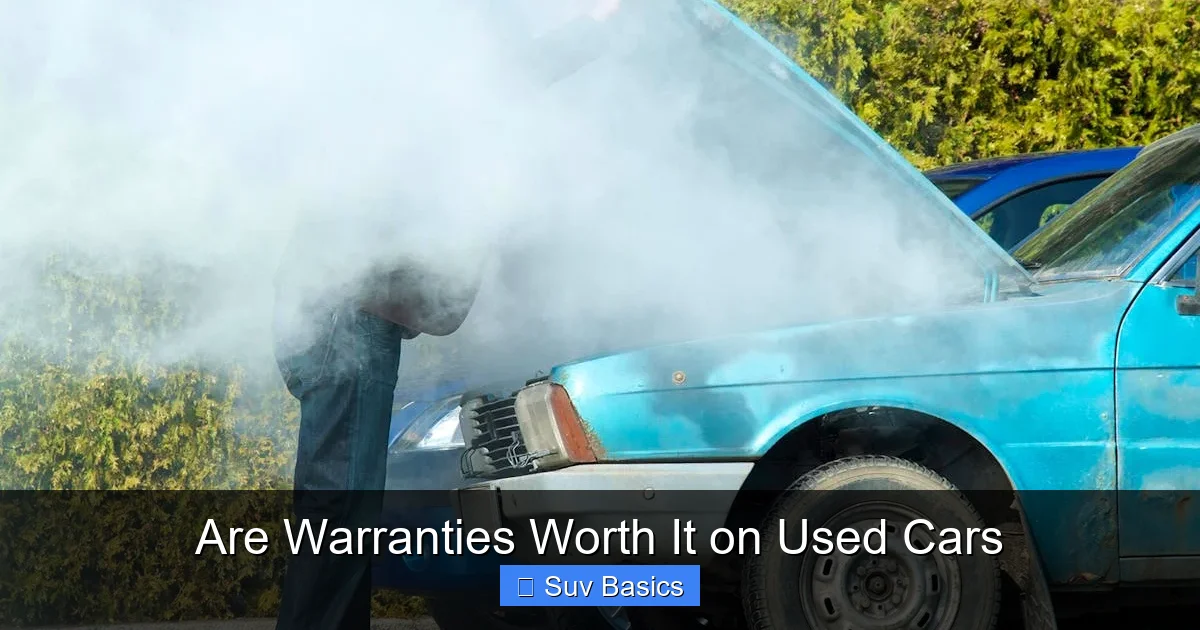
Visual guide about Are Warranties Worth It on Used Cars
Image source: datocms-assets.com
Types of Used Car Warranties
There are three main types of warranties you might encounter when buying a used car:
- Manufacturer Extended Warranty: Offered by the car’s original maker (like Toyota, Ford, or Honda), these are often sold through dealerships. They tend to be the most reliable and comprehensive.
- Certified Pre-Owned (CPO) Warranty: Included with CPO vehicles, these come with extended coverage and have passed a detailed inspection. They’re a great middle ground between new and used.
- Third-Party Extended Warranty: Sold by independent companies (such as Endurance or CarShield), these can vary widely in quality and coverage. Some are excellent; others are scams.
Each type has its pros and cons. Manufacturer warranties are usually the most trustworthy but can be pricey. Third-party options may be cheaper but require careful research. Always check the provider’s reputation with the Better Business Bureau (BBB) and read customer reviews.
When Are Warranties Worth It?
Not every used car needs a warranty. But in certain situations, the extra cost can be a lifesaver.
High-Mileage or Older Vehicles
If you’re buying a car with over 80,000 miles or one that’s more than 8 years old, a warranty becomes more valuable. These vehicles are more likely to need major repairs—like transmission failure, engine issues, or electrical problems. A single repair could cost $2,000 or more, which might exceed the price of the warranty itself.
For example, imagine you buy a 2015 Honda CR-V with 95,000 miles. A few months later, the transmission fails. Without a warranty, you’re looking at a $3,500 repair bill. But if you paid $1,800 for a powertrain warranty that covers the transmission, you’ve saved $1,700—and avoided financial stress.
Expensive or Luxury SUVs
SUVs like the BMW X5, Mercedes-Benz GLE, or Audi Q7 are known for high repair costs. Even minor issues can run into the thousands. If you’re buying a used luxury SUV, a warranty can protect you from sticker shock at the repair shop.
Say you buy a 2018 BMW X3 with 70,000 miles. A few months later, the air suspension system fails. Repair costs? Around $2,200. If you had a comprehensive warranty, that cost could be covered—making the upfront fee well worth it.
Long-Term Ownership Plans
If you plan to keep your used car for 5+ years, a warranty makes more sense. The longer you drive it, the higher the chance of mechanical issues. A warranty spreads out the risk and can save you money over time.
On the flip side, if you’re only keeping the car for 1–2 years before trading it in, a warranty might not pay off. You’ll pay for coverage you may never use.
When Are Warranties NOT Worth It?
Just as there are cases where warranties shine, there are times when they’re a waste of money.
Low-Mileage, Late-Model Used Cars
If you’re buying a 2021 Toyota RAV4 with only 20,000 miles, it likely still has factory warranty coverage. Adding an extended warranty on top may be redundant. These cars are still relatively new and less prone to major failures.
Also, many manufacturers offer transferable warranties. If the original owner bought an extended plan, it might still be active when you buy the car. Always check the vehicle’s warranty status using the VIN on the manufacturer’s website.
Reliable, Maintained Vehicles
Some brands and models are known for longevity and low repair rates. Think Honda CR-V, Subaru Outback, or Toyota Highlander. If the car has a clean maintenance record and no red flags, the risk of major repairs is lower.
For example, a well-maintained 2017 Subaru Forester with 60,000 miles and regular oil changes is less likely to break down than a neglected 2014 Ford Explorer with 110,000 miles. In the first case, a warranty might be overkill.
Short-Term Use or Quick Resale
If you’re buying a used SUV as a temporary fix—say, while saving for a new car—a warranty probably isn’t worth it. You’ll pay hundreds upfront for coverage you may never need. Instead, put that money toward your next purchase.
How to Evaluate a Used Car Warranty
Not all warranties are equal. Before signing anything, ask these key questions:
What’s Covered?
Look for a detailed list of covered components. Comprehensive (or “bumper-to-bumper”) plans cover most systems, while powertrain-only plans only protect the engine, transmission, and drivetrain. The more coverage, the better—but also the more expensive.
For SUVs, pay special attention to coverage for:
- All-wheel drive (AWD) systems
- Suspension and steering
- Electrical systems (common in modern SUVs)
- Air conditioning and heating
What’s Excluded?
Warranties often exclude wear-and-tear items like brakes, tires, and batteries. Some also exclude pre-existing conditions or damage from accidents. Read the exclusions carefully—they can be deal-breakers.
What’s the Deductible?
Most warranties have a per-visit or per-repair deductible, usually $50–$150. Lower deductibles mean higher premiums. Decide what you’re comfortable paying out of pocket.
Who Performs the Repairs?
Some warranties require you to use approved repair shops. Others let you choose any licensed mechanic. Flexibility is better, especially if you have a trusted local shop.
Is the Provider Reputable?
Research the warranty company. Check BBB ratings, Google reviews, and forums like Reddit. Avoid companies with a history of denying claims or poor customer service.
Tips for Getting the Best Deal
If you decide a warranty is right for you, follow these tips to get the best value:
Negotiate the Price
Dealerships often markup warranty prices by 50% or more. Don’t accept the first offer. Negotiate just like you would on the car’s price. You might save hundreds.
Compare Multiple Quotes
Get quotes from the dealer, the manufacturer, and at least two third-party providers. Prices and coverage can vary widely. For example, a 3-year/36,000-mile comprehensive plan might cost $2,200 at the dealer but only $1,600 from an independent provider.
Buy After You Buy the Car
You don’t have to buy the warranty at the same time as the car. Most plans allow you to purchase coverage within 30–90 days. This gives you time to research and compare options without pressure.
Consider a Shorter Plan
If you’re unsure, start with a 1- or 2-year warranty instead of a 5-year plan. You can always extend later if needed. This reduces your upfront risk.
Conclusion: Make a Smart, Informed Choice
So, are warranties worth it on used cars? The short answer: sometimes. For high-mileage SUVs, luxury models, or long-term owners, a good warranty can save you thousands and provide peace of mind. But for newer, reliable, low-mileage vehicles, it might be an unnecessary expense.
The key is to evaluate your specific situation. Look at the car’s age, mileage, brand reputation, and your own budget and driving plans. Don’t let a salesperson pressure you into a decision. Take your time, read the fine print, and compare options.
Remember: a warranty isn’t just about money—it’s about reducing stress. If the idea of a surprise $3,000 repair keeps you up at night, a warranty might be worth every penny. But if you’re comfortable handling occasional repairs, you might be better off saving that money for maintenance or your next car.
Ultimately, the best used car warranty is one that fits your needs, your vehicle, and your peace of mind.
Frequently Asked Questions
Do all used cars come with a warranty?
No, not all used cars come with a warranty. Only certified pre-owned (CPO) vehicles or those still under the original manufacturer’s warranty include coverage. Most private-sale or non-CPO used cars are sold “as-is,” meaning you assume all repair risks.
Can I buy a warranty after purchasing a used car?
Yes, in most cases. Many extended warranty providers allow you to purchase coverage within 30 to 90 days of buying the vehicle. This gives you time to research and compare plans without pressure.
Are third-party warranties reliable?
Some are, but quality varies. Stick with reputable companies that have high BBB ratings, positive customer reviews, and clear terms. Avoid providers that make it hard to file claims or have a history of denials.
What’s the difference between a warranty and a service contract?
The terms are often used interchangeably, but technically, a warranty is offered by the manufacturer, while a service contract is sold by a third party. Both serve the same purpose—covering repair costs—but the provider and terms differ.
Will a warranty cover regular maintenance?
No, most warranties do not cover routine maintenance like oil changes, tire rotations, or brake pads. They’re designed for unexpected mechanical failures, not wear-and-tear items.
Can I transfer a used car warranty to a new owner?
It depends on the provider. Many extended warranties are transferable, which can increase your car’s resale value. Check the contract terms before buying—some charge a fee for transfer.