
The Volkswagen Golf has earned a solid reputation for reliability over the decades, especially in recent models. While older versions had some mechanical quirks, newer Golfs benefit from improved engineering, better build quality, and strong safety ratings—making them a dependable choice for daily driving.
Key Takeaways
- High Reliability Ratings: Recent VW Golf models consistently score well in independent reliability surveys, such as those by J.D. Power and What Car?.
- Strong Safety Record: The Golf has earned top safety ratings from Euro NCAP, with advanced driver assistance features in newer trims.
- Fuel Efficiency: With efficient petrol and diesel engines—and the all-electric e-Golf option—the Golf delivers excellent fuel economy for its class.
- Common Issues to Watch: Older models (pre-2015) may face problems with timing belts, electrical systems, or DSG transmissions—regular maintenance is key.
- Resale Value: Golfs hold their value well compared to rivals, thanks to brand loyalty and consistent demand in the used car market.
- Owner Satisfaction: Many long-term Golf owners report high satisfaction, praising comfort, driving dynamics, and interior quality.
- Maintenance Costs: While slightly higher than some competitors, maintenance is manageable with proper care and use of approved service centers.
📑 Table of Contents
Are VW Golfs Reliable Cars? A Comprehensive Look
When it comes to choosing a compact car that balances practicality, driving enjoyment, and long-term dependability, the Volkswagen Golf often lands near the top of the list. But are VW Golfs reliable cars? That’s a question countless buyers—both new and used—have asked over the years. With a history stretching back to 1974, the Golf has evolved through eight generations, each improving on the last. Today’s Golf blends German engineering with modern technology, offering a refined driving experience that appeals to families, commuters, and enthusiasts alike.
Reliability is more than just avoiding breakdowns—it’s about consistent performance, low repair frequency, and peace of mind over thousands of miles. So, where does the Golf stand in this regard? The short answer: it’s generally reliable, especially in models from 2015 onward. While no car is perfect, the Golf has proven itself as a trustworthy companion for daily driving, long road trips, and everything in between. In this guide, we’ll break down the facts, explore common issues, and help you decide if a VW Golf is the right fit for your needs.
Reliability Ratings and Industry Recognition
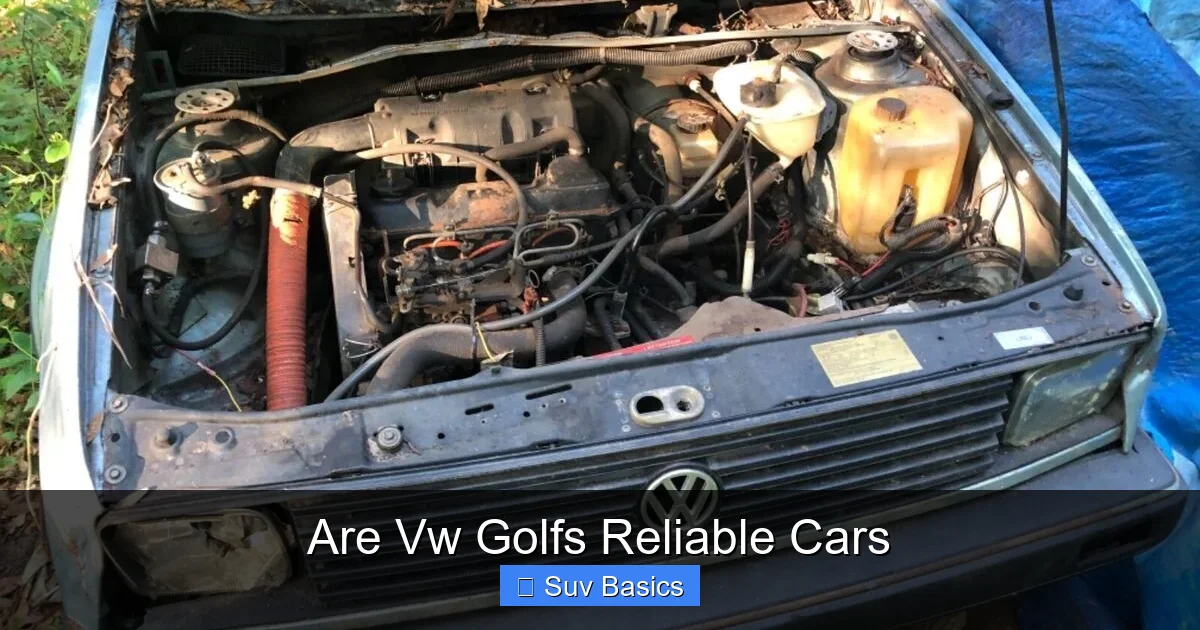
Visual guide about Are Vw Golfs Reliable Cars
Image source: smclassiccars.com
One of the best ways to assess a car’s reliability is by looking at independent studies and consumer reports. The Volkswagen Golf consistently performs well in these evaluations. For example, J.D. Power’s Vehicle Dependability Study has ranked the Golf among the top compact cars in recent years, often outperforming rivals like the Ford Focus and Honda Civic in owner-reported problems over three years of ownership.
Similarly, UK-based What Car? magazine regularly includes the Golf in its “Most Reliable Cars” lists, particularly praising the 1.5 TSI petrol and 2.0 TDI diesel variants. These engines are known for their smooth operation, fuel efficiency, and durability when properly maintained. The Golf also scores highly in Euro NCAP safety tests, earning a five-star rating in its latest assessment. This combination of safety and dependability makes it a strong contender in the crowded compact car segment.
What Owners Are Saying
Real-world feedback from Golf owners reinforces these positive ratings. On forums like GolfGTI.net and VW Driver, many users report driving their Golfs well beyond 150,000 miles with only routine maintenance. One owner shared that their 2017 Golf TDI reached 180,000 miles with no major engine or transmission issues—just regular oil changes, brake pads, and tire rotations. Another highlighted the car’s comfort on long drives, noting that the suspension and cabin insulation held up beautifully over time.
Of course, not every experience is flawless. Some owners mention minor electrical glitches or infotainment system resets, but these are typically resolved with software updates. Overall, the consensus is clear: when cared for, the Golf is a reliable workhorse.
Common Issues and How to Avoid Them
No car is immune to problems, and the Golf is no exception. However, understanding potential weak points can help you avoid costly repairs and extend the life of your vehicle. Most reliability concerns are tied to older models—particularly those from the early 2000s to mid-2010s.
Timing Belt and Water Pump Failures
One of the most common issues in older Golfs (especially 1.9 TDI and 2.0 TDI engines) is timing belt failure. Unlike modern interference engines that can suffer catastrophic damage if the belt breaks, many older Golfs have non-interference designs—but that doesn’t mean you should ignore maintenance. VW recommends replacing the timing belt every 60,000 to 100,000 miles, depending on the model year. Skipping this service can lead to engine damage, so it’s a critical preventive step.
DSG Transmission Concerns
The dual-clutch automatic transmission (DSG) used in many Golfs offers quick shifts and improved fuel economy. However, early DSG units (pre-2012) were prone to jerky behavior, hesitation, and even complete failure. VW has since improved the design, but if you’re buying a used Golf with a DSG, make sure it’s had regular transmission fluid changes—every 40,000 miles is ideal. A well-maintained DSG can last over 200,000 miles.
Electrical and Infotainment Glitches
Some Golf owners report issues with the MIB (Modular Infotainment System), such as freezing screens, Bluetooth connectivity problems, or navigation errors. These are usually software-related and can often be fixed with a dealership update. Keeping your system updated and avoiding third-party modifications can prevent most issues.
Suspension and Brake Wear
Like any car, the Golf’s suspension components—such as control arms, bushings, and struts—wear out over time. Pay attention to knocking noises over bumps or uneven tire wear, as these can signal suspension problems. Brake pads and rotors also need regular inspection, especially if you drive in stop-and-go traffic.
Fuel Efficiency and Running Costs
Reliability isn’t just about avoiding breakdowns—it’s also about affordability over time. The Golf excels in this area, offering a range of efficient engines that keep fuel costs low.
Petrol vs. Diesel vs. Electric
The 1.5 TSI petrol engine is a standout, delivering around 50 mpg on the highway with smooth acceleration. It uses Volkswagen’s innovative ACT (Active Cylinder Technology), which shuts down two cylinders during light load to save fuel. The 2.0 TDI diesel, meanwhile, is ideal for high-mileage drivers, offering up to 60 mpg and strong torque for highway cruising.
For eco-conscious buyers, the e-Golf (available from 2014 to 2020) provides a fully electric option with a range of about 140 miles per charge. While not as long-range as newer EVs, it’s perfect for city driving and short commutes. Charging is straightforward with a home wall box, and maintenance is minimal—no oil changes or exhaust systems to worry about.
Insurance and Maintenance
Insurance for the Golf is generally moderate, though sportier versions like the GTI or R may cost more. Maintenance costs are slightly higher than average due to VW’s premium positioning, but they’re reasonable for the class. Using independent VW specialists instead of dealerships can save money on servicing without sacrificing quality.
Resale Value and Long-Term Ownership
One of the Golf’s strongest selling points is its ability to hold value. According to data from Cap HPI, the Golf retains around 55% of its value after three years—better than many competitors. This is due to strong brand reputation, consistent demand, and the car’s reputation for durability.
Why Golfs Resell Well
Buyers know what they’re getting with a Golf: a well-built, practical car with a premium feel. Even base models come with solid interiors, good safety features, and a comfortable ride. Higher trims like the GTI or GTE add performance and tech, making them desirable in the used market.
If you plan to sell or trade in your Golf after a few years, keeping service records and avoiding modifications will help maximize resale value. A full service history from a VW-approved center can boost offers by hundreds of pounds.
Driving Experience and Practicality
Beyond reliability, the Golf shines in everyday usability. It’s spacious for a compact car, with ample legroom and a versatile hatchback design. The boot holds 380 liters—expandable to over 1,200 liters with the rear seats down—making it great for groceries, luggage, or weekend gear.
The ride is smooth and composed, whether you’re navigating city streets or cruising on the motorway. Steering is precise, and the chassis feels planted, giving drivers confidence in all conditions. Higher trims add adaptive cruise control, lane assist, and parking sensors, enhancing safety and convenience.
Interior Quality and Tech
Inside, the Golf feels more premium than many rivals. Soft-touch materials, intuitive controls, and a clean dashboard layout create a welcoming cabin. The digital instrument cluster (available from 2017 onward) adds a modern touch, while Apple CarPlay and Android Auto come standard on most models.
Conclusion: Is the VW Golf Right for You?
So, are VW Golfs reliable cars? The evidence says yes—especially if you choose a well-maintained model from 2015 or later. With strong reliability ratings, excellent safety scores, and a reputation for long-term durability, the Golf stands out as one of the most dependable compact cars on the market.
It’s not without its quirks—older models may need extra attention, and maintenance costs are slightly above average—but for most drivers, the benefits far outweigh the drawbacks. Whether you’re after a fuel-efficient commuter, a fun-to-drive GTI, or an eco-friendly e-Golf, there’s a version of the Golf that fits your lifestyle.
If you’re considering a used Golf, focus on service history, mileage, and engine type. A pre-purchase inspection by a qualified mechanic can uncover hidden issues and give you peace of mind. And if you’re buying new, take advantage of VW’s warranty and service plans to protect your investment.
In the end, the Golf isn’t just reliable—it’s enjoyable, practical, and built to last. For drivers who value quality and consistency, it’s a smart choice that delivers year after year.
Frequently Asked Questions
Are VW Golfs expensive to maintain?
Maintenance costs for the Golf are slightly higher than average due to its premium positioning, but they’re reasonable for the class. Using independent VW specialists can help reduce costs without sacrificing quality.
Which VW Golf engine is the most reliable?
The 1.5 TSI petrol and 2.0 TDI diesel engines are widely regarded as the most reliable, offering a good balance of performance, efficiency, and longevity when properly maintained.
Do VW Golfs have transmission problems?
Early DSG automatic transmissions (pre-2012) had some reliability issues, but newer units are much improved. Regular fluid changes every 40,000 miles can prevent most problems.
How long do VW Golfs last?
With proper care, a VW Golf can easily last 150,000 to 200,000 miles or more. Many owners report trouble-free driving well beyond these milestones.
Is the VW Golf a good family car?
Yes, the Golf is an excellent family car thanks to its spacious interior, strong safety ratings, and practical hatchback design. It’s comfortable for long trips and easy to live with daily.
Should I buy a used VW Golf?
A used Golf can be a great value, especially models from 2015 onward. Always check the service history, mileage, and have a pre-purchase inspection done to ensure reliability.