
The Volkswagen Tiguan is generally considered a reliable compact SUV, especially in recent model years. While earlier versions had some mechanical hiccups, improvements in build quality, technology, and warranty support have boosted its dependability over time.
Key Takeaways
- Reliability has improved significantly since 2017: The third-generation Tiguan (2018–present) shows fewer reported issues than earlier models.
- Strong safety ratings: The Tiguan earns top marks from the IIHS and NHTSA, adding to its overall dependability.
- Common issues are manageable: Known problems like minor electrical glitches or turbocharger concerns are typically covered under warranty if addressed early.
- Owner satisfaction is high: Many drivers praise the Tiguan’s comfortable ride, spacious interior, and user-friendly tech.
- Regular maintenance is key: Following the recommended service schedule helps prevent long-term problems and extends vehicle life.
- Long-term ownership costs are moderate: While not the cheapest SUV to maintain, the Tiguan offers good value for its class when properly cared for.
- Extended warranty options add peace of mind: VW’s certified pre-owned program and available extended warranties can reduce repair anxiety.
📑 Table of Contents
- Introduction: Is the Volkswagen Tiguan a Smart, Reliable Choice?
- How Reliable Are Volkswagen Tiguans Over Time?
- Common Volkswagen Tiguan Problems and How to Avoid Them
- Safety and Reliability: How the Tiguan Stacks Up
- Maintenance and Ownership Costs: What to Expect
- Should You Buy a Volkswagen Tiguan?
- Conclusion: A Reliable SUV with European Flair
Introduction: Is the Volkswagen Tiguan a Smart, Reliable Choice?
If you’re in the market for a compact SUV that blends European styling, practical space, and everyday usability, the Volkswagen Tiguan has likely crossed your radar. But before you sign on the dotted line, one question looms large: *Are Volkswagen Tiguans reliable?* It’s a fair concern—after all, no one wants to invest in a vehicle that leaves them stranded or buried in repair bills.
The short answer? Yes, the Tiguan is generally reliable—especially if you’re looking at models from 2018 onward. While earlier versions (particularly the first generation, 2009–2016) had their share of mechanical quirks, Volkswagen made significant improvements with the redesign in 2017. Today’s Tiguan offers a smoother ride, better fuel economy, and more consistent performance. But like any vehicle, it’s not perfect. Understanding its strengths, weaknesses, and maintenance needs will help you decide if it’s the right fit for your lifestyle.
How Reliable Are Volkswagen Tiguans Over Time?
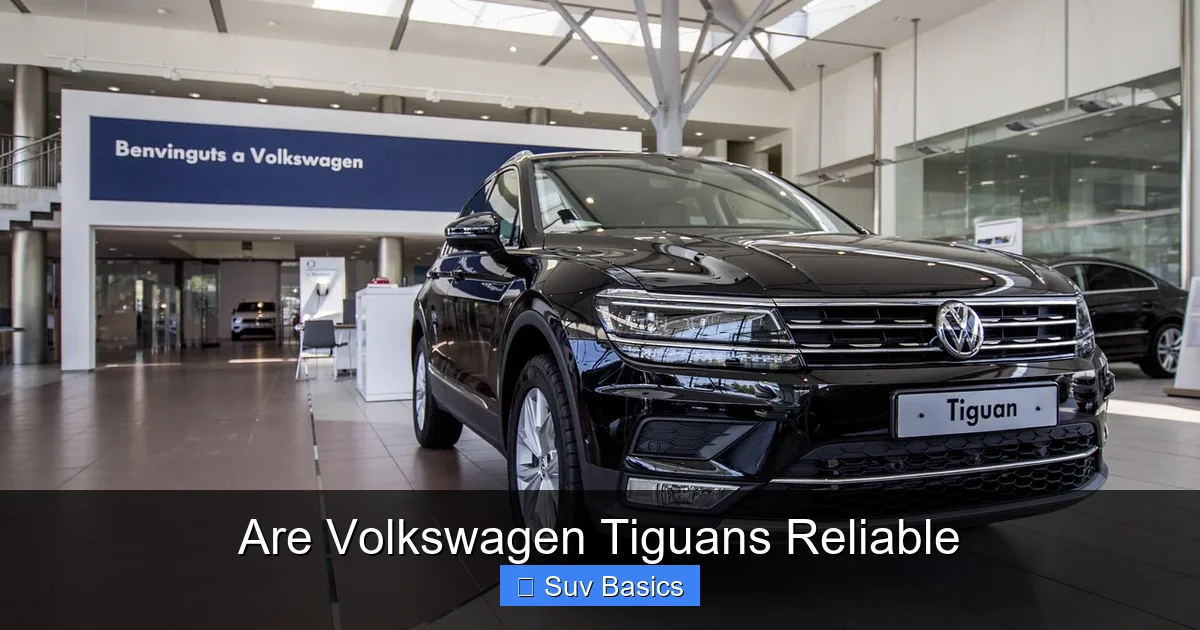
Visual guide about Are Volkswagen Tiguans Reliable
Image source: cdn.pixabay.com
When evaluating reliability, it’s important to look at both short-term performance and long-term durability. The Tiguan has shown a clear upward trend in dependability over the past decade.
Model Year Breakdown: What to Expect
The first-generation Tiguan (2009–2016) had a reputation for being stylish and fun to drive, but it wasn’t without flaws. Common complaints included premature timing chain wear, turbocharger issues, and occasional electrical gremlins. These problems often surfaced around the 60,000–80,000-mile mark, leading to costly repairs if not caught early.
However, the second-generation Tiguan, introduced in 2017 and fully redesigned in 2018, marked a turning point. Volkswagen addressed many of the earlier mechanical concerns by refining the engine, improving the transmission, and using higher-quality interior materials. The 2018–2023 models consistently rank above average in reliability surveys from sources like J.D. Power and Consumer Reports.
For example, the 2020 Tiguan received a “Good” reliability rating from J.D. Power, with owners reporting fewer major issues compared to competitors like the Ford Escape or Nissan Rogue. The 2022 and 2023 models have continued this positive trajectory, with improved infotainment systems and better overall build quality.
Real-World Owner Experiences
Talking to actual Tiguan owners reveals a mix of satisfaction and caution. Many drivers appreciate the SUV’s smooth handling, quiet cabin, and generous cargo space—especially in the three-row configuration (available in the U.S. market). One owner from Ohio shared that her 2019 Tiguan has over 90,000 miles with only routine maintenance: oil changes, tire rotations, and brake pad replacements. “It’s been rock solid,” she said. “I’ve never been stranded.”
On the flip side, some owners of 2017–2018 models reported minor issues like infotainment screen freezes or sensor malfunctions. These are typically resolved under warranty, but they can be frustrating in the moment. The good news? Volkswagen has extended warranty coverage for certain components, and dealerships are generally responsive to known issues.
Common Volkswagen Tiguan Problems and How to Avoid Them
No car is flawless, and the Tiguan is no exception. Being aware of common issues can help you catch problems early and avoid expensive repairs.
Turbocharger and Engine Concerns
The Tiguan’s 2.0-liter turbocharged four-cylinder engine is generally reliable, but it’s not immune to issues. Some owners have reported turbo lag or reduced performance, often linked to carbon buildup or faulty sensors. In rare cases, timing chain problems have occurred, especially in high-mileage or poorly maintained vehicles.
Tip: Stick to the recommended oil change interval (every 10,000 miles with synthetic oil) and use high-quality fuel. Avoid short trips when possible, as they can contribute to carbon buildup.
Electrical and Infotainment Glitches
The Tiguan’s touchscreen system, while modern and feature-rich, has been known to freeze or reboot unexpectedly. Some drivers also report issues with the rearview camera or parking sensors not working properly.
These problems are usually software-related and can often be fixed with a system update from your dealer. Volkswagen has released several over-the-air and dealership updates to improve stability.
Suspension and Brake Wear
The Tiguan’s suspension is tuned for comfort, which is great for daily driving but can lead to faster wear on components like struts and control arms, especially in areas with rough roads. Brake pads may also wear quicker than average due to the vehicle’s weight and driving dynamics.
Tip: Have your suspension and brakes inspected during routine maintenance. Replacing worn parts early can prevent more serious damage down the road.
Safety and Reliability: How the Tiguan Stacks Up
Reliability isn’t just about avoiding breakdowns—it’s also about feeling safe and confident behind the wheel. The Tiguan excels in this area.
Top Safety Ratings
The Tiguan has earned high marks from both the Insurance Institute for Highway Safety (IIHS) and the National Highway Traffic Safety Administration (NHTSA). In 2023, it received a Top Safety Pick+ award from the IIHS, the organization’s highest honor. It scored “Good” in all crashworthiness tests and “Superior” for front crash prevention.
Standard safety features include forward collision warning, automatic emergency braking, blind-spot monitoring, and rear cross-traffic alert. Higher trims add adaptive cruise control, lane-keeping assist, and parking assist—features that not only enhance safety but also reduce driver fatigue on long trips.
Reliability in Real-World Conditions
Whether you’re commuting in the city, taking weekend road trips, or driving in snowy conditions, the Tiguan holds up well. Its all-wheel-drive system (available on most trims) provides confident traction, and the elevated ride height gives you a better view of the road.
One family from Colorado uses their 2021 Tiguan for mountain driving and reports no issues with performance or reliability, even in sub-zero temperatures. “It starts every time, and the heated seats and steering wheel are lifesavers,” they said.
Maintenance and Ownership Costs: What to Expect
Understanding the long-term costs of owning a Tiguan is crucial for assessing its overall reliability.
Routine Maintenance Schedule
Volkswagen recommends servicing the Tiguan every 10,000 miles or 12 months, whichever comes first. This includes oil and filter changes, tire rotation, brake inspection, and fluid top-offs. Major services (like spark plug replacement or transmission fluid changes) are typically needed around 60,000 and 100,000 miles.
Compared to luxury brands like BMW or Mercedes, the Tiguan’s maintenance costs are reasonable. However, they’re slightly higher than non-luxury competitors like the Honda CR-V or Toyota RAV4. Still, many owners find the trade-off worth it for the Tiguan’s refined driving experience.
Warranty and Extended Coverage
New Tiguans come with a 4-year/50,000-mile bumper-to-bumper warranty and a 6-year/72,000-mile powertrain warranty—both of which are above average for the segment. Volkswagen also offers a certified pre-owned (CPO) program with a 2-year/24,000-mile warranty extension, giving used buyers added confidence.
For extra peace of mind, consider an extended warranty. These plans can cover everything from engine and transmission repairs to electrical systems, often for up to 100,000 miles.
Should You Buy a Volkswagen Tiguan?
So, are Volkswagen Tiguans reliable? The answer depends on which model year you choose and how well you maintain it.
If you’re shopping for a used Tiguan, aim for a 2018 or newer model with a clean maintenance history. Avoid high-mileage examples unless they’ve been well cared for. For new buyers, the current Tiguan (2023–2024) offers excellent reliability, modern tech, and strong safety credentials.
The Tiguan isn’t the cheapest or most fuel-efficient SUV in its class, but it delivers a balanced package of comfort, space, and driving enjoyment. With proper care, it can easily last 150,000 miles or more—making it a solid long-term investment.
Conclusion: A Reliable SUV with European Flair
The Volkswagen Tiguan has come a long way since its early days. While it once struggled with mechanical issues, today’s models are among the most dependable in the compact SUV segment. With strong safety ratings, improving reliability scores, and a comfortable, well-equipped interior, the Tiguan is a smart choice for families, commuters, and weekend adventurers alike.
Reliability isn’t just about avoiding breakdowns—it’s about feeling confident in your vehicle day after day. And for many owners, the Tiguan delivers exactly that. Whether you’re driving through city traffic or exploring backroads, this German-engineered SUV offers a blend of practicality and style that’s hard to beat.
Frequently Asked Questions
Are Volkswagen Tiguans reliable long-term?
Yes, especially models from 2018 onward. With proper maintenance, many Tiguans last well over 150,000 miles without major issues. Earlier models may require more attention, but overall reliability has improved significantly.
What are the most common problems with the Volkswagen Tiguan?
Common issues include minor electrical glitches, infotainment system freezes, and occasional turbocharger concerns. Most of these are covered under warranty and can be resolved with dealer updates or repairs.
Is the Tiguan expensive to maintain?
Maintenance costs are moderate—higher than some Japanese rivals but lower than luxury brands. Following the recommended service schedule helps keep costs predictable and prevents major repairs.
Does the Tiguan have good safety ratings?
Yes. The Tiguan earns top marks from the IIHS and NHTSA, including a Top Safety Pick+ award in recent years. It comes standard with advanced safety features like automatic emergency braking and blind-spot monitoring.
Can the Tiguan handle winter driving?
Absolutely. With available all-wheel drive, heated seats, and a robust build, the Tiguan performs well in snow and cold weather. Many owners in northern climates report reliable year-round performance.
Is the Volkswagen Tiguan a good family SUV?
Yes. The Tiguan offers three rows of seating (in the U.S.), ample cargo space, and a quiet, comfortable ride. It’s a practical and stylish choice for families needing versatility and safety.