
The Range Rover Velar blends luxury and performance, but reliability depends on model year, maintenance, and usage. While early models faced some mechanical hiccups, newer Velars have improved significantly with better build quality and tech updates.
Key Takeaways
- Reliability varies by model year: 2018–2020 models had more reported issues, while 2021+ versions show marked improvement in dependability.
- Regular maintenance is critical: Skipping scheduled services increases the risk of costly repairs, especially with complex electronics and air suspension.
- Common issues include infotainment glitches and electrical faults: Many owners report touchscreen freezes or sensor malfunctions, though software updates often fix these.
- Air suspension problems are a known concern: Rough roads and lack of use can lead to leaks or compressor failure—regular driving helps prevent this.
- Fuel efficiency is decent for a luxury SUV: Expect 22–28 mpg combined, depending on engine choice and driving habits.
- Resale value holds up well: The Velar retains value better than many rivals thanks to strong brand appeal and stylish design.
- Extended warranties offer peace of mind: Given the complexity of systems, an extended warranty can protect against unexpected repair bills.
📑 Table of Contents
- Are Range Rover Velars Reliable? A Real-World Look
- Understanding the Velar’s Reputation Over Time
- Common Reliability Issues and How to Avoid Them
- Maintenance Tips for Long-Term Reliability
- Real Owner Experiences: The Good and the Not-So-Good
- Fuel Economy, Running Costs, and Value Retention
- Should You Buy a Range Rover Velar?
Are Range Rover Velars Reliable? A Real-World Look
When you think of a Range Rover Velar, images of sleek lines, minimalist interiors, and off-road prowess likely come to mind. It’s a vehicle that turns heads—not just for its bold design, but for its promise of luxury without compromise. But behind that stunning exterior lies a question many buyers wrestle with: Are Range Rover Velars reliable?
The short answer? It depends. Like any high-end vehicle with advanced technology and complex engineering, the Velar’s reliability isn’t black and white. Some owners enjoy years of trouble-free driving, while others face recurring issues—especially in earlier model years. But don’t let that scare you off just yet. With proper care, awareness of common pitfalls, and choosing the right model year, the Velar can be a dependable luxury SUV that delivers both style and substance.
Understanding the Velar’s Reputation Over Time
The Range Rover Velar first hit the market in 2017 as Land Rover’s answer to premium compact luxury SUVs like the BMW X4 and Mercedes GLE Coupe. It quickly gained praise for its futuristic interior, smooth ride, and impressive off-road capabilities—even in city driving. However, early adopters soon discovered that cutting-edge tech and bold design sometimes come at a cost.
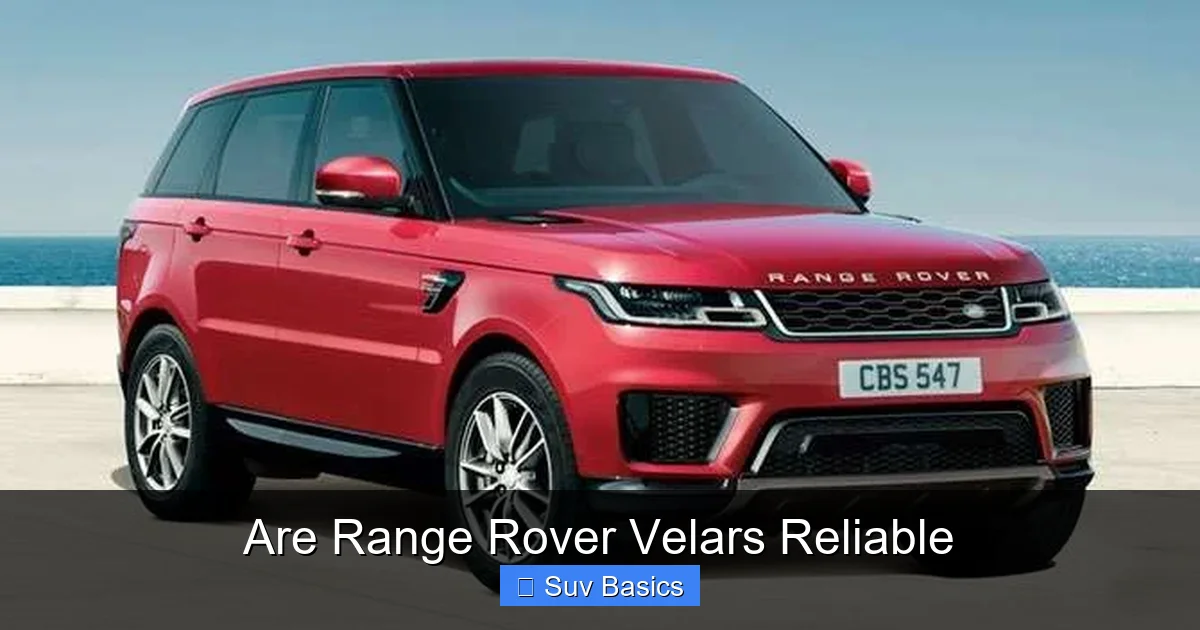
Visual guide about Are Range Rover Velars Reliable
Image source: sjelleauto.dk
Early Model Concerns (2018–2020)
Owners of 2018 to 2020 Velars reported a higher-than-average number of issues, particularly with the infotainment system and electrical components. Common complaints included unresponsive touchscreens, Bluetooth connectivity drops, and dashboard warning lights that appeared without cause. Some drivers also experienced premature wear on brake components and minor leaks in the air suspension system.
Improvements in Recent Models (2021–Present)
Land Rover listened to feedback and made significant updates starting in 2021. The latest Velars feature a redesigned Pivi Pro infotainment system that’s faster, more intuitive, and less prone to glitches. Build quality has also improved, with tighter seals, better wiring, and more durable interior materials. As a result, newer models are showing much better reliability scores in owner surveys and third-party reports.
Common Reliability Issues and How to Avoid Them
No car is perfect, and the Velar is no exception. But knowing what to watch for can save you time, money, and frustration down the road.
Infotainment and Software Glitches
The Velar’s dual-screen setup is stunning—but it’s also a common source of frustration. Early models used older software that struggled with updates and third-party app integration. If your screen freezes or apps crash, a simple reboot often helps. For persistent issues, visit a dealer for a software update. Many problems are resolved with over-the-air or in-dealership patches.
Air Suspension Failures
The Velar’s adaptive air suspension delivers a buttery-smooth ride, but it’s also one of the most expensive components to repair. Leaks, compressor failure, or sensor errors can cause the vehicle to sag or ride unevenly. To minimize risk, avoid driving through deep puddles, keep the system active by driving regularly (even short trips help), and address warning lights immediately. Replacing a compressor can cost $1,500–$2,500, so prevention is key.
Electrical and Sensor Problems
Modern Velars are packed with sensors for parking, lane keeping, and adaptive cruise control. While helpful, these systems can malfunction—especially in cold or wet weather. False alerts or disabled features are usually temporary and fixed with a restart. If problems persist, have the sensors cleaned and recalibrated at a service center.
Maintenance Tips for Long-Term Reliability
Owning a Velar isn’t just about enjoying the drive—it’s about staying on top of maintenance. Luxury SUVs like the Velar have higher service costs, but consistent care pays off in longevity and performance.
Stick to the Service Schedule
Land Rover recommends servicing every 15,000 miles or once a year, whichever comes first. This includes oil changes, brake inspections, and software updates. Skipping services can void your warranty and lead to bigger issues. For example, failing to replace the cabin air filter can strain the HVAC system, while delayed oil changes may harm the turbocharged engine.
Use Genuine or OEM Parts
While aftermarket parts are cheaper, they may not meet Land Rover’s strict standards. For critical components like suspension, brakes, and electronics, stick with genuine or OEM (Original Equipment Manufacturer) parts. They cost more upfront but last longer and maintain resale value.
Keep It Clean—Inside and Out
The Velar’s premium interior deserves care. Use leather conditioner on seats, avoid harsh cleaners on the touchscreens, and vacuum regularly to prevent dust buildup in vents. Externally, wash the car often—especially in winter—to prevent salt and grime from damaging paint and undercarriage components.
Real Owner Experiences: The Good and the Not-So-Good
To get a true sense of Velar reliability, it helps to hear from real owners. Online forums, review sites, and social media groups are filled with stories—both glowing and cautionary.
One owner, Sarah from Colorado, has driven her 2022 Velar for over 30,000 miles with zero major issues. “It’s been smooth, quiet, and surprisingly fuel-efficient,” she says. “I love the tech, and the ride is amazing—even on mountain roads.”
On the other hand, Mark from Texas bought a used 2019 Velar and faced multiple trips to the dealer. “The infotainment system crashed constantly, and the air suspension failed after two years,” he recalls. “It was frustrating, but once I got the extended warranty, things got better.”
These stories highlight a key point: model year and maintenance history matter more than brand alone. A well-cared-for older Velar can outperform a neglected newer one.
Fuel Economy, Running Costs, and Value Retention
Beyond reliability, cost of ownership is a big factor for buyers. The Velar offers several engine options, including a 2.0L turbocharged four-cylinder and a 3.0L inline-six with mild hybrid tech. Fuel economy ranges from 22 mpg city to 28 mpg highway, which is respectable for a luxury SUV of its size and power.
Running costs are higher than average due to premium fuel requirements, specialized parts, and dealership service fees. However, the Velar holds its value well. According to Kelley Blue Book, it retains about 55–60% of its value after three years—better than the BMW X4 and close to the Porsche Macan.
If you plan to keep the car long-term, the higher upfront and maintenance costs may balance out. But if you’re a frequent upgrader, consider leasing or choosing a certified pre-owned model to reduce financial risk.
Should You Buy a Range Rover Velar?
So, are Range Rover Velars reliable? The answer isn’t a simple yes or no—it’s a “yes, with conditions.” If you’re considering a Velar, here’s what to keep in mind:
- Choose a 2021 or newer model for the best blend of tech and reliability.
- Get a pre-purchase inspection if buying used—especially for air suspension and electronics.
- Invest in an extended warranty if you’re concerned about repair costs.
- Follow the maintenance schedule religiously to avoid preventable issues.
- Drive it regularly—these cars don’t like sitting idle for long periods.
The Velar isn’t the most reliable SUV on the market, but it’s far from the least. With the right care and realistic expectations, it can be a rewarding ownership experience. It’s a vehicle that rewards attention and care—and in return, delivers a driving experience that’s hard to match.
Frequently Asked Questions
Are Range Rover Velars expensive to maintain?
Yes, maintenance costs are higher than average due to premium parts and specialized labor. Routine services can cost $200–$400, and major repairs like air suspension can exceed $2,000. However, regular upkeep helps prevent costly breakdowns.
Do Velars have transmission problems?
Transmission issues are rare but have been reported in early models, particularly with rough shifting or hesitation. Most cases were resolved under warranty. Newer models with updated software have fewer complaints.
Is the Velar good for long-distance driving?
Absolutely. The Velar offers a comfortable ride, quiet cabin, and advanced driver aids like adaptive cruise control. Its fuel efficiency and spacious interior make it a great choice for road trips.
Can the Velar handle off-road conditions?
Yes, despite its sleek look, the Velar has strong off-road capabilities. With Terrain Response 2 and all-wheel drive, it can tackle dirt trails, snow, and light rock crawling—though it’s not as rugged as a full-size Defender.
Do Velars have good safety ratings?
The Velar earned a 5-star overall safety rating from the NHTSA and high marks from the IIHS for crashworthiness. Standard features include automatic emergency braking, lane departure warning, and blind-spot monitoring.
Is it worth buying a used Range Rover Velar?
It can be, especially if you choose a well-maintained 2021 or newer model. Always get a vehicle history report, inspect the air suspension, and consider an extended warranty to protect your investment.