
Range Rover reliability has improved over the years, but it still lags behind some luxury rivals. While modern models offer impressive tech and comfort, they require consistent maintenance and can be costly to repair. With proper care, many owners enjoy years of dependable performance.
Key Takeaways
- Reliability has improved: Recent Range Rover models (2018 and newer) show better build quality and fewer reported issues than older versions.
- Higher maintenance costs: Routine service and unexpected repairs can be expensive due to premium parts and specialized labor.
- Electrical and software glitches: Some owners report issues with infotainment systems, sensors, and adaptive features.
- Strong off-road and on-road performance: Range Rovers are engineered for capability, making them durable in tough conditions when maintained properly.
- Depreciation and resale value: Range Rovers depreciate faster than some competitors, partly due to reliability concerns and high ownership costs.
- Extended warranties recommended: Many experts suggest purchasing an extended warranty to offset potential repair bills.
- Owner satisfaction remains high: Despite reliability quirks, many drivers love the luxury, comfort, and prestige of owning a Range Rover.
📑 Table of Contents
Are Range Rover Reliable? A Realistic Look at Ownership
When you think of luxury SUVs, the Range Rover name often comes to mind. Known for their sleek design, plush interiors, and go-anywhere capability, Range Rovers have long been a symbol of status and adventure. But behind the prestige lies a common question: Are Range Rover reliable?
The short answer? It depends. While Range Rovers are built with high-end materials and advanced engineering, their reliability has been a mixed bag over the years. Older models, especially those from the early 2010s, were notorious for electrical issues, air suspension failures, and costly repairs. However, Land Rover—the parent company—has made significant improvements in recent years. Today’s Range Rovers are more dependable than ever, but they’re not without their quirks. Understanding what to expect can help you decide if a Range Rover is the right luxury SUV for your lifestyle.
Range Rover Reliability Over the Years
Early 2010s: A Troublesome Era
The early 2010s were a rough patch for Range Rover reliability. Models like the 2010–2015 Range Rover Sport and full-size Range Rover were plagued by problems. Owners frequently reported issues with the air suspension system, which could fail and leave the vehicle sagging or uneven. Electrical gremlins—such as malfunctioning dashboards, faulty sensors, and glitchy infotainment screens—were also common.
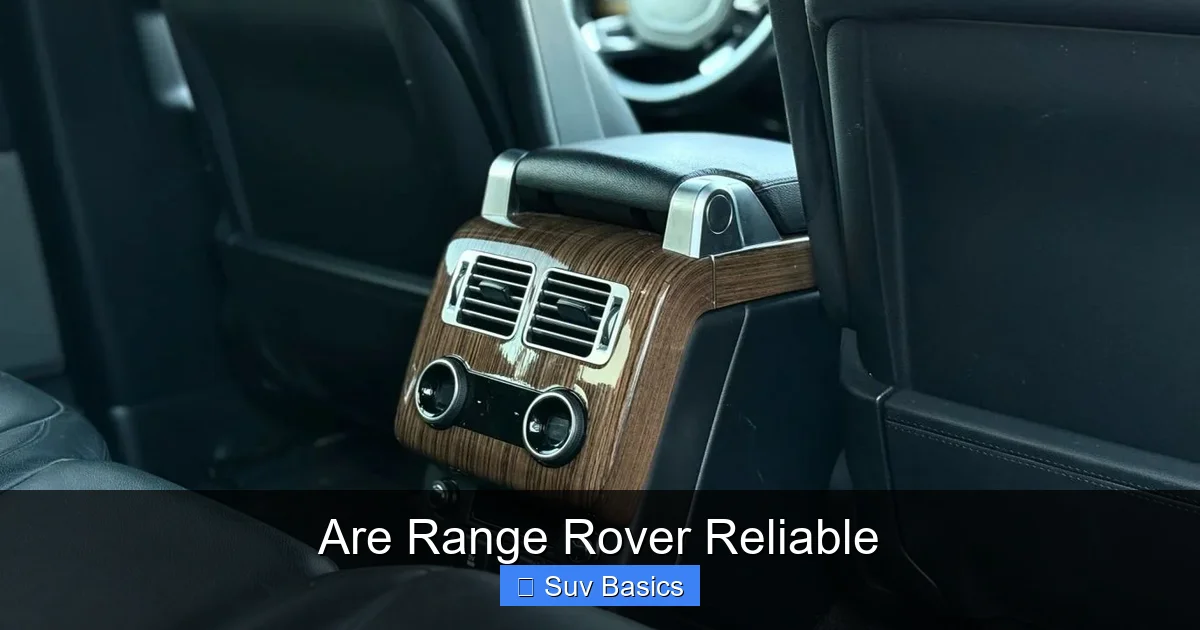
Visual guide about Are Range Rover Reliable
Image source: imagescf.dealercenter.net
For example, many 2013 Range Rover owners complained about the Terrain Response system failing, which controls off-road driving modes. Others faced repeated visits to the dealership for software updates that didn’t always fix the problem. These issues led to low scores on reliability surveys from J.D. Power and Consumer Reports during that period.
Improvements in Recent Models (2018–Present)
Since around 2018, Land Rover has made noticeable strides in improving build quality and reliability. The introduction of the new Pivi Pro infotainment system, for instance, brought faster response times and better integration with smartphones. The latest models also feature more robust electrical architectures and improved diagnostics.
According to J.D. Power’s 2023 Vehicle Dependability Study, Land Rover (including Range Rover) still ranks below the industry average, but the gap is narrowing. Owners of 2019 and newer models report fewer mechanical failures and longer intervals between repairs. That said, reliability can vary by model and engine type—diesel variants, for example, tend to be more durable than some gasoline engines.
Common Range Rover Reliability Issues
Electrical and Software Glitches
One of the most frequent complaints among Range Rover owners is electrical problems. These can range from minor annoyances—like a glitchy touchscreen or unresponsive climate controls—to more serious issues like false warning lights or sensor malfunctions.
For instance, some owners report that the 360-degree camera system randomly shuts off or displays distorted images. Others have experienced the parking assist system failing to detect obstacles. While these issues don’t usually affect drivability, they can be frustrating and often require dealership visits for software recalibration or module replacement.
Air Suspension Failures
The air suspension system is a hallmark of the Range Rover experience, offering a smooth, adaptive ride. But it’s also one of the most expensive components to repair when it fails. Common signs include a sagging front or rear end, a warning light on the dashboard, or a noticeable drop in ride height.
Replacing air struts or the compressor can cost anywhere from $1,500 to $3,000 per corner, depending on the model. To avoid surprises, many owners recommend replacing the air suspension components preventively around the 80,000-mile mark—even if they seem to be working fine.
Transmission and Engine Concerns
While Range Rover engines—especially the supercharged V8s—are powerful and smooth, some owners have reported transmission hesitation or rough shifting, particularly in older models. The ZF 8-speed automatic transmission used in most Range Rovers is generally reliable, but software updates are sometimes needed to optimize performance.
In rare cases, engine oil leaks or timing chain issues have been reported, especially in high-mileage vehicles. Regular oil changes and using the correct synthetic oil can help prevent these problems.
Maintenance and Ownership Costs
Routine Maintenance: What to Expect
Owning a Range Rover isn’t just about the purchase price—it’s also about ongoing maintenance. Routine service includes oil changes every 7,500 to 10,000 miles, brake inspections, tire rotations, and software updates. Land Rover recommends following the scheduled maintenance plan outlined in the owner’s manual.
For example, a typical 10,000-mile service might include an oil change, filter replacement, and multi-point inspection, costing around $300–$500 at a dealership. While independent shops can be cheaper, using non-dealer service may void certain warranty protections.
Unexpected Repairs and Repair Costs
Even with regular maintenance, unexpected repairs can add up. Because Range Rovers use specialized parts and advanced systems, labor rates are often higher than average. A simple sensor replacement might cost $400–$800, while more complex jobs—like fixing the air suspension or replacing the infotainment module—can exceed $2,000.
To manage these costs, many owners opt for extended warranties or prepaid maintenance plans. These can provide peace of mind, especially if you plan to keep the vehicle beyond the factory warranty period (typically 4 years/50,000 miles).
Tips to Improve Range Rover Reliability
Follow the Maintenance Schedule
One of the best ways to keep your Range Rover running smoothly is to stick to the manufacturer’s maintenance schedule. This includes timely oil changes, brake fluid flushes, and software updates. Skipping services may save money short-term but can lead to bigger problems down the road.
Use Quality Parts and Fluids
Always use OEM (original equipment manufacturer) or high-quality aftermarket parts. Cheap substitutes may not meet the vehicle’s performance standards and could cause damage. For example, using the wrong type of transmission fluid can lead to shifting issues.
Address Warning Lights Promptly
If a warning light appears on your dashboard—especially the check engine or suspension light—don’t ignore it. Early diagnosis can prevent minor issues from becoming major repairs. Many auto parts stores offer free code scans, but for complex systems like air suspension, a dealership or certified mechanic is best.
Consider an Extended Warranty
Given the potential for high repair costs, an extended warranty can be a smart investment. Look for plans that cover electrical systems, air suspension, and drivetrain components. Compare coverage options and read the fine print to avoid surprises.
Owner Experiences and Satisfaction
What Real Owners Are Saying
Despite reliability concerns, many Range Rover owners remain loyal to the brand. Online forums and review sites are filled with stories of long road trips, off-road adventures, and daily commutes in comfort and style. Owners often praise the vehicle’s ride quality, interior luxury, and commanding driving position.
One owner on a popular SUV forum shared: “I’ve had my 2020 Range Rover for three years and 45,000 miles. I’ve only had one minor electrical issue that was fixed under warranty. It’s been smooth sailing since.” Another added: “Yes, repairs can be pricey, but the driving experience is worth it. I wouldn’t trade it for anything.”
Balancing Luxury and Practicality
Ultimately, the decision to buy a Range Rover comes down to balancing luxury with practicality. If you value prestige, comfort, and capability—and are prepared for higher maintenance costs—a Range Rover can be a rewarding choice. But if you prioritize long-term reliability and low ownership costs, you might want to consider alternatives like the Lexus GX, Mercedes-Benz GLE, or BMW X5.
Conclusion: Are Range Rover Reliable?
So, are Range Rover reliable? The answer isn’t black and white. While they’re not the most reliable SUVs on the market, modern Range Rovers are significantly more dependable than their predecessors. With proper maintenance, many owners enjoy years of trouble-free driving. However, potential buyers should be aware of the higher costs associated with repairs and the possibility of electrical or suspension issues.
If you’re drawn to the Range Rover’s blend of luxury, performance, and off-road prowess, go for it—but do your homework. Choose a well-maintained used model or a newer vehicle with a solid warranty. And don’t forget to budget for maintenance. When cared for properly, a Range Rover can be a reliable and thrilling companion on the road—and off it.
Frequently Asked Questions
Are Range Rovers reliable long-term?
Long-term reliability has improved in recent models, but Range Rovers still require more maintenance than some competitors. With proper care, many owners report 100,000+ miles of dependable service.
What is the most reliable Range Rover model?
The 2018 and newer Range Rover and Range Rover Sport models are generally considered the most reliable, especially those with the 3.0L inline-6 or 5.0L V8 engines.
How often do Range Rovers break down?
Breakdown frequency varies, but older models (pre-2018) had higher rates of electrical and suspension issues. Newer models are less prone to major failures but still require regular maintenance.
Is it expensive to maintain a Range Rover?
Yes, maintenance and repairs are typically more expensive than average due to premium parts and specialized labor. Routine service can cost $300–$500 per visit at a dealership.
Should I buy a used Range Rover?
Buying used can be a good value, but only if the vehicle has a full service history and no major issues. A pre-purchase inspection by a qualified mechanic is highly recommended.
Do Range Rovers have a lot of electrical problems?
Some models, especially pre-2018, experienced electrical glitches like faulty sensors and infotainment issues. Newer models have improved, but occasional software updates may still be needed.