
Range Rovers are premium SUVs known for their luxury, off-road prowess, and bold design—but they come with trade-offs. While they excel in comfort and capability, reliability concerns and high ownership costs mean they’re best suited for buyers who prioritize prestige and performance over practicality.
Key Takeaways
- Luxury and Comfort: Range Rovers offer top-tier interiors with premium materials, advanced tech, and a smooth, quiet ride ideal for long drives and city commutes.
- Off-Road Capability: With advanced all-terrain systems and high ground clearance, they handle rugged trails better than most luxury SUVs.
- Performance Options: From efficient mild-hybrid engines to powerful V8s and plug-in hybrids, there’s a Range Rover for nearly every driving need.
- Reliability Concerns: Historically, Range Rovers have had higher-than-average repair rates and electrical issues, though recent models show improvement.
- High Ownership Costs: Maintenance, insurance, and fuel expenses are significantly higher than average, making them expensive to own long-term.
- Resale Value: Depreciation is steep, especially in the first few years, which affects overall value for money.
- Best For: Buyers seeking a statement vehicle that blends luxury, capability, and brand prestige—especially if budget isn’t the top concern.
📑 Table of Contents
Are Range Rover Good Cars? A Balanced Look at Luxury and Performance
When you think of luxury SUVs, the Range Rover likely comes to mind. With its sleek silhouette, commanding presence, and British heritage, it’s a vehicle that turns heads on city streets and conquers mountain trails with equal flair. But behind the badge and the brochure photos lies a more complicated truth: Are Range Rover good cars, really?
The short answer? It depends. Range Rovers are exceptional in many ways—especially when it comes to comfort, design, and off-road ability. But they’re not without flaws. Reliability issues, steep maintenance costs, and rapid depreciation have long haunted the brand. So, whether a Range Rover is a “good” car for you comes down to your priorities, budget, and how you plan to use it.
In this guide, we’ll break down what makes Range Rovers stand out, where they fall short, and who they’re actually best suited for. Whether you’re eyeing a new Velar, a classic Defender, or a fully loaded Autobiography, this honest review will help you decide if a Range Rover fits your lifestyle.
What Makes Range Rovers Stand Out?
Luxury That Rivals High-End Sedans
Step inside a Range Rover, and you’re greeted by an atmosphere of refined elegance. From hand-stitched leather seats to real wood trim and ambient lighting, the cabin feels more like a five-star hotel lobby than a vehicle interior. The latest models feature massive touchscreens, digital instrument clusters, and noise-canceling technology that makes highway drives whisper-quiet.
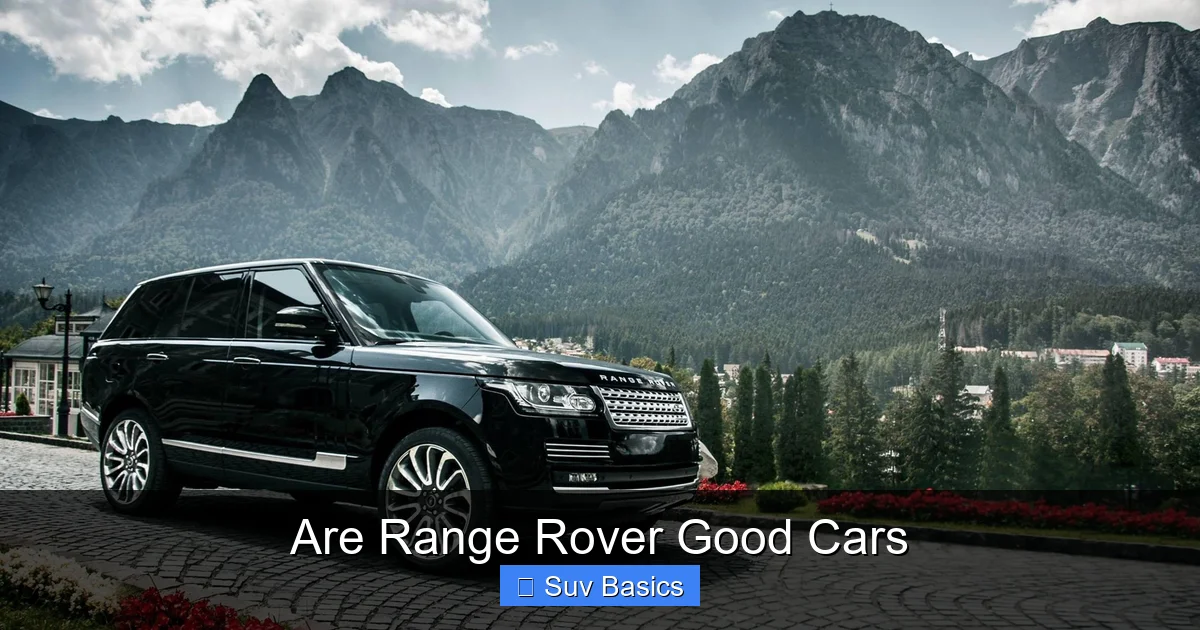
Visual guide about Are Range Rover Good Cars
Image source: wallpaperaccess.com
Even base trims come well-equipped, but it’s the higher-end versions—like the HSE or Autobiography—that truly shine. Massaging seats, heated and cooled surfaces, and premium audio systems from Meridian or Bowers & Wilkins elevate the experience. If you value comfort and sophistication, few SUVs match the Range Rover’s interior.
Unmatched Off-Road Prowess
While many luxury SUVs are designed for pavement, the Range Rover was born from Land Rover’s rugged DNA. Every model comes with advanced all-wheel drive, Terrain Response systems, and impressive ground clearance. The latest Terrain Response 2 system automatically adjusts suspension, throttle, and traction settings based on road conditions—whether you’re driving on sand, snow, mud, or rock.
For example, the Range Rover Sport can wade through nearly 3 feet of water, and the full-size Range Rover can tackle steep inclines with ease. If you live in a rural area, enjoy weekend adventures, or simply want the confidence to handle bad weather, the Range Rover’s off-road capability is a major advantage.
Smooth and Powerful Performance
Range Rovers offer a wide range of engines to suit different driving styles. The base models come with a 3.0-liter inline-six mild-hybrid engine that delivers around 395 horsepower—plenty for daily driving and highway merging. For those who crave speed, the Supercharged V8 in the Range Rover Sport SVR can rocket from 0 to 60 mph in under 5 seconds.
There’s also a plug-in hybrid option (P440e) that combines a gasoline engine with an electric motor for about 40 miles of electric-only range. This makes it a solid choice for eco-conscious buyers who still want performance and luxury. The ride quality is consistently smooth, thanks to adaptive air suspension that glides over bumps like they’re not even there.
The Downsides: Where Range Rovers Fall Short
Reliability and Repair Concerns
Here’s the elephant in the room: Range Rovers have a reputation for mechanical issues. According to consumer reports and reliability studies, they consistently rank below average in long-term dependability. Common problems include electrical glitches, air suspension failures, and transmission hiccups. While newer models (2020 and later) have shown improvement, the brand still lags behind competitors like Lexus, BMW, and Mercedes in reliability.
For example, a 2021 Range Rover might develop a glitch in the infotainment system or a sensor that triggers false warnings. These aren’t deal-breakers, but they can be frustrating—and expensive—to fix. If you’re buying used, it’s crucial to get a pre-purchase inspection and check the vehicle’s service history.
High Cost of Ownership
Owning a Range Rover isn’t just about the purchase price. Maintenance, insurance, and fuel costs are significantly higher than average. Routine services like oil changes and brake jobs can cost twice as much as they would on a mainstream SUV. Tires are expensive, and specialized parts often require dealership visits, which come with premium labor rates.
Let’s say you own a Range Rover for five years. You might spend $15,000–$25,000 on maintenance and repairs alone—especially if you skip the extended warranty. Add in higher insurance premiums and lower fuel economy (most models get 18–22 mpg combined), and the total cost of ownership becomes a serious consideration.
Steep Depreciation
Range Rovers lose value faster than most vehicles. A new Range Rover can depreciate by 30–40% in the first three years. That means a $100,000 SUV could be worth just $60,000 after three years of normal use. This makes them a poor choice if you’re focused on resale value or plan to sell in the near future.
However, if you keep the vehicle long-term and maintain it well, the depreciation curve flattens out. Some older models, especially the classic Defender, have even appreciated in value due to their iconic status. But for the average buyer, rapid depreciation is a real downside.
Who Should Buy a Range Rover?
The Luxury Enthusiast
If you value prestige, comfort, and cutting-edge technology, a Range Rover could be a perfect match. It’s a status symbol that delivers on luxury in ways few SUVs can. Whether you’re commuting to the office or taking a cross-country road trip, the experience is consistently premium.
The Adventurer
For buyers who want a vehicle that can handle both city streets and mountain trails, the Range Rover’s off-road capability is a major selling point. It’s one of the few luxury SUVs that truly earns its “SUV” label. If you frequently drive on unpaved roads or enjoy outdoor activities, this versatility is hard to beat.
The Tech-Savvy Driver
Range Rovers come packed with advanced driver aids, including adaptive cruise control, lane-keeping assist, 360-degree cameras, and even semi-autonomous driving features. The Pivi Pro infotainment system is intuitive and responsive, with over-the-air updates that keep the software current. If you love staying connected and want the latest tech, the Range Rover delivers.
Alternatives to Consider
Mercedes-Benz GLE
The GLE offers similar luxury and tech with better reliability and slightly lower ownership costs. It’s a strong alternative if you want a premium SUV without the Range Rover’s reputation for mechanical issues.
BMW X5
Known for its sporty handling and refined interior, the X5 is another top contender. It’s more driver-focused than the Range Rover and tends to hold its value better.
Lexus LX
If reliability is your top priority, the LX is a rugged, dependable luxury SUV with off-road chops. It’s not as flashy as a Range Rover, but it’s built to last.
Final Verdict: Are Range Rover Good Cars?
So, are Range Rover good cars? The answer isn’t black and white. They are exceptional in terms of luxury, design, and off-road performance. For the right buyer—someone who values prestige, comfort, and capability—they can be an outstanding choice.
But they’re not for everyone. High maintenance costs, reliability concerns, and rapid depreciation mean they’re best suited for buyers with deeper pockets and a tolerance for potential repairs. If you’re willing to accept these trade-offs for the sake of driving one of the most iconic SUVs on the road, a Range Rover could be a rewarding investment.
Just be sure to budget for upkeep, consider an extended warranty, and buy from a reputable dealer with a solid service history. With the right expectations and care, a Range Rover can deliver a truly special driving experience.
Frequently Asked Questions
Are Range Rovers reliable?
Range Rovers have historically had below-average reliability ratings, with common issues in electrical systems and air suspension. However, newer models (2020 and later) have shown improvement, and proper maintenance can help prevent problems.
How much does it cost to maintain a Range Rover?
Annual maintenance costs typically range from $1,200 to $2,000, depending on the model and mileage. Repairs can be expensive, especially if specialized parts or dealership service is required.
Do Range Rovers have good resale value?
No, Range Rovers depreciate quickly—often losing 30–40% of their value in the first three years. This makes them a poor choice if resale value is a priority.
Can a Range Rover handle off-road driving?
Yes, Range Rovers are among the most capable luxury SUVs off-road, thanks to advanced all-terrain systems, high ground clearance, and robust four-wheel drive.
Is the Range Rover fuel efficient?
Most models get 18–22 mpg combined, which is average for the class. The plug-in hybrid version offers better efficiency with up to 40 miles of electric range.
Should I buy a used Range Rover?
Buying used can save money upfront, but it comes with higher risk due to potential repair costs. Always get a pre-purchase inspection and check the vehicle’s service history.