
Older Land Rovers can be reliable with proper care, but they’re not without quirks. Known for rugged off-road ability and timeless design, these vehicles demand regular maintenance and attention to electrical and rust issues. With the right approach, many owners enjoy decades of dependable service.
Key Takeaways
- Older Land Rovers are built tough but require consistent maintenance: Their robust engineering shines off-road, but neglect leads to costly repairs.
- Rust is the #1 enemy: Check chassis, bulkheads, and door frames regularly—especially on models from the 1980s and 1990s.
- Electrical systems can be finicky: Lucas wiring and aging components often cause intermittent faults that frustrate even experienced mechanics.
- Engines vary in reliability: Diesel engines (like the 200Tdi and 300Tdi) are generally more dependable than older petrol units.
- Ownership costs add up: While purchase prices may be low, ongoing repairs and specialist parts can make them expensive long-term.
- Community support is a major advantage: Enthusiast forums, clubs, and aftermarket suppliers help keep older models alive.
- Not ideal as daily drivers for everyone: Best suited for weekend adventurers or those willing to embrace the “character” of classic British engineering.
📑 Table of Contents
- Introduction: The Love-Hate Relationship with Classic Land Rovers
- What Makes Older Land Rovers Appealing?
- Common Reliability Issues in Older Land Rovers
- Maintenance: The Key to Longevity
- Are Older Land Rovers Good Daily Drivers?
- Tips for Buying a Reliable Older Land Rover
- Conclusion: Reliability Is Earned, Not Guaranteed
Introduction: The Love-Hate Relationship with Classic Land Rovers
There’s something undeniably charming about an older Land Rover—whether it’s the boxy silhouette of a Series III, the utilitarian charm of a Defender 90, or the rugged elegance of a Discovery 1. These vehicles were built for harsh terrain, military use, and rural life. But when it comes to daily reliability, opinions are sharply divided. Some owners swear by their Landy’s dependability, while others warn newcomers to steer clear unless they enjoy frequent trips to the garage.
So, are older Land Rovers reliable? The short answer is: it depends. Reliability isn’t just about how well a car starts on a cold morning—it’s about consistency, ease of repair, and long-term ownership satisfaction. Older Land Rovers, particularly those made before the early 2000s, come with a unique blend of strengths and weaknesses. They’re mechanically simple in many ways, which makes them easier to fix than modern electronics-heavy SUVs. But they also suffer from age-related issues like rust, outdated wiring, and wear on components that weren’t designed for today’s high-mileage lifestyles.
What Makes Older Land Rovers Appealing?
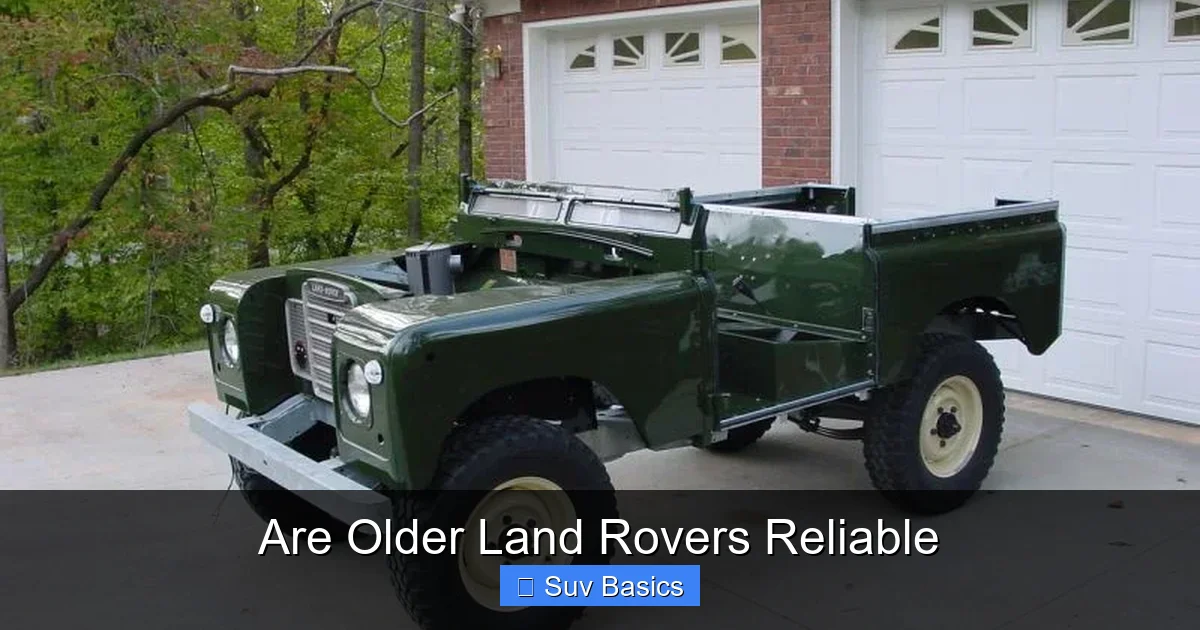
Visual guide about Are Older Land Rovers Reliable
Image source: forum.ih8mud.com
Despite their reputation for being temperamental, older Land Rovers have a loyal following—and for good reason. Their appeal goes beyond nostalgia. These vehicles were built with function over form in mind, and that philosophy still resonates with off-road enthusiasts, farmers, and adventurers.
Simple, Repairable Mechanics
One of the biggest advantages of older Land Rovers is their mechanical simplicity. Unlike modern SUVs packed with sensors, computers, and complex transmissions, classic Landies rely on straightforward systems. The engines—especially the diesel variants—are easy to work on. Many parts are interchangeable across models, and basic tools are often all you need for common repairs.
For example, changing the oil, replacing brake pads, or even rebuilding a carburetor can be done in a home garage with minimal experience. This DIY-friendly nature is a huge draw for hobbyists and those who want to understand how their vehicle works.
Legendary Off-Road Capability
Older Land Rovers were born to go where other vehicles fear to tread. With solid axles, high ground clearance, and selectable four-wheel drive, they dominate muddy trails, rocky paths, and river crossings. The Defender, in particular, is celebrated for its go-anywhere ability. Even today, it’s not uncommon to see a 30-year-old Defender outlasting newer SUVs on extreme terrain.
This capability isn’t just about hardware—it’s about mindset. These vehicles encourage exploration and resilience. For many owners, that’s worth the occasional breakdown.
Timeless Design and Cultural Legacy
Let’s be honest: older Land Rovers look cool. Their utilitarian design has aged gracefully, and they’ve become icons in automotive culture. From safari expeditions to Hollywood films, these vehicles carry a sense of adventure and authenticity. Owning one feels like joining a club—one with a rich history and passionate community.
Common Reliability Issues in Older Land Rovers
While the charm is real, so are the challenges. Understanding the typical problems can help you decide if an older Land Rover is right for you—and how to avoid the worst pitfalls.
Rust: The Silent Killer
Rust is the single biggest threat to older Land Rovers. Many models, especially those built before the late 1990s, used mild steel for chassis and body panels. Without modern rust-proofing, these parts corrode quickly—particularly in wet or salty climates.
Common rust spots include:
– The chassis, especially near suspension mounts and crossmembers
– The bulkhead (the metal panel behind the engine)
– Door bottoms and wheel arches
– Floor pans and sills
A rust-free example is rare and valuable. Always inspect thoroughly before buying. Look for bubbling paint, soft spots, or patched areas. A professional inspection is worth the cost.
Electrical Gremlins
Ah, the infamous “Lucas electrics.” Named after the British manufacturer Lucas Industries, which supplied wiring and components for many older British cars, these systems are notorious for being unreliable. Wiring looms degrade over time, connectors corrode, and switches fail.
Symptoms include:
– Intermittent lights or indicators
– Gauges that don’t work
– Starter motor issues
– Random electrical faults
The good news? Most electrical problems are fixable with patience and a multimeter. Rewiring kits are available, and many owners upgrade to modern relays and fuse boxes for better reliability.
Engine and Drivetrain Wear
Not all older Land Rover engines are created equal. The petrol engines—especially the 2.25L and 3.5L V8s—are known for high fuel consumption and occasional overheating. They can be reliable if well-maintained, but they’re less efficient than modern alternatives.
Diesel engines, particularly the 200Tdi (introduced in 1989) and 300Tdi (1990–1994), are far more popular among reliability-minded buyers. These turbocharged diesels are fuel-efficient, durable, and easier to work on. Many have surpassed 300,000 miles with proper care.
Transmissions and transfer cases are generally robust, but synchros wear out over time, leading to difficult gear changes. Regular fluid changes and gentle shifting help extend their life.
Maintenance: The Key to Longevity
If you’re considering an older Land Rover, be prepared to become best friends with your toolbox. These vehicles reward proactive maintenance—and punish neglect.
Regular Inspections Are Non-Negotiable
Set a schedule for checking:
– Fluid levels (engine oil, coolant, gearbox, transfer case, differentials)
– Brake condition and fluid
– Suspension bushings and shocks
– Steering components
– Exhaust system for rust or leaks
A 10-minute weekly check can prevent major issues down the road.
Use Quality Parts and Fluids
Don’t skimp on oil or filters. Use manufacturer-recommended specifications. For diesels, stick to high-quality diesel oil and change it every 5,000–7,500 miles. Consider using synthetic gear oils in the transfer case and differentials for better protection.
Address Rust Early
If you spot surface rust, sand it down and treat it immediately with rust converter and primer. For structural rust, consult a specialist. Welding in new metal sections may be necessary. Prevention is easier than repair—consider undersealing or rust-proofing treatments.
Join the Community
One of the best things about owning an older Land Rover is the support network. Online forums like Land Rover Owner (LRO), Overland Gateway, and Facebook groups are full of experienced owners who share tips, diagrams, and troubleshooting advice. Many also sell used parts or offer restoration services.
Are Older Land Rovers Good Daily Drivers?
This is where things get tricky. While some people drive their Defenders or Series models every day, it’s not for everyone.
Pros of Daily Use
– Unmatched visibility and commanding driving position
– Fun, engaging driving experience (especially off-road)
– Lower purchase price compared to new SUVs
– High resale value if well-maintained
Cons of Daily Use
– Poor fuel economy (especially petrol models)
– Noisy cabin and minimal insulation
– Limited safety features (no airbags, ABS, or stability control on older models)
– Frequent maintenance needs
If you live in a rural area, enjoy weekend adventures, or don’t mind a little inconvenience, an older Land Rover can be a rewarding daily driver. But if you need a quiet, comfortable, and hassle-free commute, you might want to look elsewhere.
Tips for Buying a Reliable Older Land Rover
If you’re ready to take the plunge, here’s how to find a solid example:
Know What to Look For
– Prefer diesel engines (200Tdi or 300Tdi) for better reliability and fuel economy
– Avoid heavily modified vehicles unless you trust the builder
– Check service history—consistent maintenance is a good sign
– Test drive in all conditions: cold start, highway speeds, off-road if possible
Get a Pre-Purchase Inspection
Have a specialist mechanic—ideally one familiar with Land Rovers—inspect the vehicle. They’ll check for hidden rust, engine compression, gearbox health, and electrical issues.
Budget for Repairs
Even the best-used Land Rover will need work. Set aside 10–20% of the purchase price for immediate repairs or upgrades. Common first-year expenses include new tires, brake work, and electrical fixes.
Conclusion: Reliability Is Earned, Not Guaranteed
So, are older Land Rovers reliable? The answer isn’t black and white. These vehicles are not inherently unreliable—but they do demand respect, attention, and a willingness to get your hands dirty. With proper care, many older Land Rovers run strong for decades. But without it, even the most iconic model can become a money pit.
If you’re drawn to the rugged charm, off-road prowess, and mechanical simplicity of a classic Land Rover, go for it—but go in with your eyes open. Understand the common issues, commit to regular maintenance, and embrace the community. For the right owner, an older Land Rover isn’t just a vehicle—it’s a lifestyle.
Frequently Asked Questions
Are older Land Rovers expensive to maintain?
Yes, maintenance costs can be higher than average due to the need for specialist knowledge and parts. However, many repairs can be done DIY, which helps offset labor costs. Budgeting for regular upkeep is essential.
Which older Land Rover model is the most reliable?
The Defender with the 200Tdi or 300Tdi diesel engine is widely regarded as the most reliable older model. These engines are simple, durable, and fuel-efficient, making them favorites among enthusiasts.
Can I drive an older Land Rover in winter?
Yes, but rust and cold-weather starting can be challenges. Diesels may need glow plug maintenance, and rust-prone areas should be checked regularly. Use winter-grade oil and consider block heaters in very cold climates.
Do older Land Rovers have good resale value?
Well-maintained examples, especially Defenders and Series models, hold their value well and often appreciate. Rust-free, low-mileage vehicles are particularly sought after by collectors and off-roaders.
Are older Land Rovers safe?
Not by modern standards. Most lack airbags, ABS, and electronic stability control. They perform poorly in crash tests. They’re best suited for low-speed, off-road, or rural use rather than high-speed highway driving.
Can I convert an older Land Rover to electric?
Yes, electric conversions are becoming more popular. Companies like Electric Classic Cars and independent builders offer kits and services. It’s a costly but eco-friendly way to preserve these iconic vehicles.