
McLaren cars are engineering marvels built for speed and precision, but their reliability has been a topic of debate among enthusiasts and critics alike. While they deliver thrilling performance, some models have faced electrical and mechanical challenges that affect long-term dependability.
Key Takeaways
- McLaren reliability varies by model: Older models like the 12C had more reported issues, while newer ones like the 720S and Artura show improved build quality and dependability.
- Electrical glitches are common: Many owners report problems with infotainment systems, sensors, and software, often requiring dealer updates or replacements.
- Maintenance costs are high: Regular servicing at authorized centers is essential and expensive, impacting overall ownership cost and reliability perception.
- Track use increases wear: Frequent high-speed driving accelerates component fatigue, leading to more frequent repairs and reduced longevity.
- Warranty and support matter: McLaren’s warranty and service plans can significantly influence real-world reliability and peace of mind.
- Owner satisfaction is mixed: While driving experience is praised, long-term reliability concerns keep some buyers cautious.
- Hybrid models show promise: The Artura’s hybrid system introduces new tech but also early-adopter risks that may affect reliability over time.
📑 Table of Contents
- Are McLaren Reliable? A Deep Dive into Performance and Dependability
- McLaren Reliability by Model: From 12C to Artura
- Common Reliability Issues in McLaren Cars
- Maintenance and Ownership Costs: The Hidden Factor in Reliability
- Owner Experiences: What Real McLaren Drivers Say
- Tips for Improving McLaren Reliability
- Conclusion: Are McLaren Reliable?
Are McLaren Reliable? A Deep Dive into Performance and Dependability
When you think of McLaren, images of roaring engines, sleek carbon-fiber bodies, and Formula 1 heritage likely come to mind. These British supercars are designed to push the limits of speed, handling, and innovation. But behind the glamour and adrenaline, a critical question lingers: Are McLaren reliable?
Reliability isn’t just about whether a car starts in the morning—it’s about how consistently it performs over time, how often it needs repairs, and whether it can handle daily driving or frequent track days without constant issues. For a brand that prides itself on cutting-edge engineering, McLaren’s track record on reliability has been a mixed bag. While they deliver an unmatched driving experience, some owners have faced frustrating mechanical and electrical problems that raise eyebrows.
In this article, we’ll explore what makes McLaren both impressive and problematic when it comes to long-term dependability. Whether you’re considering buying a used 650S or dreaming of a brand-new Artura, understanding McLaren reliability is essential to making an informed decision.
McLaren Reliability by Model: From 12C to Artura
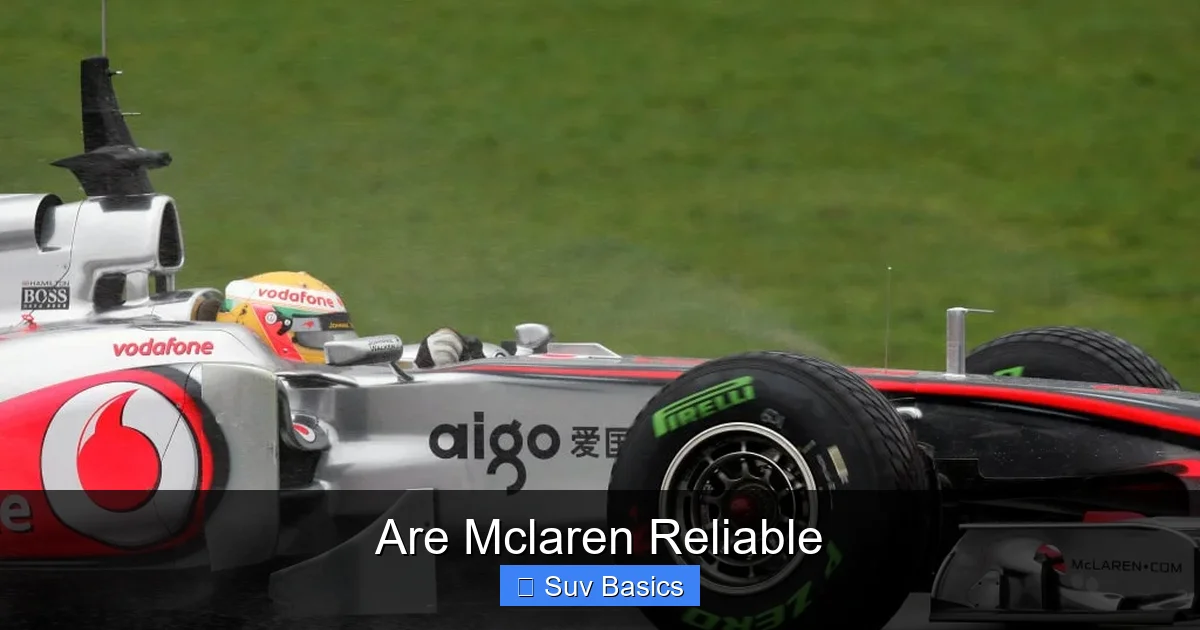
Visual guide about Are Mclaren Reliable
Image source: s1.cdn.autoevolution.com
Not all McLarens are created equal when it comes to reliability. The brand has evolved significantly since its road car debut with the MP4-12C in 2011. Early models were ambitious but suffered from growing pains, while newer vehicles benefit from improved engineering and manufacturing processes.
The MP4-12C and 650S: Pioneers with Problems
The MP4-12C was McLaren’s first modern road car, and while it was a technological leap, it wasn’t without flaws. Owners frequently reported issues with the dual-clutch transmission, which could be jerky in low-speed driving. Electrical gremlins were also common—things like faulty door sensors, malfunctioning infotainment screens, and glitchy climate control systems.
The 650S, which followed the 12C, shared many components but introduced refinements. Still, it inherited some of the same reliability concerns. According to forums and owner reviews, problems with the IRIS infotainment system—slow response times, freezing, or complete failure—were widespread. These issues weren’t dangerous, but they were annoying and often required dealer visits for software updates or hardware replacements.
The 720S: A Major Step Forward
The 720S, launched in 2017, marked a turning point for McLaren reliability. Built on a new Monocage II carbon-fiber chassis, it was lighter, stiffer, and more refined. Owners and reviewers noted fewer electrical issues and improved build quality. The infotainment system was upgraded, and the overall driving experience felt more polished.
That said, the 720S isn’t immune to problems. Some owners have reported turbocharger failures, fuel pump issues, and occasional suspension faults—especially in cars driven hard on tracks. However, these cases are less frequent than in earlier models, and McLaren’s service network has become more responsive over time.
The Artura: Hybrid Innovation with New Risks
The Artura, McLaren’s first series-production hybrid supercar, represents the brand’s future. It combines a twin-turbo V6 engine with an electric motor for improved efficiency and performance. While the technology is impressive, being a first-generation hybrid model means there are unknowns.
Early adopters have reported minor software bugs and occasional charging issues with the hybrid system. However, McLaren has been proactive with over-the-air updates and dealer support. Time will tell if the Artura achieves the reliability levels of more established models, but initial signs are cautiously optimistic.
Common Reliability Issues in McLaren Cars
Even the most advanced cars have weaknesses, and McLaren is no exception. While they’re built to perform, certain systems are more prone to failure than others. Understanding these common issues can help you spot potential problems early.
Electrical and Software Glitches
Electrical problems are the most frequently reported issue across McLaren models. The IRIS infotainment system, in particular, has been a headache for many owners. Symptoms include slow boot times, unresponsive touchscreens, and random reboots. In some cases, the system fails entirely, requiring a replacement.
Other electrical issues involve parking sensors, key fob recognition, and even instrument cluster malfunctions. These problems are often software-related and can sometimes be fixed with updates. However, if the hardware is faulty, repairs can be costly and time-consuming.
Transmission and Drivetrain Concerns
McLaren uses advanced dual-clutch transmissions (DCTs) to deliver lightning-fast gear changes. While impressive on the track, these systems can be finicky in everyday driving. Some owners of the 12C and 650S report jerky shifts at low speeds, especially in stop-and-go traffic.
In rare cases, the DCT has failed entirely, leading to expensive repairs. McLaren has issued technical service bulletins (TSBs) for certain transmission issues, but not all problems are covered under warranty—especially in older or high-mileage vehicles.
Suspension and Brake Wear
McLaren’s suspension systems are tuned for performance, which means they’re stiff and sensitive. While this delivers razor-sharp handling, it also means components wear out faster, especially if the car is driven aggressively.
Owners who frequently take their McLarens to the track often report premature wear on suspension bushings, dampers, and brake components. Carbon-ceramic brakes, while excellent for performance, are expensive to replace—often costing thousands of dollars per axle.
Cooling and Engine Management
High-performance engines generate a lot of heat, and McLaren’s compact packaging can make cooling a challenge. Some owners have reported overheating issues, particularly in hot climates or during extended track sessions.
Additionally, the engine management system can be overly sensitive. Faulty sensors or software bugs may trigger warning lights or limp mode, even when there’s no serious problem. These issues are usually resolved with diagnostics and updates, but they can be frustrating.
Maintenance and Ownership Costs: The Hidden Factor in Reliability
Reliability isn’t just about how often a car breaks down—it’s also about how much it costs to keep it running. McLaren ownership comes with a steep price tag, not just at purchase, but over time.
Service and Repairs: Expect to Pay a Premium
McLaren recommends servicing at authorized dealers, and for good reason. These cars are complex, and improper maintenance can lead to bigger problems. However, dealer service is expensive. A routine oil change can cost $500 or more, and major services easily exceed $2,000.
Parts are also costly. A replacement door handle might run $1,500, and a new infotainment screen can cost over $3,000. Labor rates at McLaren centers are high, and wait times for parts can be long, especially for older models.
Warranty and Extended Coverage
McLaren offers a three-year/unlimited-mileage warranty on new cars, which is generous compared to some competitors. However, once the warranty expires, owners are on their own—unless they purchase an extended service plan.
These plans can cost several thousand dollars but provide peace of mind. They cover routine maintenance, software updates, and even some wear items. For buyers concerned about McLaren reliability, an extended warranty is often worth the investment.
DIY vs. Professional Maintenance
Some owners attempt DIY maintenance to save money, but this is risky. McLaren’s systems are highly specialized, and even simple tasks like oil changes require specific tools and procedures. Using the wrong oil or over-tightening a bolt can cause serious damage.
Moreover, tampering with the car can void the warranty or affect resale value. For most owners, sticking with authorized service is the safest—and most reliable—option.
Owner Experiences: What Real McLaren Drivers Say
To understand McLaren reliability, it helps to hear from those who live with these cars every day. Online forums, owner groups, and review sites offer a wealth of firsthand experiences.
Many owners praise the driving dynamics, build quality, and emotional thrill of owning a McLaren. The acceleration, steering feel, and sound are often described as addictive. However, the consensus is clear: reliability is a concern, especially in the first few years.
One 720S owner shared that their car spent more time in the shop during the first year than on the road, mostly due to electrical issues. Another praised the Artura’s hybrid system but noted occasional charging errors that required dealer intervention.
On the positive side, owners who follow the maintenance schedule and avoid excessive track use report fewer problems. Regular software updates and proactive dealer support also improve the ownership experience.
Tips for Improving McLaren Reliability
If you’re set on owning a McLaren, there are steps you can take to maximize reliability and minimize headaches.
Buy from a Reputable Dealer or Private Seller
Always have a pre-purchase inspection (PPI) done by a qualified technician familiar with McLarens. Check service history, mileage, and any signs of track use. A well-maintained car with low mileage is more likely to be reliable.
Follow the Maintenance Schedule
Don’t skip services. Use only approved fluids and parts. Keep software up to date—McLaren often releases updates that fix known bugs.
Drive Responsibly (When It Counts)
While McLarens are built for speed, frequent track days accelerate wear. If you plan to track your car, budget for additional maintenance and consider a dedicated track car instead.
Invest in an Extended Warranty
For peace of mind, especially with older or high-mileage models, an extended warranty can save you from unexpected repair bills.
Conclusion: Are McLaren Reliable?
So, are McLaren reliable? The answer isn’t black and white. These cars are engineering masterpieces that deliver an exhilarating driving experience, but they come with trade-offs. Early models had notable reliability issues, particularly with electronics and transmissions. Newer cars like the 720S and Artura show significant improvement, but they’re not immune to problems.
Reliability also depends on how you use and maintain the car. A well-cared-for McLaren can provide years of thrilling driving, while a neglected one may become a money pit. High maintenance costs and the need for specialized service add to the complexity of ownership.
Ultimately, if you’re drawn to McLaren for the performance, design, and prestige, you’ll likely accept some reliability compromises. But if you need a dependable daily driver or low-cost ownership, a McLaren may not be the best choice.
For the right buyer—one who values passion over practicality—McLaren offers a unique and unforgettable experience. Just go in with your eyes open, and you’ll be ready for the ride.
Frequently Asked Questions
Are McLaren cars reliable for daily driving?
McLaren cars can be used for daily driving, but they’re not ideal for everyone. Their stiff suspension, low ground clearance, and frequent maintenance needs make them less practical than luxury sedans or SUVs. Reliability issues, especially with electronics, can also disrupt daily use.
Which McLaren model is the most reliable?
The 720S is widely considered the most reliable McLaren model to date. It benefits from improved build quality, better software, and a more refined design compared to earlier models like the 12C and 650S.
Do McLaren cars break down often?
McLaren cars don’t break down frequently in the traditional sense, but they do experience more electrical and software issues than average cars. These problems often require dealer visits but rarely leave you stranded.
How much does it cost to maintain a McLaren?
Maintenance costs are high. Routine services start around $500, and major repairs can exceed $10,000. Parts and labor at authorized centers are expensive, and DIY repairs are not recommended.
Can I drive a McLaren on the track?
Yes, but track use increases wear and tear. Components like brakes, tires, and suspension degrade faster. Regular maintenance and inspections are essential to keep the car reliable after track days.
Is the McLaren Artura reliable?
The Artura is too new to have a long reliability track record, but early reports suggest it’s more dependable than older models. However, as a first-generation hybrid, it may have teething issues that emerge over time.