
Land Rovers offer luxury and off-road capability but have mixed reliability ratings. While newer models show improvement, regular maintenance is key to avoiding costly repairs and ensuring long-term dependability.
Key Takeaways
- Land Rover reliability varies by model and year: Newer models like the Range Rover Velar and Evoque have shown better reliability than older ones.
- Electrical and engine issues are common: Problems with infotainment systems, sensors, and turbocharged engines appear in consumer reports.
- Regular maintenance is critical: Following the service schedule and using genuine parts can prevent many common problems.
- Off-road use increases wear and tear: Frequent off-roading demands more frequent inspections of suspension, drivetrain, and underbody components.
- Extended warranties are worth considering: Given higher repair costs, a protection plan can save money in the long run.
- Owner satisfaction remains high despite issues: Many drivers love the driving experience, design, and brand prestige enough to overlook reliability concerns.
- Reliability is improving: Recent JD Power and Consumer Reports data show steady gains in dependability for newer Land Rover models.
📑 Table of Contents
Are Land Rovers Reliable? The Honest Truth
If you’re considering a Land Rover, you’re probably drawn to its bold design, legendary off-road prowess, and luxurious interiors. But behind the sleek grille and leather-trimmed seats lies a question many buyers can’t ignore: Are Land Rovers reliable?
The short answer? It depends. Land Rovers are not known for bulletproof reliability like some Japanese or German rivals, but they’re not the mechanical nightmares some critics make them out to be either. Over the past decade, the brand has made significant strides in improving build quality and dependability. Still, owning a Land Rover requires a different mindset—one that values performance and prestige but also accepts the need for diligent care.
Unlike a Toyota RAV4 or Honda CR-V, which are built for low maintenance and long-term reliability, Land Rovers are engineered for adventure and refinement. That means more complex systems, advanced electronics, and high-performance components—all of which can be more prone to issues if not properly maintained. But with the right approach, many Land Rover owners enjoy years of trouble-free driving.
Understanding Land Rover Reliability Ratings
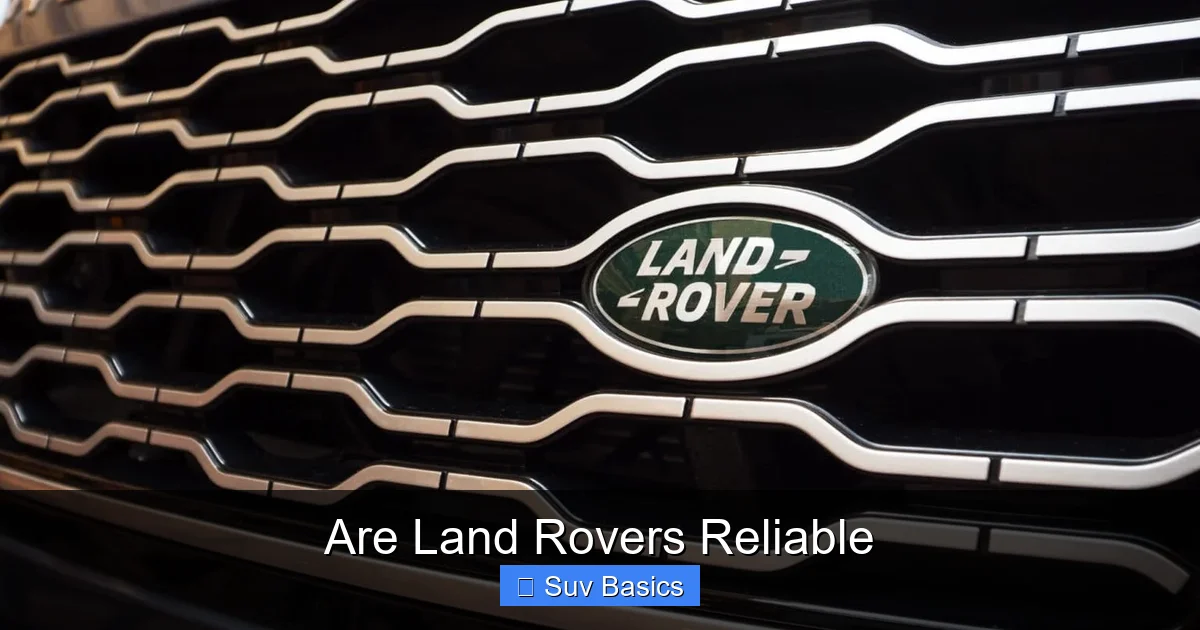
Visual guide about Are Land Rovers Reliable
Image source: thenewswheel.com
When it comes to reliability, data from trusted sources like Consumer Reports, J.D. Power, and RepairPal paint a nuanced picture. Historically, Land Rover has ranked below average in reliability surveys. For example, in the 2023 J.D. Power Vehicle Dependability Study, Land Rover placed near the bottom among all automotive brands.
However, recent models are showing improvement. The 2022 and 2023 Range Rover Sport and Range Rover Velar have received better scores, with fewer reported problems related to engine, transmission, and in-car electronics. Consumer Reports now gives some newer models a “fair” or “good” reliability rating, a notable upgrade from past years.
One reason for the shift is Jaguar Land Rover’s (JLR) investment in new platforms, such as the MLA (Modular Longitudinal Architecture), which underpins newer models. This platform supports hybrid and electric powertrains and is designed for greater durability and efficiency.
Still, it’s important to note that reliability can vary widely between models and model years. For instance, the 2010–2015 Range Rover Evoque had a high rate of transmission and electrical issues, while the 2020+ version has been much more dependable.
Common Land Rover Reliability Issues
No vehicle is perfect, and Land Rovers have their share of recurring problems. Knowing what to watch for can help you make an informed decision—and avoid costly surprises.
Electrical and Infotainment Glitches
One of the most frequently reported issues involves the infotainment system. The touchscreen may freeze, reboot randomly, or fail to respond to touch inputs. Some owners also report problems with Bluetooth connectivity, navigation errors, and malfunctioning climate controls.
These issues are often tied to software bugs rather than hardware failure. In many cases, a dealership can resolve them with a software update. However, if the system is outdated or unsupported, repairs may require replacing the entire unit—a costly fix.
Engine and Turbocharger Concerns
Land Rovers often use turbocharged 4-cylinder and V6 engines to balance power and fuel efficiency. While these engines deliver strong performance, they can be sensitive to poor maintenance.
Low oil levels, infrequent oil changes, or using the wrong oil type can lead to premature turbo wear or engine damage. Some owners of older models (especially those with the 2.0L Ingenium engine) have reported timing chain issues and excessive oil consumption.
To avoid these problems, always use the manufacturer-recommended synthetic oil and change it every 7,500 to 10,000 miles—or sooner if you drive in harsh conditions.
Suspension and Air Ride Problems
Many Land Rovers come equipped with air suspension systems that provide a smooth, adjustable ride. While impressive when working properly, these systems are complex and expensive to repair.
Common issues include air springs that leak, compressors that fail, or sensors that misread ride height. A failing air suspension can cause the vehicle to sag on one side or ride uncomfortably low.
If you notice your Land Rover sitting unevenly or hearing the compressor run constantly, have it inspected immediately. Replacing air springs can cost $1,000 or more per corner, so early detection is crucial.
Transmission and Drivetrain Wear
The 8-speed automatic transmission used in most modern Land Rovers is generally reliable, but it’s not immune to problems. Some owners report rough shifting, delayed engagement, or transmission shudder—especially in colder weather.
Regular transmission fluid changes (every 60,000 to 100,000 miles) can help prevent these issues. Also, avoid towing beyond the vehicle’s rated capacity, as excessive strain can damage the transmission and transfer case.
Factors That Affect Land Rover Reliability
Reliability isn’t just about the car—it’s also about how you use and maintain it. Several factors can influence how long your Land Rover lasts and how often it needs repairs.
Driving Conditions Matter
Land Rovers are built for off-road adventures, but frequent use on rough terrain accelerates wear on suspension, brakes, and underbody components. Mud, water, and rocks can damage sensors, seals, and wiring.
If you plan to take your Land Rover off the beaten path, invest in skid plates, all-terrain tires, and regular undercarriage inspections. Cleaning the vehicle after off-road trips helps prevent corrosion and sensor damage.
Maintenance Is Non-Negotiable
One of the biggest reasons Land Rovers develop problems is neglect. These vehicles require consistent, high-quality maintenance. Skipping oil changes, ignoring warning lights, or using aftermarket parts can lead to bigger issues down the road.
Always follow the manufacturer’s maintenance schedule, which includes services like brake fluid flushes, coolant replacements, and differential oil changes. Using genuine Land Rover parts ensures compatibility and longevity.
Model Year and Trim Level
Not all Land Rovers are created equal. Newer models (2020 and later) tend to be more reliable than older ones. Additionally, higher trim levels often come with more electronics and features, which can increase the risk of glitches.
If reliability is your top priority, consider a certified pre-owned (CPO) model from the last three to five years. CPO vehicles come with extended warranties and have been inspected for major issues.
Tips to Improve Your Land Rover’s Reliability
Owning a Land Rover doesn’t have to mean constant trips to the repair shop. With the right habits, you can maximize reliability and minimize headaches.
Stick to the Service Schedule
Your owner’s manual isn’t just for show—it’s your roadmap to reliability. Follow every recommended service interval, from oil changes to brake inspections. Set reminders on your phone or use a maintenance app to stay on track.
Use Quality Fluids and Parts
Cheap oil, filters, and brake fluid may save you money upfront, but they can damage your engine and braking system over time. Always use Land Rover-approved fluids and genuine or OEM (original equipment manufacturer) parts.
Address Warning Lights Immediately
That little check engine light or suspension warning isn’t just a suggestion—it’s a cry for help. Ignoring warning lights can turn a minor issue into a major repair. Have your vehicle scanned at a dealership or trusted mechanic as soon as a light appears.
Consider an Extended Warranty
Land Rover repairs can be expensive, especially for electrical and suspension systems. An extended warranty or vehicle service contract can cover major repairs after the factory warranty expires. Many owners find the peace of mind worth the cost.
Join a Land Rover Owner Community
Online forums like Land Rover Forums or Reddit’s r/LandRover are goldmines of real-world advice. Other owners can share tips on common problems, reliable mechanics, and software updates. Learning from others’ experiences can save you time and money.
Owner Satisfaction vs. Reliability
Here’s the paradox: even with reliability concerns, Land Rover consistently ranks high in owner satisfaction surveys. Why? Because driving a Land Rover is an experience.
Owners praise the smooth ride, commanding driving position, and ability to tackle any terrain. The interior luxury—real wood, soft leather, and advanced tech—makes every journey feel special. For many, the emotional connection to the brand outweighs the occasional repair bill.
In fact, some owners say they’d buy another Land Rover despite the issues. As one Range Rover Sport owner put it, “It’s not the most reliable car I’ve owned, but it’s the most fun. I’ll take a little extra maintenance for that kind of joy.”
The Bottom Line: Should You Buy a Land Rover?
So, are Land Rovers reliable? The answer isn’t black and white. They’re not the most reliable SUVs on the market, but they’re not inherently flawed either. With proper care, many Land Rovers can provide years of dependable service.
If you’re willing to stay on top of maintenance, invest in quality repairs, and possibly carry an extended warranty, a Land Rover can be a rewarding ownership experience. But if you’re looking for a “set it and forget it” vehicle with minimal upkeep, you might be better off with a Toyota, Honda, or Subaru.
Ultimately, reliability is just one factor in the decision. Consider your driving needs, budget for maintenance, and how much you value luxury and capability. For the right owner, a Land Rover isn’t just a car—it’s a statement.
Frequently Asked Questions
Are Land Rovers expensive to maintain?
Yes, Land Rovers are generally more expensive to maintain than mainstream SUVs. Repairs, parts, and labor costs are higher due to the brand’s luxury positioning and complex systems. Budgeting $1,000–$1,500 annually for maintenance is wise.
Do Land Rovers have a lot of electrical problems?
Some models, especially older ones, are prone to electrical and infotainment issues. However, newer Land Rovers have improved software and hardware, reducing the frequency of these problems.
How long do Land Rovers typically last?
With proper maintenance, a Land Rover can last 150,000 to 200,000 miles or more. Many owners report reaching 200,000 miles with regular servicing and timely repairs.
Is it worth buying a used Land Rover?
Yes, if you choose a well-maintained, late-model example and consider a certified pre-owned (CPO) option. Avoid high-mileage or poorly serviced vehicles to reduce reliability risks.
Which Land Rover model is the most reliable?
The Range Rover Velar and newer Range Rover Sport (2020+) have shown better reliability in recent years. The Defender also scores well for durability, especially in off-road conditions.
Can I drive a Land Rover in harsh weather?
Absolutely. Land Rovers are designed for all conditions, including snow, mud, and rough terrain. Just ensure the vehicle is properly equipped and maintained for extreme environments.