
The Honda HR-V is widely regarded as one of the most reliable compact SUVs on the market. With strong build quality, low maintenance costs, and consistent performance, it’s a top pick for drivers seeking long-term dependability.
When you’re in the market for a compact SUV, reliability is often at the top of your list. You want a vehicle that won’t leave you stranded, won’t drain your wallet with constant repairs, and will still feel solid after years of use. That’s exactly why so many drivers turn to the Honda HR-V. But are Honda HR-V reliable? The short answer is yes—very. But let’s dig deeper into what makes this little SUV a standout in the crowded compact crossover segment.
The Honda HR-V has been a consistent performer since its reintroduction in 2016 (after a brief hiatus in the early 2000s). Designed to blend the practicality of an SUV with the fuel efficiency and ease of driving of a hatchback, the HR-V quickly won over urban commuters, small families, and weekend adventurers alike. But beyond its stylish design and clever interior features, it’s the HR-V’s long-term dependability that truly sets it apart. Whether you’re buying new or used, understanding its reliability can help you make a confident, informed decision.
Key Takeaways
- High Reliability Ratings: The Honda HR-V consistently earns top marks from J.D. Power, Consumer Reports, and other automotive reliability studies.
- Proven Engine and Transmission: Powered by a dependable 1.8L or 2.0L 4-cylinder engine with a smooth CVT, the HR-V delivers steady performance with minimal issues.
- Low Cost of Ownership: Routine maintenance is affordable, and major repairs are rare, making it budget-friendly over time.
- Strong Resale Value: Thanks to its reputation for reliability, the HR-V holds its value better than many competitors.
- Safety and Durability: With high safety ratings and solid construction, the HR-V is built to last through years of daily driving.
- Owner Satisfaction: Long-term owners frequently praise the HR-V for its practicality, comfort, and trouble-free operation.
- Minor Recalls and Issues: While not immune to recalls, most are minor and quickly addressed by Honda’s service network.
📑 Table of Contents
What Makes a Car Reliable?
Before we dive into the HR-V’s track record, let’s clarify what “reliability” actually means. In the automotive world, reliability refers to how well a vehicle performs over time with minimal mechanical failures, breakdowns, or unexpected repairs. It’s not just about avoiding the dreaded check engine light—it’s about consistency, durability, and peace of mind.
Key Factors in Vehicle Reliability
- Engine and Transmission Performance: A reliable powertrain is the heart of any dependable vehicle. Frequent stalling, rough shifting, or oil leaks are red flags.
- Electrical Systems: Modern cars rely heavily on electronics. Issues with infotainment, sensors, or wiring can be frustrating and costly.
- Suspension and Brakes: These components wear over time, but premature failure suggests poor design or materials.
- Build Quality: Solid construction, rust resistance, and attention to detail in manufacturing contribute to long-term durability.
- Owner Maintenance Habits: Even the most reliable car can fail if neglected. Regular oil changes, tire rotations, and inspections are essential.
With these factors in mind, the Honda HR-V scores well across the board—especially when compared to rivals like the Nissan Kicks, Hyundai Kona, or Toyota C-HR.
Honda HR-V Reliability Ratings and Reviews
One of the best ways to gauge a vehicle’s reliability is by looking at independent studies and owner feedback. The Honda HR-V consistently ranks among the top compact SUVs in reliability surveys.
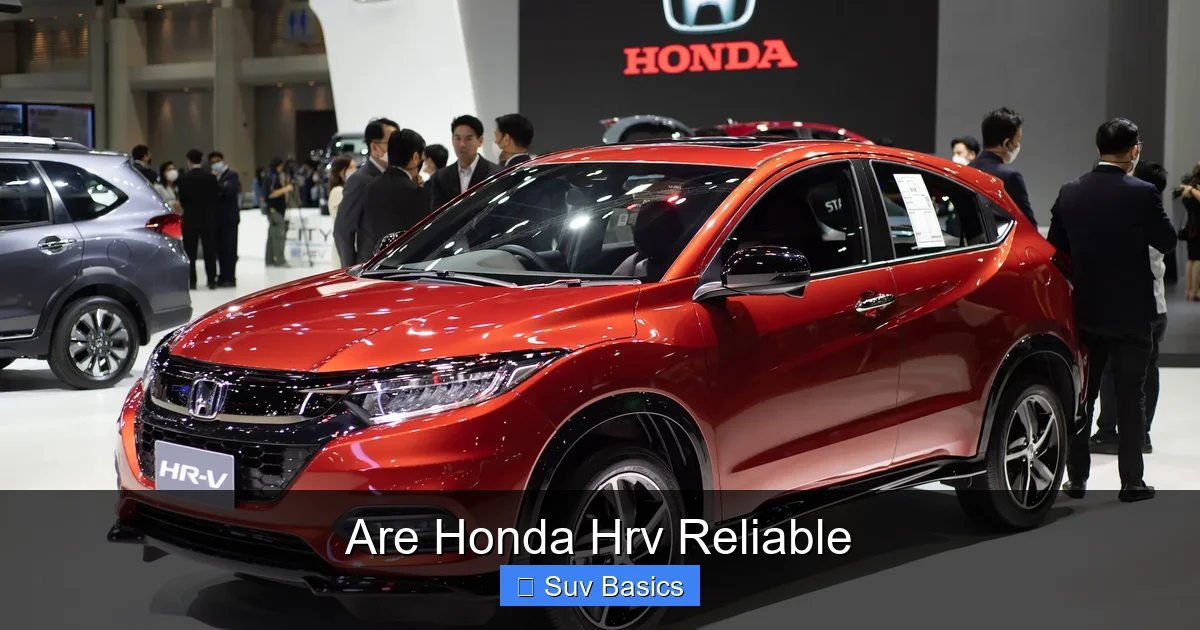
Visual guide about Are Honda Hrv Reliable
Image source: motorbiscuit.com
J.D. Power and Consumer Reports
J.D. Power’s Vehicle Dependability Study (VDS), which tracks problems experienced by original owners of three-year-old vehicles, has frequently placed the HR-V in the upper tier. In recent years, it’s earned scores well above the industry average, particularly in categories like engine/transmission and climate system performance.
Consumer Reports, another trusted source, gives the HR-V high marks for predicted reliability. Their data shows fewer reported issues than many competitors, especially in the 2019–2023 model years. Owners report satisfaction with everything from fuel economy to ride comfort—and notably, few major mechanical problems.
Real-World Owner Experiences
Online forums like Reddit, Edmunds, and Honda-specific communities are filled with HR-V owners sharing their long-term experiences. A common theme? “I’ve put 100,000 miles on it and only changed the oil and tires.” Many drivers report driving their HR-Vs well beyond 150,000 miles with only routine maintenance.
One owner from Colorado shared, “I drive my 2017 HR-V in snowy mountain roads every winter. It’s never left me stranded. The AWD system works great, and I’ve only had to replace the battery once.” Stories like this are common, reinforcing the HR-V’s reputation for toughness and consistency.
Engine and Transmission Performance
The powertrain is where many compact SUVs falter—but not the HR-V. Depending on the model year, it comes equipped with either a 1.8-liter or a 2.0-liter 4-cylinder engine, paired with a continuously variable transmission (CVT).
1.8L Engine (2016–2022 Models)
The 1.8L engine delivers 141 horsepower, which may not sound thrilling, but it’s more than adequate for city driving and highway merging. More importantly, it’s known for its smoothness and longevity. Honda has used variations of this engine for decades, refining it to near perfection. Owners report excellent fuel economy—typically 28–34 mpg combined—and minimal engine-related issues.
2.0L Engine (2023 and Newer)
The newer 2.0L engine bumps output to 158 horsepower, offering a bit more pep without sacrificing efficiency. Early reviews suggest it maintains the same reliability standards as its predecessor. Honda also improved the CVT tuning for better responsiveness, reducing the “rubber band” feeling some drivers dislike.
CVT Reliability
CVTs have gotten a bad rap in the past, but Honda’s implementation is among the best in the industry. The HR-V’s CVT is designed for durability, with regular software updates and robust cooling systems. As long as you follow the maintenance schedule—especially CVT fluid changes every 30,000–60,000 miles—it should last the life of the vehicle.
Common Issues and Recalls
No car is perfect, and the HR-V is no exception. However, its list of common problems is short—and most are minor.
Reported Issues
- Infotainment Glitches: Some owners report occasional freezing or slow response in the touchscreen system, especially in older models. A software update usually fixes this.
- Paint Chipping: The HR-V’s paint can be prone to chipping on the hood and front bumper, particularly in colder climates with road salt. Regular waxing helps.
- CVT Shudder (Rare): A small number of early-model HR-Vs experienced a slight shudder during acceleration. Honda issued technical service bulletins and extended warranties to address it.
Recalls
The HR-V has had a few recalls, but none are major safety threats. Examples include:
- A 2019 recall for potential fuel pump failure (affecting certain 1.8L engines).
- A 2021 recall for a software issue that could disable the backup camera.
- A 2023 recall for a possible seat belt pretensioner defect.
All recalls were promptly addressed by Honda dealers, often free of charge. The brand’s strong service network ensures quick repairs, minimizing downtime.
Maintenance and Long-Term Costs
One of the biggest advantages of the HR-V is its low cost of ownership. Routine maintenance is straightforward and affordable, and major repairs are uncommon.
Routine Maintenance Schedule
- Oil Changes: Every 7,500 miles (or annually) with synthetic oil.
- Tire Rotations: Every 7,500 miles to ensure even wear.
- Brake Inspections: Every 15,000 miles; pads typically last 40,000–60,000 miles.
- CVT Fluid Change: Every 30,000–60,000 miles (check owner’s manual).
- Air Filter Replacement: Every 15,000–30,000 miles.
Long-Term Savings
According to RepairPal, the average annual repair cost for a Honda HR-V is around $400—well below the $650 average for compact SUVs. This includes both scheduled maintenance and unexpected repairs. Insurance and fuel costs are also reasonable, especially with the HR-V’s excellent fuel economy.
Plus, because the HR-V is so reliable, you’re less likely to face costly roadside assistance calls or rental car expenses. That peace of mind is priceless.
Resale Value and Owner Satisfaction
Reliability doesn’t just save you money on repairs—it also helps your car retain value over time. The Honda HR-V consistently ranks among the top compact SUVs for resale value, according to Kelley Blue Book and Edmunds.
Why It Holds Value
- Strong brand reputation for reliability.
- High demand in the used car market.
- Low depreciation rate compared to competitors.
Owners also report high satisfaction. In a 2023 Edmunds survey, the HR-V scored 4.5 out of 5 stars for overall satisfaction, with particular praise for its interior space, fuel economy, and driving dynamics. Many owners say they’d buy another HR-V—a strong endorsement of its long-term reliability.
Conclusion: Is the Honda HR-V Right for You?
So, are Honda HR-V reliable? The evidence is clear: yes, they are. With strong reliability ratings, a proven powertrain, low maintenance costs, and high owner satisfaction, the HR-V stands out as one of the most dependable compact SUVs you can buy.
Whether you’re a first-time car buyer, a growing family, or someone who just wants a hassle-free daily driver, the HR-V delivers. It’s not the flashiest or fastest SUV in its class, but it excels where it matters most—consistency, durability, and value. If you prioritize reliability above all else, the Honda HR-V deserves a top spot on your test drive list.
Frequently Asked Questions
How long do Honda HR-Vs typically last?
With proper maintenance, a Honda HR-V can easily last 150,000 to 200,000 miles or more. Many owners report driving their HR-Vs well beyond 100,000 miles with only routine servicing.
Are there any common mechanical problems with the HR-V?
Common issues are minor and include occasional infotainment glitches, paint chipping, and rare CVT shudder. Most are easily fixed and don’t affect long-term reliability.
Is the Honda HR-V expensive to maintain?
No, the HR-V is one of the most affordable compact SUVs to maintain. Annual repair costs average around $400, and routine services are simple and inexpensive.
Does the HR-V have a good safety record?
Yes, the HR-V earns top safety ratings from the IIHS and NHTSA, especially in newer models. It comes standard with Honda Sensing, a suite of advanced driver-assistance features.
Is the HR-V reliable in cold weather?
Absolutely. The HR-V performs well in snow and ice, especially with available all-wheel drive. Owners in northern climates report reliable cold-weather starting and handling.
Should I buy a used Honda HR-V?
Yes, a used HR-V is a smart choice. Look for models from 2019 or newer for the best reliability and updated features. Always check maintenance records and get a pre-purchase inspection.