
The Ford Focus ST is generally reliable when properly maintained, offering strong performance and daily usability. While it has some known mechanical quirks, many owners enjoy years of trouble-free driving with routine care.
If you’re in the market for a sporty, practical hatchback that delivers thrills without sacrificing everyday usability, the Ford Focus ST might have caught your eye. Known for its punchy turbocharged engine, sharp handling, and aggressive styling, the Focus ST stands out in a crowded segment. But beyond the excitement, one question looms large for potential buyers: Are Ford Focus ST reliable?
Reliability is a make-or-break factor when choosing any car, especially a performance-oriented model that may face extra stress from spirited driving. The good news? The Ford Focus ST has earned a reputation for being more dependable than many expect—especially if you treat it right. While it’s not perfect, and no car is, the Focus ST offers a compelling blend of performance and practicality that has won over thousands of drivers since its debut.
In this guide, we’ll dive deep into the real-world reliability of the Ford Focus ST, covering everything from engine performance and transmission quirks to common issues and long-term ownership experiences. Whether you’re eyeing a used model or considering a new purchase, this breakdown will help you make an informed decision.
Key Takeaways
- Solid build quality: The Focus ST is well-constructed with durable materials, especially in later model years (2013–2018).
- Turbocharged engine reliability: The 2.0L EcoBoost engine is powerful and reliable if oil changes and maintenance are done on schedule.
- Transmission concerns: The manual transmission is praised, but the PowerShift automatic (in earlier models) had reported issues.
- Suspension and handling: Sport-tuned suspension enhances driving fun but may wear faster on rough roads.
- Electrical and infotainment glitches: Some owners report minor software bugs in SYNC systems, mostly fixable via updates.
- Fuel efficiency trade-off: Performance comes at a cost—expect lower MPG than standard Focus models.
- Resale value and owner satisfaction: Strong enthusiast following helps maintain decent resale value and high owner loyalty.
📑 Table of Contents
Engine Performance and Longevity
At the heart of the Ford Focus ST lies its 2.0-liter EcoBoost turbocharged four-cylinder engine, producing around 252 horsepower and 270 lb-ft of torque. This engine is a key reason the ST feels so lively, launching from 0 to 60 mph in under 6 seconds. But how does it hold up over time?
EcoBoost Engine Reliability
The 2.0L EcoBoost engine used in the Focus ST (from 2013 onward) is generally reliable when maintained properly. Many owners report driving well over 100,000 miles without major engine issues. The turbocharger adds performance, but it also demands attention—especially when it comes to oil changes.
One of the most critical maintenance tasks is using high-quality synthetic oil and changing it every 5,000 to 7,500 miles. Skipping oil changes or using the wrong oil can lead to turbo wear or even engine damage. That said, with regular care, the EcoBoost engine proves to be durable and responsive.
Common Engine Issues
While the engine itself is solid, a few issues have popped up over the years. Some owners report carbon buildup on intake valves, a common trait in direct-injection engines. This can lead to rough idling or reduced performance over time. A walnut blasting service—where technicians clean the valves mechanically—can resolve this, but it’s an added maintenance cost.
Another minor concern is the water pump. In some early 2013–2014 models, the water pump was known to fail prematurely. Ford issued a technical service bulletin (TSB) for this, and many dealers replaced faulty units under warranty. If you’re buying used, check the service history to see if this was addressed.
Transmission: Manual vs. Automatic
The transmission is a major factor in the Focus ST’s driving experience—and its reliability.
Manual Transmission Strengths
The six-speed manual transmission is widely praised by enthusiasts. It’s smooth, precise, and built to handle the engine’s torque. Owners love the engagement and control it offers, especially during spirited driving. Reliability is excellent, with few reports of clutch or gearbox failures when driven responsibly.
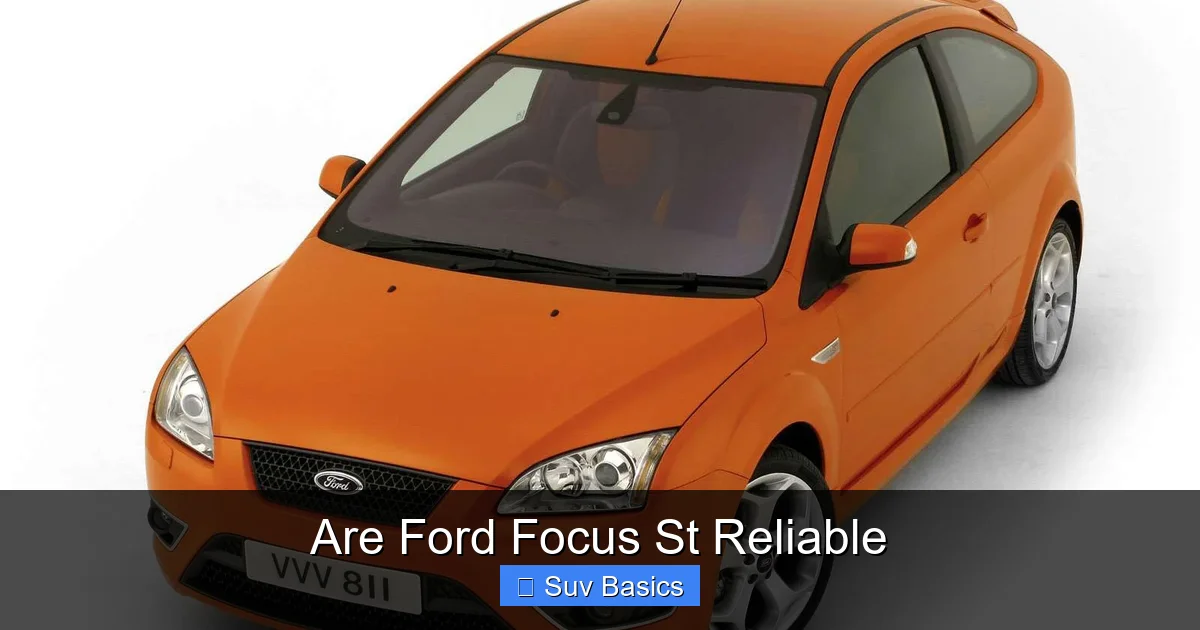
Visual guide about Are Ford Focus St Reliable
Image source: carsinvasion.com
That said, the clutch can wear faster if you’re aggressive with launches or ride the clutch in traffic. Replacing a clutch typically costs between $800 and $1,500, depending on labor rates. But for most drivers, the clutch lasts 80,000 to 120,000 miles with normal use.
PowerShift Automatic Concerns
Here’s where things get tricky. Early Focus ST models (2013–2014) were available with Ford’s PowerShift dual-clutch automatic transmission. Unfortunately, this transmission had a rocky reputation. Owners reported jerky shifts, shuddering, delayed engagement, and even complete failures.
Ford faced multiple class-action lawsuits over the PowerShift transmission, and many vehicles were eventually repaired or replaced under warranty. If you’re considering an automatic Focus ST, stick to 2015 and newer models—Ford made significant improvements, and the issues became far less common. Still, many experts recommend the manual for the best blend of performance and reliability.
Suspension, Brakes, and Handling
The Focus ST isn’t just fast—it’s also fun to drive, thanks to its sport-tuned suspension and responsive steering.
Suspension Durability
The ST’s suspension is stiffer than the standard Focus, which improves cornering and reduces body roll. However, this also means it takes a beating on rough roads. Over time, components like struts, shocks, and bushings may wear faster than in a regular hatchback.
Owners in areas with potholes or poor road conditions may notice a rougher ride after 60,000–80,000 miles. Replacing suspension parts isn’t overly expensive, but it’s something to budget for. Upgrading to aftermarket performance dampers can improve both comfort and handling if you’re looking to refresh the setup.
Brake System Performance
The Focus ST comes with larger brakes than the base model, including ventilated front discs and performance-oriented pads. These handle heat well during spirited driving and provide strong stopping power.
However, aggressive driving can wear brake pads and rotors faster. Expect to replace front pads every 30,000 to 50,000 miles if you drive hard. Rotors may need resurfacing or replacement around 60,000 miles. Regular inspection and quality brake fluid changes every two years help maintain performance.
Electrical and Infotainment Systems
Modern cars rely heavily on electronics, and the Focus ST is no exception.
SYNC Infotainment System
The Focus ST features Ford’s SYNC infotainment system, which includes touchscreen controls, voice commands, and smartphone integration (Apple CarPlay and Android Auto in later models). While functional, some owners report glitches—such as slow response times, freezing screens, or Bluetooth connectivity issues.
These problems are usually software-related and can often be fixed with a system update from a Ford dealer. In some cases, a master reset or firmware flash resolves the issue. Later models (2016 and newer) have more stable software, so they’re less prone to bugs.
Electrical Gremlins
A few owners have reported minor electrical issues, such as malfunctioning dashboard lights, faulty door locks, or intermittent power window failures. These are typically isolated incidents and not widespread. Most are resolved under warranty or with a simple fuse or module replacement.
One tip: If you’re buying a used Focus ST, check the battery health. A weak battery can cause erratic electrical behavior, especially in cold climates. Replacing the battery every 4–5 years is a good preventive measure.
Interior Quality and Long-Term Wear
The Focus ST’s cabin is sporty and driver-focused, but how does it hold up over time?
Materials and Build Quality
Inside, the ST features Recaro sport seats (on most trims), a flat-bottom steering wheel, and aluminum pedals—all adding to the performance vibe. The materials are a mix of soft-touch plastics, durable fabrics, and some harder surfaces.
Overall, build quality is solid. The seats are supportive and hold up well, even after years of use. However, the driver’s seat bolster may show wear on high-mileage examples, especially if the owner is larger or enters/exits frequently.
Cargo Space and Practicality
Despite its sporty nature, the Focus ST remains practical. It offers 23.8 cubic feet of cargo space with the rear seats up—more than enough for groceries, luggage, or weekend gear. Fold the rear seats, and you get nearly 45 cubic feet.
The hatchback design makes loading easy, and the low load floor is a plus. Rear legroom is decent for a compact car, though taller passengers may find it tight on long trips. Still, for a performance hatch, the ST strikes a great balance between fun and function.
Fuel Economy and Running Costs
Performance often comes at the expense of fuel efficiency, and the Focus ST is no exception.
Real-World MPG
The EPA estimates around 22 mpg city and 30 mpg highway for the manual transmission model. In real-world driving, most owners report 24–28 mpg on the highway and 19–22 mpg in the city—especially if they drive enthusiastically.
If you’re looking for maximum efficiency, the standard Focus or a hybrid might be better. But for a sporty drive with decent fuel economy, the ST holds its own.
Maintenance and Repair Costs
Routine maintenance is affordable. Oil changes, tire rotations, and brake inspections are standard. However, performance parts (like brakes and suspension) may cost more than on a base model.
Tires are another consideration. The ST comes with high-performance summer or all-season tires that provide great grip but wear faster—especially if you drive hard. Expect to replace tires every 30,000 to 40,000 miles.
Insurance can also be higher than average due to the car’s performance classification. Shop around for quotes, especially if you have a clean driving record.
Owner Satisfaction and Resale Value
Despite some quirks, the Ford Focus ST has a loyal following.
Enthusiast Appeal
Many owners praise the ST for its engaging driving dynamics, practicality, and value. It’s often described as a “driver’s car” that doesn’t sacrifice daily usability. Online forums and owner groups are active, with members sharing tips, mods, and maintenance advice.
This strong community support helps with troubleshooting and finding parts, which boosts long-term ownership satisfaction.
Resale Value
The Focus ST holds its value better than many competitors. Clean, low-mileage examples with full service history can retain 50–60% of their original value after five years. Manual models and well-maintained automatics are especially desirable.
If you plan to sell or trade in the future, keeping detailed maintenance records and avoiding excessive modifications will help maximize resale value.
In conclusion, the Ford Focus ST is a reliable performance hatchback when properly maintained. It delivers thrilling driving dynamics, practical cargo space, and solid build quality. While it has some known issues—especially with early automatic transmissions and minor electrical glitches—most can be managed with regular care and attention.
For buyers willing to stay on top of maintenance and avoid neglected examples, the Focus ST offers excellent long-term value and driving enjoyment. It’s not the most fuel-efficient or cheapest to insure, but for those who prioritize fun behind the wheel, it’s a standout choice.
Frequently Asked Questions
Is the Ford Focus ST reliable for daily driving?
Yes, the Ford Focus ST is reliable for daily use, especially with regular maintenance. Many owners drive theirs daily without major issues, thanks to its durable engine and solid build quality.
What are the most common problems with the Ford Focus ST?
Common issues include carbon buildup on intake valves, early water pump failures in some 2013–2014 models, and PowerShift automatic transmission problems in early years. Most are fixable with proper maintenance or repairs.
How long does the Ford Focus ST engine last?
With proper care, the 2.0L EcoBoost engine can last well over 150,000 miles. Regular oil changes, using quality fuel, and addressing issues early are key to longevity.
Should I buy a manual or automatic Ford Focus ST?
The manual transmission is more reliable and preferred by enthusiasts. The automatic (PowerShift) had issues in early models, so if you choose automatic, opt for 2015 or newer with updated software.
Are Ford Focus ST expensive to maintain?
Maintenance costs are moderate. Routine services are affordable, but performance parts like brakes and tires may cost more. Budget for clutch replacement around 80,000–120,000 miles if driving aggressively.
Does the Ford Focus ST have good resale value?
Yes, the Focus ST holds its value well, especially manual models in good condition. Strong enthusiast demand helps maintain resale prices above average for the segment.