
The Ford Fiesta is a compact, fuel-efficient car known for its fun handling and affordability. While it offers great value and a smooth ride, reliability concerns and limited space may affect long-term satisfaction.
If you’re in the market for a small, nimble car that won’t break the bank, the Ford Fiesta might have caught your eye. Known for its zippy performance and compact design, the Fiesta has been a staple in Ford’s lineup for decades. But are Ford Fiestas good cars? That’s the million-dollar question—especially if you’re weighing practicality, cost, and long-term value.
The short answer? It depends on your needs. The Fiesta shines in city driving, offering excellent fuel economy, easy parking, and a surprisingly fun driving experience. However, it’s not without its flaws. Some model years have faced reliability issues, particularly with automatic transmissions, and the interior space is limited compared to larger compact cars. Still, for many drivers—especially those on a budget or navigating tight urban streets—the Fiesta remains a solid, practical choice.
In this guide, we’ll dive deep into what makes the Ford Fiesta tick, from performance and fuel efficiency to safety and ownership costs. Whether you’re considering a new or used model, this breakdown will help you decide if the Fiesta fits your lifestyle.
Key Takeaways
- Affordable and Fuel-Efficient: The Ford Fiesta delivers excellent gas mileage, making it a budget-friendly choice for city driving and daily commutes.
- Fun to Drive: With responsive steering and agile handling, the Fiesta stands out in its class for driving enjoyment.
- Compact Size: Its small footprint makes parking and maneuvering in tight spaces easy, ideal for urban environments.
- Reliability Concerns: Some model years, especially those with automatic transmissions, have reported mechanical issues over time.
- Interior Quality Varies: Base models offer basic features, while higher trims add comfort and tech, though materials can feel cheap in lower-end versions.
- Discontinued but Still Available: Ford ended Fiesta production in 2023, but used models remain widely available and affordable.
- Great for First-Time Buyers: Low upfront cost and low running expenses make it a smart pick for new drivers or students.
📑 Table of Contents
Performance and Driving Experience
One of the standout features of the Ford Fiesta is how it drives. Unlike many small cars that feel sluggish or underpowered, the Fiesta delivers a surprisingly engaging experience behind the wheel.
Engine Options and Power
The Fiesta has been offered with a few different engine choices over the years. Most models come with a 1.6-liter four-cylinder engine that produces around 120 horsepower. While that might not sound like much, it’s more than enough for city driving and highway merging. For those who want a bit more thrill, the Fiesta ST trim steps things up with a turbocharged 1.6-liter engine delivering 197 horsepower—turning the little hatchback into a pocket rocket.
Handling and Steering
Where the Fiesta truly excels is in its handling. Thanks to a well-tuned suspension and responsive steering, it corners with confidence and feels planted even on winding roads. This makes it a joy to drive, especially compared to other economy cars that can feel floaty or disconnected. Whether you’re dodging traffic or taking a weekend drive through the hills, the Fiesta offers a level of driver engagement that’s rare in its class.
Transmission Choices
Buyers could choose between a five-speed manual or a six-speed automatic transmission. The manual is smooth and fun, especially in the ST model. However, some automatic versions—particularly those from 2011 to 2016—have been known to experience shuddering or hesitation due to a faulty dual-clutch PowerShift transmission. Ford issued recalls and extended warranties for these models, so it’s important to check the vehicle’s history if you’re buying used.
Fuel Efficiency and Running Costs
When it comes to saving money at the pump, the Ford Fiesta is a strong contender.
MPG Ratings
The Fiesta consistently delivers impressive fuel economy. Most models achieve around 27–29 miles per gallon in the city and 35–37 mpg on the highway. The Fiesta ST, despite its performance boost, still manages a respectable 26 mpg city and 35 mpg highway—remarkable for a hot hatch. This efficiency makes it ideal for commuters or anyone looking to cut down on fuel expenses.
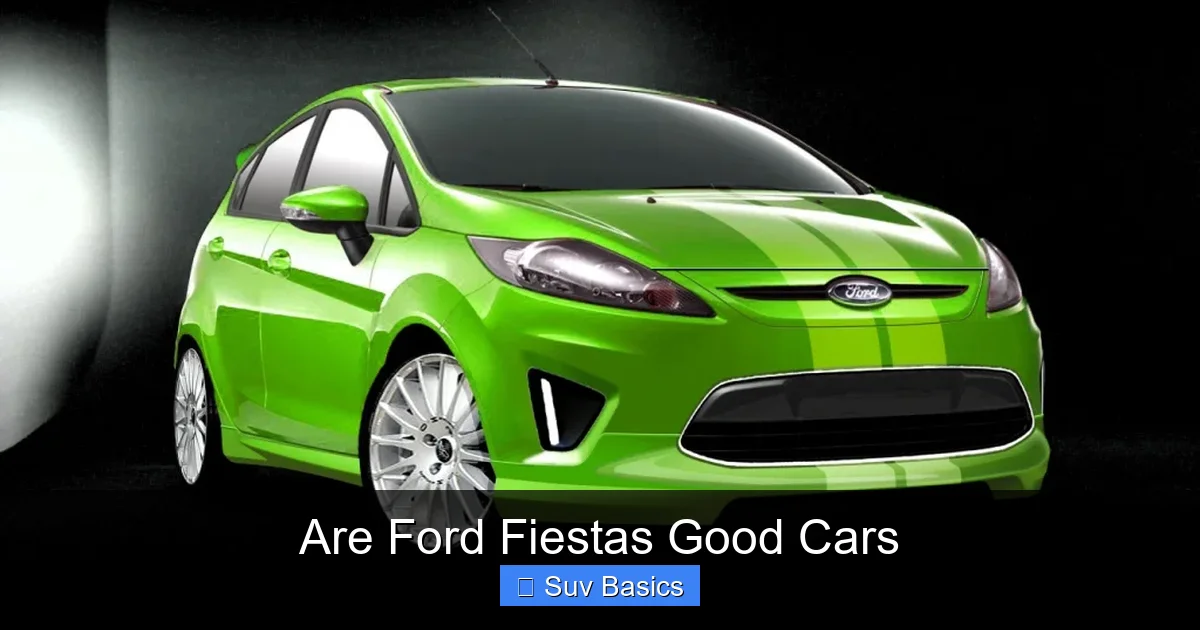
Visual guide about Are Ford Fiestas Good Cars
Image source: s1.cdn.autoevolution.com
Maintenance and Insurance
As a compact car with widely available parts, the Fiesta is generally affordable to maintain. Routine services like oil changes, brake pads, and tire rotations are reasonably priced. Insurance costs also tend to be lower than average, especially for base models. However, the ST trim may come with slightly higher premiums due to its performance-oriented design.
Depreciation and Resale Value
Like most small cars, the Fiesta depreciates fairly quickly in the first few years. But because it’s no longer in production (Ford discontinued it in 2023), used models are now more affordable than ever. This makes it a great value buy for budget-conscious shoppers, though resale value may not be as strong as with more popular compact SUVs or sedans.
Interior Comfort and Technology
While the Fiesta isn’t known for luxury, it offers a functional and user-friendly cabin—especially in higher trims.
Seating and Space
The Fiesta seats four comfortably, though taller passengers may find rear legroom a bit tight. The front seats are supportive and offer good visibility, making long drives more bearable. Cargo space is limited—around 12 cubic feet behind the rear seats—but folding the rear seats down expands it to about 26 cubic feet, which is decent for a car this size.
Materials and Build Quality
Base models use a lot of hard plastics, which can feel cheap compared to rivals like the Honda Fit or Hyundai Accent. However, higher trims like the Titanium add softer-touch materials, upgraded upholstery, and better sound insulation. Still, don’t expect premium finishes—this is a practical car, not a luxury one.
Infotainment and Connectivity
Ford’s SYNC infotainment system is available on most models, offering Bluetooth, voice commands, and smartphone integration via Apple CarPlay and Android Auto (on newer versions). The touchscreen is responsive, and the system is easy to use. Lower trims may only have a basic audio system with a small display, so check the specs if tech is a priority.
Safety Features and Ratings
Safety is a key consideration for any car purchase, and the Fiesta holds up reasonably well—though it’s not the strongest in its class.
Crash Test Ratings
The National Highway Traffic Safety Administration (NHTSA) gave the Fiesta an overall rating of 4 out of 5 stars. It earned 5 stars for side crash protection and 4 stars for frontal and rollover safety. The Insurance Institute for Highway Safety (IIHS) rated it “Good” in most categories, though it received an “Acceptable” rating for headlights on some models.
Available Safety Tech
Standard safety features include anti-lock brakes, stability control, and multiple airbags. Higher trims offer extras like a rearview camera, blind-spot monitoring, and rear cross-traffic alert. However, advanced driver-assist features like adaptive cruise control or automatic emergency braking are not available—something to keep in mind if safety tech is a priority.
Real-World Safety
While the Fiesta performs well in crash tests, its small size means it may not fare as well in collisions with larger vehicles. That said, its agility can help drivers avoid accidents in the first place. For city driving and moderate-speed highways, it’s a safe and reliable option.
Reliability and Common Issues
No car is perfect, and the Fiesta has had its share of reliability concerns—especially with certain model years.
Transmission Problems
The most well-known issue involves the PowerShift automatic transmission used in 2011–2016 models. Many owners reported shuddering, jerking, or hesitation during acceleration. Ford issued multiple recalls and extended the warranty to 10 years or 150,000 miles for affected vehicles. If you’re buying a used Fiesta with an automatic, make sure it’s been inspected and any recalls have been addressed.
Electrical and Engine Concerns
Some owners have reported issues with the electrical system, including faulty sensors or problems with the SYNC infotainment system. Engine problems are less common but can occur in high-mileage vehicles. Regular maintenance and timely repairs can help prevent major issues.
Long-Term Ownership
When well-maintained, the Fiesta can last 150,000 miles or more. Manual transmissions tend to be more reliable than automatics. Checking service records and getting a pre-purchase inspection are smart steps when buying used.
Who Should Buy a Ford Fiesta?
The Fiesta isn’t for everyone—but it’s a great fit for the right driver.
Ideal Buyers
- City Dwellers: Its small size and tight turning radius make it perfect for navigating crowded streets and parallel parking.
- Budget-Conscious Shoppers: Low purchase price and fuel costs make it an economical choice.
- First-Time Car Buyers: Easy to drive, affordable to insure, and simple to maintain.
- Fun-Loving Drivers: The Fiesta ST offers an exciting drive rarely found in economy cars.
Who Might Want to Look Elsewhere?
- Growing Families: Limited rear seat and cargo space may be a dealbreaker.
- Long-Distance Commuters: Road noise and a firm ride can make highway trips less comfortable.
- Tech Enthusiasts: Lack of advanced driver aids and older infotainment systems may disappoint.
Final Verdict: Are Ford Fiestas Good Cars?
So, are Ford Fiestas good cars? The answer is a qualified yes. They’re not perfect, but they offer a compelling mix of affordability, fuel efficiency, and driving enjoyment that’s hard to beat in the compact segment.
If you prioritize fun handling, low running costs, and city-friendly dimensions, the Fiesta is a smart pick—especially if you go for a manual transmission or a well-maintained used model. Just be cautious with automatic versions from 2011–2016 and do your homework before buying.
While Ford has moved on to SUVs and crossoys, the Fiesta’s legacy as a nimble, efficient, and enjoyable small car lives on. For the right driver, it’s still a great choice—even in a market increasingly dominated by larger vehicles.
Frequently Asked Questions
Are Ford Fiestas reliable?
The Ford Fiesta is generally reliable, especially manual models and later-year automatics. However, 2011–2016 automatic versions had known transmission issues, so check service history and recalls.
How long do Ford Fiestas last?
With proper maintenance, a Ford Fiesta can last 150,000 miles or more. Regular oil changes, timely repairs, and avoiding harsh driving help extend its lifespan.
Is the Ford Fiesta good on gas?
Yes, the Fiesta is very fuel-efficient, averaging 27–29 mpg in the city and 35–37 mpg on the highway, making it ideal for commuters and city drivers.
What are common problems with Ford Fiestas?
The most common issue is the PowerShift automatic transmission, which can shudder or hesitate. Electrical glitches and infotainment bugs have also been reported in some models.
Is the Ford Fiesta safe?
The Fiesta earns solid safety ratings, with 4 out of 5 stars from NHTSA. It includes standard safety features, though advanced driver aids are limited.
Should I buy a used Ford Fiesta?
Yes, if you find a well-maintained model with a clean history. Avoid problematic automatics unless repairs are confirmed. Manuals and newer used models are often the best value.