
The Ford Fiesta is a well-regarded compact car known for its fun handling, fuel efficiency, and affordability. While it has some reliability concerns in certain model years, many drivers appreciate its engaging driving experience and modern features.
Key Takeaways
- Fun to Drive: The Ford Fiesta offers responsive steering and agile handling, making it one of the most enjoyable small cars to drive in its class.
- Fuel Efficient: With EPA estimates up to 40 mpg on the highway, the Fiesta is a great choice for daily commuters looking to save on gas.
- Affordable Pricing: As a used or older model, the Fiesta is budget-friendly, with low starting prices and reasonable maintenance costs.
- Reliability Concerns: Some model years, especially 2011–2016 with automatic transmissions, have reported transmission issues that buyers should research.
- Compact Yet Practical: Despite its small size, the Fiesta offers a surprisingly spacious interior and decent cargo space for a subcompact car.
- Tech and Safety Features: Higher trims include modern amenities like SYNC infotainment, Apple CarPlay, and advanced safety options.
- Discontinued but Still Relevant: Though production ended in 2019 in the U.S., the Fiesta remains a solid used car option for city drivers and first-time buyers.
📑 Table of Contents
Are Ford Fiesta Good Cars? A Comprehensive Look
If you’re in the market for a small, efficient, and fun-to-drive car, the Ford Fiesta might have caught your eye. But are Ford Fiesta good cars? The short answer is: yes—especially if you value driving enjoyment, fuel economy, and affordability. However, like any vehicle, it comes with its strengths and weaknesses. In this guide, we’ll break down everything you need to know about the Ford Fiesta, from performance and reliability to safety and value, so you can decide if it’s the right fit for your lifestyle.
The Ford Fiesta has been a staple in the subcompact car segment for decades. First introduced in the 1970s, it gained popularity in the U.S. in the 2000s as drivers sought smaller, more efficient vehicles. Known for its nimble handling and zippy acceleration, the Fiesta stood out from competitors like the Honda Fit and Toyota Yaris by offering a more engaging driving experience. While Ford discontinued the Fiesta in the U.S. in 2019, it remains a common sight on roads and a popular choice in the used car market.
Performance and Driving Experience
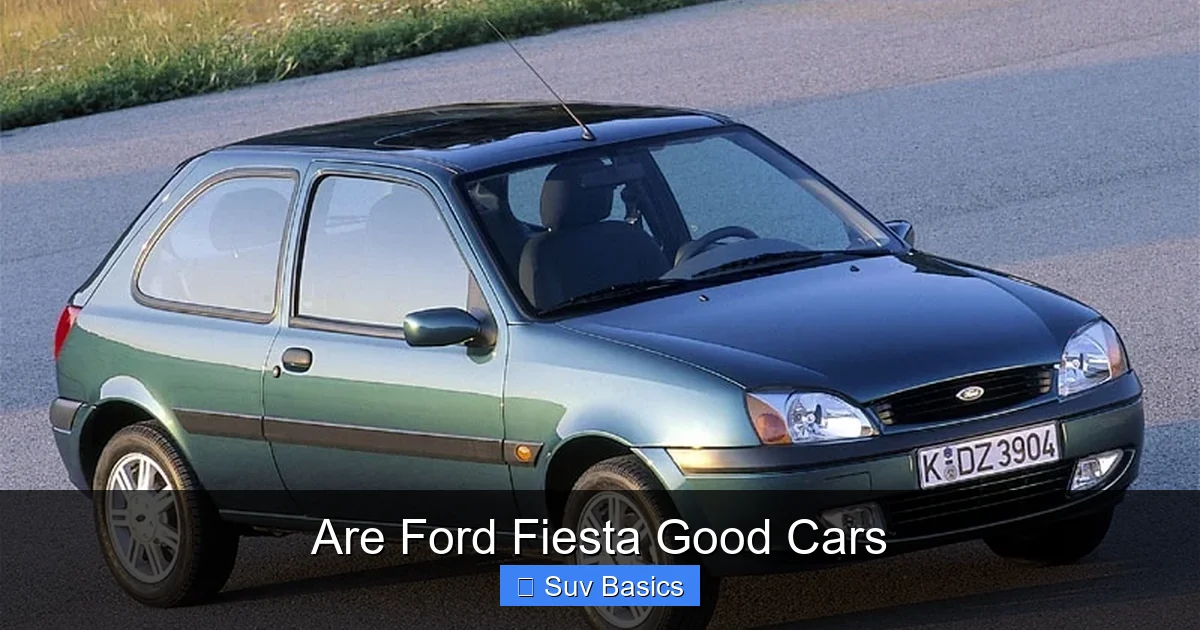
Visual guide about Are Ford Fiesta Good Cars
Image source: s1.cdn.autoevolution.com
One of the biggest reasons people love the Ford Fiesta is how it drives. Unlike many small cars that feel sluggish or underpowered, the Fiesta delivers a surprisingly spirited ride.
Engine Options and Power
The Fiesta came with two main engine options during its U.S. run: a 1.6-liter four-cylinder and a turbocharged 1.0-liter three-cylinder EcoBoost. The 1.6L engine produces around 120 horsepower, which is adequate for city driving and highway merging. The EcoBoost engine, while smaller, delivers impressive torque and better fuel economy, making it a favorite among efficiency-minded drivers.
For those who want even more excitement, the Fiesta ST trim packs a 1.6-liter turbocharged engine with 197 horsepower. This hot hatch version turns the Fiesta into a pocket rocket, capable of 0–60 mph in under 7 seconds. It’s rare to find that kind of performance in a car this size and price range.
Handling and Ride Quality
The Fiesta’s suspension is tuned for agility, not just comfort. It corners with confidence, thanks to its lightweight chassis and precise steering. Whether you’re navigating tight city streets or winding back roads, the Fiesta feels planted and responsive. This makes it a joy to drive, especially compared to other subcompacts that can feel floaty or disconnected.
That said, the ride can be a bit firm, especially on rough pavement. But for most drivers, the trade-off for better handling is worth it. If you prioritize a smooth, cushy ride over sporty dynamics, you might prefer something like the Honda Fit. But if you enjoy feeling connected to the road, the Fiesta delivers.
Fuel Economy: A Strong Selling Point
Fuel efficiency is a major factor when choosing a small car, and the Ford Fiesta excels in this area.
EPA Ratings and Real-World MPG
Depending on the engine and transmission, the Fiesta achieves impressive fuel economy. The manual transmission models with the 1.6L engine get around 28 mpg in the city and 37 mpg on the highway. The EcoBoost models with the automatic transmission can reach up to 31 mpg city and 43 mpg highway—numbers that rival hybrid vehicles from just a few years ago.
In real-world driving, many owners report achieving 35–40 mpg on highway trips, especially with the EcoBoost engine. This makes the Fiesta an excellent choice for commuters or anyone looking to reduce fuel costs without going fully electric.
Cost of Ownership
Beyond fuel savings, the Fiesta is generally affordable to maintain. Parts are widely available, and labor costs are reasonable for routine services like oil changes, brake jobs, and tire rotations. Insurance premiums also tend to be lower than average, thanks to the car’s small size and safety ratings.
However, keep in mind that the automatic transmission models—especially from 2011 to 2016—have had reported issues. These can lead to expensive repairs if problems arise. We’ll dive deeper into reliability in a later section.
Interior Quality and Features
While the Fiesta is a budget-friendly car, it doesn’t feel cheap inside—especially in higher trims.
Cabin Design and Materials
The dashboard layout is simple and intuitive, with easy-to-reach controls. Higher-end models feature soft-touch materials on the doors and dashboard, giving the interior a more premium feel. The seats are comfortable for short to medium drives, though taller passengers might find rear legroom a bit tight.
Cargo space is decent for a subcompact, with 12.4 cubic feet behind the rear seats. Folding down the rear seats expands that to about 26 cubic feet—enough for groceries, luggage, or a weekend camping trip.
Technology and Infotainment
Ford’s SYNC infotainment system is standard on most Fiestas. The base version includes a 4-inch display, Bluetooth, and a USB port. Higher trims get a 6.5-inch touchscreen with Apple CarPlay and Android Auto compatibility—features that were rare in this class when the Fiesta was new.
Available tech includes a rearview camera, push-button start, heated seats, and a premium Sony audio system. While not as advanced as today’s latest models, these features were impressive for a car in this price range.
Reliability and Common Issues
Now for the elephant in the room: are Ford Fiesta good cars when it comes to reliability?
Transmission Problems
The biggest concern with the Fiesta is its PowerShift dual-clutch automatic transmission, used from 2011 to 2016. Many owners reported shuddering, hesitation, and even complete transmission failure. Ford issued several technical service bulletins and extended warranties, but some drivers still experienced frustrating issues.
If you’re considering a Fiesta with an automatic transmission, stick to models from 2017 or later, or opt for a manual. The manual transmission is not only more reliable but also more fun to drive.
Other Potential Issues
Other common problems include premature brake wear, electrical glitches, and occasional engine stalling. However, many of these issues are minor and fixable with regular maintenance. Overall, the Fiesta’s reliability improves significantly in later model years.
According to Consumer Reports and J.D. Power, the Fiesta’s reliability ratings are mixed—some years score well, while others fall below average. Always check the vehicle history report and consider a pre-purchase inspection.
Safety Ratings and Driver Assistance
Safety is a top priority for any car buyer, and the Fiesta holds up reasonably well.
Crash Test Results
The National Highway Traffic Safety Administration (NHTSA) gave the Fiesta an overall 4-star safety rating. It earned 5 stars for side crash protection and 4 stars for frontal and rollover tests. The Insurance Institute for Highway Safety (IIHS) rated it “Good” in most categories, though it received an “Acceptable” score for headlights on some trims.
Available Safety Features
Standard safety features include dual front airbags, anti-lock brakes, and electronic stability control. Higher trims add a rearview camera, blind-spot monitoring, and rear cross-traffic alert. While it lacks advanced driver aids like adaptive cruise control or automatic emergency braking, the Fiesta still offers solid protection for its class.
Value and Resale
Even though the Fiesta is no longer in production, it holds its value well in the used market.
Pricing for Used Models
A used Ford Fiesta typically ranges from $8,000 to $15,000, depending on year, mileage, and condition. The ST trim commands a higher price due to its performance appeal. Compared to rivals like the Honda Fit or Toyota Yaris, the Fiesta often costs less upfront while offering a more engaging drive.
Long-Term Ownership Costs
Over five years, the Fiesta’s total cost of ownership is competitive. Fuel savings, low insurance, and affordable repairs help offset any potential transmission issues. If you avoid problematic model years and stick to well-maintained examples, the Fiesta can be a smart long-term investment.
Conclusion: Are Ford Fiesta Good Cars?
So, are Ford Fiesta good cars? The answer depends on what you’re looking for. If you want a fun, fuel-efficient, and affordable compact car with modern features, the Fiesta is an excellent choice—especially in manual transmission or later model years. It’s ideal for city driving, daily commutes, and anyone who enjoys a responsive, nimble ride.
However, if you prioritize maximum reliability or need a car with advanced safety tech, you might want to consider alternatives like the Honda Fit or Toyota Corolla. And if you’re set on a Fiesta, avoid the early automatic models to minimize risk.
Ultimately, the Ford Fiesta proves that small cars don’t have to be boring. With its engaging driving dynamics, practical interior, and strong fuel economy, it remains a standout in the subcompact segment—even years after production ended.
Frequently Asked Questions
Are Ford Fiesta good cars for city driving?
Yes, the Ford Fiesta is excellent for city driving. Its compact size makes it easy to park and maneuver in tight spaces, while its fuel efficiency helps save money on gas during stop-and-go traffic.
What are the most reliable Ford Fiesta model years?
The most reliable Ford Fiesta models are from 2017 to 2019, especially those with manual transmissions. These later years avoided the problematic PowerShift automatic transmission used in earlier models.
Do Ford Fiestas have good fuel economy?
Yes, the Ford Fiesta is very fuel-efficient. Depending on the engine and transmission, it can achieve up to 43 mpg on the highway, making it one of the most efficient non-hybrid cars in its class.
Is the Ford Fiesta ST worth buying?
Absolutely, if you enjoy performance driving. The Fiesta ST delivers 197 horsepower and sharp handling, offering a thrilling experience rarely found in small, affordable cars.
What problems do Ford Fiestas have?
The main issue is the PowerShift automatic transmission used from 2011 to 2016, which has been linked to shuddering and failure. Other minor issues include brake wear and electrical glitches, but these are generally manageable.
Can a Ford Fiesta handle long road trips?
Yes, the Ford Fiesta can handle long trips comfortably, especially with the EcoBoost engine for better fuel economy. However, rear-seat space is limited, so it’s best suited for solo drivers or couples.