
Dash cams are absolutely worth it for SUV drivers—offering crucial evidence in accidents, deterring fraud, and enhancing overall driving security. With affordable options now widely available, the peace of mind they provide far outweighs the cost.
Key Takeaways
- Accident Protection: Dash cams provide clear video evidence to support insurance claims and protect you from false accusations.
- Fraud Prevention: They help expose staged accidents and insurance scams, especially common in urban areas.
- Parking Mode Monitoring: Many dash cams record even when your SUV is parked, catching hit-and-runs or vandalism.
- Improved Driving Habits: Knowing you’re being recorded encourages safer driving for you and your passengers.
- Affordable and Easy to Install: Basic models start under $100 and require minimal setup—no professional installation needed.
- Legal Benefits: In many regions, dash cam footage is admissible in court, making it a reliable tool for disputes.
- Peace of Mind: Whether commuting or road-tripping, a dash cam adds a layer of security every SUV owner can appreciate.
📑 Table of Contents
- Are Dash Cams Worth It? A Complete Guide for SUV Owners
- Why SUV Drivers Should Seriously Consider a Dash Cam
- Real-Life Benefits: How Dash Cams Protect You
- What to Look for in a Dash Cam for Your SUV
- Are Dash Cams Legal? What You Need to Know
- Cost vs. Value: Are Dash Cams Really Worth the Investment?
- Final Thoughts: Should You Buy a Dash Cam for Your SUV?
Are Dash Cams Worth It? A Complete Guide for SUV Owners
If you drive an SUV—whether it’s a rugged off-roader or a family-friendly crossover—you know how important safety and security are. SUVs are bigger, heavier, and often more visible on the road, which can make them both a target and a liability in certain situations. That’s where dash cams come in. But are dash cams worth it? The short answer is yes—especially for SUV drivers.
Dash cams are small video cameras mounted on your windshield that record everything happening in front of (and sometimes behind) your vehicle. They’ve become increasingly popular over the past decade, and for good reason. From protecting you in accidents to catching reckless drivers, the benefits are hard to ignore. And with prices dropping and technology improving, there’s never been a better time to consider one.
But let’s be honest—no one wants to spend money on something they might not really need. So in this guide, we’ll break down exactly why dash cams are worth it, what features to look for, and how they can make your time behind the wheel safer and more secure.
Why SUV Drivers Should Seriously Consider a Dash Cam
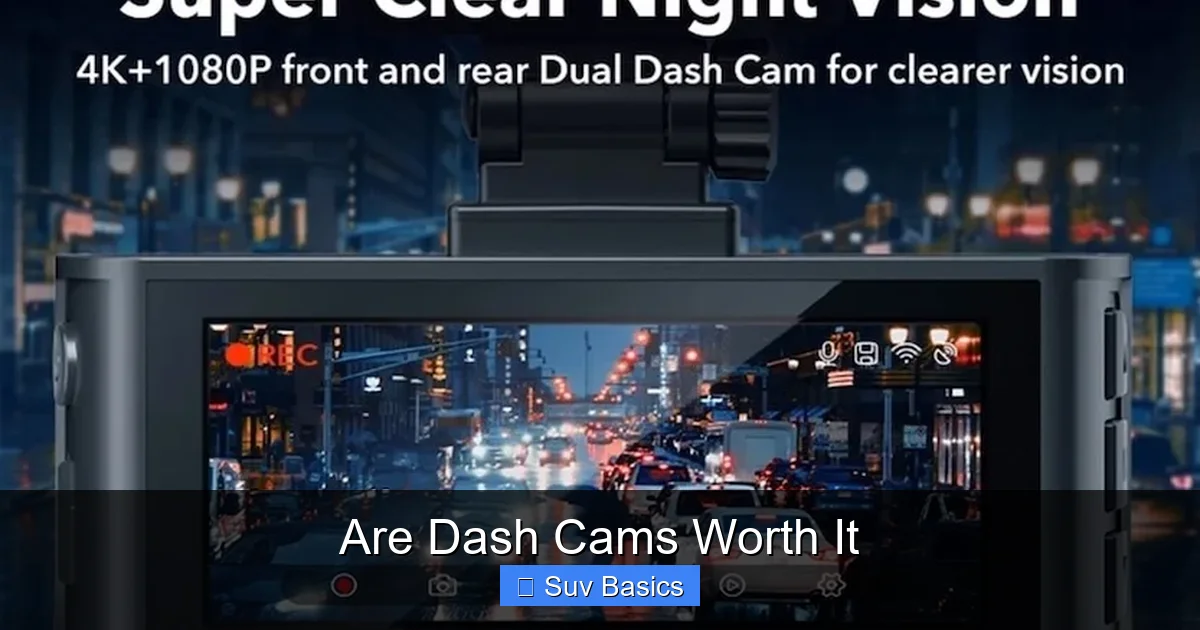
Visual guide about Are Dash Cams Worth It
Image source: roadsumo.com
SUVs come with unique advantages—more space, better visibility, and often superior safety ratings. But they also come with unique risks. Their size can make them harder to maneuver in tight spaces, and their height can create blind spots. Plus, because they’re often used for family trips, school runs, or long commutes, SUVs spend a lot of time on the road—increasing exposure to potential incidents.
A dash cam acts like a silent witness. Whether you’re involved in a fender bender at a busy intersection or someone tries to claim you hit their car when you didn’t, having video proof can make all the difference. In fact, many insurance companies now offer discounts for drivers who use dash cams, recognizing their role in reducing fraudulent claims.
Take Sarah, a mom of three from Denver, for example. She drives a mid-size SUV and commutes 45 minutes each way to work. Last winter, she was rear-ended at a red light. The other driver claimed she braked suddenly, but her dash cam footage clearly showed she had stopped normally. Her insurance company processed her claim quickly, and she avoided a rate increase. “I used to think dash cams were just for truckers or YouTubers,” she says. “Now I can’t imagine driving without one.”
Real-Life Benefits: How Dash Cams Protect You
1. Clear Evidence in Accidents
One of the biggest reasons people buy dash cams is for accident protection. When collisions happen, emotions run high, and memories can be unreliable. Witnesses may give conflicting accounts, and insurance adjusters often have to make judgment calls based on limited information.
A dash cam removes the guesswork. High-resolution footage shows exactly what happened—who had the green light, who changed lanes abruptly, or who was speeding. This can speed up claims, prevent wrongful fault assignments, and even help police investigations.
2. Fighting Insurance Fraud and Scams
Unfortunately, insurance fraud is on the rise. One common scam is the “swoop and squat,” where one car cuts off another, forcing a collision. Another is the “brake check,” where a driver slams on their brakes to cause a rear-end collision. These scams often target larger vehicles like SUVs, which are perceived as having higher insurance coverage.
With a dash cam, you have proof that you weren’t at fault. In many cases, just knowing you’re recording is enough to deter scammers. Some dash cams even have motion detection and will start recording if someone approaches your parked SUV—perfect for catching vandals or hit-and-run drivers.
3. Monitoring Your Vehicle When Parked
Many modern dash cams come with a “parking mode” feature. This allows the camera to keep recording even when the engine is off, using motion or impact sensors to trigger video capture. If someone bumps your SUV in a parking lot or tries to break in, the dash cam will record it—and save the footage to a memory card.
This is especially useful for SUV owners who park in busy lots, urban areas, or overnight in driveways. Some models even send alerts to your phone if an incident is detected, giving you real-time updates.
What to Look for in a Dash Cam for Your SUV
Not all dash cams are created equal. With so many options on the market, it’s important to choose one that fits your needs and your vehicle. Here are the key features to consider:
Video Quality and Resolution
Look for a dash cam with at least 1080p Full HD resolution. Higher-end models offer 2K or 4K resolution, which provides sharper details—like license plates and road signs—especially important in accident investigations. Wide-angle lenses (140–170 degrees) help capture more of the road, reducing blind spots.
Night Vision and Low-Light Performance
Accidents don’t just happen during the day. A good dash cam should perform well in low-light conditions. Look for models with night vision or enhanced sensors that adjust to darkness automatically. Some use infrared or HDR (high dynamic range) to improve clarity at night.
Loop Recording and G-Sensor
Loop recording ensures your dash cam never runs out of space. It automatically overwrites the oldest footage when the memory card is full, so you always have the most recent recordings. The G-sensor detects sudden movements—like a crash—and locks the current video file to prevent it from being deleted.
Dual-Lens (Front and Rear) Recording
While most dash cams record the front view, dual-lens models add a rear camera. This is especially useful for SUVs, which have larger blind spots and are more likely to be involved in rear-end collisions. Some systems even include an interior camera to monitor passengers or deter theft.
GPS and Speed Tracking
GPS-enabled dash cams record your location and speed alongside the video. This can be crucial in proving you were driving within the speed limit or weren’t at a specific location during an incident. It also helps track your routes during long trips.
Ease of Installation and Use
Most dash cams are designed for DIY installation. They typically mount to the windshield with adhesive or suction cups and plug into the 12V power outlet (cigarette lighter). Wireless models that connect to your phone via Wi-Fi are also available, allowing you to view and download footage easily.
Are Dash Cams Legal? What You Need to Know
One common concern is whether dash cams are legal. The good news is that in most countries and U.S. states, dash cams are perfectly legal—as long as they’re mounted correctly and don’t obstruct the driver’s view.
In the U.S., federal law allows dash cams as long as they’re placed in the lower corner of the windshield (usually the passenger side) and don’t block more than a certain area. Some states have specific rules, so it’s worth checking your local regulations.
Privacy is another consideration. While recording public roads is generally allowed, avoid pointing the camera inside your vehicle if you have passengers who haven’t consented—especially in states with two-party consent laws for audio recording.
Cost vs. Value: Are Dash Cams Really Worth the Investment?
Dash cams range in price from under $50 to over $300. Basic models offer decent video quality and loop recording, while premium models include GPS, Wi-Fi, parking mode, and dual cameras.
So, are dash cams worth it financially? Consider this: the average cost of an auto insurance claim for a minor accident is over $4,000. Even if a dash cam helps you avoid just one false claim or speeds up one insurance payout, it pays for itself many times over.
Plus, the peace of mind is priceless. Knowing you have a reliable witness on the road—whether you’re driving through rush hour or taking a scenic route—adds a layer of confidence that’s hard to put a price on.
Final Thoughts: Should You Buy a Dash Cam for Your SUV?
If you drive an SUV, the answer is a resounding yes—dash cams are worth it. They offer protection, evidence, and peace of mind in a world where accidents and scams are all too common. With affordable options, easy installation, and advanced features, there’s no reason not to add this simple tool to your vehicle.
Whether you’re a daily commuter, a weekend adventurer, or a parent shuttling kids around, a dash cam is a smart, practical investment. It’s not just about recording your drive—it’s about protecting your time, your money, and your safety.
So go ahead—mount that camera, plug it in, and drive with confidence. Your future self will thank you.
Frequently Asked Questions
Do dash cams work when the car is off?
Yes, many dash cams have a parking mode that uses motion or impact sensors to start recording when your SUV is parked. This helps catch hit-and-runs or vandalism while you’re away.
Can dash cam footage be used in court?
In most cases, yes. Dash cam footage is generally admissible as evidence in court, especially if it’s clear, time-stamped, and unaltered. It’s often used to support insurance claims and legal disputes.
Will a dash cam drain my SUV’s battery?
Most dash cams are designed to use minimal power. When in parking mode, they typically draw very little current. Some models even shut off automatically if the battery voltage drops too low.
Do I need a dash cam if I have a newer SUV with advanced safety features?
Yes. While modern SUVs have great safety tech, they don’t record video. A dash cam provides objective evidence that sensors and alerts can’t—making it a valuable addition to any vehicle.
Can I install a dash cam myself?
Absolutely. Most dash cams are designed for easy DIY installation. They usually attach to the windshield with adhesive or suction and plug into the 12V outlet—no tools or expertise required.
Are there any downsides to using a dash cam?
The main downside is ensuring it’s mounted legally and doesn’t distract you while driving. Also, you’ll need to occasionally check and format the memory card to keep it working properly.