
Compact cars have come a long way in safety. Thanks to advanced engineering and modern safety features, many small vehicles now offer protection comparable to larger models. While size still plays a role in crash dynamics, today’s compact cars are safer than ever before.
Key Takeaways
- Modern compact cars are safer than ever: Advances in materials and design have significantly improved crash protection in small vehicles.
- Safety ratings matter more than size: Look for high scores from the IIHS and NHTSA—many compact cars earn top honors.
- Advanced driver assistance systems (ADAS) are common: Features like automatic emergency braking and lane-keeping help prevent accidents.
- Smaller cars can be less safe in crashes with larger vehicles: Physics still plays a role—compact cars may sustain more damage in collisions with SUVs or trucks.
- Weight and structure are key factors: Heavier, well-built compact cars often perform better in real-world crashes.
- Regular maintenance improves safety: Tires, brakes, and lights are critical—don’t overlook routine checks.
- Driver behavior is the biggest safety factor: Safe driving habits matter more than vehicle size.
📑 Table of Contents
- Are Compact Cars Safe? The Truth About Small Car Safety
- How Safety Ratings Work for Compact Cars
- The Role of Advanced Safety Technology
- Size vs. Safety: Understanding the Physics
- Top-Safety-Rated Compact Cars in 2024
- Maintenance and Driving Habits: The Hidden Safety Factors
- Conclusion: Compact Cars Are Safer Than You Think
Are Compact Cars Safe? The Truth About Small Car Safety
For years, compact cars had a reputation for being less safe than their larger counterparts. People assumed that bigger meant safer—after all, a massive SUV seems more imposing than a tiny hatchback. But times have changed. Today’s compact cars are engineered with safety as a top priority, and many now rival larger vehicles in crash protection.
So, are compact cars safe? The short answer is yes—especially if you choose a well-designed model with strong safety ratings. While it’s true that physics gives larger vehicles an advantage in certain crashes, modern compact cars use smart engineering, high-strength steel, and advanced safety tech to level the playing field. From city streets to highway commutes, today’s small cars are built to protect you.
How Safety Ratings Work for Compact Cars
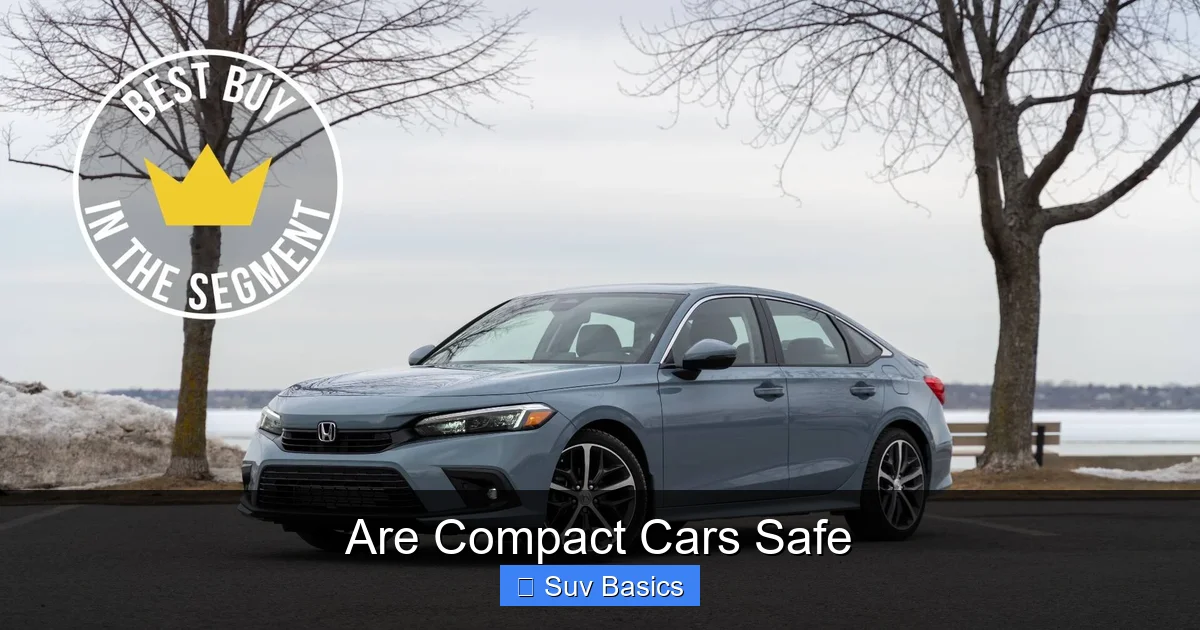
Visual guide about Are Compact Cars Safe
Image source: i.gaw.to
When evaluating whether a compact car is safe, the best place to start is with official safety ratings. Two major organizations—the National Highway Traffic Safety Administration (NHTSA) and the Insurance Institute for Highway Safety (IIHS)—conduct rigorous crash tests and rate vehicles on a scale.
The NHTSA uses a five-star system, with five stars being the best. It tests frontal crashes, side impacts, and rollover risk. The IIHS, on the other hand, performs more detailed tests, including small overlap front crashes (which simulate hitting a pole or tree), and evaluates headlight performance and crash avoidance systems.
Many modern compact cars earn top marks from both organizations. For example, the 2023 Honda Civic and Toyota Corolla both received five-star overall ratings from the NHTSA and Top Safety Pick+ awards from the IIHS. These results show that size doesn’t have to mean sacrificing safety.
What to Look for in Safety Ratings
- Overall score: A five-star NHTSA rating or IIHS Top Safety Pick indicates strong performance across multiple tests.
- Crash test results: Pay attention to how the car performs in front, side, and rollover tests.
- Headlight and crash avoidance ratings: The IIHS now evaluates these features—good headlights and effective automatic braking can prevent accidents.
- Child seat anchor (LATCH) ease of use: Important if you have young passengers.
The Role of Advanced Safety Technology
One of the biggest reasons compact cars are safer today is the widespread adoption of advanced driver assistance systems (ADAS). These features don’t just help in a crash—they help prevent crashes from happening in the first place.
Most new compact cars now come standard with a suite of safety tech. For instance, automatic emergency braking (AEB) can detect an impending collision and apply the brakes if the driver doesn’t react in time. Lane departure warning and lane-keeping assist help prevent drifting out of your lane, which is especially helpful on long drives.
Other common features include blind-spot monitoring, rear cross-traffic alert, and adaptive cruise control. These systems act like a second set of eyes, reducing the chance of human error—the leading cause of accidents.
Real-World Impact of Safety Tech
Studies show that ADAS features significantly reduce crash rates. According to the IIHS, vehicles with forward collision warning and AEB have 50% fewer front-to-rear crashes. Similarly, lane departure warning systems reduce single-vehicle, sideswipe, and head-on crashes by 11%.
Even in compact cars, these technologies are making a difference. For example, the 2023 Mazda3 comes standard with Smart Brake Support, which can detect pedestrians and cyclists. This kind of innovation shows that small cars aren’t just catching up—they’re leading in safety innovation.
Size vs. Safety: Understanding the Physics
It’s important to acknowledge that size still plays a role in vehicle safety. In a crash between a compact car and a large SUV, the smaller vehicle will typically sustain more damage. This is due to the laws of physics: the heavier vehicle has more momentum and can transfer more force to the lighter one.
However, this doesn’t mean compact cars are inherently unsafe. Modern engineering has closed the gap significantly. Automakers use high-strength steel in critical areas like the passenger cabin to create a strong safety cage. They also design crumple zones that absorb impact energy away from occupants.
For example, the Subaru Impreza uses a ring-shaped reinforcement structure around the doors and roof to improve side-impact protection. This kind of design helps protect passengers even when the car is struck by a larger vehicle.
Tips for Safer Driving in a Compact Car
- Maintain a safe following distance: This gives you more time to react, especially in traffic with larger vehicles.
- Avoid aggressive driving: Speeding and sudden lane changes increase risk, regardless of vehicle size.
- Be extra cautious at intersections: Many side-impact crashes happen here—look twice before proceeding.
- Use your mirrors and blind-spot systems: Stay aware of larger vehicles that may not see you.
Top-Safety-Rated Compact Cars in 2024
If you’re shopping for a safe compact car, here are some of the best options based on recent safety ratings and features:
Honda Civic
The Civic consistently earns top marks from both the IIHS and NHTSA. It comes standard with Honda Sensing, a suite that includes AEB, lane-keeping assist, and adaptive cruise control. The 2023 model also received a Top Safety Pick+ award.
Toyota Corolla
Toyota’s compact sedan is another standout. It includes Toyota Safety Sense 3.0, which adds improved pedestrian detection and road sign recognition. The Corolla also scores well in small overlap front tests.
Mazda3
Known for its stylish design and driving dynamics, the Mazda3 doesn’t skimp on safety. It offers standard i-Activsense technology, including smart city brake support and driver attention alert.
Subaru Impreza
All Impreza models come with standard all-wheel drive and Subaru’s EyeSight driver assist system. The symmetrical AWD system improves stability, especially in bad weather.
Hyundai Elantra
The Elantra offers a long list of standard safety features, including forward collision avoidance and driver attention warning. It also earned a Top Safety Pick from the IIHS.
These models prove that you don’t need a large vehicle to get excellent safety performance.
Maintenance and Driving Habits: The Hidden Safety Factors
Even the safest compact car won’t protect you if it’s not properly maintained. Regular upkeep is essential for safety. Worn tires, for example, can reduce traction and increase stopping distance—especially in rain or snow.
Brake pads and rotors should be inspected regularly. If you hear squeaking or feel vibrations when braking, it’s time for a check-up. Similarly, make sure your headlights, brake lights, and turn signals are working. Poor visibility is a major cause of accidents.
Simple Maintenance Tips
- Check tire pressure monthly: Underinflated tires wear out faster and reduce fuel efficiency.
- Rotate tires every 5,000–7,000 miles: This ensures even wear and extends tire life.
- Replace wiper blades annually: Clear visibility in rain is crucial.
- Follow the manufacturer’s service schedule: This keeps all systems—including safety features—working properly.
And remember: no car can compensate for unsafe driving. Distracted driving, speeding, and driving under the influence are the leading causes of accidents. A safe compact car is only as safe as the person behind the wheel.
Conclusion: Compact Cars Are Safer Than You Think
So, are compact cars safe? Absolutely—especially the modern ones. With strong safety ratings, advanced technology, and smart design, today’s small cars offer protection that rivals larger vehicles. While physics still gives an edge to bigger cars in certain crashes, the gap has narrowed dramatically.
When shopping for a compact car, focus on safety ratings, standard features, and build quality. Models like the Honda Civic, Toyota Corolla, and Mazda3 prove that small doesn’t have to mean unsafe. And with regular maintenance and responsible driving, you can stay safe on the road—no matter the size of your vehicle.
Compact cars are no longer the fragile options of the past. They’re smart, efficient, and—most importantly—safe.
Frequently Asked Questions
Are compact cars safe in crashes with larger vehicles?
Compact cars can be at a disadvantage in crashes with larger vehicles due to differences in weight and size. However, modern engineering and safety features help reduce this risk. Choosing a well-rated model with strong structural design improves protection.
Do compact cars have the same safety features as SUVs?
Many compact cars now come standard with the same advanced safety features as SUVs, including automatic emergency braking, lane-keeping assist, and blind-spot monitoring. Always check the specific trim and model for included features.
Are older compact cars safe?
Older compact cars may lack modern safety technology and may not perform as well in crash tests. If safety is a priority, consider a newer model with updated safety ratings and features.
Can compact cars handle bad weather safely?
Compact cars can handle bad weather, especially if they have features like all-wheel drive, stability control, and good tires. Models like the Subaru Impreza are designed for all-weather performance.
Are compact cars safe for families?
Yes, many compact cars are safe and practical for families. Look for models with high safety ratings, good rear-seat space, and easy-to-use LATCH systems for child seats.
Do compact cars have lower insurance costs due to safety?
Insurance costs depend on many factors, including safety ratings, theft rates, and repair costs. Some safe compact cars may have lower premiums, but this varies by insurer and driver profile.