
Blind spot mirrors are legal in all 50 U.S. states when properly installed and non-obstructive. These small convex mirrors enhance safety by reducing blind zones, especially on larger vehicles like SUVs. Always check local laws to ensure compliance with size and placement rules.
Key Takeaways
- Blind spot mirrors are legal nationwide: All U.S. states allow blind spot mirrors as long as they don’t obstruct the driver’s view or violate mirror size regulations.
- They improve safety significantly: These mirrors help drivers see vehicles in adjacent lanes, reducing the risk of side collisions and lane-change accidents.
- SUVs benefit the most: Due to larger blind zones, SUVs and trucks gain the greatest advantage from blind spot mirrors.
- Installation matters: Mirrors must be mounted correctly—typically on the side mirrors—without blocking the original mirror’s view.
- Not a replacement for shoulder checks: Blind spot mirrors assist but don’t eliminate the need for physical head checks before changing lanes.
- Choose quality over cost: Opt for durable, anti-glare, and vibration-resistant mirrors for long-term reliability.
- Check local regulations: While generally legal, some states have specific rules about mirror size and placement—always verify local laws.
📑 Table of Contents
Are Blind Spot Mirrors Legal? The Straight Answer
You’ve probably seen those small, round or rectangular mirrors stuck to the corner of a car’s side mirrors. They’re called blind spot mirrors, and they’re becoming more common—especially on SUVs, trucks, and larger vehicles. But here’s the question many drivers ask: Are blind spot mirrors legal?
The short answer is yes—blind spot mirrors are legal in all 50 U.S. states, provided they meet certain conditions. These tiny mirrors are designed to help drivers see areas that their standard side mirrors can’t cover—those tricky “blind spots” where another vehicle might be hiding. While they’re not required by law, they’re widely encouraged as a safety upgrade. However, legality isn’t just about whether you can install them—it’s also about how you install them.
Why Blind Spot Mirrors Matter for SUVs
SUVs are known for their size, power, and visibility—but that doesn’t mean they’re free from blind spots. In fact, larger vehicles often have bigger blind zones than smaller cars. This is due to their taller profiles, longer hoods, and wider pillars, which can block peripheral vision. According to the National Highway Traffic Safety Administration (NHTSA), lane-change collisions are a leading cause of accidents, and many of these involve vehicles in blind spots.
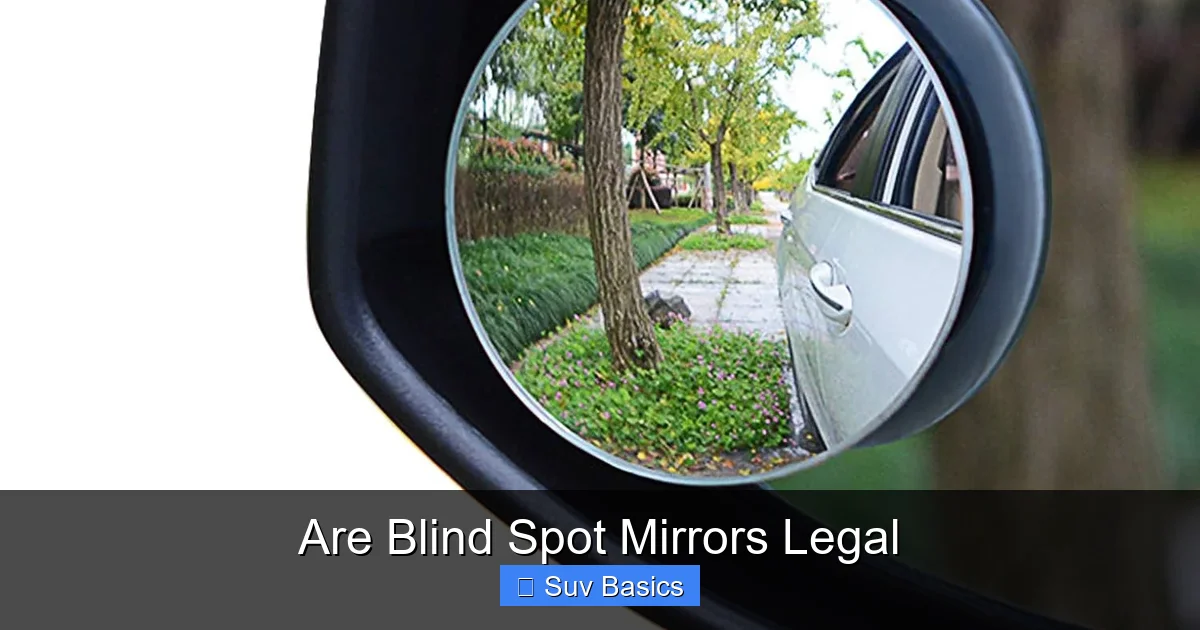
Visual guide about Are Blind Spot Mirrors Legal
Image source: images-na.ssl-images-amazon.com
The Science Behind Blind Spots
Every vehicle has blind spots—areas around the car that the driver can’t see through the windows or mirrors. For SUVs, these zones can extend several feet alongside and behind the vehicle. Even with properly adjusted side mirrors, there’s often a gap where a motorcycle, car, or bicycle could be lurking. Blind spot mirrors fill that gap by offering a wider, convex view of the adjacent lane.
Real-World Benefits
Imagine you’re driving your SUV on the highway and want to change lanes. You check your side mirror, signal, and begin to merge—only to hear a horn blast. A car was in your blind spot. This scenario happens more often than you’d think. Blind spot mirrors give you that extra layer of awareness. They’re especially helpful when driving in heavy traffic, merging onto freeways, or navigating tight parking lots.
Legal Requirements and Regulations
While blind spot mirrors are legal, there are rules you need to follow to stay compliant. These rules vary slightly by state, but the core principles are consistent across the U.S.
Federal and State Guidelines
Under federal law, vehicles must have at least two rearview mirrors: one inside the cabin and one on the driver’s side. Some states also require a passenger-side mirror. Blind spot mirrors are considered supplemental equipment, not replacements for standard mirrors. As long as they don’t obstruct the original mirror’s view or violate size limits, they’re allowed.
Placement and Size Restrictions
Most states allow blind spot mirrors as long as they’re mounted on the existing side mirror and don’t extend beyond its edges. For example, a small round mirror (about 1.5 to 2 inches in diameter) attached to the upper or outer corner of the side mirror is typically fine. However, large or protruding mirrors that block the driver’s view of the road could be considered illegal.
Obstruction Laws
A key rule in many states is that nothing should obstruct the driver’s view through the primary mirrors. If your blind spot mirror covers part of the main mirror or reflects light in a distracting way, it could be flagged during a safety inspection. Always position the mirror so it enhances visibility without interfering with the original mirror’s function.
Types of Blind Spot Mirrors and How to Choose
Not all blind spot mirrors are created equal. With so many options on the market, it’s important to pick one that’s effective, durable, and legal.
Convex vs. Flat Mirrors
Most blind spot mirrors are convex (curved), which gives them a wider field of view. This curvature allows you to see more of the adjacent lane, but it can also make objects appear smaller and farther away. Flat mirrors offer a more accurate size representation but provide a narrower view. For most drivers, a small convex mirror is the best balance of visibility and practicality.
Adhesive vs. Clip-On Models
Blind spot mirrors typically attach via strong adhesive or a clip-on mechanism. Adhesive mirrors are permanent and stay in place even in harsh weather, but they can be tricky to remove. Clip-on models are easier to install and adjust, but they may loosen over time. For SUVs, which often face wind and vibration, a high-quality adhesive mirror is usually the better choice.
Anti-Glare and Vibration-Resistant Features
Look for mirrors with anti-glare coatings to reduce nighttime reflections from headlights. Vibration-resistant designs are also important—SUVs tend to have more cabin shake than smaller cars, which can cause low-quality mirrors to blur or fall off. Brands like Fit System, Dorman, and CIPA offer reliable options designed for larger vehicles.
Installation Tips for Maximum Effectiveness
Even the best blind spot mirror won’t help if it’s installed incorrectly. Proper placement is key to getting the most out of your investment.
Where to Mount the Mirror
The ideal spot is the upper outer corner of your side mirror. This position gives you a clear view of the lane next to you without blocking your view of traffic behind. Avoid placing it in the center or lower edge, as this can distort your perception or interfere with the main mirror.
Adjusting for Your Driving Position
After installation, sit in your normal driving position and adjust the blind spot mirror so you can just see the edge of your own vehicle in the corner of the reflection. This ensures you’re seeing the adjacent lane without unnecessary overlap. Test it by having a friend walk alongside your car—you should be able to see them in the blind spot mirror before they enter your peripheral vision.
Regular Maintenance
Over time, dirt, rain, and road grime can cloud your blind spot mirror. Clean it regularly with a soft cloth and glass cleaner to maintain clarity. Also, check the adhesive or clip periodically to ensure it’s still secure—especially after car washes or long trips.
Myths and Misconceptions About Blind Spot Mirrors
Despite their popularity, blind spot mirrors are surrounded by some common myths. Let’s clear them up.
“They’re Only for Old or Bad Drivers”
Not true. Even experienced drivers benefit from blind spot mirrors. Visibility challenges exist for everyone, regardless of skill level. These mirrors are a proactive safety tool, not a sign of incompetence.
“They Replace the Need to Check Over Your Shoulder”
This is a dangerous myth. Blind spot mirrors supplement your awareness but don’t eliminate the need for a physical head check. Technology can fail, mirrors can fog, and angles can be misleading. Always perform a shoulder check before changing lanes.
“They’re Illegal in Some States”
False. While regulations vary slightly, no state outright bans blind spot mirrors. Some may have specific rules about size or placement, but as long as you follow guidelines, you’re in the clear.
Conclusion: Safe, Legal, and Smart
So, are blind spot mirrors legal? Absolutely. Are they worth installing on your SUV? Without a doubt. These small devices offer a big boost in safety by helping you see what your standard mirrors can’t. They’re affordable, easy to install, and legal in every state when used correctly.
Remember, the goal isn’t to rely solely on technology—it’s to use every tool available to make driving safer. Combine blind spot mirrors with proper mirror adjustment, regular shoulder checks, and defensive driving habits, and you’ll significantly reduce your risk of accidents. Whether you’re navigating city streets or cruising down the highway, a little extra visibility can make all the difference.
Frequently Asked Questions
Are blind spot mirrors legal in all U.S. states?
Yes, blind spot mirrors are legal in all 50 states as long as they don’t obstruct the driver’s view or violate size and placement regulations. They are considered supplemental safety devices.
Can blind spot mirrors replace shoulder checks?
No, they cannot replace shoulder checks. Blind spot mirrors assist with visibility but should be used alongside physical head checks for maximum safety.
Do blind spot mirrors work on all vehicle types?
Yes, they work on cars, SUVs, trucks, and vans. However, larger vehicles like SUVs benefit the most due to their bigger blind zones.
How do I know if my blind spot mirror is installed correctly?
A properly installed mirror should show the adjacent lane without blocking the main mirror. You should be able to see the edge of your own vehicle in the corner of the reflection.
Can blind spot mirrors be removed easily?
Adhesive mirrors can be removed with heat (like a hairdryer) and gentle prying, but may leave residue. Clip-on models are easier to remove and reinstall.
Are there alternatives to blind spot mirrors?
Yes, alternatives include blind spot monitoring systems (BSM) with sensors and cameras, which are common in newer vehicles. However, blind spot mirrors are a low-cost, effective option for older models.