
All-season tires offer convenience and versatility for most drivers, balancing performance across dry, wet, and light winter conditions. However, they may not be the best choice in extreme climates or for drivers seeking maximum traction in snow and ice.
Key Takeaways
- All-season tires provide year-round convenience: Designed to handle a variety of weather conditions, they eliminate the need for seasonal tire changes.
- They perform well in moderate climates: Ideal for regions with mild winters and no heavy snowfall, offering reliable grip on dry and wet roads.
- Not ideal for harsh winter conditions: In areas with frequent snow, ice, or sub-freezing temperatures, dedicated winter tires offer superior safety and control.
- Fuel efficiency and tread life are often better: Many all-season tires are engineered for low rolling resistance and long wear, saving money over time.
- Performance varies by brand and model: Not all all-season tires are created equal—research specific models for your SUV’s needs.
- Consider your driving habits and location: If you rarely drive in snow or prioritize comfort and longevity, all-season tires are likely worth it.
- Check for the 3PMSF rating: Look for the Three-Peak Mountain Snowflake symbol if you want enhanced winter capability in an all-season tire.
📑 Table of Contents
- Are All Season Tires Worth It? A Complete Guide for SUV Owners
- What Are All-Season Tires?
- The Pros of All-Season Tires for SUVs
- The Limitations of All-Season Tires
- All-Season vs. Winter vs. Summer Tires: Which Is Best for Your SUV?
- How to Choose the Right All-Season Tires for Your SUV
- Final Verdict: Are All-Season Tires Worth It?
Are All Season Tires Worth It? A Complete Guide for SUV Owners
If you own an SUV, you’ve probably asked yourself: “Are all-season tires worth it?” It’s a smart question. Your tires are the only part of your vehicle that touches the road, so choosing the right ones affects safety, comfort, fuel economy, and overall driving experience. With so many tire options on the market, it’s easy to feel overwhelmed. But don’t worry—this guide breaks it all down in simple terms, so you can make an informed decision.
All-season tires are designed to handle a wide range of conditions—dry pavement, rain, and even light snow. They’re the most common type of tire for SUVs because they offer a balance of performance, durability, and convenience. But are they the best choice for *your* driving needs? That depends on where you live, how you drive, and what you expect from your tires. In this article, we’ll explore the pros and cons of all-season tires, compare them to alternatives like winter and summer tires, and help you decide if they’re truly worth the investment.
What Are All-Season Tires?
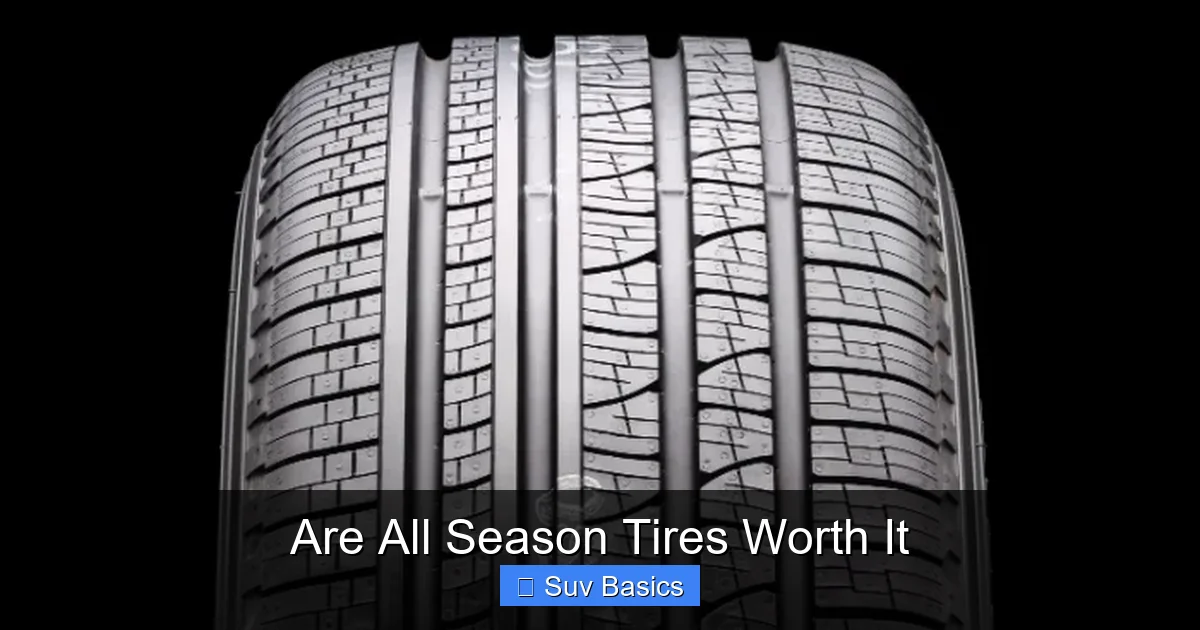
Visual guide about Are All Season Tires Worth It
Image source: autologiq.ca
All-season tires are engineered to deliver reliable performance across multiple weather conditions without needing to swap them out seasonally. Unlike summer tires, which excel in warm, dry conditions but harden in cold weather, or winter tires, which are optimized for snow and ice but wear quickly in summer, all-season tires aim to be the “jack of all trades.”
They feature a tread compound that stays flexible in cooler temperatures while resisting wear in heat. The tread patterns are designed to channel water away to prevent hydroplaning, and many models include siping—tiny slits in the tread blocks—to improve grip on wet or lightly snow-covered roads.
For SUV owners, this versatility is a major plus. Whether you’re commuting to work, taking weekend road trips, or driving through occasional winter flurries, all-season tires aim to keep you safe and comfortable year-round.
The Pros of All-Season Tires for SUVs
Convenience and Cost Savings
One of the biggest advantages of all-season tires is convenience. You don’t need to store a second set of tires or pay for seasonal changes. This is especially helpful if you live in an apartment or have limited garage space. Over time, avoiding the cost of mounting, balancing, and storing winter tires can save you hundreds of dollars.
Good Performance in Moderate Climates
If you live in a region with mild winters—think places like Atlanta, Dallas, or Southern California—all-season tires are often more than sufficient. They provide solid traction on dry roads and handle rain well, thanks to their water-channeling tread designs. Even in light snow, many modern all-season tires perform adequately, especially if they carry the 3PMSF (Three-Peak Mountain Snowflake) rating, which indicates improved winter capability.
Longer Tread Life and Fuel Efficiency
Many all-season tires are built with durability in mind. They use harder rubber compounds that resist wear, meaning you can drive more miles before needing a replacement. Some models also feature low rolling resistance, which helps improve fuel economy—a big deal for SUV owners who often face lower gas mileage due to vehicle weight and size.
For example, the Michelin Defender LTX and the Bridgestone Dueler H/L Alenza are popular all-season SUV tires known for their longevity and smooth ride. Owners often report getting 60,000 to 80,000 miles out of a set, which spreads the cost over many years.
The Limitations of All-Season Tires
Poor Performance in Harsh Winter Conditions
Here’s the catch: all-season tires are not winter tires. In areas with heavy snowfall, frequent ice, or temperatures consistently below freezing, their performance drops significantly. The rubber compound hardens in extreme cold, reducing grip and increasing stopping distances. Traction on icy roads is especially poor compared to dedicated winter tires.
If you live in places like Minneapolis, Denver, or upstate New York, relying solely on all-season tires in winter can be risky. Even with all-wheel drive, your SUV’s ability to stop and turn safely depends heavily on tire grip. In these climates, winter tires are not just recommended—they’re essential for safety.
Compromised Performance in Extreme Heat
While all-season tires handle moderate heat well, they’re not built for high-performance driving or scorching summer temperatures. In very hot climates, the tread can wear faster, and the softer compound (compared to summer tires) may not provide the sharp handling some drivers want. If you enjoy spirited driving or live in a desert region like Phoenix, summer tires might offer better responsiveness and cornering ability.
Not All All-Season Tires Are Equal
It’s important to remember that “all-season” is a broad category. Some models lean more toward comfort and longevity, while others prioritize wet traction or light snow performance. Always read reviews and check ratings from trusted sources like Consumer Reports or Tire Rack before buying.
All-Season vs. Winter vs. Summer Tires: Which Is Best for Your SUV?
When to Choose All-Season Tires
All-season tires are ideal if:
– You live in a moderate climate with mild winters.
– You want the convenience of one set of tires year-round.
– You prioritize comfort, fuel efficiency, and long tread life.
– You don’t frequently drive in deep snow or on icy roads.
For example, a family driving a Toyota RAV4 in Charlotte, North Carolina, will likely find all-season tires more than adequate. The occasional snowstorm is manageable, and the rest of the year offers plenty of dry and wet driving.
When to Consider Winter Tires
Winter tires are a must if:
– You live in a snowy or icy region.
– Temperatures regularly drop below 45°F (7°C).
– You value maximum safety and control in winter conditions.
Winter tires use a softer rubber compound that stays flexible in cold weather, and their aggressive tread patterns bite into snow and ice. Even a high-end all-season tire can’t match their performance in true winter conditions. For SUVs in places like Anchorage or Buffalo, winter tires aren’t optional—they’re a safety necessity.
When Summer Tires Make Sense
Summer tires are best for:
– Performance-oriented SUVs (like the Porsche Cayenne or BMW X5).
– Drivers in hot climates who want maximum grip and handling.
– Enthusiasts who enjoy driving on twisty roads or tracks.
However, summer tires become dangerously hard and slippery below 45°F, so they’re not practical for year-round use in most of the U.S.
How to Choose the Right All-Season Tires for Your SUV
Check the 3PMSF Rating
If you want all-season tires with better winter performance, look for the Three-Peak Mountain Snowflake symbol. This certification means the tire has been tested and proven to perform in severe snow conditions. Tires like the Goodyear Assurance WeatherReady or the Continental CrossContact LX25 carry this rating and offer a step up in cold-weather capability.
Consider Your SUV’s Size and Weight
SUVs come in all shapes and sizes—from compact crossovers to full-size trucks. Make sure the tires you choose are rated for your vehicle’s load capacity and speed. Overloading or using undersized tires can lead to blowouts or poor handling.
Read Real-World Reviews
Don’t just rely on marketing claims. Check user reviews on sites like Tire Rack or Amazon. Look for feedback on wet braking, noise levels, comfort, and tread life. Real drivers often reveal issues that specs alone can’t show.
Balance Price and Performance
You don’t need to buy the most expensive tires to get good performance. Mid-range options like the Falken Wildpeak A/T3W (an all-terrain all-season tire) or the Pirelli Scorpion Verde offer excellent value. Set a budget, but remember that tires are a safety investment—don’t skimp too much.
Final Verdict: Are All-Season Tires Worth It?
So, are all-season tires worth it? For the majority of SUV owners in moderate climates, the answer is a resounding yes. They offer a practical, cost-effective solution that balances performance, comfort, and convenience. You get reliable traction in most everyday conditions, longer tread life, and the peace of mind of not needing seasonal changes.
However, if you live in an area with harsh winters or frequently drive in snow and ice, all-season tires alone may not be enough. In those cases, investing in a set of winter tires—or choosing all-weather tires with the 3PMSF rating—can significantly improve safety and confidence behind the wheel.
Ultimately, the best tire for your SUV depends on your specific needs. Consider your local weather, driving habits, and vehicle type. When in doubt, consult a trusted tire professional who can recommend the right fit for your lifestyle.
By choosing wisely, you’ll not only improve your SUV’s performance but also ensure every drive is as safe and smooth as possible.
Frequently Asked Questions
Are all-season tires safe in snow?
All-season tires can handle light snow and slush, especially if they have the 3PMSF rating. However, they are not as effective as winter tires in deep snow, ice, or sub-freezing temperatures.
Can I use all-season tires year-round?
Yes, that’s their main advantage. All-season tires are designed for year-round use in moderate climates, eliminating the need for seasonal changes.
Do all-season tires wear out faster than winter tires?
Generally, no. All-season tires often have longer tread life than winter tires because they use harder rubber compounds that resist wear in warmer conditions.
Are all-season tires good for off-roading?
Some all-season tires, especially all-terrain models, can handle light off-roading. However, for serious trails, dedicated all-terrain or mud-terrain tires are better suited.
How do I know if my all-season tires are winter-capable?
Look for the Three-Peak Mountain Snowflake (3PMSF) symbol on the sidewall. This indicates the tire meets severe snow service standards.
Should I buy all-season tires for my SUV?
If you live in a region with mild winters and want convenience, comfort, and long tread life, all-season tires are likely a great choice for your SUV.