
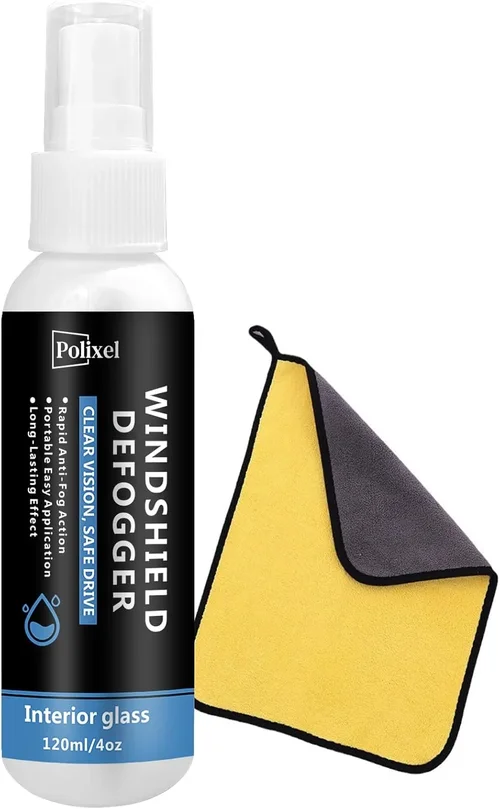
Driving in cold, damp, or humid weather can quickly turn a routine commute into a stressful and potentially dangerous experience—especially when your SUV’s windows fog up unexpectedly. That sudden loss of visibility isn’t just annoying; it’s a serious safety hazard. Whether you’re navigating mountain roads in winter, driving through coastal fog, or dealing with morning dew after a rainy night, having clear windows is non-negotiable. This is where an effective SUV defogger spray comes in—not as a luxury, but as an essential tool for safe driving.
In this comprehensive guide, we’ll walk you through everything you need to know to choose the right defogger spray for your SUV in 2026. From understanding how these sprays work to comparing top-performing formulas, evaluating price points, and avoiding common pitfalls, we’ve got you covered. Whether you’re a daily commuter, a weekend adventurer, or a parent shuttling kids to school in unpredictable weather, this guide will help you make an informed decision that prioritizes safety, convenience, and long-term value. The market is flooded with options—from budget-friendly household remedies to high-tech nano-coating solutions—so knowing what truly matters can save you time, money, and frustration.

What to Look for When Buying Buying Guide
1. Active Ingredients & Formula Type
The effectiveness of any defogger spray hinges on its chemical composition. Most products fall into two main categories: surfactant-based and hydrophilic polymer-based formulas. Surfactant sprays (like those containing isopropyl alcohol or glycerin) work by reducing surface tension on glass, preventing water droplets from forming. They’re typically fast-acting but may require frequent reapplication. Hydrophilic polymer sprays, on the other hand, create a thin, invisible layer that attracts moisture and spreads it evenly across the surface, minimizing fog formation over longer periods.
Look for sprays that clearly list their active ingredients—avoid vague “proprietary blends.” Ingredients like polydimethylsiloxane (PDMS), ethanol, or quaternary ammonium compounds are common and generally safe for automotive glass. Avoid products with high concentrations of ammonia or acetone, which can damage tinting, seals, or interior surfaces over time. In 2026, many premium sprays now incorporate nano-ceramic or graphene-enhanced coatings that offer multi-month protection, though these come at a higher price point.
2. Coverage Area & Concentration
Not all defogger sprays are created equal when it comes to coverage. A standard 8–12 oz bottle should treat an average SUV’s windshield and side windows multiple times, but cheaper concentrates might only last a few applications. Check the product label for estimated coverage—reputable brands often specify how many square feet or vehicle applications one bottle provides.
Concentration matters too. Some sprays are ready-to-use, while others require dilution with distilled water. Pre-mixed formulas are more convenient for most drivers, especially during winter months when quick application is key. However, concentrated versions offer better long-term value if you’re willing to mix them yourself. Always follow manufacturer instructions to avoid over-application, which can leave streaks or residue.
3. Speed of Action & Duration of Effect
How quickly a spray works and how long it lasts are critical factors, especially in extreme climates. Entry-level sprays may clear fog within 30–60 seconds but wear off after just a few days. Mid-tier options often provide 1–2 weeks of protection, while premium nano-coatings can last 4–8 weeks or even longer under normal conditions.
Consider your local climate: if you live in a region with frequent temperature swings (e.g., cold mornings followed by warm afternoons), you’ll benefit from a longer-lasting formula. Also, note that humidity levels inside your SUV—affected by passengers breathing, wet gear, or pets—can shorten effectiveness. For best results, apply the spray to clean, dry glass and allow it to cure fully before driving.
4. Compatibility with Tinted Windows & Coatings
Many modern SUVs come equipped with factory or aftermarket window tinting, UV-blocking films, or hydrophobic coatings. Using the wrong defogger spray can degrade these layers, causing discoloration, bubbling, or reduced clarity. Always verify compatibility before purchasing.
Look for labels that explicitly state “safe for tinted windows” or “compatible with ceramic coatings.” Avoid ammonia-heavy cleaners, as they’re notorious for damaging dyed tint films. If your SUV has advanced driver-assistance systems (ADAS) like lane-departure warnings or rain sensors mounted behind the windshield, ensure the spray won’t interfere with sensor functionality. Some premium defoggers are formulated to be optically clear and non-conductive, making them ideal for tech-heavy vehicles.
5. Ease of Application & Residue-Free Finish
A great defogger spray should be simple to apply and leave no visible residue, streaks, or smears. Sprays that require buffing with a microfiber cloth are common, but some newer aerosol or pump-bottle designs offer even, mist-like distribution that minimizes wiping.
Test the spray on a small section first—if it leaves a hazy film or attracts dust, it’s likely not formulated well. High-quality products dry clear and feel smooth to the touch. Avoid sprays that claim “no wipe needed” unless they’re specifically designed for that purpose; most still require gentle buffing for optimal clarity. Also, consider the bottle design: ergonomic grips, anti-clog nozzles, and leak-proof caps enhance usability, especially in cold weather when gloves are worn.
6. Environmental Impact & Safety
As consumers become more eco-conscious, the environmental footprint of automotive products is gaining attention. Many traditional defogger sprays contain volatile organic compounds (VOCs) that contribute to air pollution and may pose health risks with prolonged exposure. In 2026, look for low-VOC or VOC-free formulations certified by organizations like EPA Safer Choice or Green Seal.
Additionally, check for biodegradability and packaging sustainability. Brands using recyclable aluminum bottles or concentrated refills reduce plastic waste. Safety-wise, ensure the product is non-flammable (especially important if stored in a hot vehicle) and free from harsh irritants. Always store defogger sprays out of reach of children and pets, and avoid inhalation during use.
7. Brand Reputation & Customer Support
With countless brands flooding the market—from automotive giants like Rain-X and Meguiar’s to niche startups—it pays to choose a reputable manufacturer. Established brands typically invest more in R&D, quality control, and customer service. Read verified buyer reviews on platforms like Amazon, AutoZone, or specialized forums to gauge real-world performance.
Look for companies that offer clear usage guides, responsive customer support, and transparent ingredient lists. Some brands even provide video tutorials or mobile apps to help users apply their products correctly. Avoid unknown brands with suspiciously low prices or exaggerated claims (e.g., “lasts 6 months!”)—these are often red flags for ineffective or potentially harmful formulations.
8. Warranty & Return Policy
While defogger sprays aren’t typically covered by long-term warranties, a generous return policy can signal confidence in product quality. Reputable retailers and manufacturers often allow returns within 30 days if the product doesn’t perform as advertised. This is especially valuable when trying a new brand or formula.
Check the fine print: some policies require unopened bottles, while others accept used products if accompanied by proof of purchase. If buying online, ensure the seller offers hassle-free returns. For premium nano-coating sprays that cost $50+, a solid return window is essential—you don’t want to be stuck with a product that doesn’t deliver on its promises.
Different Types of Buying Guide

Common Buying Mistakes to Avoid
❌ Mistake: Choosing Based Solely on Price
Why it’s bad: The cheapest defogger spray might save you a few dollars upfront, but if it requires daily reapplication or damages your windows, you’ll end up spending more in the long run—and risking safety.
What to do instead: Balance cost with performance. A mid-range hydrophilic spray ($15–$20) often offers the best value for most drivers, providing weeks of protection without breaking the bank.
❌ Mistake: Ignoring Window Tint Compatibility
Why it’s bad: Ammonia-based or alcohol-heavy sprays can cause tinted windows to bubble, peel, or lose their UV-blocking properties, leading to costly replacements.
What to do instead: Always check the label for “tint-safe” certification. When in doubt, contact the tint manufacturer or choose a dedicated tint-safe defogger like those from Stoner or Glass Science.
❌ Mistake: Over-Applying the Product
Why it’s bad: Excess spray can pool in window seals, attract dirt, or create hazy streaks that reduce visibility instead of improving it.
What to do instead: Use a light mist and buff thoroughly with a clean microfiber cloth. Less is often more—follow the “two-spray rule” per window unless otherwise instructed.
❌ Mistake: Storing in Extreme Temperatures
Why it’s bad: Leaving defogger spray in a hot car trunk or freezing garage can degrade the formula, separate ingredients, or cause bottle leaks.
What to do instead: Store in a cool, dry place like a glove compartment or cabin storage bin. Most sprays perform best between 50°F and 80°F.
❌ Mistake: Assuming All “Anti-Fog” Products Are Equal
Why it’s bad: Some products marketed as “anti-fog” are actually glass cleaners with mild defogging properties—they won’t prevent fog formation, only clean existing residue.
What to do instead: Read product descriptions carefully. True defogger sprays will explicitly state they “prevent condensation” or “reduce fog formation,” not just “clean windows.”
❌ Mistake: Skipping Surface Preparation
Why it’s bad: Applying defogger to dirty, greasy, or wet glass drastically reduces effectiveness. Oil residues prevent proper adhesion of the active layer.
What to do instead: Always clean windows with a dedicated glass cleaner and dry completely before applying defogger. For best results, use isopropyl alcohol to remove any lingering oils.
❌ Mistake: Not Testing Before Full Application
Why it’s bad: Some sprays may react poorly with certain glass types or existing coatings, causing cloudiness or discoloration.
What to do instead: Test on a small, inconspicuous area (like the bottom corner of a side window) and wait 24 hours before treating the entire windshield.
Budget Guidelines: How Much Should You Spend?
Entry-Level ($5 – $12): Ideal for occasional use or mild climates. These surfactant-based sprays work quickly but require frequent reapplication (every 2–5 days). Brands like Rain-X Anti-Fog or household vinegar-water mixes fall here. Great for budget-conscious buyers who don’t drive daily in harsh conditions.
Mid-Range ($13 – $25): The sweet spot for most SUV owners. These hydrophilic polymer sprays offer 1–3 weeks of protection, are tint-safe, and come in user-friendly bottles. Examples include Meguiar’s Anti-Fog and Invisible Glass Anti-Fog. Excellent balance of performance, convenience, and value.
Premium ($26 – $50): Designed for demanding environments—think snowy mountain passes, tropical humidity, or frequent road trips. Nano-enhanced formulas like those from Gtechniq or CarPro provide 4–8 weeks of dual-action protection (anti-fog + hydrophobic). Often include applicator cloths and detailed instructions.
Luxury ($50+): Top-tier ceramic or graphene-infused coatings used by detailing professionals. Products like Nanolex Pure Glass or IGL Kenzo offer 2–6 months of protection, self-cleaning properties, and enhanced clarity. Best for luxury SUV owners or those seeking maximum convenience and performance.
Expert Tips for Getting the Best Deal
1. Buy During Off-Season Sales: Defogger sprays see peak demand in fall and winter. Shop in spring or summer (March–August) when retailers discount inventory. Black Friday and Cyber Monday also offer solid deals, but stock may be limited.
2. Compare Online vs. In-Store: Online retailers like Amazon, AutoGeek, or Detailed Image often have lower prices, detailed reviews, and faster shipping. However, local auto parts stores (e.g., O’Reilly, Advance Auto) let you inspect bottles and ask staff for recommendations—plus instant pickup.
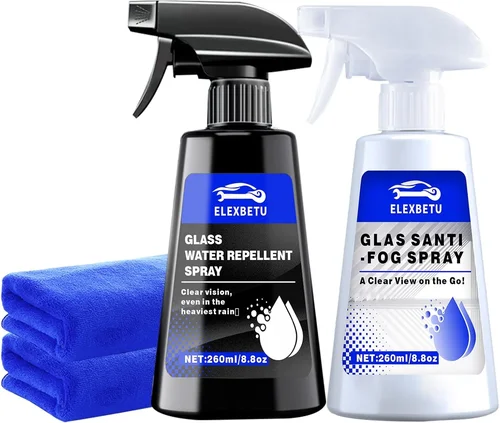
3. Look for Bundle Offers: Many brands sell defogger sprays with microfiber cloths, glass cleaners, or interior protectants at a discounted rate. These kits provide better value than buying items separately.
4. Check Return Policies Before Buying: Especially for premium sprays, ensure you can return the product if it doesn’t perform. Some online sellers offer 60-day return windows—use them to test effectiveness in your specific climate.
5. Read Verified Purchase Reviews: Focus on reviews from buyers who mention their vehicle type (e.g., “used on my 2024 Toyota Highlander”) and climate. Generic praise like “works great!” is less helpful than detailed experiences.
6. Consider Concentrates for Long-Term Savings: If you’re comfortable mixing solutions, concentrated defogger liquids can cost 40–60% less per application than pre-mixed sprays. Just ensure you have distilled water and a clean spray bottle.
7. Test on One Window First: Before committing to a full application, treat a single side window and monitor its performance over a week. This minimizes risk and helps you assess real-world effectiveness.
8. Store Properly to Extend Shelf Life: Most defogger sprays remain effective for 2–3 years if stored correctly. Keep caps tightly sealed and avoid direct sunlight. Label bottles with purchase dates to track freshness.

Frequently Asked Questions
Q: Can I use household items like shaving cream or dish soap as a defogger?
A: While some DIY methods (e.g., diluted dish soap or shaving cream) can temporarily reduce fog, they’re not recommended for regular use. These substances can leave residues, attract dirt, or degrade window coatings over time. For reliable, long-term results, stick to purpose-built automotive defogger sprays.
Q: How often should I reapply defogger spray?
A: It depends on the product and your environment. Surfactant sprays may need reapplication every 2–5 days, while polymer or nano-coatings can last 2–8 weeks. Reapply after heavy rain, car washes, or if you notice fog returning sooner than expected.
Q: Will defogger spray work on my SUV’s rear windshield with defroster lines?
A: Yes—most defogger sprays are safe for heated rear windows. However, avoid spraying directly onto the defroster grid lines, as excess liquid can seep under the glass and cause damage. Apply to the main glass area and buff gently.
Q: Is it safe to use defogger spray on panoramic sunroofs?
A: Absolutely, as long as the product is compatible with tempered glass and any existing coatings. Panoramic roofs are prone to fogging due to large surface area and temperature differentials, making defogger sprays especially useful.
Q: Can defogger spray damage my SUV’s interior electronics?
A: No, when used correctly. Quality defogger sprays are non-conductive and evaporate cleanly. Just avoid overspray near dashboards, touchscreens, or vents. Wipe any accidental contact immediately.
Q: Do I need to use defogger spray if my SUV has built-in defoggers?
A: Built-in defoggers (heated grids or HVAC systems) help clear existing fog but don’t prevent it from forming. A spray adds a preventive layer, reducing reliance on energy-intensive systems and improving visibility faster—especially during startup.
Q: Are there defogger sprays safe for use with dogs or children in the car?
A: Yes—look for non-toxic, low-VOC formulas labeled “pet-safe” or “child-safe.” Avoid sprays with strong chemical odors. Always allow the treated windows to dry completely before passengers enter the vehicle.
Q: Can I apply defogger spray in cold weather?
A: Yes, but ensure the glass is above freezing (32°F/0°C) and dry. Cold, wet glass won’t allow proper adhesion. For best results, apply indoors or in a garage, then let the vehicle warm up slightly before driving.
Q: Will defogger spray remove existing water spots or hard water stains?
A: No—defogger sprays are not cleaners. They prevent fog but won’t remove mineral deposits. Use a dedicated glass cleaner or vinegar solution first, then apply defogger for lasting clarity.
Q: How do I know if a defogger spray has expired?
A: Check the bottle for a “best by” date. Expired sprays may separate, lose effectiveness, or develop an off odor. If the liquid appears cloudy or gritty, discard it and replace with a fresh bottle.
Our Final Recommendations
Best for Budget-Conscious Buyers: Rain-X Anti-Fog Interior Glass Treatment ($8–$12)
A reliable surfactant-based spray that clears fog quickly and works well for occasional use. Widely available and easy to apply, though reapplication is needed every few days.
Best Overall Value: Meguiar’s Anti-Fog Interior Glass Treatment ($15–$18)
Offers excellent balance of performance, longevity (2–3 weeks), and tint safety. Comes with a premium microfiber cloth and clear instructions—ideal for daily drivers.
Best Premium Option: Gtechniq G3 Liquid Nano Glass Coating ($45–$55)
A professional-grade nano-ceramic spray that provides 4–6 months of anti-fog and hydrophobic protection. Requires careful application but delivers unmatched clarity and durability.
Best for Beginners: Invisible Glass Anti-Fog Spray ($10–$14)
User-friendly pump bottle, no harsh chemicals, and effective for 1–2 weeks. Perfect for those new to defogger sprays who want simplicity and safety.
Best for Advanced Users: CarPro Clarify + Anti-Fog Kit ($60–$70)
Combines a glass cleaner with a long-lasting anti-fog coating. Ideal for detailers or enthusiasts who want a complete glass care system with professional results.
Conclusion: Making the Right Choice
Choosing the right SUV defogger spray isn’t just about clearing fog—it’s about enhancing safety, comfort, and driving confidence in every season. As we’ve explored, the best product for you depends on your climate, vehicle type, budget, and usage habits. Whether you opt for an affordable surfactant spray for occasional use or invest in a nano-coating for year-round protection, the key is to prioritize quality, compatibility, and real-world performance over flashy marketing claims.
Remember: a clear windshield isn’t a luxury—it’s a necessity. By following the guidelines in this 2026 buying guide, you’ll be equipped to make a smart, informed decision that keeps you and your passengers safe on the road. Don’t wait for the next foggy morning to take action. Stock up on a trusted defogger spray today, and enjoy peace of mind knowing your view will stay crystal clear, no matter what the weather throws your way.