
When it comes to towing with your SUV, the hitch ball mount is one of the most critical—and often overlooked—components in your setup. Whether you’re hauling a small utility trailer for weekend yard work, pulling a camper for a family road trip, or transporting a boat to the lake, the right hitch ball mount ensures safety, stability, and peace of mind. Yet, many SUV owners underestimate the importance of selecting the correct mount, leading to poor towing performance, equipment damage, or even dangerous accidents on the road.
This comprehensive buying guide is designed to cut through the confusion and help you make an informed decision. We’ll walk you through every essential factor—from weight ratings and ball sizes to build quality and compatibility—so you can choose a hitch ball mount that matches your SUV, your towing needs, and your budget. Whether you’re a first-time buyer or upgrading from an older model, this guide will equip you with expert knowledge to avoid common pitfalls and get the best value for your investment.
The market for SUV hitch ball mounts has evolved significantly in recent years. With advancements in materials, design, and safety features, today’s mounts offer greater durability, precision, and versatility than ever before. From fixed to adjustable, single to dual-ball setups, and budget-friendly to premium models, there’s a wide range of options available. However, this abundance of choice can be overwhelming without proper guidance. That’s where this guide comes in—our goal is to simplify the process, highlight what truly matters, and help you find the perfect hitch ball mount for your specific towing requirements.

What to Look for When Buying Buying Guide
1. Towing Capacity & Weight Ratings
The most important factor when selecting a hitch ball mount is ensuring it can safely handle the weight of your trailer and its load. Every SUV has a specific towing capacity, which is determined by the manufacturer and listed in your owner’s manual. This capacity includes both the Gross Trailer Weight (GTW)—the total weight of the loaded trailer—and the Tongue Weight (TW), which is the downward force exerted by the trailer coupler on the hitch ball.
Your hitch ball mount must have a GTW and TW rating that meets or exceeds your trailer’s requirements. For example, if your trailer weighs 5,000 pounds when fully loaded, you need a mount rated for at least that amount. Exceeding the weight rating, even slightly, can lead to structural failure, loss of control, or damage to your SUV’s frame and suspension. Always check both the mount’s rating and your SUV’s towing capacity before purchasing.
2. Ball Size Compatibility
Hitch balls come in standard sizes: 1-7/8 inches, 2 inches, and 2-5/16 inches. The correct size depends on your trailer’s coupler, which must match the ball diameter exactly. Using the wrong size—even if it seems close—can result in a loose or insecure connection, increasing the risk of detachment while driving.
Most small utility trailers and pop-up campers use a 2-inch ball, while larger travel trailers, boats, and equipment trailers typically require a 2-5/16-inch ball. Light-duty applications like small cargo trailers may use the 1-7/8-inch size. Always inspect your trailer coupler or consult the manufacturer to confirm the required ball size before buying a mount.
Some adjustable or multi-ball mounts allow you to switch between sizes, which is ideal if you tow different types of trailers. However, ensure that each ball position is securely locked and rated for the intended load.
3. Rise, Drop, and Shank Length
The geometry of your hitch ball mount—specifically the rise, drop, and shank length—plays a crucial role in maintaining proper trailer alignment. The goal is to keep the trailer level when hitched, which ensures even weight distribution, optimal braking, and stable handling.
Rise refers to how high the ball sits above the hitch receiver, while drop is how low it sits below. If your SUV sits high off the ground (common with lifted or off-road SUVs), you may need a mount with significant rise to level the trailer. Conversely, if your SUV is low to the ground, a drop mount may be necessary.
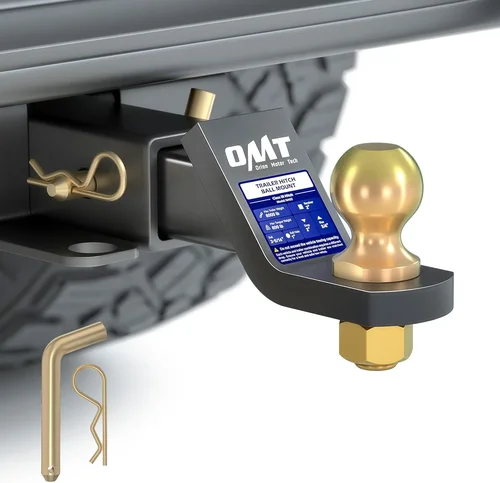
The shank length determines how far the mount extends into the receiver. A longer shank provides more stability and reduces side-to-side movement, but it must fit snugly without overhang. Most standard mounts have a 2-inch or 2.5-inch shank, compatible with Class III or IV receivers. Always measure your receiver’s inner dimensions and compare them to the mount’s shank specifications.
4. Build Quality & Durability
A hitch ball mount is subjected to extreme stress, vibration, and environmental exposure. Therefore, build quality directly impacts safety and longevity. Look for mounts made from high-strength steel or forged steel, which offer superior strength and resistance to bending or cracking under load.
Avoid cheap, thin-walled mounts or those made from cast iron, which can be brittle and prone to failure. Powder-coated or galvanized finishes provide excellent corrosion resistance, especially important if you live in areas with snow, salt, or high humidity. Some premium mounts feature additional treatments like e-coating or zinc plating for extra protection.
Weld quality is another critical factor. Inspect the welds on the ball platform and shank—they should be smooth, consistent, and free of cracks or porosity. Poor welding is a red flag and can compromise structural integrity.
Finally, consider the design. A well-engineered mount will have a low center of gravity, reinforced gussets, and a compact profile to reduce stress on the receiver. Avoid overly long or flimsy designs that can flex under load.
5. Type of Mount: Fixed vs. Adjustable
Fixed mounts are simple, durable, and typically less expensive. They have a single ball position and are ideal if you only tow one type of trailer and your SUV’s ride height doesn’t change. Because they have fewer moving parts, fixed mounts are generally more reliable and require less maintenance.
Adjustable mounts allow you to change the ball height by flipping the shank or using a sliding mechanism. This versatility makes them perfect for SUVs with varying ride heights (e.g., due to load or suspension modifications) or owners who tow multiple trailers with different coupler heights. Some high-end adjustable mounts offer quick-release levers or tool-free height changes.
However, adjustable mounts are usually more expensive and slightly heavier. They also have more components that can wear out over time. If you prioritize simplicity and strength, go fixed. If flexibility is key, invest in a quality adjustable model.
6. Single vs. Dual Ball Setup
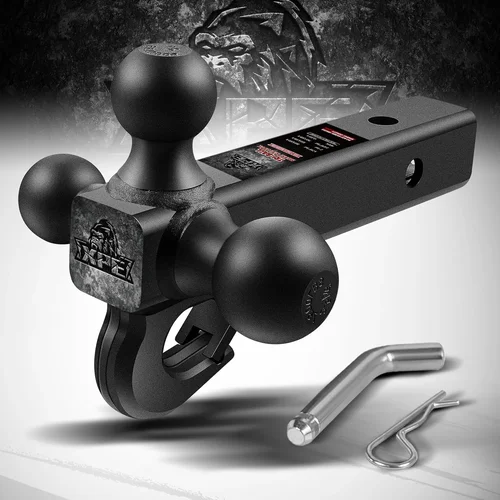
Most hitch ball mounts feature a single ball, but dual-ball mounts are available for those who frequently switch between trailers with different coupler sizes. These mounts have two balls mounted side by side—commonly a 2-inch and a 2-5/16-inch—allowing you to tow various trailers without changing the entire mount.
Dual-ball mounts are convenient for multi-trailer owners, such as contractors, landscapers, or RV enthusiists. However, they are heavier and more expensive than single-ball models. Additionally, only one ball should be used at a time, and the unused ball must be secured to prevent rattling or damage.
Some dual mounts are designed with a quick-change system, making it easy to swap balls. Others require removing and reattaching the entire mount. Consider your frequency of use and whether the added convenience justifies the cost.
7. Compatibility with Your SUV and Hitch Receiver
Not all hitch ball mounts fit all SUVs. Compatibility depends on your vehicle’s hitch receiver class and size. Most SUVs use a 2-inch receiver (Class III or IV), but some heavy-duty models may have a 2.5-inch receiver (Class V). Always verify your receiver size before purchasing.
Additionally, check the mount’s shank dimensions and ensure it fits snugly. A loose fit can cause excessive movement, leading to wear on the receiver and poor towing performance. Some mounts include built-in anti-rattle systems or come with locking pins to secure the connection.
Also consider your SUV’s ground clearance and bumper design. A mount that extends too far may scrape on driveways or obstacles. Conversely, one that’s too short may not provide adequate ball height. Measure your setup carefully or consult your SUV’s towing guide.
8. Brand Reputation & Warranty
While price is important, don’t compromise on brand reputation. Established manufacturers like Curt, Draw-Tite, Reese, and Andersen have decades of experience and rigorous testing standards. They offer reliable products with clear specifications and strong customer support.
Cheap, no-name brands may save you money upfront but often lack quality control, accurate ratings, or proper safety certifications. In the event of failure, you may have no recourse for replacement or refund.
Warranty is another key consideration. Most reputable brands offer a limited lifetime warranty or at least a 1- to 3-year guarantee against defects. This reflects confidence in their product’s durability. Always register your purchase and keep the receipt to ensure warranty coverage.
Different Types of Buying Guide

Common Buying Mistakes to Avoid
❌ Mistake: Ignoring Weight Ratings
Why it’s bad: Overloading your hitch ball mount is one of the most dangerous mistakes you can make. Even if the ball size matches, a mount rated for 3,500 lbs cannot safely handle a 5,000-lb trailer. This can lead to catastrophic failure, especially at high speeds or on uneven terrain.
What to do instead: Always check both the GTW and TW ratings on the mount and compare them to your trailer’s specifications. When in doubt, choose a mount with a higher rating than needed for a safety buffer.
❌ Mistake: Choosing the Wrong Ball Size
Why it’s bad: A mismatched ball size creates a loose or overly tight connection, increasing the risk of trailer sway, coupler wear, or complete detachment. This is especially dangerous on highways or during sudden maneuvers.
What to do instead: Measure your trailer coupler or consult the owner’s manual. If you’re unsure, take the coupler to a hardware store or trailer dealer for confirmation. Never guess.
❌ Mistake: Overlooking Rise and Drop Requirements
Why it’s bad: An improperly leveled trailer can cause uneven tire wear, poor braking, and increased strain on your SUV’s suspension. It can also lead to trailer sway, which is difficult to control and potentially hazardous.
What to do instead: Measure the height of your hitch receiver and your trailer coupler when level. Choose a mount with the appropriate rise or drop to keep the trailer horizontal. Use an adjustable mount if your setup varies.
❌ Mistake: Buying Based on Price Alone
Why it’s bad: The cheapest mount may save you $20 upfront but could cost you hundreds in repairs or medical bills if it fails. Low-quality mounts often lack proper ratings, use inferior materials, or have poor welds.
What to do instead: Prioritize value over price. Invest in a reputable brand with clear specifications, strong build quality, and a solid warranty. Think of it as a safety investment.
❌ Mistake: Neglecting Maintenance and Inspection
Why it’s bad: Even the best mount can degrade over time due to rust, vibration, or impact. A cracked weld or corroded ball can fail without warning, especially under load.
What to do instead: Inspect your mount before each trip. Look for cracks, rust, loose bolts, or ball wear. Clean and lubricate the ball and coupler regularly. Replace the mount if you notice any damage.
❌ Mistake: Using the Wrong Receiver Class
Why it’s bad: A Class II mount used in a Class III receiver may fit loosely, causing excessive movement and wear. Conversely, a Class V mount won’t fit a Class III receiver at all.
What to do instead: Confirm your SUV’s receiver class (usually stamped on the hitch) and match it to the mount’s shank size. Most SUVs use Class III (2-inch), but verify before buying.
❌ Mistake: Not Securing the Mount Properly
Why it’sbad: A loose mount can rattle, shift, or even fall out of the receiver while driving. This not only damages your SUV but poses a serious road hazard.
What to do instead: Always use a hitch pin and clip or a locking hitch pin. Consider an anti-rattle device or wedge to eliminate play. Double-check tightness before every trip.
Budget Guidelines: How Much Should You Spend?
Hitch ball mounts vary widely in price, but understanding what you get at each tier helps you make a smart investment. Here’s a breakdown of what to expect across different budget ranges:
Entry-Level ($30 – $60): These mounts are typically fixed, single-ball designs made from stamped steel. They’re suitable for light-duty towing (under 3,500 lbs) and occasional use. While functional, they may lack corrosion resistance and detailed weight ratings. Best for budget-conscious buyers with simple needs.
Mid-Range ($60 – $120): This is the sweet spot for most SUV owners. These mounts often feature powder-coated finishes, clearer weight ratings, and better build quality. You’ll find both fixed and adjustable models, with options for dual balls. Ideal for regular towing of campers, boats, or utility trailers.
Premium ($120 – $250): Premium mounts are built for performance and durability. They’re usually forged from high-strength steel, offer precise adjustability, and include anti-rattle features. Many come with lifetime warranties and are designed for heavy-duty or commercial use. Perfect for frequent towers or those with lifted SUVs.
Luxury ($250+): At this level, you’re paying for innovation and convenience. Features may include quick-release systems, integrated locks, folding designs, or smart technology like load sensors. These are best for enthusiasts, professionals, or those who prioritize ease of use and long-term reliability.
Expert Tips for Getting the Best Deal
- Buy During Off-Season: Prices on towing equipment often drop in late fall and winter when demand is low. Look for sales around Black Friday, Cyber Monday, or post-holiday clearance events.
- Shop Online for Better Selection: Online retailers like Amazon, etrailer, and AutoZone offer extensive inventories, detailed specs, and customer reviews. You can compare models side by side and often find lower prices than in-store.
- Check for Bundles: Some sellers offer hitch ball mounts with locking pins, hitch covers, or trailer wiring kits at a discounted bundle price. This can save you 10–20% compared to buying separately.
- Read Reviews Carefully: Focus on reviews that mention real-world use, weight capacity, and durability. Avoid products with vague descriptions or inconsistent ratings.
- Verify Return Policies: Ensure the seller accepts returns if the mount doesn’t fit or meet expectations. Some online stores offer free returns, while others charge restocking fees.
- Consider Refurbished or Open-Box: Reputable retailers sometimes sell returned or lightly used mounts at a discount. These are often inspected and come with warranties, offering great value.
- Test Fit Before Finalizing: If possible, test the mount in your receiver before securing it. Ensure it fits snugly and the ball height is correct. Make adjustments or exchanges early.
- Register for Warranty: Always register your purchase with the manufacturer. This ensures you’re covered in case of defects and may provide access to customer support or replacement parts.

Frequently Asked Questions
Q: Can I use a hitch ball mount with any SUV?
A: Not necessarily. Compatibility depends on your SUV’s hitch receiver size and class. Most SUVs use a 2-inch receiver (Class III or IV), but you must also ensure the mount’s weight rating matches your vehicle’s towing capacity. Always check your owner’s manual and the mount’s specifications.
Q: How do I know if my trailer is level?
A: Park your SUV on level ground, hitch the trailer, and measure the height of the trailer’s frame at the front and back. If the measurements are within 1 inch, the trailer is level. Use an adjustable mount to fine-tune the height if needed.
Q: Can I install a hitch ball mount yourself?
A: Yes, most mounts are designed for easy installation. Simply insert the shank into the receiver, secure it with a hitch pin, and tighten. No tools are required for basic models. However, always follow the manufacturer’s instructions.
Q: How often should I inspect my hitch ball mount?
A: Inspect it before every trip. Look for cracks, rust, loose bolts, or ball wear. Perform a more thorough check monthly, especially if you tow frequently or in harsh conditions.
Q: What’s the difference between GTW and TW?
A: GTW (Gross Trailer Weight) is the total weight of the loaded trailer. TW (Tongue Weight) is the downward force the trailer exerts on the hitch ball, typically 10–15% of GTW. Both must be within the mount’s rated limits.
Q: Can I use a 2-inch ball for a 2-5/16-inch coupler?
A: No. The ball must match the coupler size exactly. Using a smaller ball creates a dangerous gap, while a larger ball won’t fit. Always use the correct size.
Q: Do I need a locking hitch pin?
A: It’s highly recommended, especially if you park in public areas or leave your SUV unattended. A locking pin prevents theft and ensures the mount stays secure.
Q: Can I tow with a damaged mount?
A: No. Even small cracks or bends can worsen under load. Replace any damaged mount immediately. Safety should always come first.
Q: Are adjustable mounts less durable?
A: Not necessarily. High-quality adjustable mounts from reputable brands are built to last. However, they have more moving parts, so regular inspection is important.
Q: What’s the best material for a hitch ball mount?
A: Forged steel is the strongest and most durable. Powder-coated or galvanized finishes add corrosion resistance. Avoid thin or cast materials.
Our Final Recommendations
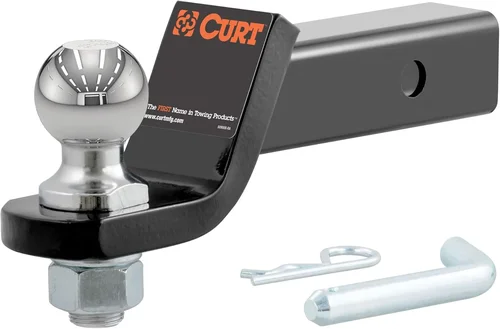
Best for Budget-Conscious Buyers: Curt 45056 Class III Ball Mount – A reliable fixed mount with a 2-inch ball, rated for 6,000 lbs GTW. Durable powder-coated finish and excellent value under $50.
Best Overall Value: Draw-Tite 66026 Adjustable Ball Mount – Offers 6 inches of vertical adjustment, fits 2-inch receivers, and supports up to 10,000 lbs. Ideal for SUVs with varying ride heights.
Best Premium Option: Andersen 3350 Aluminum Adjustable Ball Mount – Lightweight yet strong, with a corrosion-resistant aluminum body and quick-adjust system. Perfect for frequent towers who want top-tier performance.
Best for Beginners: Reese 44694 Towpower Ball Mount – Simple, affordable, and easy to install. Comes with a 2-inch ball and clear weight ratings, great for first-time buyers.
Best for Advanced Users: Curt 45900 Pintle Hook and Ball Mount Combo – Combines a 2-5/16-inch ball with a pintle hook for heavy-duty or off-road towing. Built for professionals and serious adventurers.
Conclusion: Making the Right Choice
Choosing the right hitch ball mount for your SUV isn’t just about convenience—it’s about safety, performance, and long-term reliability. By understanding key factors like weight ratings, ball size, adjustability, and build quality, you can avoid common pitfalls and select a mount that truly meets your needs. Whether you’re towing a small trailer or a full-sized camper, the right mount ensures a smooth, stable, and secure journey.
Remember, the cheapest option isn’t always the best, and the most expensive isn’t always necessary. Focus on value, compatibility, and durability. Take the time to measure, research, and compare. Read reviews, check warranties, and don’t hesitate to ask experts for advice.
Your SUV is a powerful tool, and with the right hitch ball mount, it can handle almost any towing challenge with confidence. So invest wisely, maintain your equipment, and enjoy the freedom that comes with safe, reliable towing. Your next adventure is just a hitch away.