
[FEATURED_IMAGE_PLACEOLDER]
When you’re out on the trail, miles from civilization, your SUV isn’t just a vehicle—it’s your lifeline. Whether you’re navigating rocky mountain passes, muddy forest trails, or snow-covered backroads, one thing is certain: getting stuck is rarely a matter of if, but when. That’s why having a reliable SUV recovery gear kit isn’t just a smart precaution—it’s essential gear for any serious off-roader, overlander, or weekend adventurer. In 2026, the market for recovery equipment has evolved dramatically, with innovations in materials, design, and safety features making it easier than ever to choose the right setup. But with so many options available—from basic strap kits to full-featured recovery systems with winches and kinetic ropes—it’s easy to feel overwhelmed.
This comprehensive buying guide is designed to cut through the noise and help you make an informed decision. Whether you’re a first-time buyer or upgrading from outdated gear, we’ll walk you through every critical factor to consider, from budget and build quality to performance specs and brand reputation. You’ll learn how to match your recovery kit to your driving style, terrain, and vehicle type, and avoid common pitfalls that could leave you stranded—or worse, injured. By the end of this guide, you’ll not only know what to look for in a recovery kit, but also how to use it safely and effectively when the unexpected happens.
The SUV recovery gear market in 2026 is more competitive and advanced than ever. Manufacturers like ARB, Warn, Smittybilt, and Rhino USA are pushing the envelope with high-tensile synthetic ropes, corrosion-resistant shackles, and modular kits that adapt to different recovery scenarios. At the same time, budget-friendly brands are offering surprisingly durable options for casual users. With this guide, you’ll gain expert-level insight into what separates a good kit from a great one, how to balance cost and capability, and which features truly matter when you’re pulling your rig out of a ditch at dusk. Let’s get you equipped—and confident—for whatever the trail throws your way.

What to Look for When Buying Buying Guide
1. Budget & Price Range
Your budget is often the first filter when selecting an SUV recovery gear kit, but it shouldn’t be the only one. Recovery gear ranges from under $100 for basic strap-and-shackle kits to over $1,500 for professional-grade systems with winches, kinetic ropes, and recovery boards. While it’s tempting to go for the cheapest option, remember: this gear could one day save your vehicle—or your life. A low-cost kit might save you money upfront, but if it fails under load, the consequences can be severe.
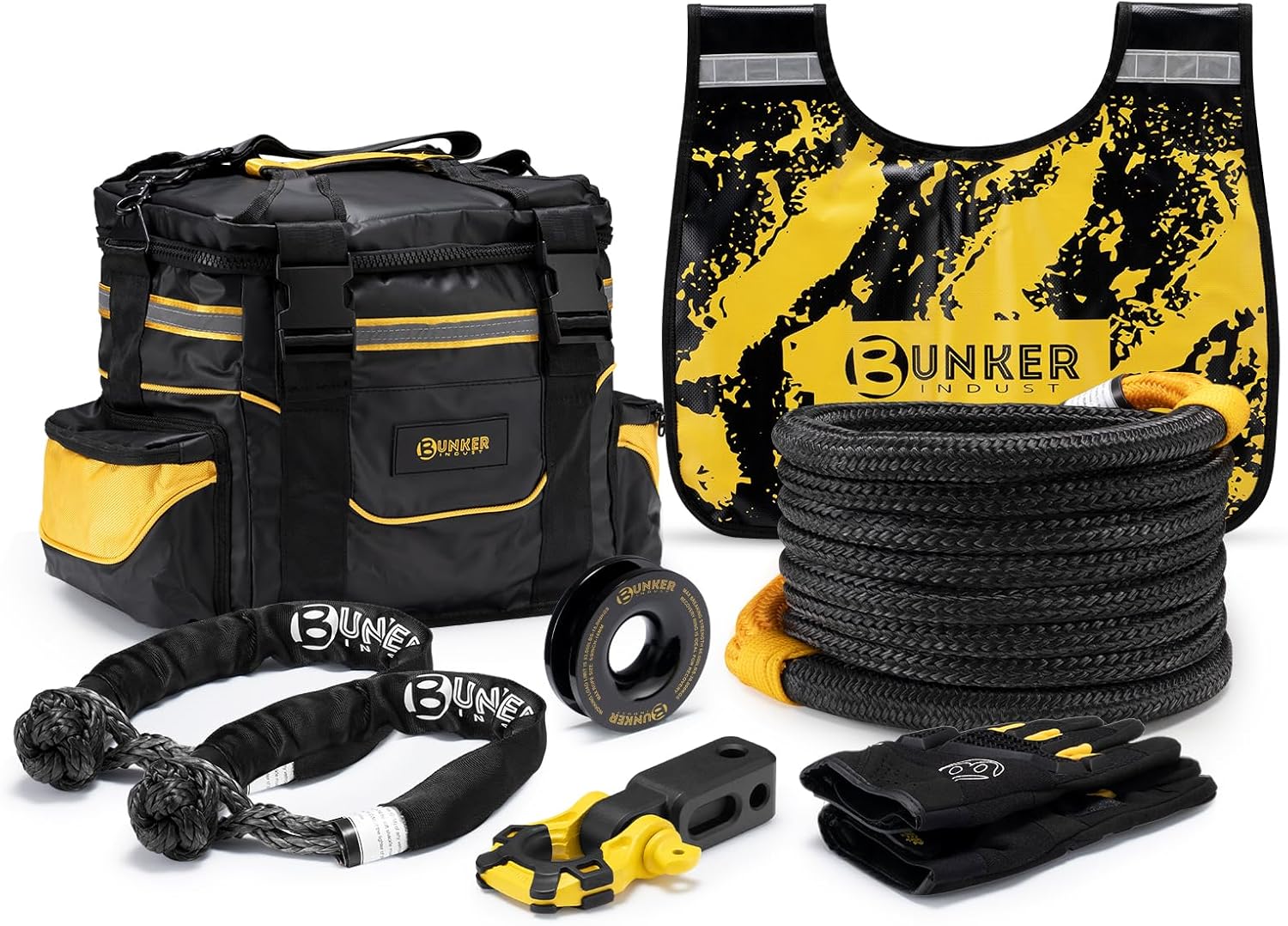
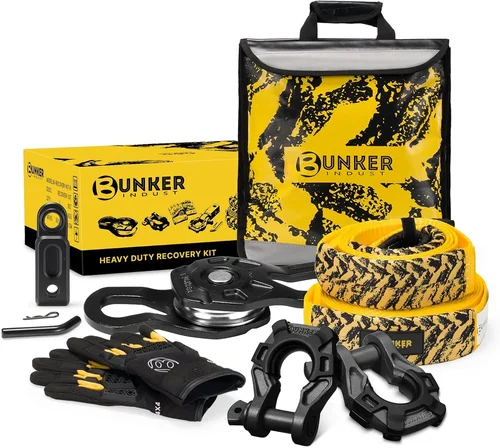
That said, you don’t need to break the bank to get reliable equipment. Mid-range kits ($200–$500) often offer the best balance of quality, features, and value. These typically include high-quality recovery straps, D-ring shackles, gloves, and sometimes a snatch block or winch extension. Premium kits ($500+) are ideal for frequent off-roaders or those tackling extreme terrain, as they include advanced components like kinetic recovery ropes, winch dampers, and reinforced recovery points.
2. Performance Specifications
Performance specs are where many buyers go wrong—either by underestimating their needs or overpaying for capabilities they’ll never use. The most important specs to evaluate are breaking strength, working load limit (WLL), and compatibility with your vehicle’s weight. For example, a typical midsize SUV weighs between 4,000 and 6,000 pounds. Your recovery straps and shackles should have a minimum breaking strength of 20,000 to 30,000 pounds to safely handle dynamic loads during a snatch recovery.
Kinetic recovery ropes, which stretch under load to provide a smoother, more powerful pull, typically have a WLL of 8,000 to 12,000 pounds and a breaking strength of 20,000 to 35,000 pounds. Winches, if included, should have a pulling capacity of at least 1.5 times your vehicle’s curb weight. So for a 5,000-pound SUV, look for a winch rated at 8,000 pounds or higher. Also consider line speed, motor type (series-wound vs. permanent magnet), and whether the winch uses steel cable or synthetic rope—synthetic is lighter, safer, and easier to handle, but more prone to abrasion.
Don’t overlook recovery board specifications. Look for boards made from high-density polyethylene (HDPE) with a load capacity of at least 10,000 pounds and aggressive tread patterns for maximum traction. Some boards are designed to interlock, allowing you to create a wider platform for larger tires.
3. Build Quality & Durability
When you’re stuck in the mud at 10,000 feet, you don’t want your recovery gear failing because of poor materials or construction. High-quality recovery straps are made from double-stitched, abrasion-resistant polyester webbing with reinforced eye loops. Avoid nylon straps—they stretch too much and can snap back dangerously if they break. Look for straps with a minimum of 6,000 pounds WLL and UV-resistant coatings to prevent degradation from sun exposure.
Shackles should be forged, not cast, and made from galvanized or powder-coated steel to resist rust. D-ring shackles with a screw-pin design are safer than bolt-type because they’re less likely to loosen under vibration. The pin should be at least 7/8″ in diameter for heavy-duty use. Synthetic recovery ropes should feature a protective sleeve at the eyes and be made from high-tenacity Dyneema or Spectra fibers, which are stronger than steel by weight and float in water.
Winches should have sealed motors and gearboxes to prevent water and dust ingress. Look for IP67 or higher ratings for water resistance. Recovery boards should be impact-resistant and able to withstand repeated compression without cracking. Always check for certifications like CE, ISO, or SAE, which indicate third-party testing and compliance with safety standards.
4. Features & Functionality
Modern recovery kits come with a variety of features designed to improve safety, ease of use, and versatility. One of the most important is a winch damper—a heavy fabric cover that sits over the winch cable or rope to absorb energy and reduce the risk of injury if the line snaps. This is non-negotiable for anyone using a winch.
Other useful features include quick-release shackle pins, ergonomic gloves with reinforced palms, and storage bags with clear labeling. Some kits include a snatch block, which allows you to double the pulling power of your winch or change the direction of the pull. This is especially helpful when you’re anchored to a tree or another vehicle.
Modular kits are gaining popularity because they let you customize your setup based on the trip. For example, you might carry only a strap and shackles for a day trip, but add a winch and recovery boards for a multi-day expedition. Look for kits that offer expandability and compatibility with aftermarket accessories.
Also consider ease of use. Are the straps easy to attach and release? Is the winch remote intuitive? Can you operate the gear with gloves on? These small details can make a big difference when you’re stressed or in low-light conditions.
5. Brand Reputation
Not all recovery gear is created equal, and brand reputation is a strong indicator of reliability. Established brands like ARB, Warn, and Smittybilt have decades of experience in the off-road industry and are trusted by professionals and enthusiasts alike. These companies invest heavily in R&D, testing, and customer support, which translates to better products and longer lifespans.
That doesn’t mean lesser-known brands are automatically bad—some newer companies offer excellent value and innovation. But be cautious with no-name or ultra-cheap brands sold on online marketplaces. If a kit claims a 30,000-pound breaking strength but costs only $50, it’s likely too good to be true. Look for customer reviews, warranty length, and whether the company provides detailed product specs and usage instructions.
Brands with strong reputations also tend to have better customer service. If you have an issue with a component or need advice on proper use, you’re more likely to get a helpful response from a company like Warn than from a generic importer. Additionally, reputable brands often have local dealers or service centers, making repairs and replacements easier.
6. Warranty & Support
A solid warranty is a sign that a manufacturer stands behind its products. Most quality recovery kits come with a 1- to 3-year warranty covering defects in materials and workmanship. Winches often have longer warranties—up to 5 years—because they’re more complex and expensive. Some brands even offer lifetime warranties on specific components like shackles or straps.
But warranty length isn’t the only factor. Read the fine print. Does the warranty cover accidental damage, or only manufacturing defects? Is it voided if you use the gear improperly? Can you get replacement parts easily? A 5-year warranty is worthless if the company goes out of business or refuses to honor it.
Customer support is equally important. Can you reach a real person by phone or email? Are there video tutorials or user manuals available? Some brands offer 24/7 support for emergency situations, which can be a lifesaver if you’re stuck in a remote area. Look for companies that provide clear instructions on inspection, maintenance, and safe usage—this shows they care about user safety, not just sales.
7. Size & Portability
Even the best recovery kit is useless if you can’t store it in your SUV. Consider the size and weight of each component, especially if you have limited cargo space. Recovery straps and ropes can be bulky, so look for kits that include a durable storage bag with compression straps or modular compartments.
Winches are the heaviest item in most kits, often weighing 50 to 80 pounds. If you’re not using a winch regularly, consider a portable electric winch or a hand-powered come-along as a lighter alternative. Recovery boards should be stackable or foldable to save space. Some models are designed to mount directly to your roof rack or bumper.
Portability also matters when you’re on the trail. Can you carry the kit to the recovery site without help? Are the components easy to deploy quickly? A well-organized kit with labeled parts and quick-access pockets can save precious time when you’re trying to get unstuck before dark.
8. User Reviews & Ratings
User reviews are one of the most valuable resources when shopping for recovery gear. They provide real-world insights that specs and marketing materials can’t match. Look for reviews from people who’ve actually used the gear in similar conditions to yours—off-roading in mud, snow, or sand, for example.
Pay attention to recurring themes. If multiple users mention that a strap frayed after a few uses or that a winch overheated during a long pull, that’s a red flag. Conversely, consistent praise for durability, ease of use, or customer service is a strong endorsement.
Be wary of fake reviews. Look for detailed, balanced feedback with photos or videos. Reviews that are overly generic (“Great product!”) or all 5-star with no criticism are often suspicious. Use trusted platforms like REI, Amazon (with verified purchase tags), or off-road forums like Overland Journal or Expedition Portal.
Also check for updates. Some reviewers return months later to report long-term performance, which is especially useful for assessing durability. A product that works great out of the box but fails after six months isn’t worth the risk.
Different Types of Buying Guide
Common Buying Mistakes to Avoid
❌ Mistake: Buying Based on Price Alone
Why it’s bad: The cheapest kit may save you money upfront, but it could fail when you need it most. Low-quality straps can snap, weak shackles can bend, and poorly made winches can overheat or break. A failed recovery attempt can damage your vehicle, injure someone, or leave you stranded in a dangerous location.
What to do instead: Prioritize value over cost. Invest in a mid-range kit from a reputable brand. Look for kits that include safety features like winch dampers and high-WLL components. Remember, this gear is insurance—you hope you never use it, but you’ll be glad it’s there when you do.
❌ Mistake: Ignoring Vehicle Weight and Terrain
Why it’s bad: Using gear rated for a compact SUV on a full-size truck or heavy-duty 4×4 is dangerous. Recovery equipment must match your vehicle’s weight and the conditions you’ll face. A strap rated for 6,000 pounds won’t safely recover a 7,000-pound SUV, especially in mud or snow where resistance is higher.
What to do instead: Calculate your vehicle’s curb weight and add 10–20% for cargo, fuel, and passengers. Choose gear with a WLL at least 1.5 times that total. If you frequently drive in extreme terrain, opt for premium components with higher safety margins.
❌ Mistake: Overlooking Safety Features
Why it’s bad: Recovery operations are inherently risky. A snapping strap or rope can whip back with enough force to kill. Without a winch damper, gloves, or proper anchoring, you’re putting yourself and others in danger.
What to do instead: Always include a winch damper, high-quality gloves, and a tree trunk protector in your kit. Use shackles with screw pins and avoid makeshift anchors like tow hooks unless they’re rated for recovery. Never stand near a loaded recovery line.
❌ Mistake: Skipping the Winch Damper
Why it’s bad: A winch damper is one of the most important safety items in your kit. If a winch cable or rope breaks under tension, it can recoil at high speed, causing serious injury or death. A damper absorbs that energy and reduces the risk.
What to do instead: Never use a winch without a damper. Choose a heavy-duty fabric damper that covers the entire length of the line. Some kits include one, but if not, buy one separately—it’s a small price for peace of mind.
❌ Mistake: Not Testing or Practicing
Why it’s bad: Even the best gear is useless if you don’t know how to use it. Many people buy recovery kits but never practice setting them up or performing a recovery. In a real emergency, panic and confusion can lead to mistakes.
What to do instead: Practice in a safe, controlled environment. Set up your winch, attach straps, and simulate a recovery. Learn how to use a snatch block, how to anchor to a tree, and how to communicate with a spotter. The more familiar you are with your gear, the safer and more effective you’ll be.
❌ Mistake: Buying Incompatible Components
Why it’s bad: Mixing low-quality shackles with high-end straps or using a weak anchor point can create a weak link in your recovery system. Even one subpar component can cause the entire setup to fail.
What to do instead: Buy a complete kit from a single brand or ensure all components are rated for the same load capacity. Match shackle size to strap width and winch capacity to vehicle weight. When in doubt, consult the manufacturer’s compatibility guide.
❌ Mistake: Neglecting Maintenance and Inspection
Why it’s bad: Recovery gear degrades over time. UV exposure, moisture, and abrasion can weaken straps and ropes. A frayed strap or corroded shackle may look fine but fail under load.
What to do instead: Inspect your gear before every trip. Look for cuts, frays, rust, or loose stitching. Clean and dry components after use, especially if exposed to saltwater or mud. Store in a dry, cool place. Replace any damaged items immediately.
Budget Guidelines: How Much Should You Spend?
Entry-Level ($50 – $150): These kits are ideal for casual drivers who occasionally venture off-road. They typically include a basic recovery strap, a couple of shackles, and maybe a pair of gloves. While affordable, they often lack safety features like winch dampers and may use lower-grade materials. Best for light-duty use on maintained trails.
Mid-Range ($200 – $500): This is the sweet spot for most SUV owners. Kits in this range offer high-quality polyester straps, forged shackles, gloves, and often a snatch block or winch extension. Many include a storage bag and basic safety accessories. Perfect for regular off-roaders and weekend adventurers.
Premium ($500 – $1,200): Designed for serious off-roaders and overlanders, these kits include advanced components like kinetic recovery ropes, winch dampers, recovery boards, and sometimes a portable winch. Built for durability and performance in extreme conditions. Ideal for those who frequently tackle challenging terrain.
Luxury ($1,200+): Top-tier kits with professional-grade winches, synthetic ropes, modular systems, and comprehensive safety packages. Often used by expedition teams and off-road professionals. These kits offer maximum reliability, power, and versatility but come at a significant cost.
Expert Tips for Getting the Best Deal
- Buy during off-season sales: Retailers often discount recovery gear in late winter or early spring, before the peak off-road season. Watch for deals from REI, 4WD.com, and Amazon during Black Friday or Memorial Day.
- Bundle for savings: Many brands offer discounts when you buy a complete kit instead of individual items. A $400 kit might cost $500 if purchased separately.
- Check manufacturer rebates: Companies like Warn and ARB frequently offer mail-in rebates or instant discounts on winches and recovery kits.
- Buy used—but carefully: You can find high-quality used gear on forums or marketplaces, but inspect it thoroughly. Avoid anything with visible damage or unknown history.
- Consider refurbished units: Some manufacturers sell certified refurbished winches and gear at 20–30% off. These are tested and come with warranties.
- Join off-road clubs: Members often get exclusive discounts from gear retailers. Plus, you’ll gain access to group buys and expert advice.
- Read return policies: Make sure you can return or exchange gear if it doesn’t meet your needs. Some retailers offer 30- or 60-day return windows.
- Test before you commit: If possible, borrow a friend’s kit or rent one to try out different components. This helps you understand what works best for your vehicle and driving style.

Frequently Asked Questions
Q: Do I really need a winch if I have recovery straps?
A: Not necessarily. Recovery straps are great for assisted recoveries when another vehicle is available. But if you’re traveling solo or in remote areas, a winch gives you self-recovery capability. It’s especially useful in mud, snow, or when you’re stuck in a ditch with no traction.
Q: Can I use a tow strap for recovery?
A: No. Tow straps are designed for flat towing, not dynamic recovery. They lack the strength and elasticity needed for snatch recoveries and can snap under load. Always use a dedicated recovery strap with a high WLL.
Q: How often should I inspect my recovery gear?
A: Before every trip. Look for cuts, frays, rust, or loose stitching. After use, clean and dry the gear, especially if exposed to mud, salt, or water. Store in a dry, cool place.
Q: Are synthetic ropes better than steel cables?
A: Yes, for most users. Synthetic ropes are lighter, safer (they don’t store as much energy), and easier to handle. They float in water and won’t rust. However, they’re more prone to abrasion, so use a sleeve in rocky terrain.
Q: Can I anchor to a tree?
A: Yes, but use a tree trunk protector to prevent damage to the tree and your strap. Never wrap a strap directly around a tree—it can cut into the bark and weaken the anchor.
Q: What’s the difference between WLL and breaking strength?
A: Working Load Limit (WLL) is the maximum safe load under normal conditions, typically 1/3 to 1/5 of the breaking strength. Always use gear rated for at least 1.5 times your vehicle’s weight.
Q: Do I need recovery boards?
A: They’re highly recommended for sand, mud, and snow. They provide traction under your tires and can prevent you from getting stuck in the first place. Look for boards with a high load rating and aggressive tread.
Q: Can I use my SUV’s factory tow hooks for recovery?
A: Only if they’re rated for recovery. Many factory hooks are designed for towing, not dynamic loads. Check your owner’s manual or upgrade to rated recovery points.
Q: How do I store my recovery kit?
A: Use a durable, labeled storage bag with compartments. Keep it in an accessible location, like under a seat or in a cargo organizer. Avoid storing it in direct sunlight or damp areas.
Q: What should I do if my gear fails during a recovery?
A: Stop immediately. Assess the damage and replace the failed component. Never continue using damaged gear. If you’re stranded, call for help or use alternative methods like digging out or using recovery boards.
Our Final Recommendations
Best for Budget-Conscious Buyers: Rhino USA Recovery Kit – At under $100, this kit includes a 20,000-pound recovery strap, two 9,000-pound shackles, and gloves. It’s well-made for the price and great for light-duty use.
Best Overall Value: ARB Essentials Recovery Kit – Priced around $350, this kit features high-quality polyester straps, forged shackles, a snatch block, and a winch damper. It’s durable, comprehensive, and trusted by off-roaders worldwide.
Best Premium Option: Warn Epic Recovery Kit – With a kinetic rope, winch damper, recovery boards, and premium shackles, this $900+ kit is built for serious adventurers. It’s rugged, reliable, and includes everything you need for extreme recoveries.
Best for Beginners: Smittybilt XRC Recovery Kit – This $250 kit is user-friendly, well-organized, and includes clear instructions. It’s a great starting point for new off-roaders who want quality without complexity.
Best for Advanced Users: Factor 55 ProLink and Winch Kit – For those who demand the best, Factor 55 offers aerospace-grade components with precision engineering. Their ProLink shackles and winch systems are used by professionals and expedition teams.
Conclusion: Making the Right Choice
Choosing the right SUV recovery gear kit isn’t just about buying equipment—it’s about investing in safety, confidence, and peace of mind. Whether you’re a weekend warrior or a full-time overlander, the right kit can mean the difference between a minor delay and a major crisis. By considering factors like budget, performance, build quality, and safety features, you can find a setup that matches your needs and driving style.
Remember, the best kit is one you understand, maintain, and practice with. Don’t wait until you’re stuck to learn how your gear works. Take the time to inspect it, store it properly, and test it in safe conditions. And when you do need it, approach the recovery with patience, communication, and caution.
Your adventures are worth protecting. Equip yourself with the right tools, respect the power of recovery gear, and never stop exploring—safely.