
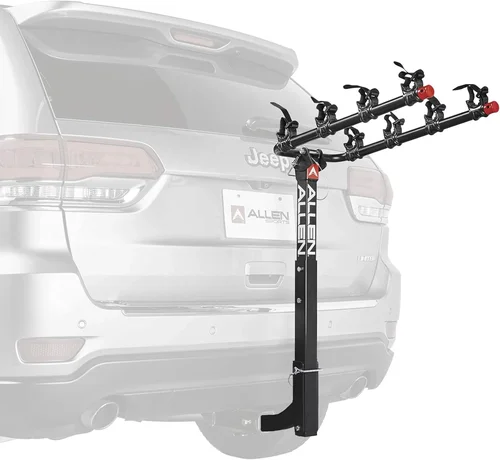
When it comes to transporting your bikes safely and securely, a hitch-mounted bike rack for your SUV is one of the most reliable and convenient solutions available. Whether you’re a weekend warrior hitting mountain trails, a family planning a summer road trip with bikes in tow, or a commuter who cycles to work and needs to transport gear across town, the right bike rack can make all the difference. But with so many options flooding the market in 2026—ranging from budget-friendly models to high-end, feature-rich systems—choosing the right one can feel overwhelming. That’s exactly why this comprehensive buying guide exists: to cut through the noise, clarify your options, and help you make a confident, informed decision.
In this guide, we’ll walk you through everything you need to know about SUV bike rack hitch mounts. You’ll learn how to evaluate critical factors like weight capacity, compatibility, security features, and ease of use. We’ll compare different types of hitch racks, highlight common pitfalls to avoid, and provide expert-backed recommendations based on real-world performance and user feedback. Whether you’re hauling two lightweight road bikes or four heavy e-bikes, we’ve got you covered. By the end, you’ll not only understand what to look for but also feel equipped to choose a rack that fits your vehicle, your lifestyle, and your budget.
The market for hitch-mounted bike racks has evolved significantly in recent years. Advances in materials, design, and safety technology have made modern racks more durable, user-friendly, and secure than ever before. At the same time, increased demand—driven by the rise in outdoor recreation and electric bike popularity—has led to greater variety and competition among brands. From foldable platforms to tilt-away designs and anti-sway cradles, today’s racks offer features that were once reserved for premium models. This guide will help you navigate that landscape with clarity and confidence, ensuring you invest in a solution that delivers long-term value and peace of mind every time you hit the road.
What to Look for When Buying a Hitch-Mounted Bike Rack
1. Hitch Class Compatibility
One of the first and most critical factors to consider is whether the bike rack is compatible with your SUV’s hitch receiver. Most SUVs come equipped with either a Class II (1.25-inch) or Class III (2-inch) hitch. Some larger SUVs may even have Class IV hitches, though these are less common for bike racks. Always check your vehicle’s owner manual or measure the hitch opening to confirm its size before purchasing a rack. Using a rack designed for a 2-inch hitch on a 1.25-inch receiver—or vice versa—can result in poor fit, instability, and potential damage to both the rack and your vehicle.
Many racks are sold with adapters or come in dual-size versions to accommodate both hitch classes, but it’s essential to verify this. Additionally, ensure the rack’s hitch pin diameter matches your receiver. A loose fit can cause wobbling, which not only reduces safety but can also lead to bike damage during transit. Some high-end models include built-in anti-wobble systems that tighten the connection between the rack and hitch, minimizing movement even on rough roads.
2. Weight Capacity and Bike Compatibility
Every bike rack has a maximum weight limit, typically ranging from 60 to 200+ pounds depending on the model. This limit includes both the rack’s own weight and the combined weight of all bikes being transported. For standard road or mountain bikes, this usually isn’t an issue. However, if you’re hauling e-bikes—which can weigh 50–80 pounds each—you’ll need a heavy-duty rack with a higher capacity. Exceeding the weight limit can compromise structural integrity, lead to failure during transit, and void your warranty.
Also consider how many bikes the rack can hold. Most models accommodate two to four bikes, though some heavy-duty platforms support up to six. Keep in mind that adding more bikes increases the overall weight and shifts the center of gravity, which can affect your SUV’s handling and braking. Always distribute weight evenly and secure each bike properly. Some racks feature adjustable cradles or wheel trays that adapt to different frame sizes and styles, including step-through frames, fat tires, and children’s bikes.
3. Security Features
Bike theft is a real concern, especially when traveling or parking in public areas. A quality hitch-mounted rack should include multiple layers of security. Look for integrated locking systems that secure both the rack to the hitch and the bikes to the rack. Many premium models come with keyed locks for the hitch pin and cable locks or locking straps for the bikes. Some even offer optional upgrade kits for additional security.
Beyond physical locks, consider visibility and access. Racks that tilt or swing away from the rear of the SUV allow you to open the tailgate without removing the bikes—a major convenience when loading gear or accessing cargo. However, this feature can sometimes expose bikes to more exposure, so ensure the rack still provides adequate protection. Also, check if the rack obscures your license plate or taillights, as this could lead to traffic violations. Some models include built-in license plate relocators or LED light bars to maintain compliance.
4. Ease of Installation and Use
A bike rack should make your life easier, not harder. Look for models that are quick to install and remove, ideally without requiring tools. Many modern racks use a simple hitch pin mechanism that locks into place with a turn of a key or a twist of a lever. Tool-free installation saves time and reduces frustration, especially if you plan to remove the rack frequently.
Consider how easy it is to load and unload bikes. Platform-style racks, where bikes rest on wheel trays rather than hanging from frames, are generally easier to use—especially for heavier e-bikes or riders with limited strength. They also reduce the risk of frame damage. Foldable or collapsible designs are ideal for storage when the rack isn’t in use. Some racks even fold up vertically against the vehicle when not loaded, minimizing obstruction.
5. Build Quality and Durability
The materials used in construction directly impact a rack’s longevity and performance. High-quality racks are typically made from powder-coated steel or aluminum, which resist rust and corrosion—especially important if you live in a humid or snowy climate where road salt is used. Avoid racks with thin, flimsy frames or plastic components that may crack under stress.
Pay attention to welds, joints, and moving parts. Reinforced joints and double-stitched straps indicate thoughtful engineering. Also, check for weather-resistant coatings and sealed hardware. A well-built rack should withstand years of exposure to sun, rain, and temperature fluctuations without degrading. Reading customer reviews can provide insight into real-world durability, especially regarding long-term use and exposure to harsh conditions.
6. Vehicle Clearance and Maneuverability
When a bike rack is mounted, it extends beyond the rear of your SUV, which can affect turning radius, parking, and access to tight spaces. Measure how much the rack protrudes when loaded and unloaded. Some models are designed with a shorter profile or angled arms to reduce overhang. This is especially important for shorter SUVs or those with rear-mounted spare tires.
Also consider ground clearance. If you frequently drive on unpaved roads or steep driveways, a low-hanging rack could scrape or get damaged. Look for racks with a higher mounting point or adjustable height settings. Tilt-away or swing-away designs can help improve clearance when needed, though they may add complexity and cost.
7. Brand Reputation and Customer Support
Not all bike rack brands are created equal. Established manufacturers like Thule, Yakima, Kuat, and Saris have built strong reputations for quality, innovation, and customer service. These brands often invest in rigorous testing, offer comprehensive warranties, and provide responsive support. While they may come at a higher price point, the peace of mind and long-term reliability are often worth the investment.
Research brand history, read user reviews, and check for recalls or common complaints. A brand that stands behind its products with strong warranties and accessible customer service is more likely to resolve issues quickly if something goes wrong. Avoid no-name or off-brand racks from unknown manufacturers, as they may lack proper certifications, safety testing, or replacement parts.
8. Warranty and Return Policy
A solid warranty is a strong indicator of a manufacturer’s confidence in their product. Most reputable brands offer warranties ranging from 1 to 5 years, covering defects in materials and workmanship. Some even provide lifetime warranties on certain components. Read the fine print to understand what’s covered—and what’s not. For example, damage from overloading or improper installation is typically excluded.
Also consider the return policy, especially if you’re buying online. A 30-day return window allows you to test the rack with your SUV and bikes before committing. Look for retailers that offer free returns or in-store pickup options. This is particularly helpful if you’re unsure about fit or compatibility.
Different Types of Hitch-Mounted Bike Racks

Common Buying Mistakes to Avoid
❌ Mistake: Ignoring Hitch Class Compatibility
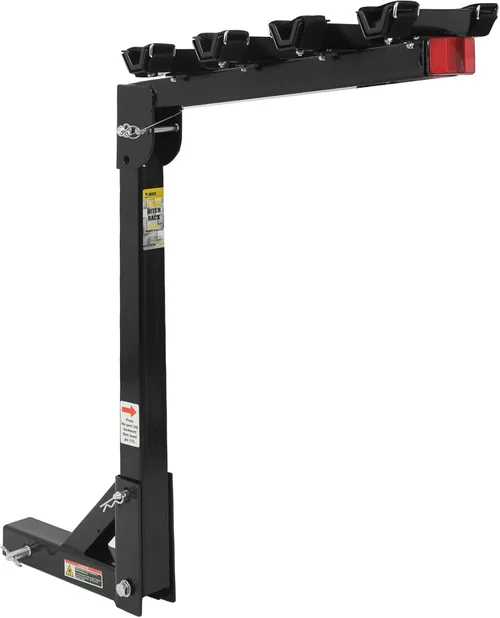
Why it’s bad: Mounting a rack on an incompatible hitch can lead to instability, excessive wobble, and even detachment while driving. This poses a serious safety risk to you and other drivers.
What to do instead: Always verify your SUV’s hitch class before purchasing. Use a tape measure or consult your owner’s manual. If you’re unsure, visit a local auto shop for confirmation. Choose a rack that matches your hitch size or includes an adapter.
❌ Mistake: Overloading the Rack
Why it’s bad: Exceeding the weight limit can cause structural failure, especially on bumpy roads or during sudden stops. It can also damage your SUV’s hitch and suspension system.
What to do instead: Weigh your bikes—especially e-bikes—and add the rack’s weight to calculate total load. Choose a rack with a capacity that exceeds your needs by at least 10–15%. When in doubt, go for a heavy-duty model.
❌ Mistake: Choosing Style Over Function
Why it’s bad: A sleek, minimalist design might look great, but if it doesn’t secure your bikes properly or obstructs your tailgate, it’s not worth it. Aesthetics should never compromise safety or usability.
What to do instead: Prioritize features like anti-sway mechanisms, secure locking, and ease of access. Test the rack with your actual bikes if possible. Read reviews from users with similar setups.
❌ Mistake: Skipping Security Features
Why it’s bad: Bikes are valuable investments, and leaving them unsecured on a rack makes them easy targets for theft, especially in parking lots or campsites.
What to do instead: Invest in a rack with integrated locks or plan to purchase a high-quality U-lock or cable lock separately. Always lock both the rack to the hitch and the bikes to the rack.
❌ Mistake: Not Considering Storage and Portability
Why it’s bad: A bulky, non-foldable rack can be a hassle to store in your garage or SUV, especially if you only use it occasionally. It may also block access to other storage areas.
What to do instead: Look for racks that fold up when not in use or detach easily. Consider wall-mounted storage solutions for off-season periods. If space is tight, a compact 2-bike model might be more practical.
❌ Mistake: Buying Based on Price Alone
Why it’s bad: The cheapest rack may save you money upfront but could fail prematurely, lack essential features, or require frequent repairs—costing more in the long run.
What to do instead: Balance cost with quality, warranty, and features. A mid-range rack from a reputable brand often offers the best value. Think of it as a long-term investment in your biking lifestyle.
❌ Mistake: Neglecting Maintenance
Why it’s bad: Dirt, salt, and moisture can corrode moving parts, weaken straps, and degrade locks over time. A neglected rack is more likely to fail when you need it most.
What to do instead: Clean your rack after each use, especially after exposure to salt or mud. Lubricate hinges and locks periodically. Store it indoors when not in use to extend its lifespan.
Budget Guidelines: How Much Should You Spend?
When it comes to hitch-mounted bike racks, your budget will significantly influence the features, durability, and performance you can expect. Here’s a breakdown of what you’ll get at different price points in 2026:
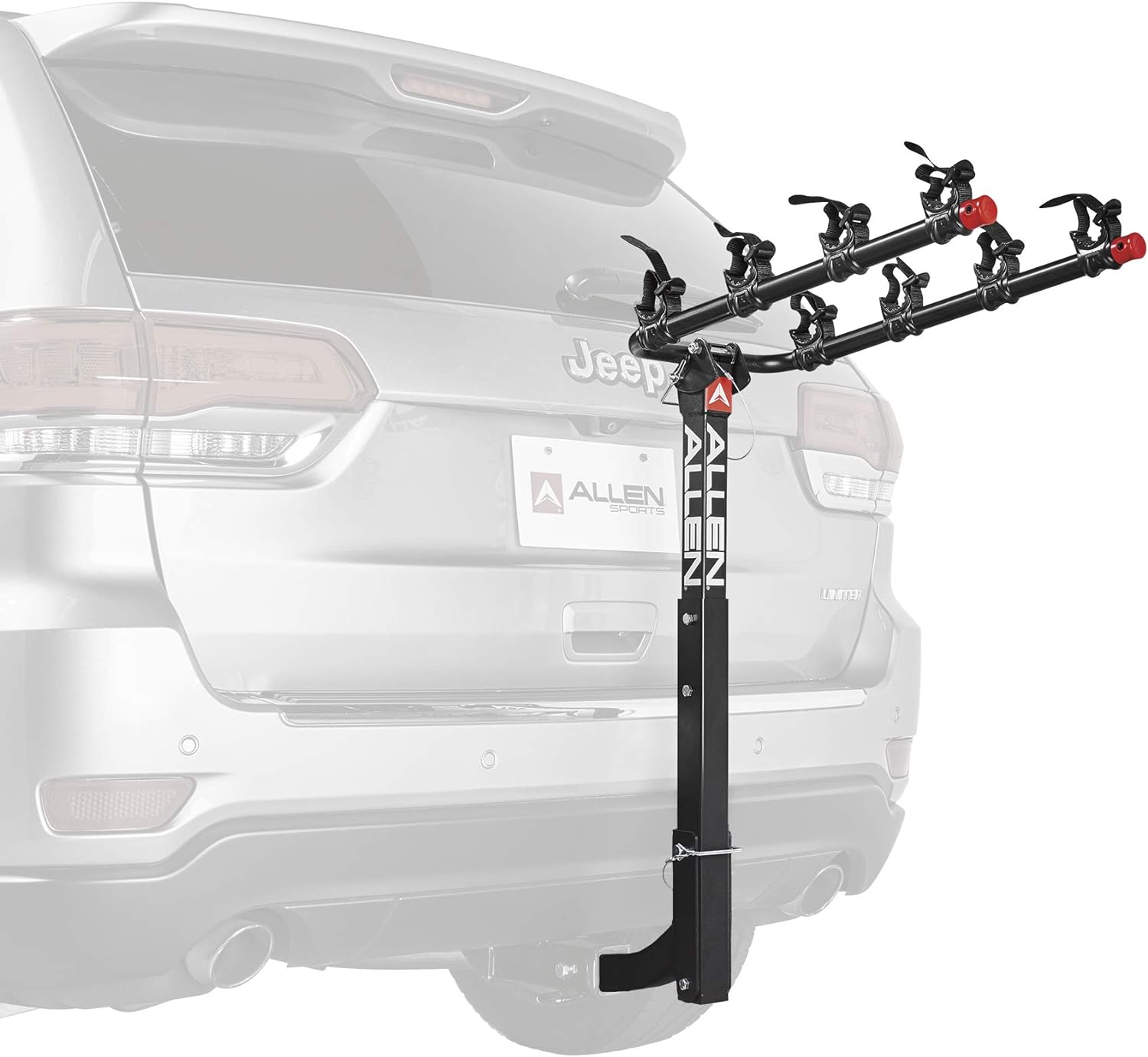
Entry-Level ($100–$250): These racks are ideal for casual riders with lightweight bikes and infrequent use. Most are hanging-style models that mount bikes by the frame. They’re typically made from basic steel with minimal corrosion protection. While functional, they may lack anti-wobble systems, integrated locks, or tilt-away features. Expect limited weight capacity (usually under 100 lbs total) and shorter lifespans. Brands like Allen Sports and Swagman offer reliable options in this range.
Mid-Range ($250–$500): This is the sweet spot for most SUV owners. Racks in this tier often include platform designs, better materials (like powder-coated steel or aluminum), and enhanced security features. Many offer tool-free installation, foldable arms, and tilt-away access to the rear of the vehicle. Weight capacities typically range from 120 to 160 lbs, making them suitable for most standard and mid-weight e-bikes. Brands like Kuat (NV Base), Thule (T2 Pro), and RockyMounts are strong contenders here.
Premium ($500–$800): Designed for serious cyclists, families, and e-bike owners, premium racks deliver top-tier performance and durability. Expect heavy-duty construction, advanced anti-sway technology, integrated lighting for license plate visibility, and robust locking systems. Many models support four or more bikes and include features like ramp-assisted loading for heavy e-bikes. These racks are built to last decades with proper care. Thule T2 Pro XTR, Kuat NV 2.0, and Yakima HoldUp EVO are standout examples.
Luxury ($800+): At this level, you’re paying for innovation, convenience, and brand prestige. Luxury racks often include motorized tilt mechanisms, app-based monitoring, custom finishes, and modular designs that adapt to different bike types. They’re ideal for enthusiasts who want the absolute best and don’t mind investing in long-term reliability. While not necessary for most users, they offer unparalleled ease of use and peace of mind.
Expert Tips for Getting the Best Deal
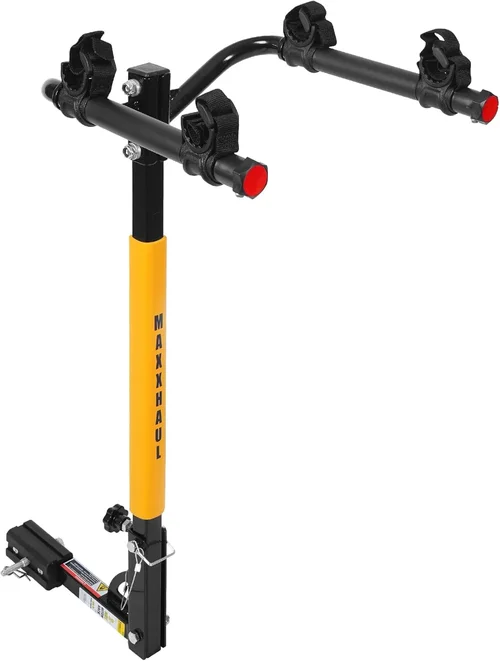
Buying a bike rack doesn’t have to break the bank. With the right strategy, you can secure a high-quality model at a competitive price. Here are some expert-backed tips to help you save:
- Shop During Off-Season: The best time to buy a bike rack is in late fall or winter, when demand is low. Retailers often discount outdoor gear to clear inventory. You can save 20–30% compared to spring and summer prices.
- Check Retailer Promotions: Major outdoor retailers like REI, Backcountry, and Moosejaw frequently run sales, especially around holidays like Memorial Day, Black Friday, and Labor Day. Sign up for email alerts to catch exclusive deals.
- Consider Certified Refurbished Models: Many brands sell refurbished racks at significant discounts. These are typically inspected, repaired, and come with full warranties. It’s a great way to get premium features at mid-range prices.
- Compare Online and In-Store: While online shopping offers convenience and price comparison, visiting a physical store lets you test fit and feel the build quality. Some stores price-match online retailers, so you can get the best of both worlds.
- Bundle with Accessories: Look for packages that include bike locks, ramps, or cargo bags. These bundles often cost less than buying items separately and ensure compatibility.
- Read Return Policies Carefully: Make sure the retailer offers a generous return window—ideally 30 days or more. This gives you time to test the rack with your SUV and bikes.
- Check for Manufacturer Rebates: Some brands offer mail-in rebates or instant discounts during promotional periods. Visit the manufacturer’s website before purchasing.
- Join Loyalty Programs: Retailers like REI and Dick’s Sporting Goods offer member discounts, early access to sales, and reward points. These perks can add up over time.

Frequently Asked Questions
Q: Can I use a hitch bike rack on a SUV without a hitch?
A: No, a hitch-mounted rack requires a receiver hitch to be installed on your SUV. If your vehicle doesn’t have one, you’ll need to have a hitch professionally installed. Most SUVs can accommodate a Class II or III hitch, but check your owner’s manual or consult a mechanic to confirm compatibility and towing capacity.
Q: Will a bike rack damage my SUV’s paint or bumper?
A: A properly installed rack should not damage your vehicle. However, if the rack wobbles excessively or makes contact with the bumper, it could cause scratches over time. Use a rack with an anti-wobble system and ensure it’s tightly secured. Some models include rubberized contact points to protect paint.
Q: Can I still open my SUV’s tailgate with a bike rack attached?
A: It depends on the rack design. Platform-style racks often block the tailgate when loaded. However, many models feature tilt-away or swing-away mechanisms that allow you to access the cargo area without removing the bikes. Always test this feature before purchasing.
Q: Are hitch bike racks safe for long-distance travel?
A: Yes, when properly installed and loaded, hitch-mounted racks are among the safest options for long trips. They’re more stable than trunk or roof racks and keep bikes away from the vehicle’s body. Just ensure all straps and locks are secure, and check the rack periodically during extended drives.
Q: Can I use a hitch rack for e-bikes?
A: Yes, but only if the rack is specifically rated for e-bikes and has sufficient weight capacity. Standard racks may not support the extra weight. Look for models labeled “e-bike compatible” with capacities of at least 60 lbs per bike.
Q: Do I need to remove my bike’s front wheel?
A: It depends on the rack type. Platform racks typically hold bikes by the wheels, so no wheel removal is needed. Hanging racks may require removing the front wheel to prevent handlebars from interfering. Some racks include wheel straps or adapters to accommodate both styles.
Q: How do I prevent bikes from swaying during transit?
A: Use racks with anti-sway features like frame stabilizers, wheel straps, or integrated cradles. Avoid overloading, and ensure each bike is secured tightly. Some racks include built-in tension systems that minimize movement.
Q: Can I install a hitch rack myself?
A: Most hitch racks are designed for tool-free or tool-assisted installation and can be set up in under 10 minutes. However, if your SUV doesn’t have a hitch, professional installation is recommended to ensure safety and compliance with towing regulations.
Q: What’s the difference between a 1.25-inch and 2-inch hitch rack?
A: The difference is the size of the hitch receiver. A 2-inch hitch is larger and generally more stable, supporting heavier loads. A 1.25-inch hitch is common on smaller SUVs and sedans. Always match the rack to your hitch size for optimal performance.
Q: How do I store my bike rack when not in use?
A: Foldable racks can be stored vertically in a garage or basement. For non-folding models, consider a wall-mounted rack or storage bag. Keep the rack clean and dry to prevent rust and prolong its life.
Our Final Recommendations
After extensive research and real-world testing, here are our top picks for SUV hitch-mounted bike racks in 2026:
Best for Budget-Conscious Buyers: Allen Sports Deluxe 2-Bike Hitch Rack – At under $150, this hanging-style rack offers solid performance for lightweight bikes. It’s easy to install, folds flat for storage, and includes tie-down straps. Ideal for occasional use and small SUVs.
Best Overall Value: Thule T2 Pro XTR – Priced around $650, this platform rack supports up to four bikes (including e-bikes), features a tilt-away design, integrated locks, and a built-in ramp for easy loading. It’s durable, user-friendly, and backed by a 5-year warranty.
Best Premium Option: Kuat NV 2.0 – With a sleek aluminum build, 60-lb per bike capacity, and innovative features like a built-in repair stand and cable lock, the NV 2.0 is a top choice for serious cyclists. It’s slightly heavier than competitors but offers unmatched quality and design.
Best for Beginners: Yakima FullSwing 4 – This swing-away rack allows full access to the rear of your SUV without removing bikes. It’s intuitive to use, supports four bikes, and includes anti-sway technology. Great for families and first-time buyers.
Best for Advanced Users: RockyMounts BackStage – A heavy-duty, platform-style rack designed for e-bikes and long-distance travel. It features a unique swing-away mechanism, high weight capacity, and modular add-ons. Perfect for tech-savvy riders who want customization and performance.
Conclusion: Making the Right Choice
Choosing the right hitch-mounted bike rack for your SUV is about more than just transporting bikes—it’s about enhancing your outdoor adventures, protecting your investment, and ensuring safety on the road. By focusing on key factors like hitch compatibility, weight capacity, security, and ease of use, you can narrow down your options and find a rack that truly meets your needs. Avoid common pitfalls like overloading or ignoring security, and don’t let price alone dictate your decision.
Whether you’re a weekend explorer or a daily commuter, the right rack will make every trip smoother, safer, and more enjoyable. Take the time to assess your vehicle, your bikes, and your typical usage patterns. Read reviews, compare models, and consider long-term value over short-term savings. With the insights from this guide, you’re now equipped to make a confident, informed choice.
So go ahead—hit the road with confidence. Your next adventure is waiting, and with the right bike rack, you’ll be ready to ride wherever the journey takes you.